Elangata Olerai Camp is positioned near Ololaimutiek Village on the southeastern side of the Masai Mara Game Reserve. For travelers weighing up where to stay in the Mara, this location puts the camp within easy access of the reserve’s southern sectors, which is a meaningful practical detail for how your game drives run.
This guide covers what the camp and its location offer, how the southern Mara compares to other parts of the reserve, and what to consider when deciding whether this property fits your specific trip.
Understanding the Ololaimutiek Location
Ololaimutiek is one of the entry gates on the southeastern boundary of the Masai Mara National Reserve. Camps near this gate access a section of the reserve that includes open rolling grassland, seasonal drainage lines, and bush corridors that connect to the wider Mara-Serengeti ecosystem.
What this location means for game drives:
The southeastern Mara sectors accessible from this area are part of the main reserve, not a private conservancy. This means the reserve’s standard rules apply: park fees are charged per person per day, game drives operate within gazetted hours, and the number of vehicles per sighting is not controlled by the camp.
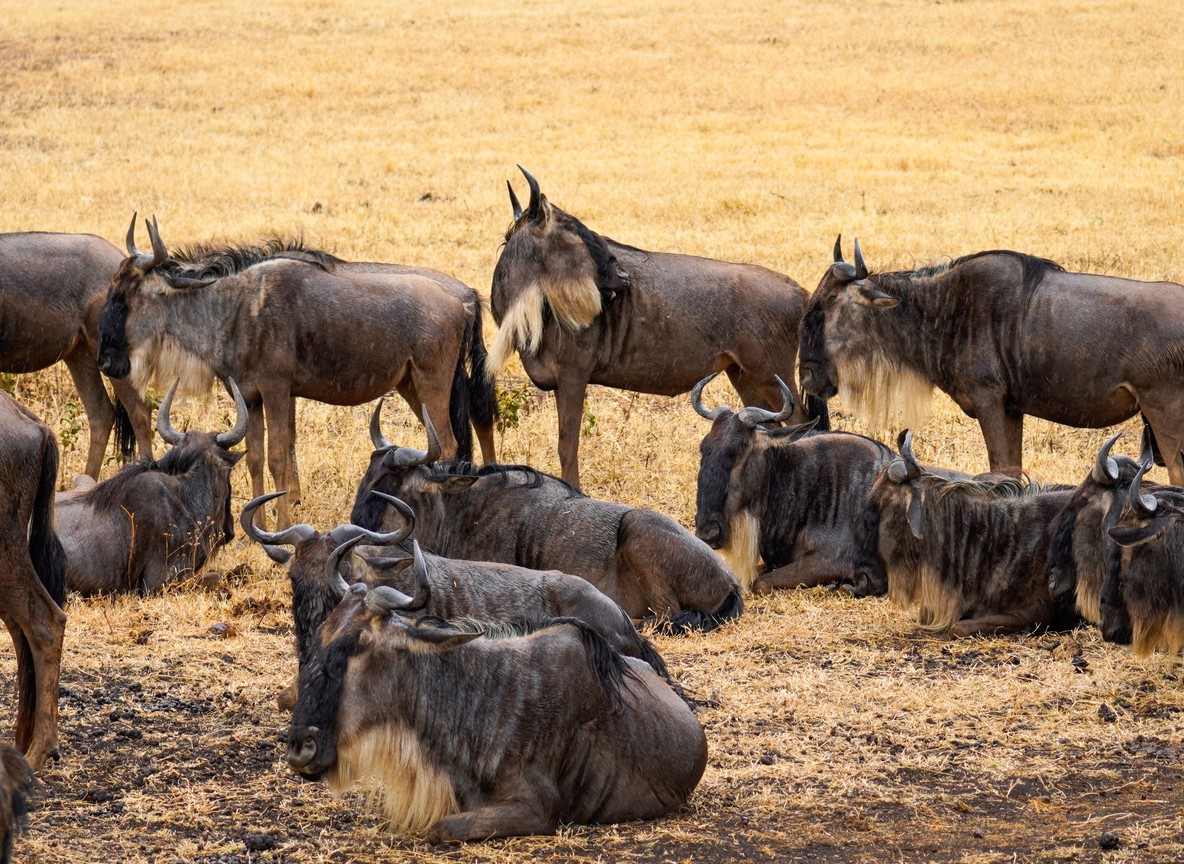
During peak migration season, this part of the reserve sees wildebeest herds moving through on their circuit between Tanzania and the northern Mara. The timing of these movements varies year to year, but July through October is the core period across the ecosystem.
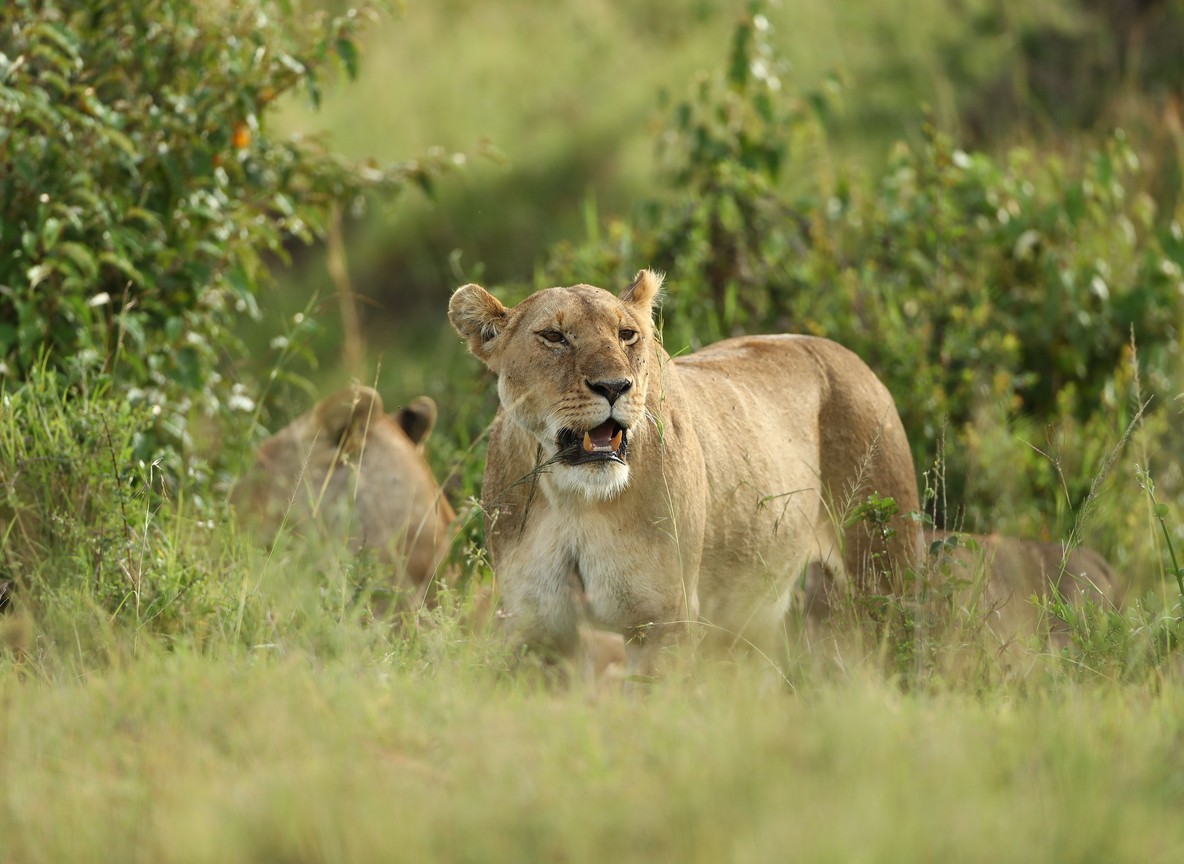
Year-round, the southeastern sectors hold good populations of resident plains game: zebra, topi, kongoni, impala, and the predators that follow them. Lion prides are present throughout, as are elephant groups and buffalo herds.
Official reserve information and current visitor data are published by the Kenya Wildlife Service at kws.go.ke.
About Elangata Olerai Camp
The name “Elangata Olerai” is Maasai: “elangata” means river in several Maa dialects, and “olerai” refers to the acacia species common along the Mara’s watercourses. The name situates the camp within a Maasai-named landscape, which is a reminder that the Mara ecosystem is not a wilderness separate from human culture but a shared landscape where Maasai communities and wildlife have coexisted for generations.
Camp Setup and Accommodation
Camps in the budget to mid-range tier near the Masai Mara typically run on smaller footprints than the luxury conservancy properties. Elangata Olerai Camp falls into this category: simpler facilities, functional rather than decorative design, and an atmosphere that keeps the focus on what happens outside the tent.
This can be genuinely appealing for travelers whose priority is time in the field rather than time in the camp. The camp exists to support the safari, not to be the point of the trip itself.
Practical things to confirm before booking:
- Whether accommodation is tented or in fixed structures
- Bathroom facilities and hot water availability
- Power supply for device and camera battery charging
- Meal inclusions and whether game drives are included or charged separately
- Proximity to the reserve gate and average drive time to productive wildlife areas
Meals and Camp Rhythm
Meal timing in a camp like this is built around the game drive schedule. Early morning drives typically depart around 6am, which means a very early breakfast or a brunch on return. Afternoon drives run from around 4pm to sunset, with dinner served on return.
In between, the camp is quiet. Most guests rest, review their photographs, or sit in the communal area. The midday heat in the Mara makes this a natural break rather than a missed opportunity.
Game Drive Access and Wildlife Expectations
Morning Light and Drive Efficiency
The practical value of staying close to the reserve gate is the time you save getting to and from wildlife areas. A camp near Ololaimutiek can have guests in productive plains country within minutes of leaving camp. This matters more than it might appear: early morning game drives are the highest-productivity window of the day, and spending the first 30 minutes of that window on an approach road is a real cost.
The kinds of sightings that characterize the southern Mara during a typical morning drive include:
- Lion prides resting after a night hunt, sometimes still visible with a kill
- Cheetah families active on open grassland in the early morning light
- Elephant groups feeding in seasonal bush and moving to water
- Large buffalo herds grazing the longer grass areas
- Maasai giraffe moving between acacia stands
- Bird activity along drainage lines and seasonal wetlands
Peak Season and Migration
The wildebeest migration is the primary reason international travelers choose the Mara over other Kenya destinations. From roughly July through October, the herds move north from the Serengeti and into the Mara ecosystem. The famous river crossings concentrate around the Mara River (in the northwestern sectors) and the Talek River.
From a camp near Ololaimutiek, the Talek River crossings are more accessible than the Mara River crossings. If witnessing a river crossing is your primary migration goal, it is worth asking specifically about the drive time from this camp to the main crossing points during peak season.
Outside migration season, the southeastern sectors of the reserve still offer strong game viewing. Predator activity does not disappear after October. The landscape is simply quieter.
What Guide Quality Determines
The reserve’s roads are shared. What separates camps is the skill of the guide who drives and interprets them. A guide who knows which acacia stands leopards use at different times of day, which termite mounds provide the best cheetah vantage points, and how to read elephant body language for photographic approach distance will deliver a fundamentally different experience than one who follows other vehicles.
When choosing between camps at a similar price point, asking specifically about the guides, their experience, and whether they have worked this sector of the reserve for multiple seasons is worth doing.
How Elangata Olerai Fits into the Wider Mara Accommodation Picture
The Masai Mara has a broad spread of accommodation types. Understanding where Elangata Olerai sits in that range helps with realistic expectations:
| Accommodation Type | Example | Game Drive Access | Vehicle Density | Price Range |
|---|---|---|---|---|
| Private conservancy camp | Naboisho, Mara North | Exclusive, extended hours | Very low | High to very high |
| National reserve camp (luxury) | Several on Mara River | Standard reserve rules | High in peak season | High |
| National reserve camp (mid-range) | Elangata Olerai area | Standard reserve rules | High in peak season | Moderate |
| Outside reserve (budget) | Various near Sekenani | Daily drive in required | Variable | Low to moderate |
Elangata Olerai offers the advantage of being inside or immediately adjacent to the reserve rather than requiring a daily approach drive. It does not offer the exclusive game drive conditions of a private conservancy. For a traveler whose budget is in the moderate range and whose priority is wildlife time rather than camp luxury, this is a sensible position.
Practical Planning Notes
Getting there: Ololaimutiek is reached by road from Nairobi via Narok, a journey of roughly five to six hours depending on road conditions. Scheduled light aircraft serve Ol Kiombo and Keekorok airstrips in the southeastern Mara, with camp transfers available from both.
How long to stay: Two nights is a minimum. Three nights gives you five or six drives across different conditions and covers enough variation to feel like a complete Mara experience. Four to five nights is appropriate if the migration is a primary goal.
What to pack: The basics apply regardless of camp: neutral-colored clothing for drives, a light layer for early morning cold (the Mara can be surprisingly cool before sunrise), good binoculars, and if you are photographing seriously, a 100-400mm zoom as a minimum.
Camp differences within this tier: Budget to mid-range camps in the Mara vary more than the price points suggest. Some are run by families with strong local knowledge and real guide quality. Others are more transactional. Reading recent, specific traveler reports rather than relying on star ratings gives a more accurate picture.
Explorer Notes
The landscape around Ololaimutiek includes sections of the Mara’s classic short-grass plains, which is the terrain that produces the open-country sightings the reserve is famous for. Unlike the longer grass and thicker bush found in some northern sectors, this area’s visibility is good for spotting cheetah and lion from distance, which allows a guide to approach carefully and position well before the animals move.
The Maasai communities around Ololaimutiek village are active in the local tourism economy. Some camps in this area facilitate village visits or Maasai guide experiences as optional activities. These can add genuine depth to a stay when done thoughtfully, though the quality varies. Ask specifically about the structure of any cultural activity on offer before you decide whether to include it.
Where to Go Next
- Masai Mara camp comparison: national reserve vs conservancy
- Best time to visit the Masai Mara for migration and predators
- Getting to the Masai Mara: road vs fly-in options
For current availability and a comparison of mid-range camps across the Mara’s different sectors, trunktrailssafaris.com has detailed notes on southeastern Mara properties and their game drive positioning.
Have questions about this itinerary or destination? Get answers from a safari specialist before you commit.
Inquire More