Most safari travelers pack one or the other and arrive wishing they had brought both. The binoculars vs zoom lens safari debate surfaces in every packing guide and pre-trip forum, and the answer depends on who you are, what you want to bring home, and how much room your luggage allows.
The short version: these two pieces of optics are not substitutes for each other. A zoom lens and a pair of binoculars solve different problems on the same game drive. What follows is a practical breakdown of where each one excels, what each costs, and how to decide what to bring.
Quick Comparison: Binoculars vs Camera Zoom Lens
| Factor | Binoculars | Camera Zoom Lens |
|---|---|---|
| Primary Function | Wildlife scanning and observation | Wildlife photography |
| Field of View | Wide: easy to locate and track animals | Narrower: precise targeting required |
| Speed | Instant: raise and scan immediately | Slower: mount, focus, frame |
| Image Stabilization | Built-in on quality models | Excellent, especially with IS/VR lenses |
| Magnification | 8x to 10x standard; 12x or 15x specialist | 10x to 30x+ depending on focal length |
| Photo Record | None | Full photographic record |
| Eye Comfort | Very high: natural scanning movement | Lower: one eye closed, screen or viewfinder viewing |
| Weight | 200g to 600g for quality safari models | 500g to 3kg depending on lens |
| Best Use Case | Finding wildlife; scanning horizon; bird ID | Documenting sightings; wildlife photography |
| Price Range | $150 to $600 for safari-appropriate quality | $300 to $5,000+ depending on focal length |
What Binoculars Offer That a Zoom Lens Cannot
Wide-Area Scanning
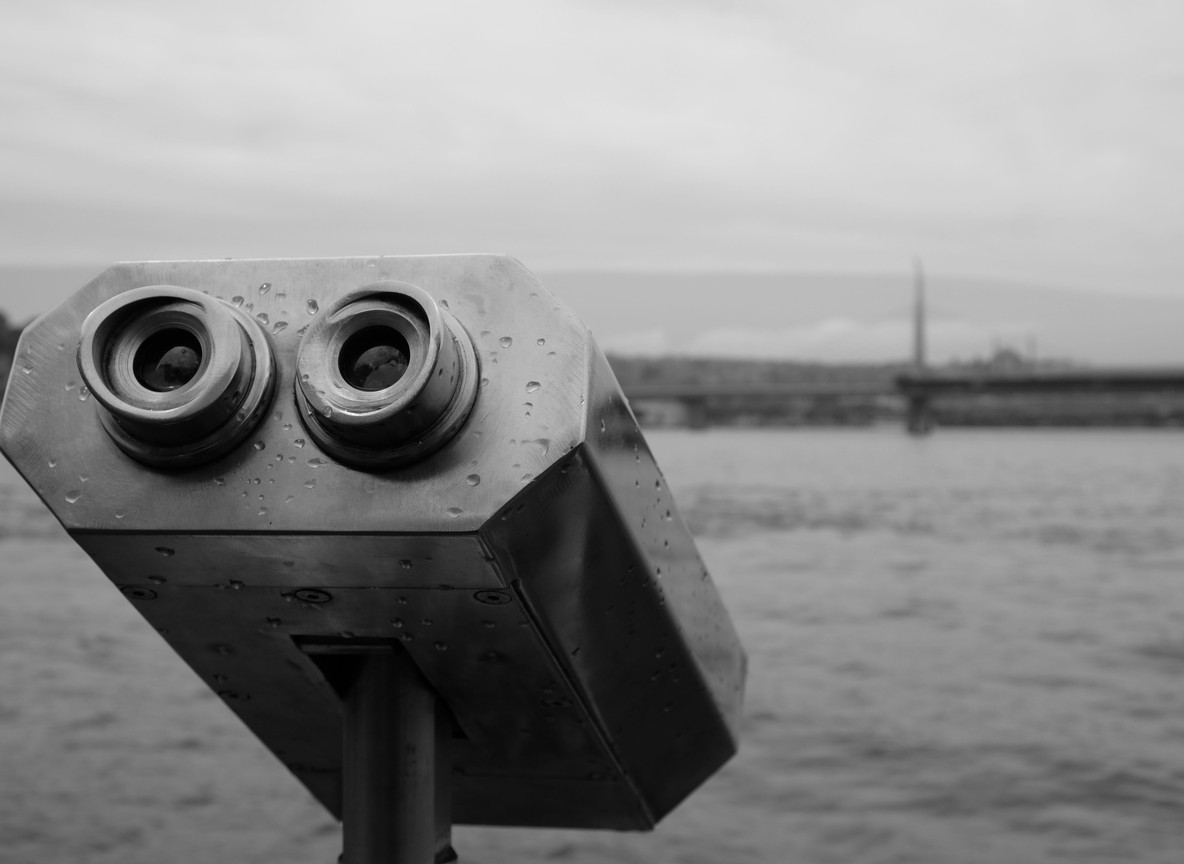
The most important thing binoculars do on safari is not magnify: it is help you find animals in the first place. Both eyes working together produce a brain-processed image that is faster to scan and far less fatiguing than peering through a camera viewfinder or tracking a telephoto across the horizon.
When a guide says there is something moving in the tree line at two o’clock, you can raise binoculars and cover thirty degrees of terrain in about ten seconds. The same task through a 400mm camera lens means locating the target within a much narrower frame, adjusting exposure settings, and pulling focus, by which point the leopard has slipped back into cover.
Sustained Comfort on a Long Drive
Game drives typically run four to five hours. Binoculars allow a natural two-eyed posture that is far easier to hold than a camera pressed to one eye or balanced on a monopod. Travelers who rely exclusively on a zoom lens for observation frequently develop eye fatigue midway through a drive and begin missing the small behavioral details that relaxed binocular scanning would have caught.
Bird Identification at Range
For birders, binoculars are not an optional extra. A 400mm zoom can resolve field markings at mid-range, but 10x binoculars allow rapid identification with both eyes open, quick refocus as birds move, and natural scanning of mixed feeding flocks. Serious birders use a camera for documentation and binoculars for the actual identification work.
What a Camera Zoom Lens Offers That Binoculars Cannot
A Permanent Photographic Record
The clearest advantage of a zoom lens is that it produces photographs. Binoculars show you the lion’s ear position, the cheetah’s gaze direction, the precise flick of a tail; a camera captures all of it permanently and for sharing. If you have invested in a camera body, whether a DSLR, a mirrorless system, or a high-quality superzoom compact, a telephoto zoom is the primary documentation tool in the vehicle.
Greater Reach at Long Distance
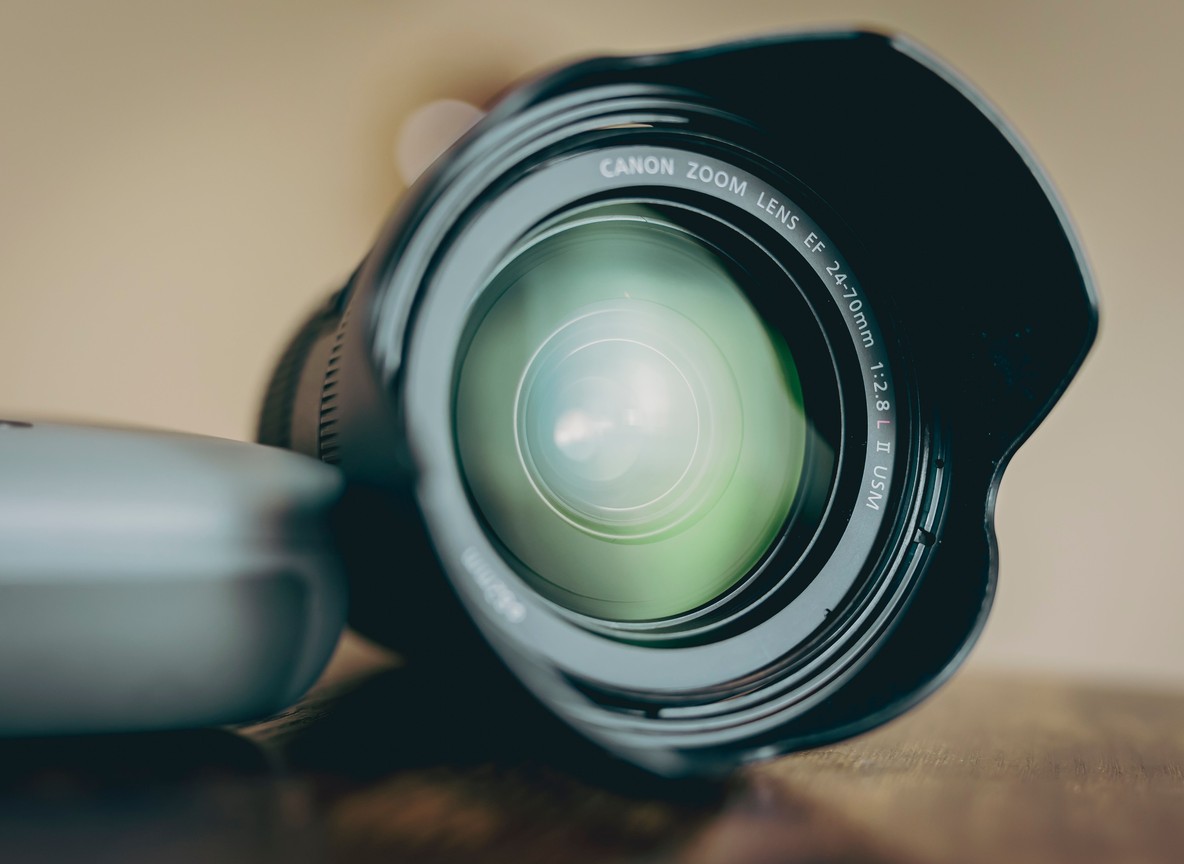
Quality telephoto lenses deliver more effective magnification at extreme distances than any practical safari binocular. A 600mm lens at f/4 with image stabilization resolves detail at 300 meters that a 10x binocular simply cannot match. For serious wildlife photographers, the lens is the primary optic; binoculars fill the scanning role.
Video of Wildlife Behavior
A camera zoom lens records behavior: hunting sequences, playful cubs, a predator on the move. Binoculars let you watch but leave no footage. If you want video from your game drives, only a camera with a telephoto zoom, or a smartphone with a telephoto attachment, can provide it.
Recommended Specifications
Binoculars for Safari Use
The most practical configuration for safari is 8×42 or 10×42: magnification high enough to resolve distant animals clearly, with an objective lens diameter wide enough to gather light during the low-angle early-morning and evening hours when predators are most active.
- 8x: Slightly more stable in a moving vehicle; wider field of view
- 10x: Greater reach; better suited to open plains like the Masai Mara or Amboseli
- Objective diameter: 42mm is the practical sweet spot; 50mm adds weight without proportionate optical gain
Brand guide by tier:
- Premium: Swarovski, Zeiss, Leica (sharper edge-to-edge optics, better low-light transmission, long-term build quality)
- Mid-range: Nikon Monarch, Vortex Viper (genuinely capable optics at a fraction of the premium price)
- Budget floor: $150 to $300 for a competent pair; $400 to $700 for professional quality
A quality 8×42 in the $200 to $300 range is one of the highest-return investments a non-photographer traveler can make for safari. The difference between seeing a distant bird as an indistinct shape and reading its field markings is the difference between guessing and knowing.
Camera Zoom Lens Options by Budget
| Budget Level | Recommended Zoom Range |
|---|---|
| Entry ($300 to $600) | 70-300mm or 100-400mm equivalent |
| Mid-range ($600 to $1,500) | 100-400mm with image stabilization |
| Professional ($1,500 to $5,000+) | 200-600mm zoom or 500mm prime |
Image stabilization matters more on safari than in most other shooting contexts. You are firing from a vibrating vehicle on a dirt track, frequently in low light. Prioritize IS/VR capability over raw focal length when choosing a mid-range option.
Which Should You Bring?
Bring binoculars if you:
- Are not traveling primarily as a photographer and want the best possible wildlife observation experience
- Are a birder for whom binoculars are the core identification tool
- Want to scan wide terrain quickly without the slower process of mounting and aiming a telephoto
- Are traveling light and cannot manage a heavy lens alongside a camera body
Bring a camera zoom if you:
- Are focused on wildlife photography and want a complete photographic record of every sighting
- Have a camera body that pairs well with a quality telephoto zoom
- Want video footage of behavior sequences from the game drive
Bring both if you:
- Want the fullest possible observation and documentation setup on the vehicle
- Are a photographer who also wants efficient scanning and bird identification capability
- Have the luggage allowance: binoculars are compact and add minimal weight
For most safari travelers, the combination of binoculars alongside a camera with a reasonable zoom produces the most complete game drive experience. Neither tool fully replaces the other.
Explorer Notes: Practical Planning
Sharing in the vehicle. Most safari vehicles carry four to six guests. A long telephoto lens is awkward to hand around and requires some orientation before a first-time user can aim it effectively. A compact pair of binoculars is easier to share quickly and needs no explanation. If you are the only person on the vehicle with optics, binoculars are the more practical loan.
Weight and luggage allowance. Internal flights on East African safari circuits typically cap checked baggage at 15kg to 20kg, with a 5kg to 7kg cabin limit. A quality pair of binoculars adds 200g to 600g. A telephoto lens can add 1kg to 3kg before the camera body. Budget both pieces of gear into your weight allowance before you travel.
Vehicle vibration. Image stabilization on a zoom lens helps with static shots when the engine is off, but game drives involve long stretches of slow movement on corrugated tracks. Binoculars with solid optical quality, or a steady hand on 8x, are often more useful for real-time scanning than a camera mounted to a vibrating vehicle.
Which to prioritize on a tight budget. If you can only buy one piece of optics before a first safari, binoculars give more consistent value than a mid-range zoom attached to a borrowed camera body. You will use them every hour of every drive.
Conclusion
The binoculars vs zoom lens safari question has a clear practical answer: the two tools complement each other rather than compete. Binoculars are for finding, tracking, and understanding wildlife in real time; a zoom lens is for capturing it. Travelers who bring both are better equipped for every phase of a game drive, whether scanning the horizon for a distant herd or waiting for a cheetah to lift its head into the morning light.
If budget or luggage forces a choice, non-photographers should prioritize binoculars. Dedicated photographers should lead with their zoom and add binoculars as a secondary tool whenever space allows.
Turn this reading into a real itinerary with help from a Kenya-based safari team.
Start Planning Your Safari