Eagle View Camp sits inside Mara Naboisho Conservancy, one of the larger private conservancies that border the main Maasai Mara National Reserve. If you are weighing up where to stay in the Mara ecosystem, the conservancy question matters as much as the camp itself. This guide covers what the location means practically: game drive access, wildlife conditions, what the camp offers, and how it compares to the other options in the area.
Why Mara Naboisho Matters for Safari Planning
Mara Naboisho Conservancy covers roughly 50,000 acres of grassland and bush corridor immediately north of the Maasai Mara National Reserve. It was established through a partnership between local Maasai landowners and conservation-focused tourism operators, with the goal of extending protected wildlife habitat beyond the national reserve boundary.
What this means for guests staying at Eagle View Camp:
Lower vehicle density. Naboisho is a conservancy, not a public national reserve. The number of camps operating inside it is limited, and each camp holds a restricted number of guests. On a given morning drive, you might be the only vehicle at a lion sighting. That is a meaningfully different experience from the main reserve during peak season, where multiple vehicles routinely converge on major sightings.
No entry time restrictions. Unlike the national reserve, conservancies in the Mara ecosystem typically allow game drives before and after the official park hours. Early morning and late evening light, which consistently produces the best photography and the most active predator behavior, is accessible from a conservancy camp in a way it is not when you are staying outside the reserve.
Year-round wildlife corridors. Naboisho sits within the wider Mara ecosystem, which means resident predators, elephants, and plains game move through it throughout the year regardless of migration timing. The wildebeest migration passes through in varying concentrations from July through October, but the conservancy holds interest at other times too.
Official information on the Maasai Mara National Reserve and its adjacent conservancies is published by the Kenya Wildlife Service at kws.go.ke.
About Eagle View Camp
Eagle View Camp is a tented camp property within Mara Naboisho Conservancy. The camp name reflects both the elevated position of parts of the terrain and the perspective that a conservancy setting provides: a sense of looking out over a landscape that has not been over-managed or crowded.
Camp Setup and Accommodation
Tented camps in the Mara conservancy circuit typically run between eight and sixteen tents, which is a deliberate choice. Smaller guest numbers mean quieter common areas, more personalized attention from guides and camp staff, and a pace that is not driven by large-group logistics.
At Eagle View, the tents are set up around safari rhythm. Guests leave early, typically around 6am, return for a mid-morning brunch after the morning drive, rest during the heat of the day, and head back out in the afternoon. The tent itself needs to work for sleeping deeply, storing gear, and washing off the dust of a morning drive. Practical comfort over elaborate decoration is usually the right priority in a camp like this.
Before booking any tented camp, it is worth confirming:
- Bed configuration and whether twin or double options are available for your party
- Hot water availability and timing
- Power and charging setup, particularly if you are traveling with camera batteries that need overnight charging
- Cot or interconnecting tent availability if you are traveling with children
Food and Shared Areas
Camps in the Mara conservancy circuit typically structure meals around game drive timing. Breakfast is either very early (before the morning drive) or a fuller brunch on return. Packed lunches go out on full-day drives. Dinner is served after the evening drive, often around a campfire.
Dining in a small conservancy camp tends to feel more communal than a large lodge. Guests share tables, guides often eat with guests or brief them over dinner, and conversation about what was seen that day is a natural part of the meal.
Service and Atmosphere
The experience at conservancy camps is deliberately quieter than a mainstream lodge. The appeal is the bush: the sounds at night, the nearness of wildlife, the absence of city noise. Guests who want to be immersed in the landscape find this satisfying. Guests expecting full-service hotel amenities sometimes find it takes adjustment.
Game Drive Performance at Eagle View Camp
Morning Drives
The Mara is at its best in early morning light. From a conservancy camp, you are inside the wildlife area from the moment you leave the tent. You do not spend the first 45 minutes of a drive traveling from an outside location to the wildlife. That time difference is not trivial over a multi-day stay.
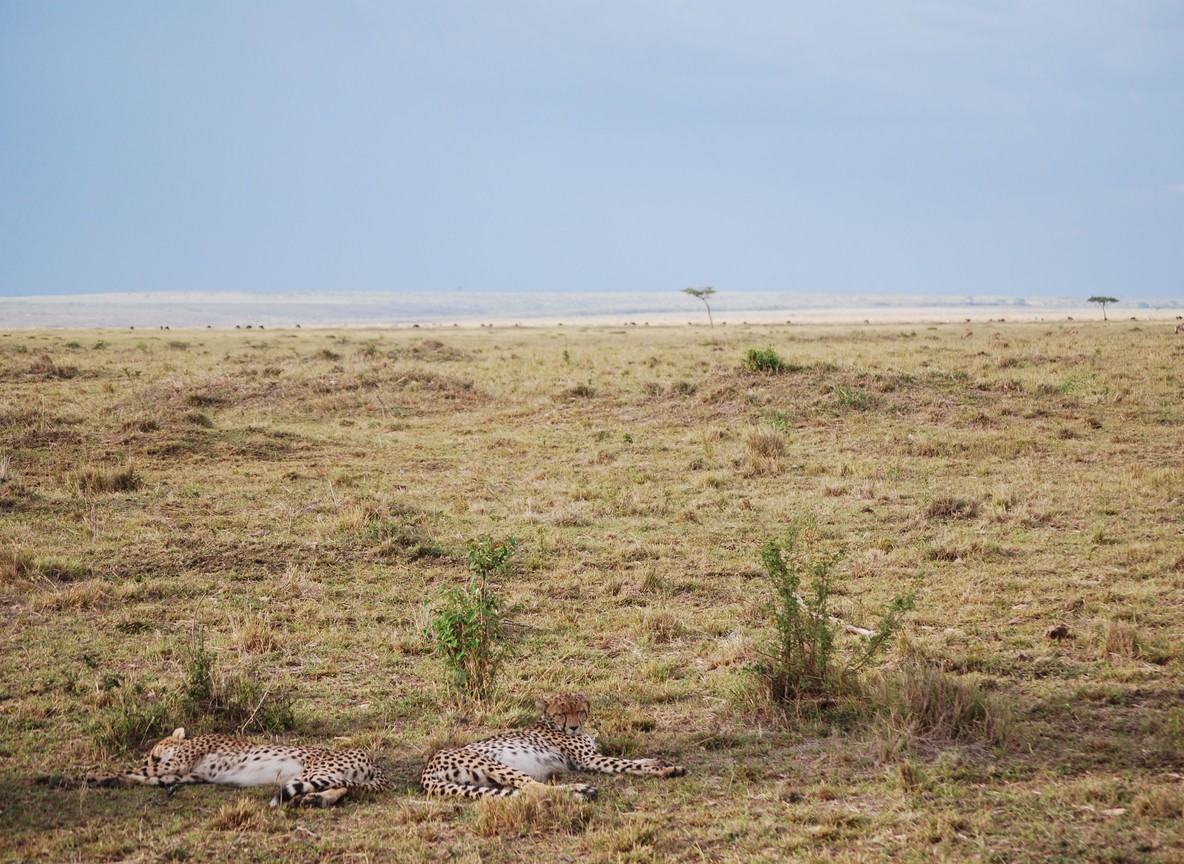
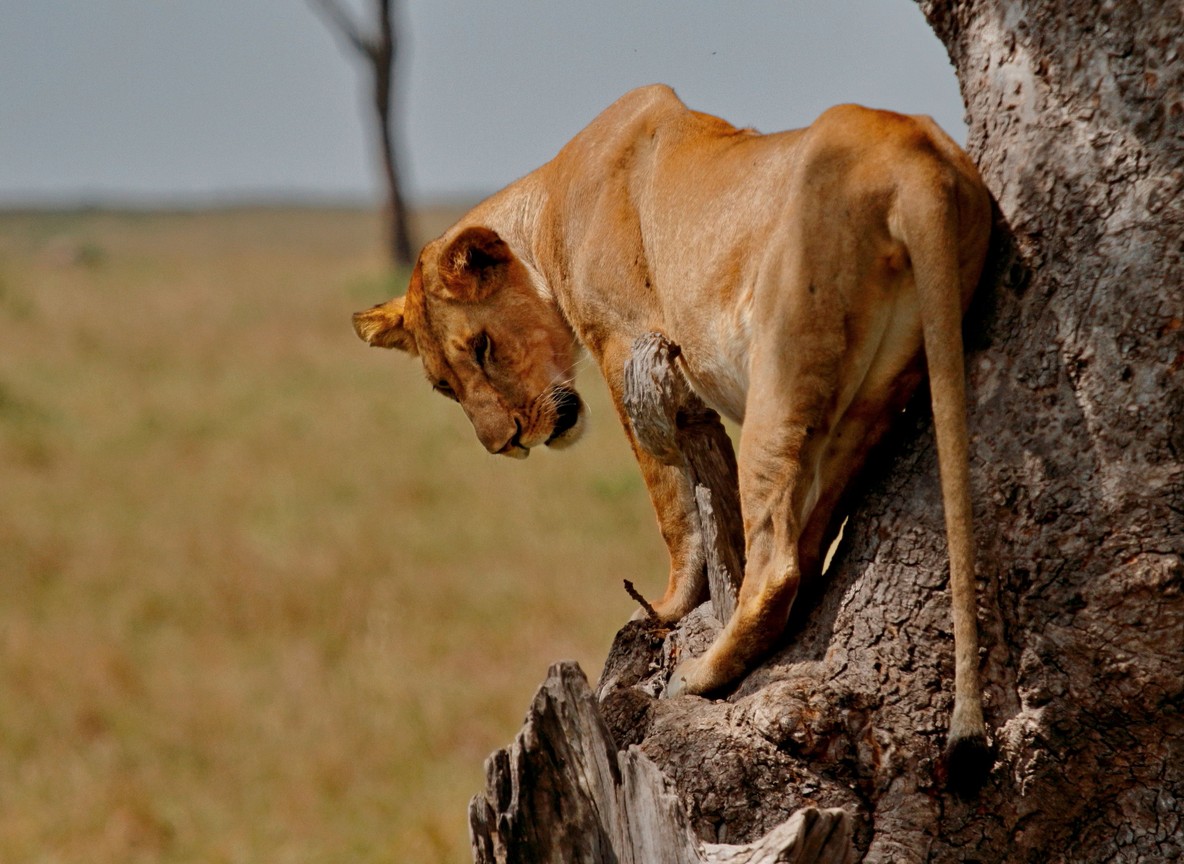
Naboisho’s terrain includes open grassland, seasonal wetlands, and riverine forest corridors. Predators are resident year-round. The conservancy holds lion prides, leopard territories, and regular cheetah activity. Elephant movement through the bush corridors is common, and buffalo herds graze the longer grass areas throughout the year.
Wildlife by Season
July to October: The wildebeest migration brings large herds through the Mara ecosystem. River crossing activity tends to concentrate around the Mara River and Talek River systems rather than deep inside Naboisho, but migration herds do pass through the conservancy’s open plains, and predator activity spikes during this period across the whole ecosystem.
November to February: Post-migration, the conservancy offers good game with fewer visitors. Predator sightings continue, and the short dry period often brings wildlife to waterholes and river areas.
March to June: The long rains green the landscape dramatically. Wildflower plains, excellent bird activity, and a quiet atmosphere characterize this period. Predator activity remains strong. This is the period when conservancy camps often offer their best value rates.
Guide Quality and What It Determines
The guide is the most important variable in a safari. A camp’s location provides the raw material: the guide determines what you find, how long you stay, how well you understand what you are seeing, and whether a sighting becomes a memory. When evaluating any conservancy camp, it is worth asking specifically about guide experience and whether guides are employed permanently by the camp or contracted seasonally.
How Eagle View Compares to Other Maasai Mara Options
The Maasai Mara accommodation decision comes down to a few core variables:
| Factor | Conservancy Camp (Naboisho) | Main Reserve Camp | Outside Reserve |
|---|---|---|---|
| Vehicle density at sightings | Low | High in peak season | Depends on distance |
| Night/early game drive access | Yes | No (restricted hours) | No |
| Wildlife in camp area | Year-round | Year-round | Variable |
| Transfer to sighting areas | Immediate | Immediate | 20-60 min drive |
| Conservancy fee (in addition to park fee) | Yes | Not applicable | Not applicable |
| Atmosphere | Remote, intimate | Varied | Varied |
The conservancy fee is worth understanding before you compare prices. Naboisho charges a daily conservancy fee per person, which goes toward landowner payments, ranger salaries, and conservation infrastructure. This is separate from national park fees and adds to the daily cost of staying inside the conservancy. It is a genuine conservation mechanism, not just a fee layer.
For travelers whose priority is wildlife access, exclusivity, and early morning game drives, a conservancy camp is generally the stronger choice compared to staying outside the reserve and driving in each day.
Practical Planning Notes
Getting there: Most guests reach Mara Naboisho Conservancy either by road from Nairobi (roughly 5 to 6 hours via Narok) or by scheduled light aircraft to Ol Kiombo or Mara North airstrips, followed by a short camp transfer. The fly-in option is significantly faster and removes road fatigue from the beginning of the trip.
How long to stay: Two nights is the practical minimum to get genuine value from a conservancy camp. You need at least three or four drives to cover different terrain and encounter different wildlife. Three nights allows for a full-day drive option and absorbs any weather or early sighting variability.
Migration timing: If your primary reason for visiting is the wildebeest migration, plan around August and September for the highest probability of river crossings near the Mara ecosystem. Camps in Naboisho fill quickly for peak migration dates, and booking six to twelve months ahead is realistic for this period.
Explorer Notes
Eagle View Camp’s elevated position in Naboisho means some drives run along ridgelines with long views over the plains. This topography is worth knowing before you go: it creates particular landscape photography opportunities and allows for sightings of movement at distance that is harder to spot in flatter terrain.
The elephant pepper trees (Warburgia ugandensis) that characterize parts of the Mara ecosystem also appear in sections of Naboisho. These distinctive trees create a specific forest micro-habitat that leopards and forest-edge species use differently from the open plains. A guide who knows the territory will work these areas into the drive route at the right time of day.
Where to Go Next
For broader context on choosing a Maasai Mara camp or conservancy:
- Maasai Mara conservancy comparison guide for a side-by-side of Naboisho, Olare Motorogi, Mara North, and others
- When to visit the Maasai Mara for month-by-month wildlife and weather conditions
- Fly-in vs road transfer to the Mara for logistics and cost comparison
For current availability and package rates at Eagle View Camp, trunktrailssafaris.com lists conservancy camp options with seasonal pricing notes.
If this guide has you ready to travel, a safari specialist can handle the route, camps, and logistics end to end.
Want to Book a Tour With Us?Further reading
More safari planning resources
- Nairobi to Maasai Mara route guide from Valley Safaris
- Great Migration safari collection on FindMySafari
- Wildebeest migration route map from Valley Safaris
- Interactive Maasai Mara map from Valley Safaris
Related guides: Basecamp Wilderness: Understanding the Naboisho Conservancy Advantage.