Cottar’s 1920s Safari Camp sits at the southern edge of the Maasai Mara ecosystem, inside Olderkesi Conservancy, bordering the Serengeti. It is one of a small number of properties in the Mara that can legitimately claim both a distinctive identity and a location that works hard for its guests. This guide breaks down what the camp offers, where it fits in the Maasai Mara accommodation landscape, and who it suits best.
If you are shortlisting camps in the Mara and want a clear, practical view of Cottar’s before making a decision, this is that guide.
Location and Access: Olderkesi Conservancy
Location is usually the biggest single factor in safari satisfaction, and Cottar’s earns points here. Olderkesi Conservancy sits on the southern boundary of the main reserve, bordering Serengeti National Park to the south. This position gives the camp a genuine edge during the Great Migration, when wildebeest columns cross into the Mara from Tanzania – the border proximity means herds sometimes arrive at Cottar’s before they reach more centrally located camps.
Official reserve information is available from the Kenya Wildlife Service.
The conservancy model also matters for how your game drives work. Private conservancy guests are not restricted to the same rules that apply inside the main reserve. Night drives, off-road tracking, and bush walks are all possible here when the conditions and wildlife behavior warrant them. That flexibility changes the character of the game viewing considerably.
Practical access: Most guests fly in via Wilson Airport to the Keekorok or Cottar’s own airstrip, which puts you on the game drive vehicle within minutes of landing. Road transfer from Nairobi is possible but long (approximately six hours on good days) and is generally not recommended given the flight alternative.
The 1920s Identity: What It Actually Means for Your Stay
The “1920s” name is not decorative. The Cottar family has been operating in Kenya since Calvin Cottar arrived in 1919, and the camp is run by his descendants. That lineage informs everything: the canvas wall tents styled after early colonial field camps, the antique safari equipment, the period aesthetic in the communal spaces, and the institutional knowledge that comes from a century of operating in the same landscape.
For guests who care about staying in a property with a genuine story rather than a manufactured brand, that history is meaningful. You are sleeping in tents that deliberately recall the era when Kenya safaris were genuine expeditions.
The camp currently runs a small number of tents – typically nine to ten – which keeps the atmosphere intimate and ensures the staff-to-guest ratio stays high. That ratio shows up in service quality and in guide attention during drives.
Accommodation: Tents, Layout, and Comfort
The tents at Cottar’s are large by any standard. Canvas walls, wooden floors, proper furniture, full en-suite bathrooms, and private verandas looking out over the conservancy. The aesthetic is intentionally period: brass fittings, canvas and wood, minimal synthetic material.
Before booking, confirm:
- Tent layout and bed configuration (some tents have separate children’s rooms, making them suitable for families)
- Hot water schedule (typically solar-heated, reliable in clear weather)
- Power and charging arrangements (solar camp, so windows for charging exist but are not always unlimited)
- Bush camp fire setup and evening arrangements
The communal spaces – dining tent, library, swimming pool, and viewing deck – are set up around the same period aesthetic and work well for socializing between drives. The pool is a genuine addition for midday breaks in the dry season heat. Guests wanting the whole property to themselves have another option entirely: Cottar’s Private Bush Villa, a separate five-bedroom house on a hilltop within the same reserve, sleeping up to ten with its own 25-metre pool, wood-fired hot tub, and dedicated staff of eight, booked as an exclusive-use home rather than individual tents.
Meals and Daily Rhythm
Meals at Cottar’s follow the classic safari schedule: early breakfast before the morning drive, bush breakfast or brunch on return, a full lunch and rest period through the midday heat, afternoon tea before the evening drive, and a late dinner under the stars or in the dining tent.
The kitchen operates to a high standard. Bush breakfasts – eaten in the field at a scenic spot chosen by your guide – are a signature feature and are worth requesting specifically. Full bush dinners in the conservancy, set up away from camp, are available for private groups and are among the more extraordinary meal experiences the camp offers.
Wine and spirits are included in the rates, which matters for total cost calculation on a multi-night stay.
Wildlife Access and Game Drives
What the Conservancy Delivers
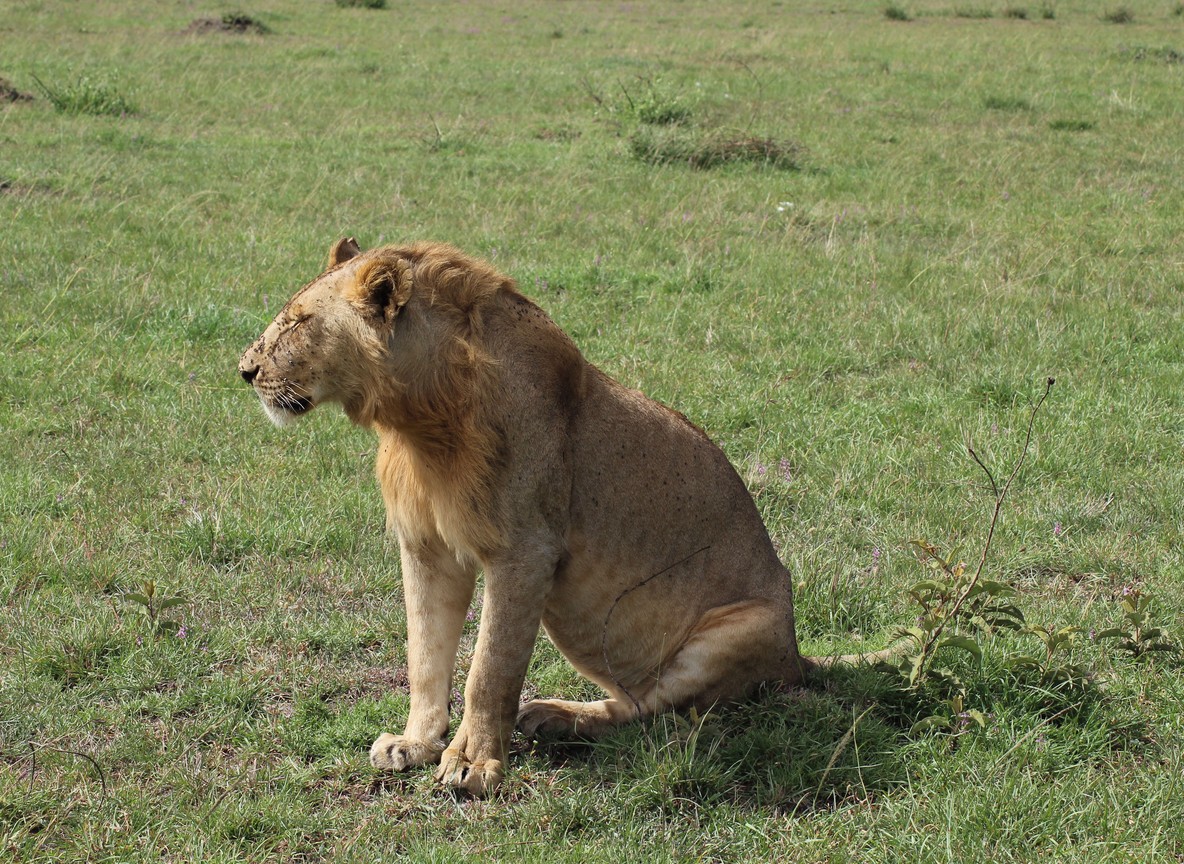
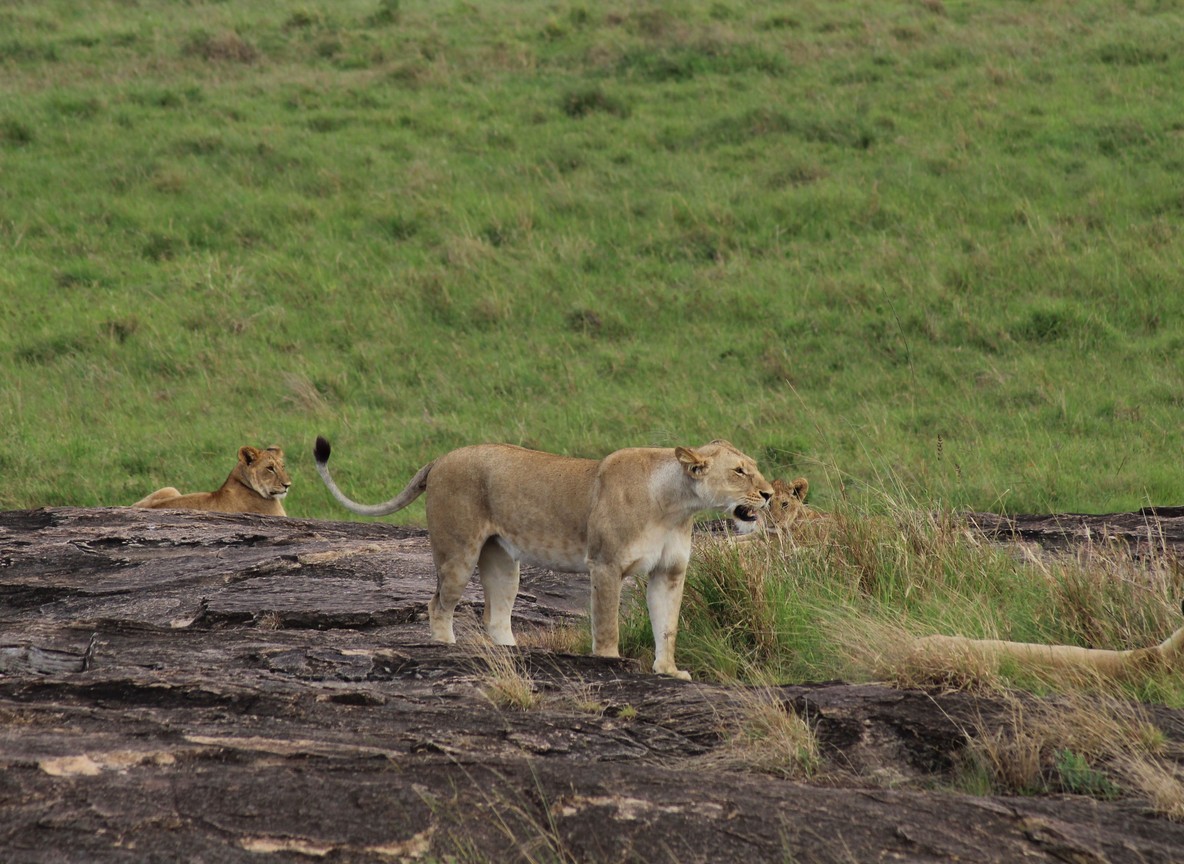
Olderkesi’s southern position creates a specific wildlife character. The conservancy sees strong predator numbers – lion prides that territory across the Serengeti border, cheetah coalitions, leopards using the riverine forest along the drainage lines. Elephant presence is consistent. The resident hippo population in the conservancy’s rivers is reliable.
Game drive flexibility is the real differentiator. Private vehicles per tent is the standard at Cottar’s, meaning your guide follows the animal behavior that interests you specifically rather than managing a mixed group agenda. This is not standard across the Mara – many camps share vehicles among guests who may have different priorities.
Night drives are available in the conservancy (not permitted inside the main reserve) and consistently produce sightings of aardvark, porcupine, springhare, and occasionally predators active after dark.
Migration Season
During July to October, the wildebeest migration floods into the Mara from Tanzania. Olderkesi’s border position means Cottar’s often sees the early arrivals before more northern camps. River crossings on the Mara River require driving into the main reserve, which is entirely possible from this location – Cottar’s guides are familiar with the Mara River crossing sites and can position the vehicle well with advance intelligence.
Outside migration, the conservancy’s resident wildlife is strong enough that the trips during non-peak months still deliver consistently.
Guide Quality
Guide quality at Cottar’s is generally cited as the strongest differentiator by repeat visitors. The family’s long-term relationship with specific guides, some of whom have been with the camp for decades, produces a depth of knowledge that newer properties cannot replicate. Ask whether your guide is a camp-trained naturalist or a general KWS-licensed driver – the distinction matters for the quality of your sighting interpretation.
How Cottar’s Compares to Other Mara Options
| Factor | Cottar’s 1920s | Typical Mara Private Conservancy Camp |
|---|---|---|
| Location | Olderkesi, south boundary | Varies by conservancy |
| Tent number | 9-10 | 8-16 |
| Night drives | Yes (conservancy) | Depends on conservancy |
| Off-road tracking | Yes (conservancy) | Depends on conservancy |
| Rates | Ultra-luxury tier | Mid to ultra |
| Family suitability | Yes (family tent options) | Varies |
| Period identity | Strong | Generic luxury aesthetic |
For broader camp comparisons across the Mara, touringinsights.com has a full breakdown of conservancy accommodation options by location and price tier.
Who This Camp Suits Best
Cottar’s 1920s Safari Camp works well for:
- Honeymooners and couples who want genuine privacy, a meaningful story, and the highest standard of service without the crowd of a larger resort
- Repeat Kenya visitors who have done the standard Mara experience and want a different angle – the border location and period identity offer genuine novelty
- Families using the family tent configuration, particularly those with children old enough to engage with naturalist explanations (typically 8 and above)
- Photography-focused travelers who benefit from the private vehicle model and the guide flexibility to position for light rather than following a shared vehicle schedule
It is less suited to travelers on a tight budget (rates are at the top of the Mara price range), or those who prioritize a large resort feel with multiple on-site entertainment options.
Explorer Notes
Book well ahead for peak months. July to October availability at Cottar’s closes 9 to 12 months ahead. If you have fixed dates in the migration window, start the planning process the year before.
The all-inclusive rate structure simplifies budgeting. Cottar’s rates typically include all meals, drinks, game drives, and most activities. The final per-night cost is high, but the additional spend on arrival is minimal, which makes total trip cost calculation cleaner than at properties where activities are priced separately.
Ask about the Cottar’s Wilderness Trust. The family runs a conservation trust connected to the camp’s operations. Understanding what conservation outcomes your stay funds is worth asking during the booking process.
The 1920s aesthetic is genuine but not a museum piece. The camp is deeply comfortable and fully functional as a modern luxury property. The period identity adds character; it does not create inconvenience.
Conclusion
Cottar’s 1920s Safari Camp earns its reputation on three things: the Olderkesi location that delivers genuine migration positioning and conservancy flexibility, the private vehicle model that personalizes every game drive, and the family history that gives the place a story no recently built property can manufacture.
For travelers who have thought carefully about what they want from a Mara stay and have concluded that intimacy, flexibility, and provenance matter more than property size, Cottar’s consistently delivers.
Next Steps
For planning a Maasai Mara safari around Cottar’s or comparing it with other conservancy options, touringinsights.com covers the full Mara ecosystem in detail. The Kenya Wildlife Service site at kws.go.ke has official reserve regulations and park fee schedules. Direct availability and rate inquiries go to Cottar’s reservations through their official site at cottars.com.
Have questions about this itinerary or destination? Get answers from a safari specialist before you commit.
Inquire MoreFurther reading
More safari planning resources
- Wildebeest migration route map from Valley Safaris
- Great Migration safari collection on FindMySafari
- Family safari collection on FindMySafari
- Nairobi to Maasai Mara route guide from Valley Safaris
Related guides: Cottar’s Mara AI Safari Assistant: What It Actually Does, Cottar’s Raptor Project: Why Vultures and Eagles Matter to Your Masai Mara Safari.