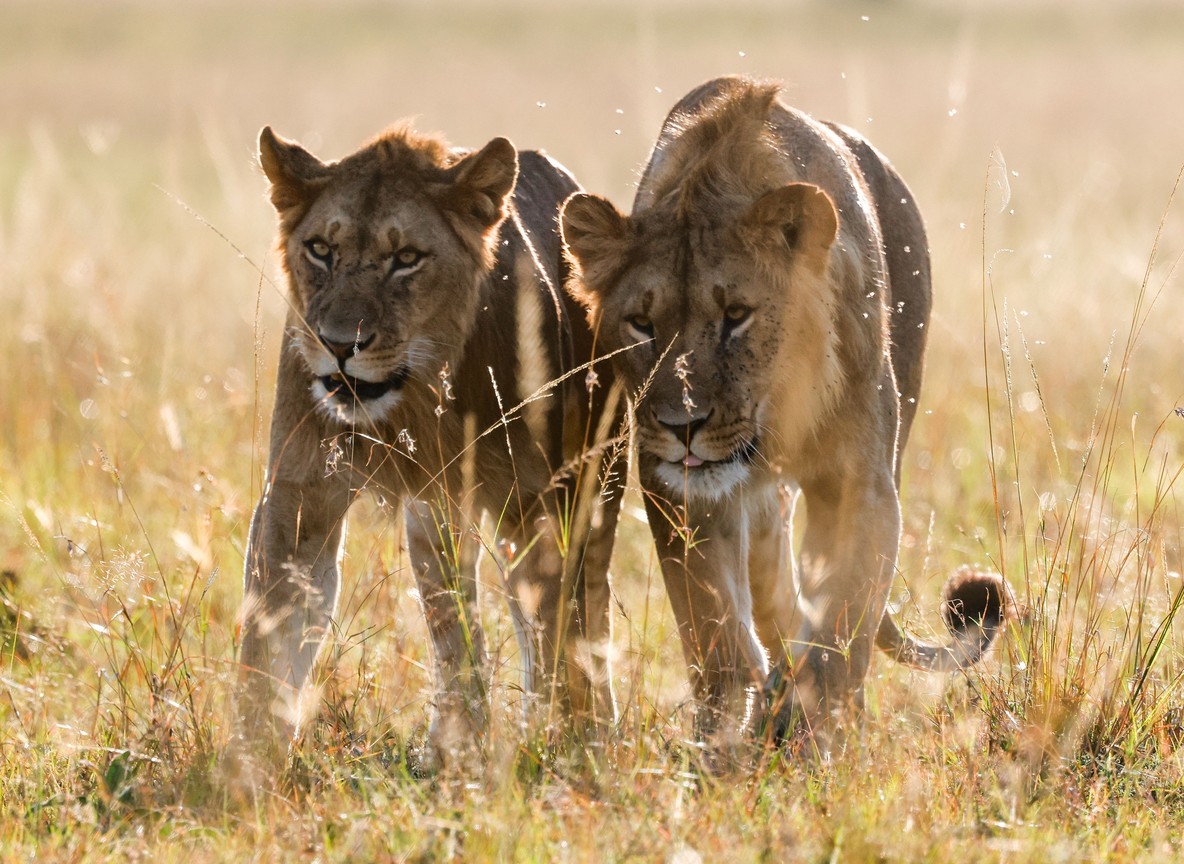
The first question most first-timers ask is whether a real Kenya safari is within reach. Not a day trip to an enclosed reserve but a proper, multi-day game drive through the Masai Mara or Amboseli with wild lion prides, elephant herds, and the actual geography of East Africa stretched out around you.
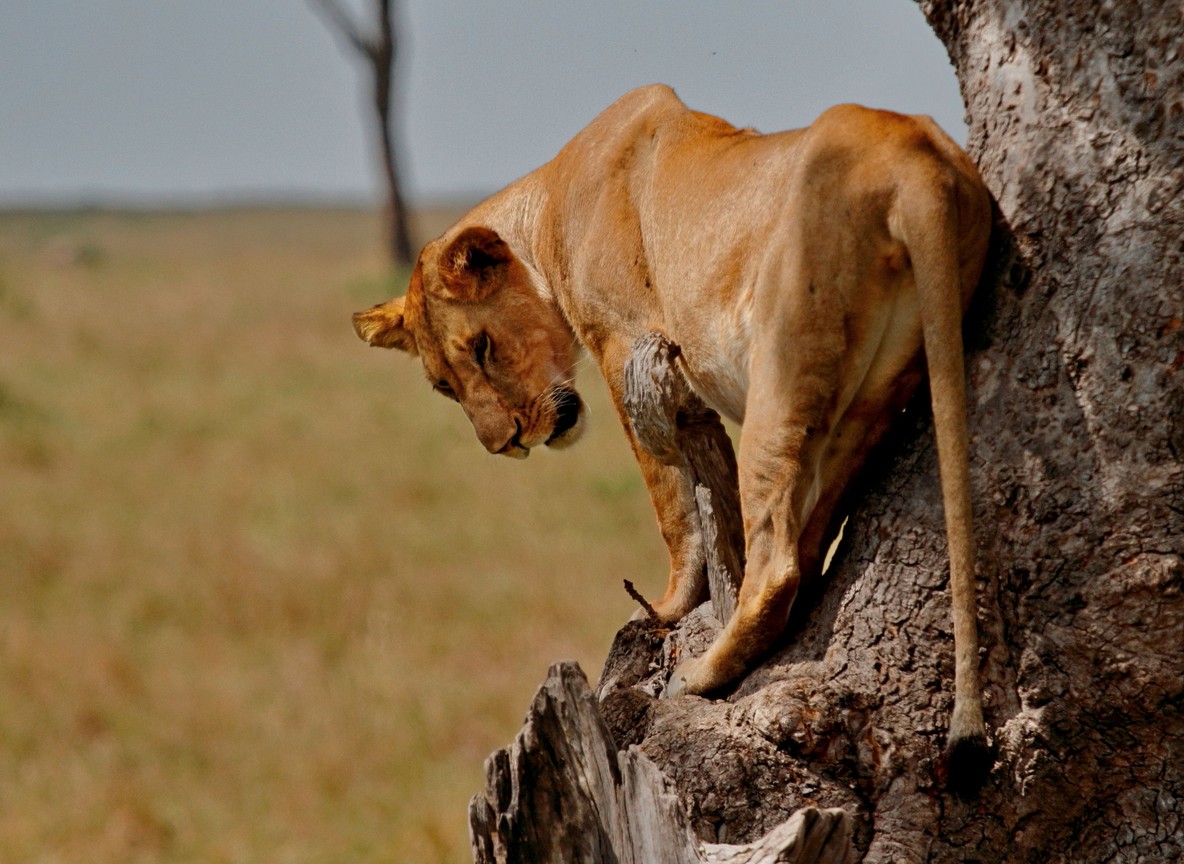
The honest answer in 2026 is yes. Group-joining safaris start from around $180 per person per day. For that rate you get shared vehicle game drives, full-board accommodation at a budget tented camp, park entry fees, and a certified guide. It is not a luxury experience, but it is completely real.
This guide covers how cheap Kenya safaris are structured, which parks give first-timers the best value, how pricing actually breaks down, and what to check when comparing operators.
What a Cheap Kenya Safari Actually Includes
Before comparing prices, you need to know what “budget safari” means in practice, because two operators quoting the same daily rate can deliver very different trips.
A genuine cheap Kenya safari in 2026 typically includes:
- Shared 4×4 vehicle (usually 6 to 8 passengers, Land Cruiser or similar)
- Full-board accommodation: breakfast, lunch, and dinner at a tented camp or budget lodge
- Park entry fees (set by Kenya Wildlife Service and identical regardless of operator)
- A government-licensed safari guide
- Airport or Nairobi hotel pickup and drop-off
What it does not include at the budget tier: private vehicle access, premium lodge upgrades, optional activities such as balloon safaris or night drives, and single-room supplements (budget pricing assumes sharing a twin or double room).
The $180 per day figure represents the group-joining floor for a 3-day/2-night Masai Mara trip with a shared vehicle, tented camp, and full board. Amboseli runs slightly cheaper because the Nairobi drive is shorter and park fees are lower. Samburu adds cost due to transfer distance.
Group-Joining vs Private Safari: The Real Difference
Group-joining safaris, sometimes called shared safaris or join-in tours, are the structural reason budget Kenya safaris exist at the price they do. Instead of reserving your own vehicle, you join a pre-assembled group of up to seven other travelers.
This matters for three reasons.
Cost. Splitting a daily vehicle hire, guide fee, and camp costs across eight people drops the per-head price considerably. The same Land Cruiser that costs $600 per day on a private booking becomes $75 per person on a shared one.
Social experience. For solo travelers and first-timers especially, a shared vehicle often adds something rather than taking it away. You meet people from different countries, swap sighting notes, and share the energy of seeing your first lion together. That is not a lesser experience. It is a different one.
Wildlife access. In most Kenyan parks, all vehicles follow the same game tracks. A budget group vehicle and a $800-per-night private vehicle often end up at the same leopard sighting at the same time. The animal does not check your room rate. The trade-off is flexibility. A private vehicle can stay at a sighting as long as the guests want; a shared vehicle balances the preferences of everyone on board. For most first-timers, this is not a constraint that diminishes the trip.
Best Parks for Budget First-Timers
Not all parks are equal value on a budget. Park fees, transfer distance from Nairobi, accommodation density, and wildlife reliability vary significantly.
| Park | Daily Park Fee (Non-Resident) | Transfer from Nairobi | Wildlife Reliability | Budget Rating |
|---|---|---|---|---|
| Masai Mara | $70/person | 5 to 6 hrs road / 45 min fly-in | Exceptional year-round | Best overall |
| Amboseli | $60/person | 4 hrs road | Excellent for elephants | Best value for money |
| Tsavo East + West | $52/person | 4 to 5 hrs road | Good, vast and wild | Good for road trips |
| Nakuru | $30/person | 2.5 hrs road | Good for rhino and flamingo | Best day-trip value |
| Hell’s Gate | $26/person | 2 hrs road | Limited big game | Walking/cycling add-on |
Park fees are collected by Kenya Wildlife Service (kws.go.ke). They are non-negotiable government charges, identical regardless of operator.
For a first-timer focused on the big five, the Masai Mara is the right park. Wildlife density is the highest in Kenya, guide quality is consistently good, and the tented camp infrastructure for budget travelers is well developed.
Amboseli is the second choice. Lower park fees, spectacular Kilimanjaro backdrops when the skies are clear, and the best close-range elephant viewing in Africa. If the budget is tight and only one park is possible, Amboseli over Nakuru: the wildlife encounter is more memorable.
Tsavo East suits travelers who want raw wilderness with fewer vehicles on the plains. It is less reliable for big cat sightings than the Mara but is a legitimate cheap Kenya safari option for a second trip or a road-trip circuit.
A Real 2026 Cost Breakdown
First-timers often compare headline numbers without understanding what drives the difference between operators. Here is a transparent breakdown of a 3-day/2-night Masai Mara group-joining trip at the budget tier.
| Cost Component | Per Person (Group of 8) |
|---|---|
| 4×4 vehicle hire and fuel | $75 |
| Licensed guide | $25 |
| Park entry fees (2 days) | $140 |
| Tented camp accommodation (2 nights, full board) | $220 |
| Nairobi round-trip transfer | $35 |
| Operator margin and admin | $45 |
| Total | $540 / approx. $180 per day |
Park fees are the largest single fixed cost after accommodation. They are government-mandated and non-negotiable. Any operator quoting significantly below this total is either excluding park fees (read the fine print) or running an unregistered operation, which creates legal risk for travelers.
What to Watch Out For When Booking
This is the section most booking guides skip. Kenya’s safari industry includes excellent operators and a smaller number of low-quality outfits that exploit first-timer price sensitivity.
Check for licensing. Kenya Association of Tour Operators (KATO) and the Tourism Regulatory Authority (TRA) both maintain membership and licensing standards covering guide training, vehicle safety, and insurance. If an operator cannot state their licensing number, treat that as a flag.
Ask for a written itinerary before paying a deposit. A legitimate operator has a day-by-day schedule with named accommodation and a named guide. Vague descriptions such as “we’ll sort accommodation when we arrive” mean either last-minute decisions or no actual booking.
Check vehicle age and maintenance. Budget does not mean broken. A 4×4 older than 15 years without recent service records is a mechanical risk on Kenya’s rural roads. Ask when the vehicle was last serviced.
Get the refund policy in writing. Peak season (July to October for wildebeest migration, December to January) fills group slots months ahead. If you cancel 30 days out, understand what happens to your deposit before you pay it.
Count the actual park days. A “4-day Mara safari” could mean 1.5 days in the park with the rest spent driving. Count the full game-drive days in the itinerary, not the headline number.
What to Pack for a Budget Kenya Safari
Budget travelers often overspend on gear they do not need or skip essentials that matter.
Non-negotiables:
- Neutral-colored clothing (khaki, olive, grey: no white or red in the vehicle)
- Good binoculars (8×42 is the standard for game drive distances)
- Sun hat and SPF 50 sunscreen
- Light fleece or jacket (Mara mornings are cold before 9am even in July)
- Insect repellent with DEET for camp evenings
- Reusable water bottle (camps provide filtered water)
What you do not need: expensive safari-branded clothing, a new camera (your phone covers most sightings adequately), or an elaborate medical kit beyond basic antihistamines and rehydration salts. Keep luggage light: budget camp storage is limited and vehicle space is shared.
Best Time to Book a Cheap Kenya Safari in 2026
Kenya has two dry seasons and two wet seasons. Both dry seasons are the best windows for group-joining safaris.
January to March: Short dry season. Excellent for Amboseli (clearest Kilimanjaro views), good resident wildlife in the Mara, and fewer tourist vehicles than peak season. Smart budget travelers often target this window.
June to October: Long dry season. July to October is the wildebeest migration window for the Mara. Group-joining slots fill 3 to 5 months ahead for this period. If the migration is the goal, book by April.
Avoid November and May: Long and short rainy seasons. Some camps close, and some roads become genuinely impassable for shared vehicles. Not impossible, but not the window a first-timer wants to start learning about Kenya.
The cheapest month for a group-joining safari is February. Migration season prices at the same camp can run 20 to 30 percent higher than shoulder months. Booking February or March gets the same wildlife experience at a lower price point.
Frequently Asked Questions
What is the cheapest Kenya safari you can book in 2026? A 3-day/2-night group-joining Masai Mara safari starts from approximately $540 per person, all-inclusive of park fees, accommodation, meals, guide, and Nairobi transfer. Prices vary by season and operator.
Is a cheap Kenya safari safe? Safety depends on the operator, not the price tier. A licensed operator with a qualified guide, maintained vehicles, and named accommodation is safe at any budget level. Unregistered operators are the risk, not the price point itself.
Can I do a cheap Kenya safari as a solo traveler? Yes. Group-joining safaris are built for solo and pair travelers. Solo room supplements can add $20 to $40 per night at the accommodation end, but the core safari cost remains shared.
What is not included at the budget tier? Optional activities (a balloon safari costs approximately $450 to $500 per person), alcoholic beverages beyond the camp’s standard provision, and guide and camp staff gratuities. Budget $15 to $25 per day for tips as a general guideline.
Do budget safaris actually see the big five? In the Masai Mara and Amboseli, yes. Most 3-day Mara trips produce lion, elephant, buffalo, and often leopard. Rhino sightings require luck even on high-end private trips: they are not guaranteed at any budget level.
Explorer Notes
The best group-joining operators in Kenya share a few common traits: transparent pricing that shows all components before deposit, guaranteed departures that do not depend on hitting a minimum group size, and guides who can produce their current certification on request. These are not luxury indicators. They are professional minimums.
For a more detailed look at what separates conservancy-based camps from standard reserve options at the budget tier, see the conservancy camp vs national reserve camp guide. For planning timing around the wildebeest migration, trunktrailssafaris.com maintains a current migration tracker.
What to Read Next
Once the budget question is answered, the next decision is where to base yourself. The community conservancy vs national reserve safari guide explains what changes based on which part of the Mara ecosystem you stay in. The Africa safari cost comparison guide puts Kenya’s budget options in regional context if you are still deciding between countries.
Turn this reading into a real itinerary with help from a Kenya-based safari team.
Start Planning Your Safari