If Cheetah Tented Camp has appeared in your Masai Mara research, this guide covers what the property actually offers, who it suits, and the questions worth asking before you commit to a booking.
Location is the single most important factor in a tented camp stay. Where a camp sits within the Masai Mara ecosystem determines how your game drives unfold, how much driving time you spend repositioning, and how the daily safari rhythm feels. Cheetah Tented Camp is located within the Masai Mara Game Reserve, which shapes all of the above.
Location and What It Means for Your Safari
Masai Mara Game Reserve positions matter for practical reasons, not just scenic ones. Camps inside or adjacent to the reserve boundary have direct access to the core park, which means less transfer time at the start of each game drive and greater flexibility to respond to radio updates about active sightings.
For official reserve information and current access points, Kenya Wildlife Service maintains the Maasai Mara National Reserve page at kws.go.ke.
Good camp positioning typically means:
- Earlier starts without extended dead travel time
- Reaching active predator zones during first light
- Easier return loops between morning and afternoon drives
- The ability to act on guide radio calls without losing 30 minutes each way
When comparing where to stay in Masai Mara, location within the ecosystem matters more than headline room rates in most cases.
Who Cheetah Tented Camp Suits
Cheetah Tented Camp works as a solid operational base for guests whose priorities are wildlife time and reliable daily logistics. The camp profile fits guests who want:
- A straightforward Masai Mara experience without complex route design
- A camp inside the reserve zone rather than in the surrounding conservancies
- Predictable access to the core park circuit
The trade-off of reserve-based camps versus conservancy camps is worth understanding before booking. Reserve-based stays operate within park gate hours (typically 6am to 6pm or 7pm), all game drives stay on designated tracks, and night drives are not permitted inside the national reserve. Conservancy camps surrounding the reserve offer off-road driving, night drives, and walking safaris, but at higher nightly rates and conservancy fees.
If you want a full breakdown of that decision, the conservancy camp vs national reserve camp guide covers it in detail.
For families, first-time safari travelers, and guests who want the most direct Masai Mara experience without layers of additional planning complexity, a reserve-based camp like Cheetah Tented Camp is a sensible structural choice.
Accommodation and Facilities
Safari camps in the Masai Mara are built around the game drive schedule. Guests leave early, return for meals, and head out again for afternoon activity. That rhythm shapes everything from room design to dining timing.
At Cheetah Tented Camp, the key questions to confirm before booking are:
- Room type and bed configuration (twin, double, or triple options)
- Bathroom setup: en-suite or shared, hot water schedule
- Power and device-charging availability and hours
- Availability of family or interconnecting configurations
Safari tented camps vary considerably in how they handle these basics. Some mid-range camps have fully plumbed en-suite bathrooms with reliable hot water; others use solar-heated bucket shower systems that require timing your wash around the sun’s schedule. Confirming specifics with the camp directly before booking saves surprises on arrival.
Meals at Masai Mara camps typically follow the drive schedule: an early breakfast before the morning game drive, a mid-day meal on return, and dinner after the afternoon drive. The shared dining space at most camps also functions as the social hub where guests compare sightings.
Wildlife Access and Game Drive Performance
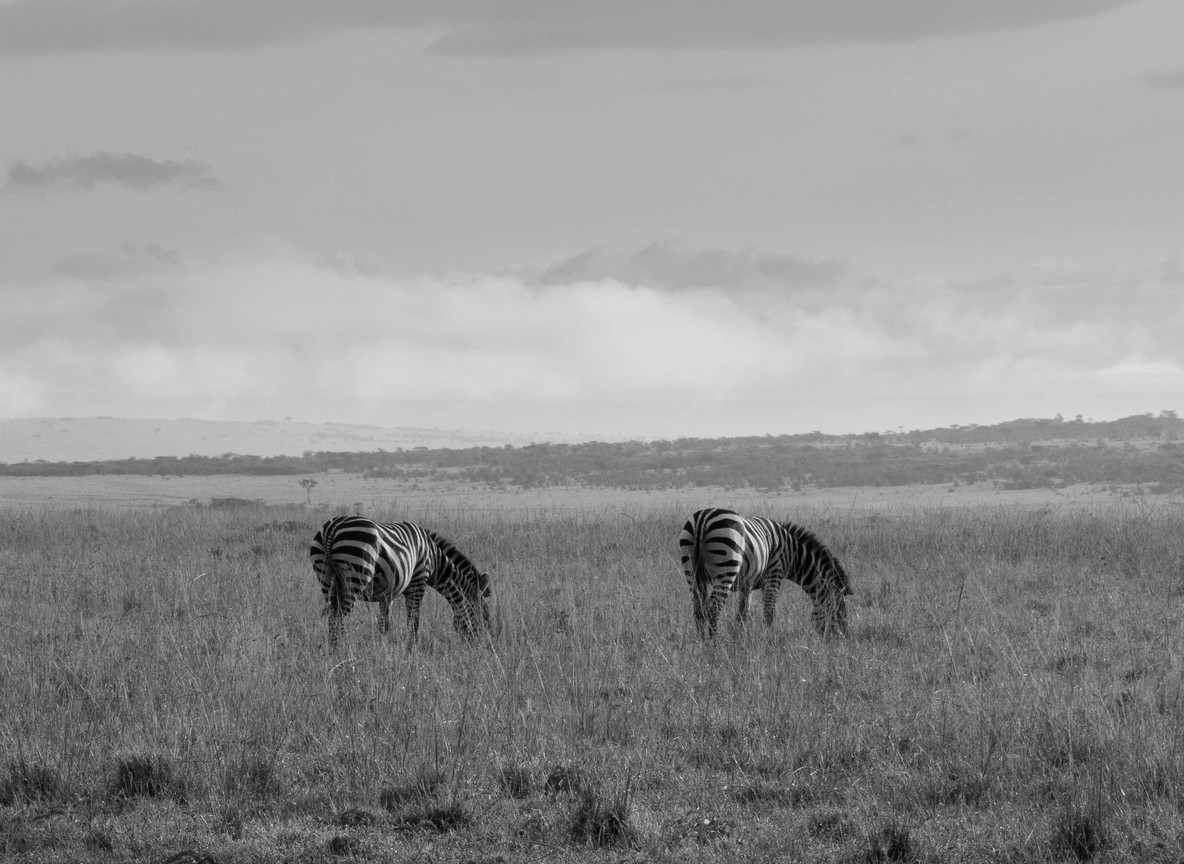
The Masai Mara is Kenya’s most consistent big-game destination year-round. Resident lion prides, cheetah territories, leopard, elephant, buffalo, and the permanent zebra and wildebeest populations make it the default choice for first-time and repeat safari travelers alike.
From a reserve-based camp like Cheetah Tented Camp, typical daily game drive structure looks like:
- Predawn departure to reach active zones at first light
- Morning predator movement tracking (lion hunts, cheetah sprint windows, leopard from trees)
- Return to camp by late morning for a meal and rest
- Afternoon departure around 3pm to 4pm for the golden-hour window
- Return before or at gate-close time
Guide quality is the largest variable in how this plays out. A skilled, well-networked guide who knows current pride locations, water-source activity patterns, and which tracks to prioritize in which season will produce a fundamentally different trip than a less experienced one in the same vehicle. It is worth asking about guide credentials and experience before booking a package that locks in a specific guiding operation.
Seasonal Considerations
The Masai Mara operates year-round. Wildlife is present and observable in every month, but the character of the visit changes with the season.
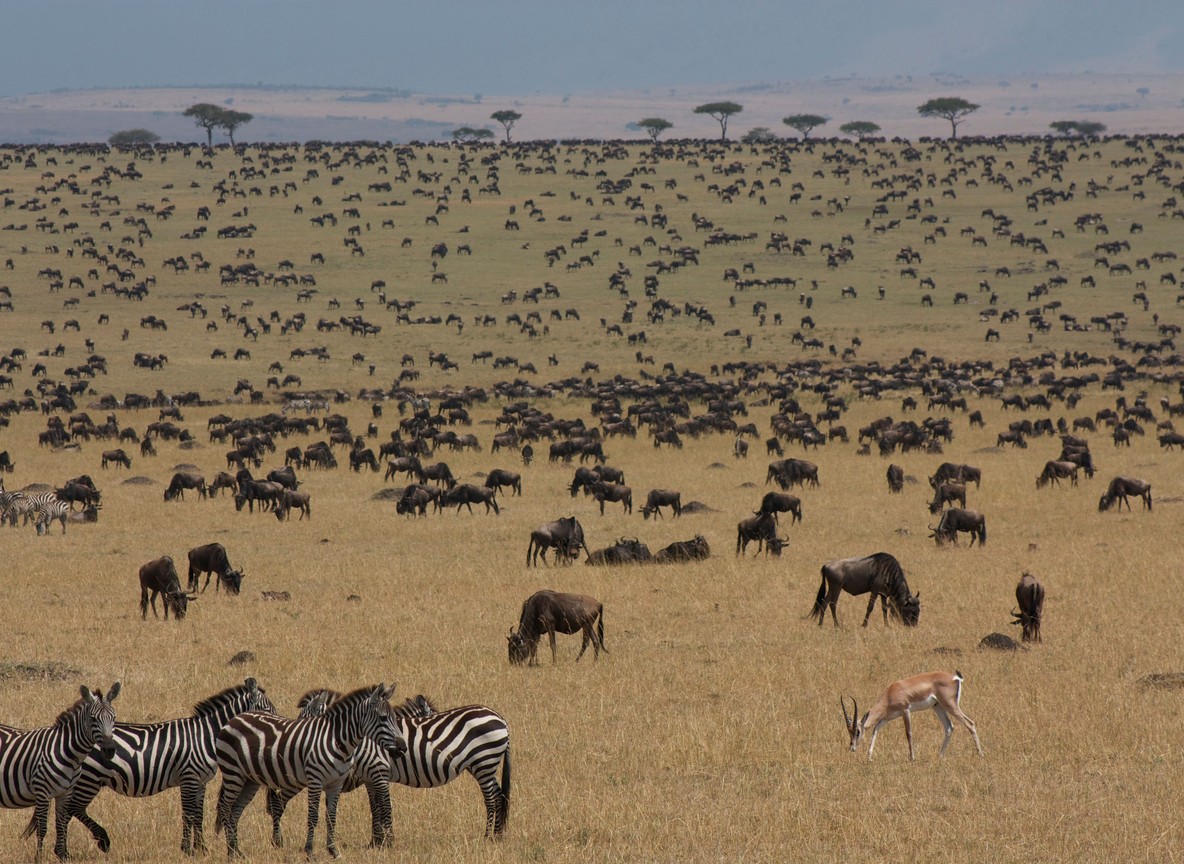
July to October (migration peak): The wildebeest and zebra migration from Tanzania’s Serengeti creates the famous Mara River crossing spectacle during this window. Demand for camps across the Mara is highest in this period, rates are at their peak, and booking early (3 to 6 months ahead) is standard practice.
January to March (short dry season): Resident wildlife is concentrated around water sources, vegetation is lower and sightings are clearer, and visitor numbers drop from migration peak. This is a strong value window.
June: The lead-in to migration season. Migration herds begin arriving in the southern Mara. Rates are slightly lower than peak months, wildlife is building in density, and the green landscape from the long rains is starting to dry out.
April to May and November: Long and short rains respectively. Some camps reduce rates considerably. Birding is exceptional. Road conditions can make some areas harder to access.
How Cheetah Tented Camp Compares to Other Options
Masai Mara accommodation falls into a few broad categories:
Reserve-based camps and lodges: Inside the national reserve boundary or directly adjacent to it. Gate-hours constrain drive timing. Vehicle density at popular sightings is higher during peak season. Entry fees go to Narok County Council.
Conservancy camps: On community-leased land surrounding the reserve. Off-road driving permitted, night drives and walking safaris available, lower vehicle density per conservancy, higher nightly rates. Conservancy fees fund Maasai landowner lease payments directly.
Budget campsites: Lower cost, often near reserve gates. Shared facilities, less infrastructure, but access to the same game drive territory.
For travelers prioritizing exclusivity, night drives, and off-road vehicle positioning, a conservancy camp is the stronger choice. For travelers who want a clean, uncomplicated Masai Mara base with reliable reserve access, a reserve-based camp covers the brief.
For a broader Masai Mara accommodation comparison, trunktrailssafaris.com maintains a current guide with on-ground notes from Nairobi-based operators who inspect these properties regularly.
Explorer Notes
A few practical points for Masai Mara camp bookings in general:
Confirm what is included in the quoted rate: some camps quote room-only or bed-and-breakfast, while others quote full-board all-inclusive with game drives. The difference matters significantly for total trip budgeting.
Ask about game drive vehicle type and configuration. Open-sided safari vehicles with pop-up roofs give better photographic access than closed minivans. The difference matters most for photography, less so for the general sighting experience.
If you are booking Masai Mara for the first time and the wildebeest migration is not your primary goal, consider whether a shoulder month offers better value without meaningfully reducing the wildlife encounter. Resident big cats and elephants are present throughout the year.
What to Read Next
For the structural decision between staying inside the reserve versus the surrounding conservancies, the conservancy camp vs national reserve camp comparison is the most useful starting point. The community conservancy vs national reserve guide explains the revenue and conservation models behind each option.
For information on fly-in access to the Masai Mara airstrips, see the charter flight vs scheduled bush flight guide.
Have questions about this itinerary or destination? Get answers from a safari specialist before you commit.
Inquire MoreFurther reading
More safari planning resources
- Interactive Maasai Mara map from Valley Safaris
- Masai Mara destination guide on FindMySafari
- Nairobi to Maasai Mara route guide from Valley Safaris
- Wildebeest migration route map from Valley Safaris
Related guides: Azure Mara Haven Hotel: A Practical Guide for Travelers, Osero Camp: A Practical Guide for Maasai Mara Safari Planning.