The Maasai Mara National Reserve is one of those destinations that can be over-familiar in the imagination and still overwhelming in reality. Readers often arrive with a set of iconic images already in mind: open grassland, river crossings, lions on termite mounds, acacia silhouettes at dusk. Those images are not wrong. What they miss is how much ecological and geographical structure lies behind them. The Mara is not only famous because wildlife is abundant. It is famous because the ecosystem makes wildlife visible in unusual ways.

This guide looks at the Mara as more than a safari shorthand. It explains why the reserve matters, how the Great Migration actually works, what the Mara Triangle and surrounding conservancies change about the experience, and why the ecosystem remains so central to East African wildlife travel.
Why the Mara Matters
The Mara matters because it combines density, openness, and narrative power better than most wildlife destinations. Readers do not only see animals here. They often see behavior unfolding at scale. Predation, herding, movement, scavenging, territoriality, and migration all become easier to follow when the landscape itself is open enough to reveal them.
That is one reason the reserve feels so immediate. The land does not hide much.
The Great Migration: What It Really Is
Great Migration Maasai Mara often gets reduced to a single spectacle: wildebeest plunging through a river while crocodiles wait below. That image is real, but it can distort the ecological story if treated as the whole event.
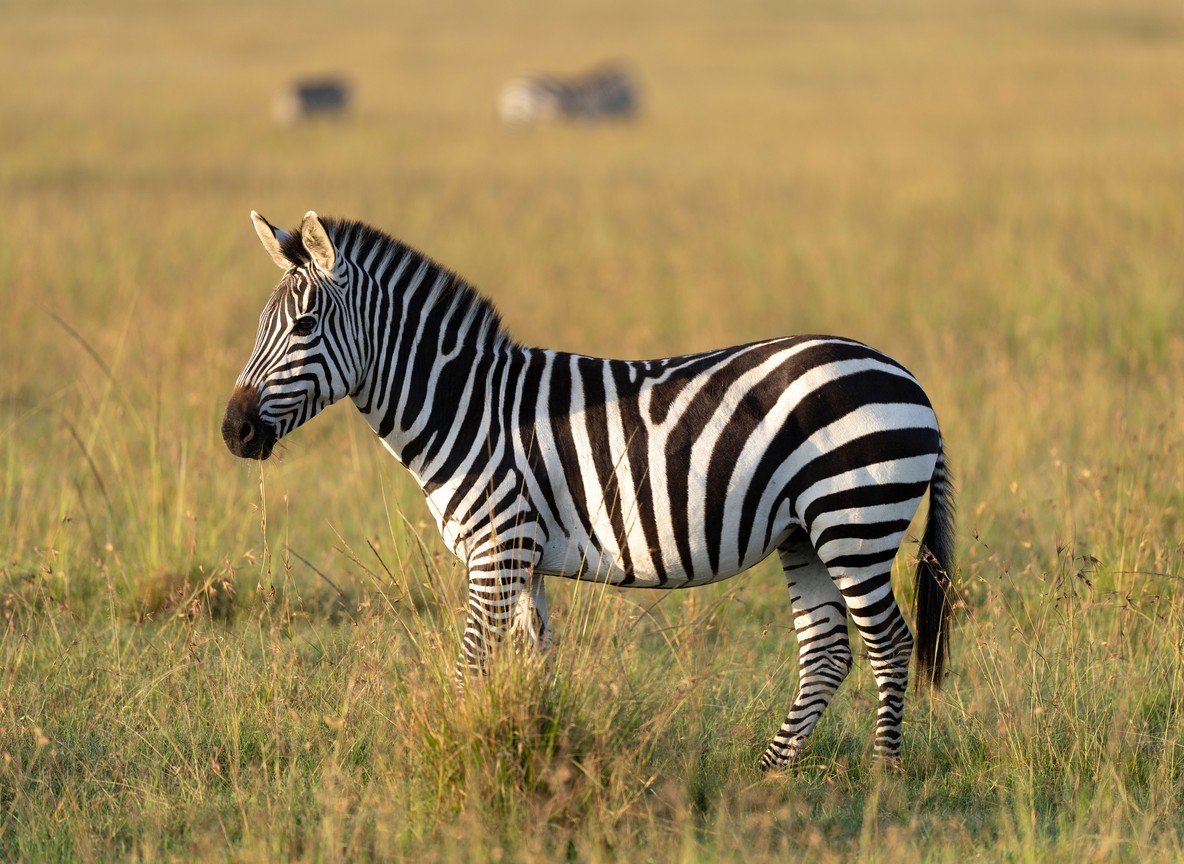
The migration is better understood as a grass-driven system of movement. Wildebeest, zebra, and other grazers respond to changing forage quality and rainfall across the larger Serengeti-Mara ecosystem. River crossings are only one dramatic bottleneck within that bigger cycle, which is why the dedicated Mara River wildebeest crossing guide is useful as a narrower companion read.
Readers who understand this tend to appreciate the Mara more fully because they stop looking only for the crossing and start seeing the ecosystem as a moving nutritional landscape.
Why Crossings Happen
Crossings happen because the herds are trying to reach better conditions, not because the river itself is the attraction. This matters for expectation-setting. A crossing is an event inside a much larger movement logic, which is why no one can honestly guarantee its timing.
Why the Migration Matters Ecologically
The migration is not only visually spectacular. It helps maintain the system. Grazing pressure, dung deposition, and movement all contribute to the wider ecological functioning of the plains. Readers often remember the drama first, but the deeper story is one of recurring ecosystem renewal.
Wildlife Beyond the Migration
The Mara remains one of Africa’s most compelling wildlife destinations even outside peak migration imagery. That matters because many readers over-focus on one seasonal event and underestimate the strength of the park across the rest of the year.
The reserve is especially known for:
- lion density and visibility
- strong cheetah and leopard potential
- classic plains-game observation
- an overall feeling of wildlife legibility because of open topography
This is what makes the Mara such a powerful first safari destination. It often allows readers to understand predator-prey dynamics more clearly than denser or more visually obstructed parks.
The Mara Triangle
Mara Triangle is one of the distinctions readers should understand before treating the whole reserve as one undifferentiated experience. Different sections of the wider ecosystem are managed differently and feel different on the ground, as explored in the separate Mara Triangle comparison guide.
For readers, the importance of this distinction usually comes down to:
- traffic levels
- road quality
- wildlife-viewing atmosphere
- how tightly regulated the experience feels
The Triangle often matters most to readers who want a stronger sense of order and a somewhat different game-drive rhythm from the more heavily trafficked sectors.
Conservancies Around the Reserve
One of the most important parts of the Mara story sits outside the central reserve itself. The surrounding conservancies have changed the way many readers now experience the ecosystem.
Their significance is not only about visitor exclusivity. It is also about land-use structure, wildlife corridor protection, and how community-linked conservation is organized around the reserve edges. Readers thinking practically about where to stay often pair this overview with the Best Camps and Lodges in the Maasai Mara guide.
For travelers, conservancies often mean:
- lower vehicle density
- different activity permissions depending on rules
- more intimate camp atmosphere
- a stronger sense that the wildlife area extends beyond the reserve line itself
This matters because the Mara is not ecologically meaningful only inside formal reserve borders.
Wildlife Viewing Style in the Mara
One reason readers often find the Mara so memorable is that the reserve supports a particular style of viewing. The land allows wide scanning. The eye adjusts quickly. Readers can follow movement from much farther away than in denser bush systems.
This affects:
- predator sightings
- photography
- the reading of hunts and herd movement
- the sense of openness that defines East African safari in the public imagination
The park is not only rich in wildlife. It is rich in visibility.
Best Time to Visit
Best time Maasai Mara questions usually need to be answered through traveler priorities rather than through a single perfect month.
Migration Season
Readers drawn by the river-crossing image usually focus on the migration months. That can make sense, but it also brings higher demand and different crowd patterns.
Green Season
The greener months can be especially rewarding for readers who care about atmosphere, lower vehicle density, and a softer visual palette. Wildlife does not disappear outside peak season. The reserve simply changes mood.
This is why the best time to visit is not one answer. It depends on whether the reader values migration drama, photography, fewer vehicles, greener scenery, or a more flexible itinerary. For a broader planning frame, this article also sits well beside the general guide to Kenya safaris.
Practical Reader Expectations
The most useful way to approach the Mara is with a few clear expectations:
- it is world-famous for valid reasons
- some sectors feel busier than others
- the migration should be understood ecologically, not only theatrically
- the wider ecosystem includes reserve and conservancy dynamics
- the destination is strong even outside its most famous season
Readers who arrive with those assumptions usually get more from the reserve than those who come chasing a single image alone.
Explorer Notes
- The Mara’s main strength is not only wildlife density, but visibility.
- River crossings are one chapter in the migration, not the whole story.
- The reserve and the surrounding conservancies should be understood together.
- The Mara Triangle matters because management structure changes visitor experience.
- The park remains compelling even outside migration-season marketing.
Frequently Asked Questions
Is the Maasai Mara only worth visiting during the Great Migration?
No. The reserve is one of Africa’s strongest wildlife destinations year-round.
What is the Mara Triangle?
It is a distinct western sector of the wider Mara system with its own management structure and visitor feel.
Are the conservancies separate from the reserve?
Yes, though ecologically they are part of the broader Mara ecosystem.
Why is the Mara so good for big cats?
Open terrain, prey abundance, and strong ecosystem productivity all contribute.
How long should readers spend in the Mara?
Usually several days if they want the reserve to feel like more than a single high-impact game-drive stop.
Conclusion
The Maasai Mara National Reserve remains central to African safari imagination because it allows wildlife to be seen not only as isolated sightings, but as part of a living, legible system. The migration gives it global drama, but the reserve’s deeper strength lies in openness, predator-prey visibility, conservancy-linked geography, and ecological continuity with the wider Serengeti-Mara world.
That is what makes the destination endure. It is not only iconic. It is structurally excellent at showing readers how a great wildlife ecosystem actually works.
Turn this reading into a real itinerary with help from a Kenya-based safari team.
Start Planning Your Safari