The mara river wildebeest crossing is one of those wildlife events that can feel almost too cinematic to be real. Herds gather for hours, the river looks deceptively still, crocodiles wait below the muddy current, and then a single surge of panic or momentum turns hesitation into motion. Thousands of animals begin pouring into the water at once. For many readers, this is the defining image of the Great Migration in Kenya.
That image is accurate, but it can also be misleading if treated as the whole story. The crossing is not a scheduled performance. It is a risky bottleneck inside a much larger ecological system driven by grass, rainfall, herd pressure, and seasonal movement between the Serengeti and the Mara. This guide explains what the crossing really is, when it tends to happen, why it is so difficult to predict, and how to think about it as both spectacle and ecology. Readers who want the wider reserve picture first can start with the wider Maasai Mara guide.
What the Great Migration Actually Is
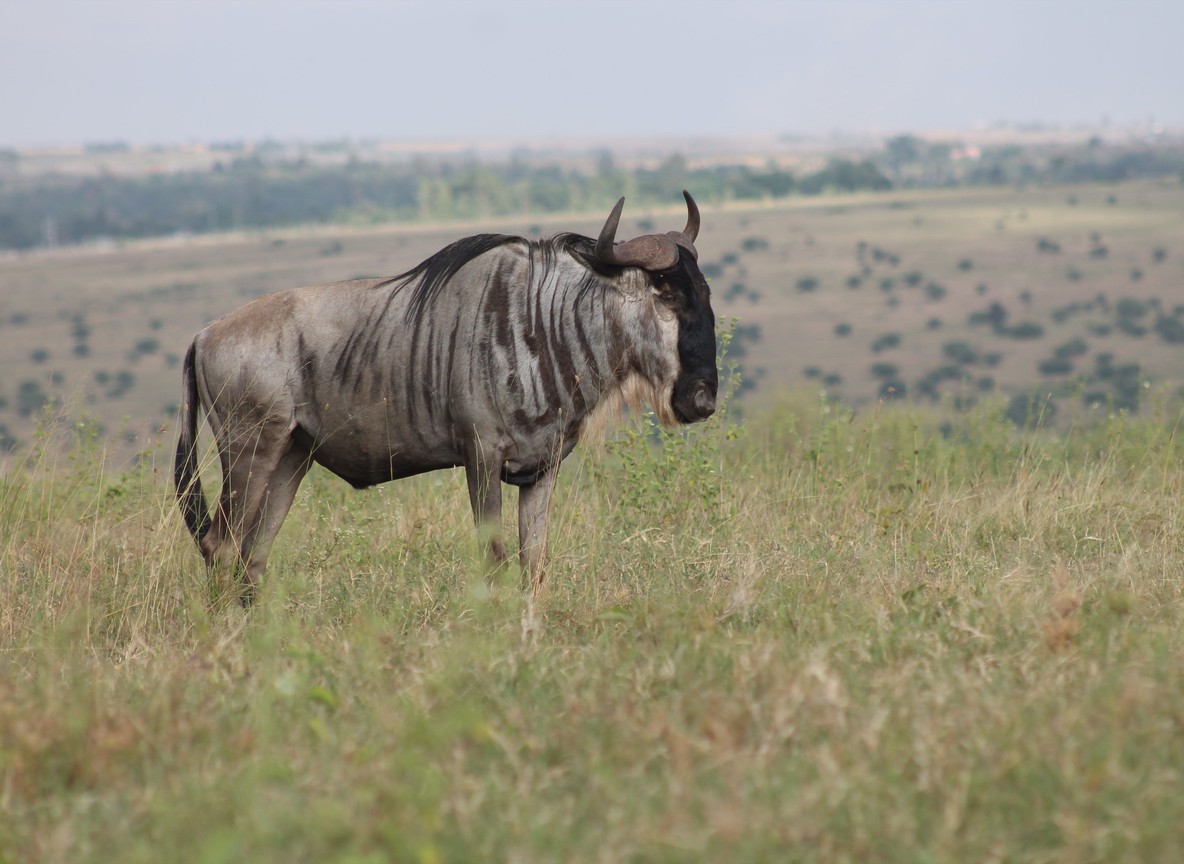
The migration is an annual circulation of wildebeest, zebra, and gazelle through the wider Serengeti-Mara ecosystem. Readers often focus on the river moment because it is visually overwhelming, but the real engine of the movement is forage quality. The herds are following fresh grazing conditions created by shifting rainfall patterns. For readers comparing where crossings are most often discussed within the reserve, the Mara Triangle comparison guide adds useful context.
That matters because the river crossing only makes sense inside that broader loop.
The main components of the system include:
- very large wildebeest herds moving in seasonal waves
- zebra and gazelle traveling within the same wider movement cycle
- repeated crossings of major rivers as the animals push toward better grazing
- predator pressure that intensifies wherever the migration concentrates
The great migration kenya story is therefore not only about drama. It is about a giant grassland system forcing movement at scale.
Why the Mara River Crossing Matters So Much
Readers remember the crossing because it compresses the logic of the whole migration into one visible scene. The animals need to move, but the river creates a barrier that can delay or disrupt that movement. At the bank, all the larger ecological forces become visible at once:
- herd tension
- fear and hesitation
- predator risk
- current strength
- steep entry and exit points
- the pressure of numbers pushing from behind
This is why the mara river crossing feels so charged. It is not just about one animal entering the water. It is about thousands reaching the same decision point under stress.
When Crossings Usually Happen
The most talked-about period for a wildebeest crossing in Kenya is usually from July into October, though exact timing shifts from year to year. Readers should treat this as a season of heightened probability, not as a guarantee written into the calendar.
July
July often brings the first serious northern movement into the Mara system. Early crossings can happen, but not every herd arrival immediately becomes a major river event. This is a transitional period when anticipation rises quickly.
August
August is commonly treated as the core month for major crossings. Large herd concentrations, repeated attempts, and crowded riverbanks often define the period. It is the month most closely associated with the classic migration image.
September
September can still be extremely strong, especially when animals remain spread across the Mara ecosystem and continue using key crossing points. The mood may differ from August, but the wildlife intensity remains high.
October
October is often more variable. Some years still produce notable river action, while herd movement becomes less consistent as broader seasonal conditions shift again.
The practical lesson is simple: readers should think in terms of a migration window rather than a perfect crossing day.
Why a Crossing Cannot Be Predicted Exactly
One of the most important things to understand about the mara river wildebeest crossing is that a herd can appear ready for hours and still refuse to enter the water. Animals gather, compress, edge forward, retreat, and circle back. The visible tension can build for a very long time before anything finally happens.
Crossing behavior is affected by:
- bank steepness and footing
- current speed and water level
- predator presence
- herd density behind the front ranks
- wind, noise, and disturbance
- the unpredictable behavior of the animals themselves
This is why experienced observers often say that waiting is part of the event, not a delay before the event. The suspense on the bank is central to the experience.
What the Build-Up Feels Like
Before a crossing begins, the riverbank becomes a study in hesitation. The herd masses in uneven layers. Animals move forward, then backward. Zebra sometimes appear to test the edge first. Dust hangs in the air. Communication seems to ripple through the group without any visible leader directing it.
For readers trying to imagine the scene, the key detail is scale. The sound is often present before the movement is. Hooves grind the bank. Bodies press together. The waiting itself becomes physically noisy.
This is also why the crossing feels psychologically intense even before a single animal enters the water. The whole landscape seems to tense.
What Happens During the Crossing
Once momentum finally breaks the hesitation, the crossing accelerates fast. Animals hit the water in columns, scramble against one another, and try to maintain footing in mud and current. Some groups cut diagonally. Others plunge almost straight across. The surface can disappear beneath moving bodies.
The crossing is often remembered for three simultaneous elements:
- the force of the herd entering at speed
- the unstable churn of water and mud
- the chaotic effort to climb the far bank
Many readers imagine the danger as being centered only in the middle of the river. In reality, the entire sequence matters. Entry points can be steep, current can break group formation, and exit points can become deadly bottlenecks when animals pile up.
Crocodiles and Other Risks
The crocodiles of the Mara River are part of what makes the crossing so stark, but they are not the only danger. Drowning, trampling, confusion, and exhaustion also shape the outcome. That wider risk profile matters because it helps readers understand the event as more than predator spectacle.
Still, crocodiles remain one of the defining presences of the river system. They often wait near known crossing channels and especially near difficult exits. Their role reinforces a basic truth of migration ecology: bottlenecks attract predators because the herds have fewer safe options.
For readers, this is often the hardest part of the scene to process. The crossing is extraordinary, but it is not sanitized. It is one of the clearest examples of how migration turns movement itself into a survival test.
Best Areas for Viewing in the Mara System
The Mara River is long, and crossing points shift with season, water level, bank condition, and herd behavior. Readers who speak about “the crossing” as though it happens in one fixed place are usually flattening a more complex geography.
Important viewing logic includes:
- northern sectors where herd pressure can build near established routes
- central zones with broad visibility and repeated historical crossing use
- southern approaches where early season movement enters from the Serengeti side
This is one reason the wider Maasai Mara migration experience can feel so different depending on where a reader is based. Positioning within the ecosystem matters.
Why the Crossing Is Also an Ecological Story
The visual drama of the river can overshadow the ecological significance of the migration itself. Yet the movement of these herds helps sustain one of the most famous grassland systems in Africa. Grazing pressure, nutrient cycling, trampling, and repeated movement all play roles in how the ecosystem functions.
Readers who understand this tend to see the crossing differently. It becomes more than a bucket-list sighting. It becomes a visible stress point in a system that is constantly renewing itself through motion.
The river scene is dramatic because the stakes are real, but the deeper significance lies in what the movement supports across the whole landscape.
How to Think About Timing Expectations
Readers often ask for the single best time mara river crossing answer, but expectation-setting matters more than month-ranking. A useful mindset is:
- go during the migration window, not for a guaranteed minute
- understand that a long wait can still be part of a successful day
- treat the whole river environment as meaningful, not only the plunge moment
- remember that herd behavior, not human schedules, controls the event
That shift in framing usually leads to a better experience. It moves the reader away from “Did the scene happen exactly on cue?” and toward “Did I spend time inside one of the world’s most dynamic wildlife systems?” Readers trying to decide whether migration timing should shape the whole safari can also compare this with the broader Safaris in Kenya guide and the best camps and lodges in the Maasai Mara guide.
Explorer Notes
- The crossing is one dramatic bottleneck inside a much larger migration loop.
- July to October is best understood as a probability window, not a promise.
- Waiting on the bank is part of the event, not wasted time.
- Crocodiles matter, but so do current, footing, panic, and herd pressure.
- The ecological significance of the migration is broader than the river spectacle.
Frequently Asked Questions
When is the best time to see the Mara River wildebeest crossing?
Usually July through October offers the highest likelihood, with August and September often drawing the most attention.
Can a crossing be guaranteed?
No. The event depends on herd behavior and river conditions, which remain inherently unpredictable.
Is the crossing the whole Great Migration?
No. It is one concentrated and dramatic moment within a much larger ecological movement across the Serengeti-Mara system.
Are crocodiles the only danger during a crossing?
No. Drowning, trampling, steep banks, exhaustion, and confusion are also major risks.
Why do some readers wait hours and see nothing happen?
Because herds can gather at the bank for a long time and still decide not to enter the water.
Conclusion
The mara river wildebeest crossing endures in the imagination because it reveals migration at its most compressed and dangerous. Herd logic, fear, momentum, river geography, and predator pressure all become visible in one place. That is why the scene feels larger than ordinary wildlife viewing. It does not simply show animals moving. It shows an ecosystem forcing a decision.
Readers who understand the crossing in that wider context usually come away with a richer picture of the Great Migration. The plunge into the river is unforgettable, but the deeper story lies in the seasonal movement that made that moment necessary in the first place.
Every trip described here can be tailored: dates, budget, camps, and pace built around you.
Get a Personalised Safari