&Beyond Bataleur Camp occupies a private concession within the Maasai Mara ecosystem. The private concession model is the core of what distinguishes this property from camps positioned inside the national reserve: vehicles can leave the road network, drives can run at night, and wildlife encounters happen without other camps’ vehicles appearing at the same sighting.
This guide covers what the camp offers, who it suits, and what to think about when weighing it against other Maasai Mara options.
The Private Concession Difference
The Maasai Mara National Reserve operates on shared access. Any licensed vehicle from any camp can enter through the same gates and drive the same tracks. During peak migration season, that means vehicle congestion at popular sightings. It also means your guide has to balance wildlife tracking with avoiding situations where six vehicles are arranged around the same predator.
A private concession removes that variable. &Beyond Bataleur Camp’s concession area is not open to vehicles from other operators. Your guide works a circuit where the only other vehicles present are from the same camp. Drives can begin before the gates open on the main reserve. Night drives, which are prohibited inside the national reserve, run regularly within the concession. Off-road driving is permitted, allowing vehicles to position properly rather than following established tracks.
These are meaningful differences, not marketing language. They change what is possible on a game drive.
Location and Terrain
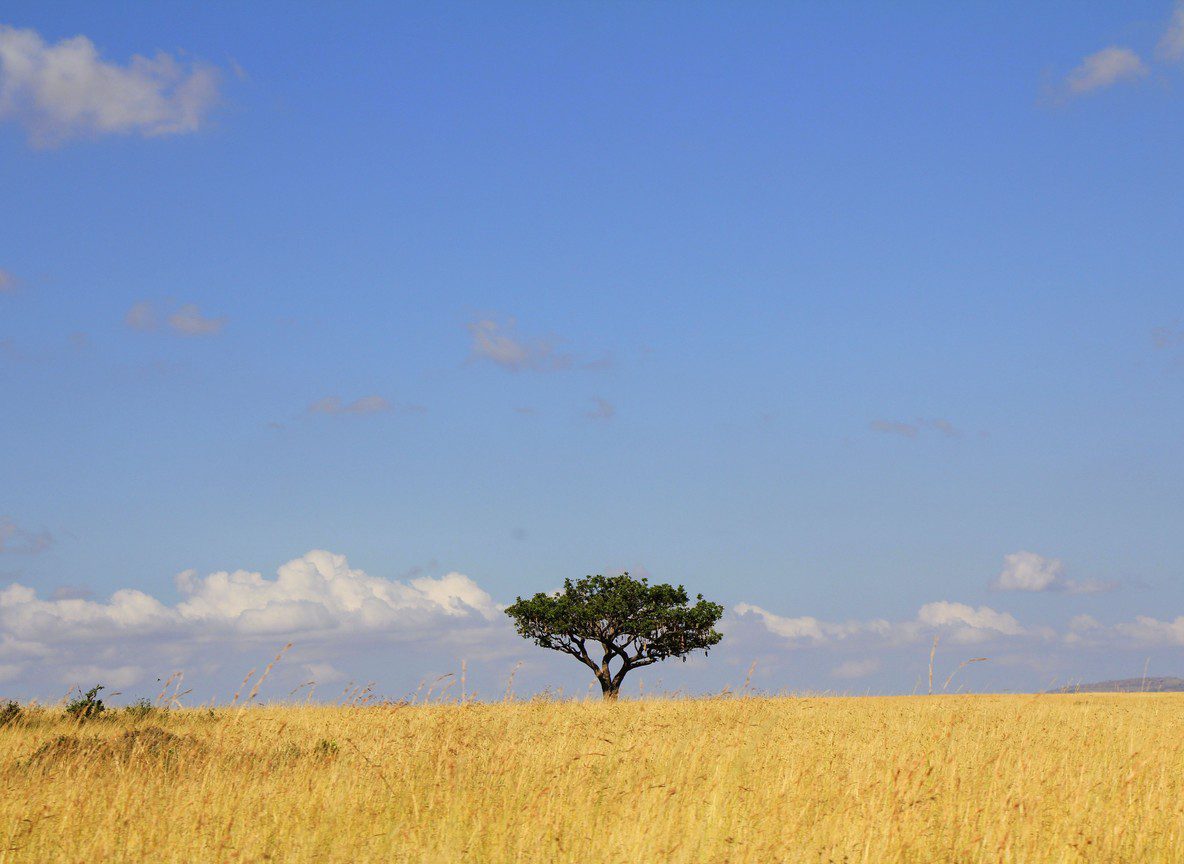
The camp sits within the broader Maasai Mara ecosystem but in its private concession section rather than inside the national reserve boundary. The surrounding terrain is open savannah typical of the wider Mara grassland system, with wildlife movement that includes animals crossing between the conservancy and the reserve depending on season and resource availability.
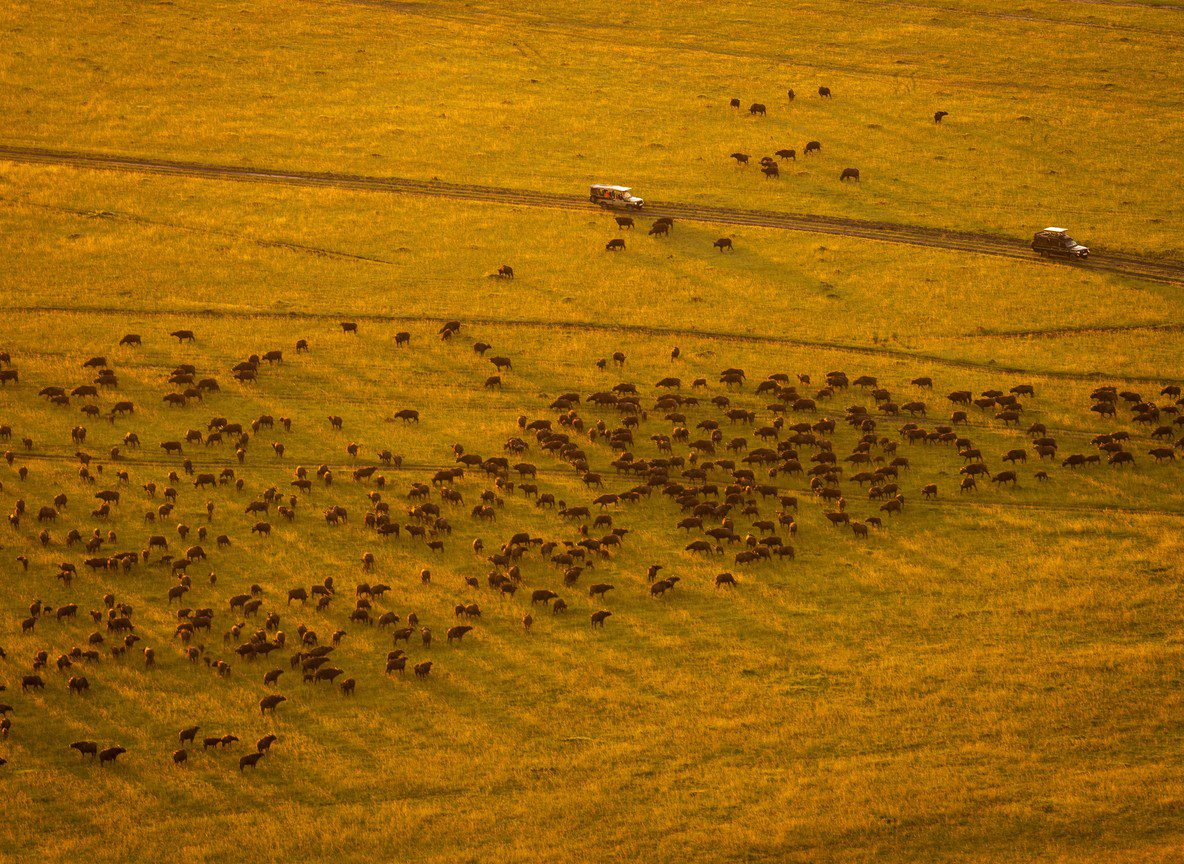
Wildlife density in the private concession areas is generally high year-round because the combined pressure of tourism and land use is lower than inside the main reserve. During the Great Migration (typically July through October), wildebeest herds move through the broader ecosystem including the concession areas, though the famous river crossings at the Mara River are concentrated in specific crossing zones further into the reserve.
For guests whose priority is predator activity, big cats in general, or the general Mara wildlife experience without migration as the specific focus, the concession location often produces a higher-quality drive experience than the national reserve during peak months.
Camp Setup and Accommodation
&Beyond Bataleur Camp runs at a small capacity by design. The &Beyond model across their Kenya properties emphasises low guest numbers because guide quality and wildlife access both improve when the camp operates below the level where logistics start competing with experience.
Tents at Bataleur are canvas and timber structures on raised platforms, with private decks, en-suite bathrooms, and indoor-outdoor flow that keeps the surrounding bush present without surrendering comfort. The interiors reflect the &Beyond approach to high-end camp design: quality without clutter, materials chosen for durability and visual warmth rather than for a hotel-style finish.
Practical notes worth confirming before booking:
- Bed configuration options if you are travelling with a third person or a child
- Hot water schedule and power availability for charging
- Specific tent positions for the best morning light or bush views
Meals and Daily Rhythm
Safari camps in the Maasai Mara organise their day around game drives, and &Beyond Bataleur Camp follows that structure. Breakfast is early and light before the morning drive, with a more substantial meal on return. Lunch follows after mid-morning drives. Dinner is in the mess tent or at a bush dinner location depending on conditions and preference.
The bush dinner option available to Bataleur guests — a meal set up away from camp in the field — is part of what distinguishes a concession property. In the national reserve, any gathering outside of a vehicle or designated area would not be permitted. The private concession removes those restrictions.
Game Drives and What to Expect
The twice-daily drive structure is standard, but the concession model expands what happens on those drives significantly.
Morning drives from Bataleur can begin early enough to catch predator activity at first light, before the main reserve gates open and before other camps’ vehicles are moving. The guide’s knowledge of the specific concession circuit, built up over repeated drives in the same terrain, produces more consistent sightings than a generalist driver covering a shared area would deliver.
Afternoon drives extend past sunset into the first hours of darkness — a window where the main reserve is entirely off-limits to tourist vehicles but where the concession is fully open. Nocturnal species, hunting predator behaviour, and the completely different quality of light and sound after dark are all part of the programme.
The kinds of sightings the concession model improves:
- Predator hunts and kills, where proximity and positioning matter and cannot be achieved with multiple vehicles present
- Shy species like serval, civet, and aardvark that avoid busy areas
- Leopard activity at night, which is entirely unavailable inside the reserve
- Cheetah hunts where off-road approach allows the guide to hold distance without blocking sightlines
Great Migration Considerations
The Great Migration is the highest-demand period in the Maasai Mara, running from roughly July through October. During this window, wildebeest herds number in the hundreds of thousands and the famous Mara River crossings attract both wildlife and significant numbers of safari vehicles.
If the river crossing experience is the central objective of your trip, Bataleur’s concession position means you will need to drive into the national reserve to access the crossing sites. That requires time and planning within daily drive windows.
If the migration is context rather than the sole focus — you want the Mara wildlife experience during migration season including all the predator activity and general energy that comes with having 1.5 million wildebeest in the ecosystem — then the concession location works very well. The predator density during migration months at the Mara is exceptional, and that density extends through the ecosystem including the private areas.
Who This Camp Suits
&Beyond Bataleur Camp is well-matched for travellers who:
- Have done at least one Maasai Mara trip inside the national reserve and want a qualitatively different experience on a return visit
- Are photographer-focused and want proper vehicle positioning and night activity
- Value low vehicle numbers and minimal competition for sightings above other factors
- Are comfortable with the significant price premium that private concession camps carry compared with reserve-based accommodation
It is less well-matched for:
- First-time Mara visitors whose primary objective is the migration river crossings (the concession location adds logistical complexity for accessing crossing sites)
- Budget-conscious travellers where the nightly rate is a significant constraint (this is one of the higher-priced options in the Maasai Mara ecosystem)
Comparing &Beyond Bataleur With Other Options
When comparing private concession camps against national reserve camps, the variables that matter most are:
Access type: Concession camps permit night drives and off-road driving. Reserve camps do not. If those activities are important to you, concession properties are the only way to access them within the Mara ecosystem.
Pricing: Private conservancy camps cost more per night than equivalent comfort-level camps inside the national reserve, partly because conservancy fees are included and partly because of the exclusivity premium.
Migration access: Reserve camps are closer to the river crossing zones. Concession camps access the crossings but with more drive time involved.
Wildlife variety: Concession areas often produce more consistent sightings of shy species and nocturnal animals than the main reserve where vehicle pressure is higher.
For a broader view of Maasai Mara accommodation options across different budgets and positions, the Maasai Mara National Reserve page on the Kenya Wildlife Service website covers the reserve structure and access points.
Practical Planning Notes
Best months for visiting: The Maasai Mara is genuinely good year-round. Peak migration is July through October. January through March is an underrated window with lower pressure, good predator activity, and no river crossing crowds. Green season (April to June) brings its own wildlife dynamics and significantly lower pricing.
Getting there: Most guests fly from Nairobi Wilson Airport to one of the Mara airstrips, a flight of 45 to 60 minutes. Ground transfer from Nairobi takes four to five hours and is generally used for budget-tier travel rather than for a camp at this level.
What to bring: Camera with telephoto capability, warm layers for early morning drives (temperature at dawn on the Mara plateau can surprise first-time visitors), and a charged power bank since electricity windows in even luxury camps can be unpredictable.
For more on Maasai Mara camp comparisons, seasonal planning, and itinerary building, visit trunktrailssafaris.com.
Key Questions to Ask Before Booking
Before committing to any private concession camp in the Maasai Mara, the questions that consistently produce the most useful information:
- Does the camp run night drives, and are they included or at an additional cost?
- Is off-road driving permitted in the concession and on what terrain?
- How many vehicles can the camp put in the field simultaneously, and does that ever create overlap?
- What is the maximum guest-to-guide ratio on drives?
- During peak migration, what is the process for accessing Mara River crossing zones from the camp?
Clear answers to those questions tell you more about the actual experience than any marketing language about “exclusivity” or “intimacy.”
Have questions about this itinerary or destination? Get answers from a safari specialist before you commit.
Inquire More