&Beyond Kichwa Tembo Tented Camp sits within the Kichwa Tembo Private Concession, one of the private land areas bordering the Maasai Mara National Reserve to the northwest. The camp has been running in various forms for decades and is one of the established names in the Maasai Mara safari landscape. Its longevity reflects a location and operational model that continues to work for a wide range of travellers.
This guide covers what the camp offers, how the concession model shapes the experience, and what to consider when deciding whether it fits your trip.
The Kichwa Tembo Private Concession
The Kichwa Tembo concession occupies land adjacent to the western edge of the Maasai Mara National Reserve and the Mara Triangle. This positioning is significant for two reasons.
First, the concession connects directly to the Mara Triangle section of the reserve, which is managed by the Mara Conservancy rather than the Narok County Council. The Triangle is generally regarded as one of the more strictly managed parts of the reserve: lower vehicle numbers, better road maintenance, and enforced wildlife viewing rules. Guests from Kichwa Tembo can access this section as part of their game drive programme.
Second, the concession itself allows activities that are not permitted inside the national reserve: night drives, off-road vehicle positioning, bush walks, and activity beyond the sunset gate times. These are not minor additions. Night drives in particular open a completely different wildlife window that the national reserve’s operational rules make unavailable to most Mara visitors.
What the &Beyond Model Means in Practice
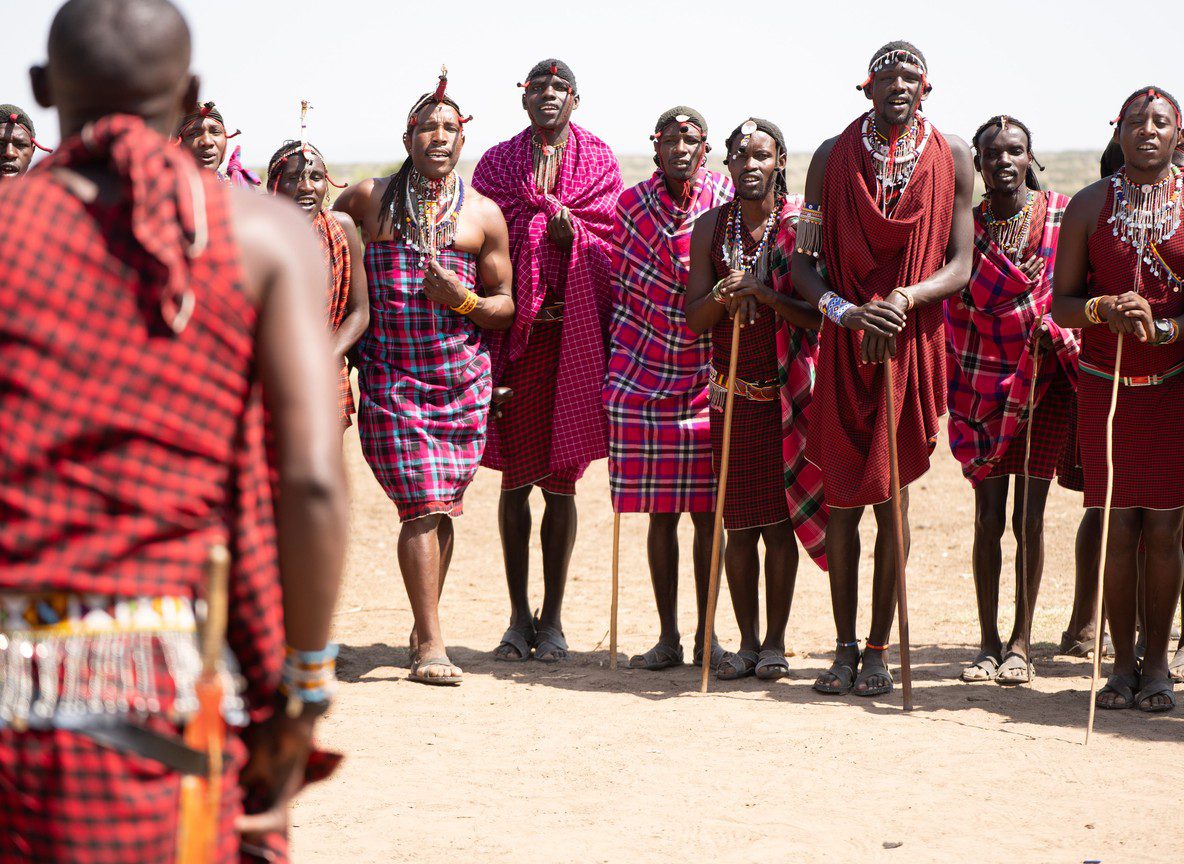
&Beyond operates properties across East and Southern Africa with a consistent operating philosophy: small camp footprint, high staff-to-guest ratio, and guiding programmes built around depth rather than sighting volume. The phrase that appears most often in their own language — “care of the land, care of the wildlife, care of the people” — reflects a genuine operational commitment more than a marketing position.
At Kichwa Tembo specifically, this translates to:
- A maximum camp capacity that is higher than their smallest properties (Kichwa Tembo is one of the larger &Beyond camps at 39 tents) but still significantly below the mass-market lodges that operate in the same ecosystem
- Guides trained over multiple seasons in the specific terrain and animal populations of the concession
- A conservation levy structure that channels funding to community land management programmes
The 39-tent capacity is worth noting if the very small camp experience matters to you. If you are comparing Kichwa Tembo with an eight-tent ultra-luxury camp, the feel in the communal areas and the sense of exclusivity on drives will be different. Kichwa Tembo is a mid-size camp by Mara standards with the activity benefits of private concession access.
Camp Layout and Accommodation
The tented rooms at Kichwa Tembo are canvas-and-timber construction with private decks, en-suite facilities, and indoor-outdoor living design. The camp sits on the edge of the bush at a position that gives most tents an outward-facing view into the concession terrain.
Two tent categories are typically available:
- Standard Tented Suite: the core accommodation, designed for couples or single travellers with a king or twin bed configuration
- Family Tented Suite: larger footprint with a connecting configuration appropriate for parents with a child or a small family group
Family suites are worth confirming availability on early, as they are limited in number and book out faster during peak periods.
Shared spaces at Kichwa Tembo include a main mess tent for meals, a swimming pool, and a viewing deck that looks out over a waterhole active particularly at dawn and dusk. The camp has electricity throughout, with charging points in each tent.
The Daily Safari Rhythm
Drives at Kichwa Tembo run on a twice-daily structure: an early morning departure before sunrise, return for a full breakfast, rest period, then afternoon departure and return after dark on night drive routes.
The morning schedule takes advantage of the concession’s freedom from reserve gate times. The camp can have guests in the field from first light, which is the critical window for predator activity. Lions that have been hunting through the night are often still active or feeding. Cheetah begin their morning hunt. Leopard activity continues for a short window before they go to rest.
In the national reserve, camp vehicles cannot legally enter until the gate opening time, which means losing up to an hour of optimal wildlife activity. The concession’s gate-free operation removes that constraint.
Night drives operate within the concession only, returning to camp from the reserve before sunset as required by reserve rules. The transition happens smoothly as part of the afternoon drive flow: the guide moves into the concession terrain as the afternoon progresses, the reserve gate closes, and the drive continues into the first hours of darkness.
Wildlife and What to Expect
The Kichwa Tembo concession terrain is predominantly open Maasai Mara grassland with scattered acacia woodland and seasonal drainage lines. The wildlife community reflects the broader Mara ecosystem.
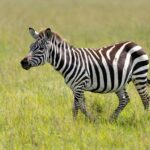
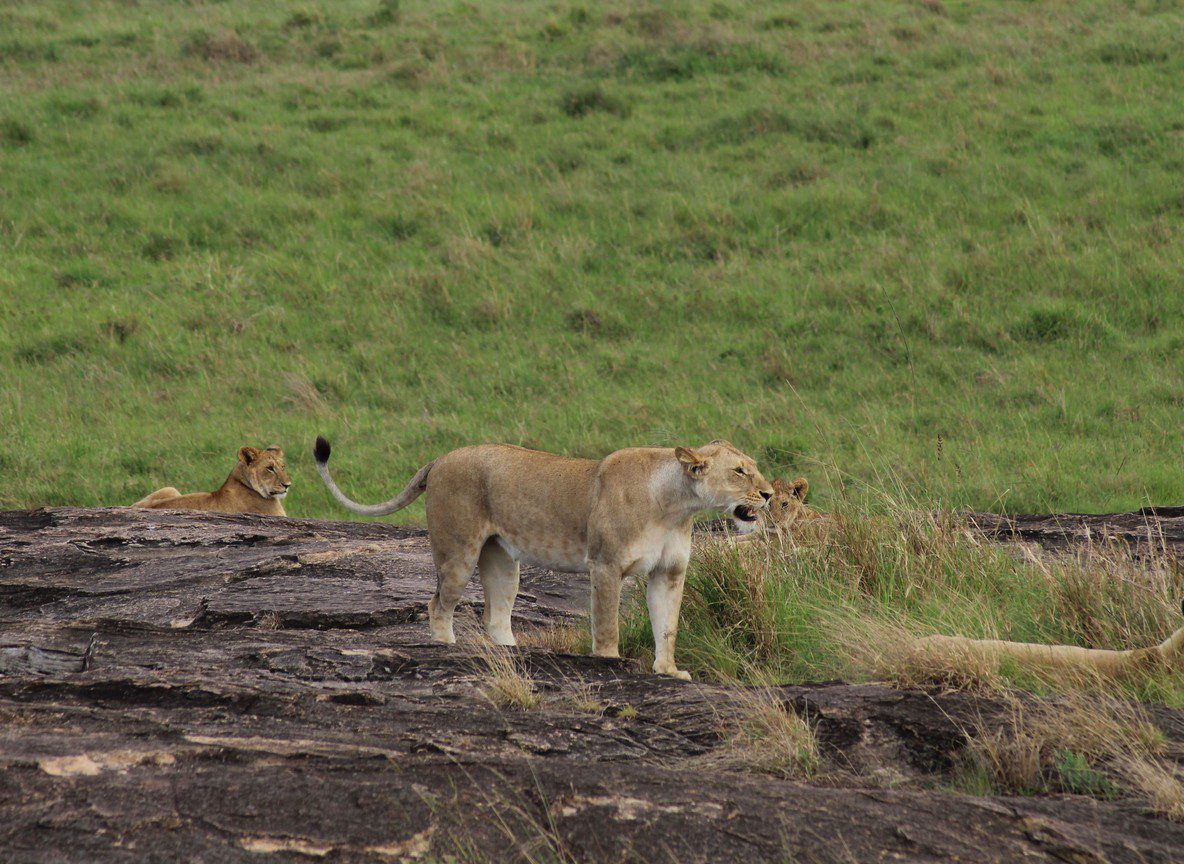
Year-round residents include lion, leopard, cheetah, hyena, elephant, buffalo, giraffe, zebra, and a full range of plains antelope. The Mara Triangle section accessible from the camp is particularly reliable for lion prides and for the resident leopard population along the Mara River drainage.
During migration season (roughly July to October), the concession terrain sees wildebeest and zebra movement as herds spread across the broader ecosystem. The famous Mara River crossings, concentrated at specific sites further south in the reserve, require additional drive time from Kichwa Tembo but are accessible within a standard game drive day.
The camp’s guiding team tracks individual animals across the concession and coordinates with KWS rangers and other &Beyond guides within the ecosystem for real-time intelligence on predator activity and migration movement.
Seasonal Planning
The Maasai Mara works differently by season and it is worth being clear about what each window delivers.
July to October (peak migration season): The highest demand period. Wildebeest herds are in the ecosystem. Predator activity is elevated. River crossings attract significant visitor numbers. Rates are highest. Book six to twelve months ahead.
January to March (dry season shoulder): Often underrated. The ecosystem is quieter, predator activity remains strong, and the combination of lower prices and lower vehicle pressure can produce better drives than peak migration. Calving season in the Serengeti (February) draws predators south, and the Mara sees elevated predator activity during this period.
November to December (short rains): The ecosystem shifts. Some areas become difficult to access after heavy rain. Wildlife disperses more widely. Rates drop. Good for travellers who prioritise value and are comfortable with some unpredictability.
April to June (long rains): The quietest and cheapest period. The landscape is green and lush. Wildlife is present throughout the ecosystem rather than concentrated. Some camps close for maintenance. If you are comfortable with unpredictable weather and want the Mara without crowds, this is the window.
Comparing Kichwa Tembo With Other Maasai Mara Private Concession Options
| Camp | Concession | Approximate Tents | Night Drives | Walking Safaris |
|---|---|---|---|---|
| &Beyond Kichwa Tembo | Kichwa Tembo Private Concession | 39 | Yes | Yes |
| &Beyond Bataleur Camp | &Beyond Private Concession | Small camp | Yes | Yes |
| Angama Mara | Mara Triangle above the escarpment | 30 | Limited | No |
| Cottar’s 1920s Camp | Olderkesi Conservancy | 9 | Yes | Yes |
| Ol Seki Mara Camp | Naboisho Conservancy | 8 | Yes | Yes |
Figures indicative. Confirm current tent numbers and activity menus directly with properties before booking.
The key differentiators when comparing concession camps: camp size, specific concession terrain, and what the nightly rate includes. Some camps bundle all activities; others price walking safaris and night drives separately.
Practical Visitor Notes
Getting there: Most guests fly from Nairobi Wilson Airport to Kichwa Tembo airstrip, a scheduled 45-minute flight. Ground transfer from Nairobi takes approximately five hours.
How long to stay: Three nights is the standard recommendation for a Kichwa Tembo stay. This gives you six drives (or more with night drives) and enough time to see the terrain in different conditions. Two nights is viable for guests fitting the camp into a multi-destination itinerary.
What to bring: Camera with telephoto lens, binoculars, warm jacket for morning and night drives (temperatures on the Mara plateau drop significantly after sunset), and neutral-coloured clothing for game drives.
Conservation fees: The &Beyond conservancy levy is typically included in the nightly rate. Confirm what the full rate includes when comparing with other options.
More on the Maasai Mara National Reserve and access points from the Kenya Wildlife Service. For planning a broader Kenya itinerary that incorporates the Maasai Mara, visit trunktrailssafaris.com.
Have questions about this itinerary or destination? Get answers from a safari specialist before you commit.
Inquire More