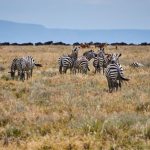
By mid-August, the bulk of the wildebeest herds have crossed into Kenya from the northern Serengeti. September is the culmination of that movement: vast herds pushing through the Mara Triangle and the central reserve, river crossings occurring with unpredictable regularity, and the full predator response to the density of prey on the plains.
It is also the most expensive, most crowded, and most in-demand month in Kenya’s safari calendar. Camp availability in September moves fast. Flights to bush airstrips book solid. The crossing points along the Mara River draw significant vehicle concentrations. Understanding what September actually looks like, not just the headline version, is what separates a well-planned trip from a frustrating one.
Why September Is Peak Season in the Masai Mara
The wildebeest migration follows grass and rainfall in a broadly circular loop between the Serengeti in Tanzania and the Masai Mara in Kenya. By July, the leading edge of the migration has crossed into Kenya via the Mara River. In August, crossings reach their most dramatic intensity, herds piling up at the river in hundreds of thousands, triggering explosive crossing events.
September continues this pattern. In most years, substantial herds remain in the Masai Mara through September, with river crossings occurring at both the main crossing points and along the Sand River on the southern boundary. The herds begin their return south in October as the short rains approach.
What makes September specifically compelling:
- The highest density of wildebeest in the reserve all year
- Multiple crossing events possible within a single day
- Predators in peak condition from the abundance of prey
- Resident wildlife (lion, cheetah, leopard) is highly active and visible
- Dry season light, golden and clear, at its best for photography
The honest counter-point:
- Peak demand means peak pricing across all accommodation categories
- Vehicle concentrations at crossing points can be intense
- Camp availability is genuinely constrained; late bookings face limited options
The Mara River Crossings in September: What to Expect
The Mara River crossing is the event most travellers are hoping to witness. Understanding how it works matters for setting realistic expectations.
Crossings are not scheduled. The wildebeest decide when to cross based on instinct, collective behaviour, and perceived threat. A crossing can happen at 7am or 3pm; it can last 15 minutes or 3 hours. A herd may arrive at the bank, mill around for hours, and retreat without crossing. On any given game drive, you may witness one, several, or none.
Your chances in September are genuinely high, but not guaranteed on any specific drive. Guides who have established daily communication with other guides, camp managers, and rangers across the ecosystem position guests better than those operating on speculation alone.
The main crossing points in September:
- Crossing Point 1 (sometimes called Little Governor’s crossing): among the most reliable on the main reserve river sections; attracts the heaviest vehicle concentrations
- Sand River crossings: along the southern boundary; sometimes less crowded, with different visual dynamics as herds approach from a different angle
- Mara Triangle: the western section of the reserve, managed by the Mara Conservancy NGO, which enforces stricter vehicle limits than the main reserve. Same crossings, significantly fewer vehicles per sighting, often a superior experience
The Mara Triangle is worth particular attention for September visitors. It is part of the official national reserve but managed independently with better crowd control. For travellers who want the crossing experience without the vehicle scrum at Point 1, positioning a base in or near the Mara Triangle is a genuine tactical advantage.
September Weather in the Masai Mara
September falls squarely within the dry season. This is good news for game viewing and camp comfort.
| Weather Factor | September |
|---|---|
| Daytime temperature | 26-30°C |
| Morning temperature | 12-16°C |
| Rainfall | Minimal (5-15mm for the month) |
| Humidity | Low; very comfortable |
| Dust | Can be significant on dirt roads |
| Visibility | Excellent; clear skies |
| Sunrise | Approximately 6:15am |
The mornings are cool, a fleece is needed at 6am. By 10am the heat is building. Most camps run two game drives daily: early morning (6-11am) and late afternoon (4-7pm). Night drives are available in private conservancies but not inside the main reserve.
For packing: light clothing for afternoons, a warm layer for mornings, sun protection throughout the day.
Where to Stay in the Masai Mara in September
Accommodation choice has the biggest single impact on the September experience. The Masai Mara is not one place, it is a collection of zones with different vehicle rules, different wildlife dynamics, and vastly different crowd levels.
Private conservancies: the recommended September base
The conservancies surrounding the national reserve, Olare Motorogi, Mara North, Mara Naboisho, Ol Kinyei, and the Kicheche areas, operate with strict vehicle limits at sightings. In September, this distinction is critical. The main reserve can have 20-plus vehicles at a single lion sighting. Conservancy rules typically limit sightings to four to six vehicles maximum.
Conservancy camps also permit:
- Night game drives (illegal inside the national reserve)
- Off-road driving to approach game
- Walking safaris with armed guides
Access to the wildebeest herds is equivalent at most conservancies, the migration moves through them as freely as it does through the reserve itself.
| Zone | Vehicle Limits | Night Drives | Off-Road | September Crowd Level |
|---|---|---|---|---|
| Main reserve (Sekenani/Talek) | None enforced | No | No | High |
| Mara Triangle | Enforced per sighting | No | Limited | Medium |
| Olare Motorogi | 4-6 vehicles | Yes | Yes | Low |
| Mara North | 4-6 vehicles | Yes | Yes | Low |
| Mara Naboisho | 4-6 vehicles | Yes | Yes | Low |
| Ol Kinyei | 4-6 vehicles | Yes | Yes | Low |
How Much Does a September Masai Mara Safari Cost?
September is peak pricing across all accommodation categories.
| Accommodation Type | Cost Per Person Per Night (September 2026) |
|---|---|
| Budget tented camp (reserve) | $300-$500 |
| Mid-range camp (reserve or conservancy) | $550-$900 |
| Luxury conservancy camp | $900-$2,500 |
| Top-tier private camp | $2,000-$4,500 |
Park fees from July 2026 are $200 per day per non-resident adult (Narok County fee). This adds substantially to the per-day cost in the main reserve. Private conservancy camps charge their own conservancy fees (typically $100-$150 per person per night), which cover the time spent inside the conservancy.
For a 5-night September itinerary in a mid-range conservancy camp, budget approximately $4,500-$6,500 per person all-in, excluding international flights.
Positioning Yourself for the Best September Experience
Five practical decisions that improve a September Masai Mara trip:
1. Book early. September camps begin filling from January for peak-year bookings. If you are planning a September trip and have not booked accommodation, check availability immediately and move faster than you think you need to.
2. Prioritise a conservancy base. The wildlife quality in a well-positioned conservancy consistently exceeds the crowded main reserve in peak season. The difference in crowd levels is not marginal.
3. Build in a minimum of four nights. Crossings are unpredictable. Four nights gives you eight game drives, reasonable odds of witnessing at least one major crossing event, and enough time to see other resident wildlife beyond the river.
4. Tell your guide your priority. Guides who know you prioritise river crossing over general game viewing will allocate drive time accordingly. Be explicit, do not assume it is understood.
5. Use afternoon drives strategically. Morning drives cover the most ground. Afternoon drives in September often settle near the river for two to three hours, waiting, watching, and letting the herd dynamics develop. This is when patience pays off most directly.
Explorer Notes: Beyond the Crossing
September’s focus on the Mara River crossing can lead travellers to underweight the rest of what the month offers.
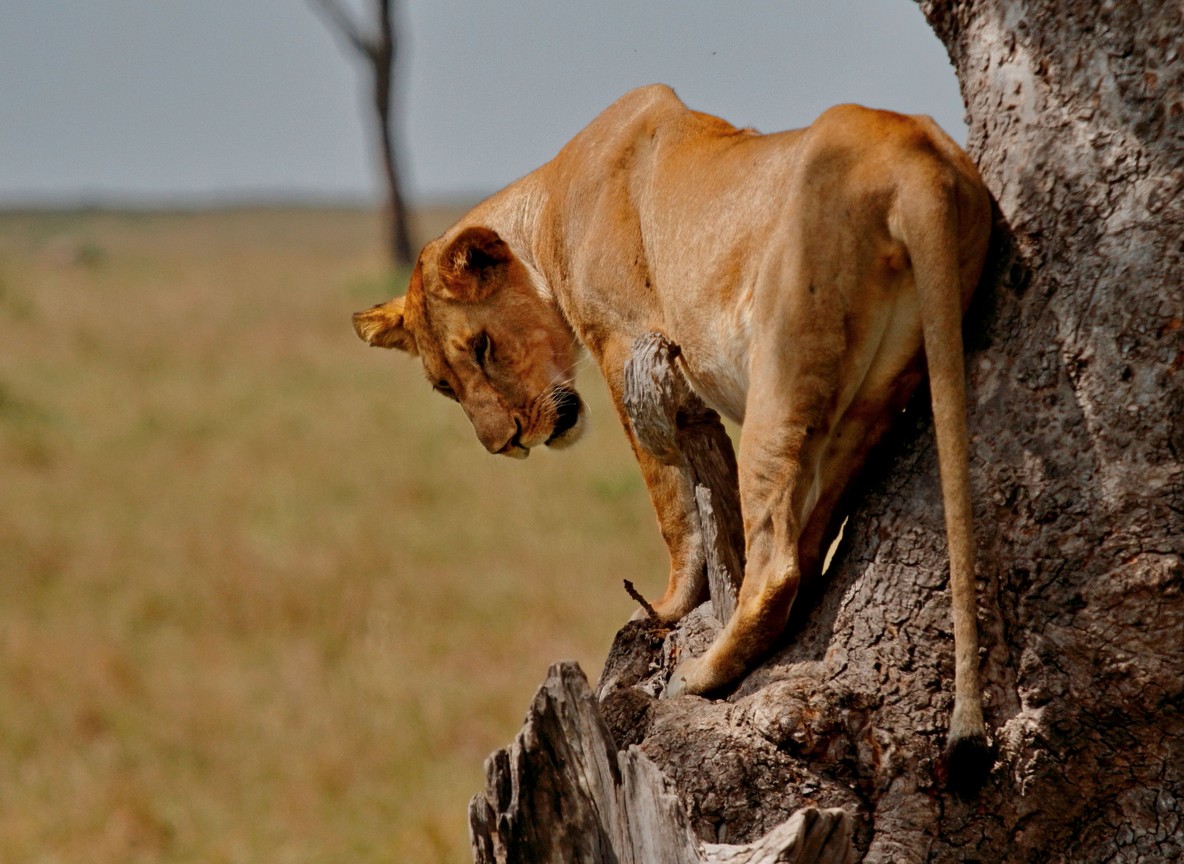
The resident big cats are in peak condition from months of good feeding. Cheetah families are active on the open plains between herds. Leopards are visible along the riverine forest. The predator-to-prey density in September is as high as it gets anywhere in Africa.
Birdwatching is also excellent, the dry season clarity and the mix of resident and migratory species make September a strong birding month in the Mara ecosystem.
September mornings also offer a distinct alternative to the game drive: a hot air balloon safari over the plains. Flights launch around sunrise, roughly 6am, following a pickup at about 4:30am, and the balloon stays aloft for 45 to 60 minutes before landing for a champagne bush breakfast. In migration season the view can take in the herds themselves from above, weather and wind direction permitting. Expect $450 to $550 per person in a typical September, rising to $650 to $800 in the most in-demand weeks of peak migration; slots sell out well ahead of the date, so this is not a same-week booking.
And the Mara Triangle, mentioned above, deserves its own morning. A drive through the Triangle during a September visit, even without a crossing, typically shows lion prides, large elephant herds, and hippo activity in a context significantly less trafficked than the main reserve.
Reader Next Steps
For understanding how September compares to August (the previous peak month) and October (as the migration begins to wind down), the Masai Mara July vs August guide and the October vs November guide cover the adjacent windows. For the conservancy options in more detail, the Mara North Conservancy guide and the Olare Motorogi Conservancy guide are worth reading before booking.
Turn this reading into a real itinerary with help from a Kenya-based safari team.
Start Planning Your SafariFurther reading
More safari planning resources
- Wildebeest migration route map from Valley Safaris
- Great Migration safari collection on FindMySafari
- Best time to visit Kenya month-by-month map from Valley Safaris
- Interactive Maasai Mara map from Valley Safaris
Related guides: Amboseli in July: What to Expect in Peak Dry Season.