Choosing between Masai Mara October vs November comes down to what kind of experience you are after. Both months sit in the period immediately after the August-September migration peak, yet they have distinct characters. October holds onto the last of the migration while the short rains approach. November closes the chapter on the great herds and shifts the ecosystem into green season, bringing quieter roads, lower rates, and a landscape that looks completely different from the golden savannah most safari images show.
Understanding that difference makes it easier to arrive with the right expectations and come home satisfied with your timing.
October in the Masai Mara
October sits at the tail end of migration season. The main wildebeest and zebra columns are moving south into Tanzania as the short rains draw near, but considerable numbers remain in the northern Mara and in the private conservancies through at least mid-October.
Wildlife in October
- The final Mara River crossings of the season can still occur in early October, though they become less predictable as the month progresses
- Zebra herds are among the last large groups to move south, often lingering well into October
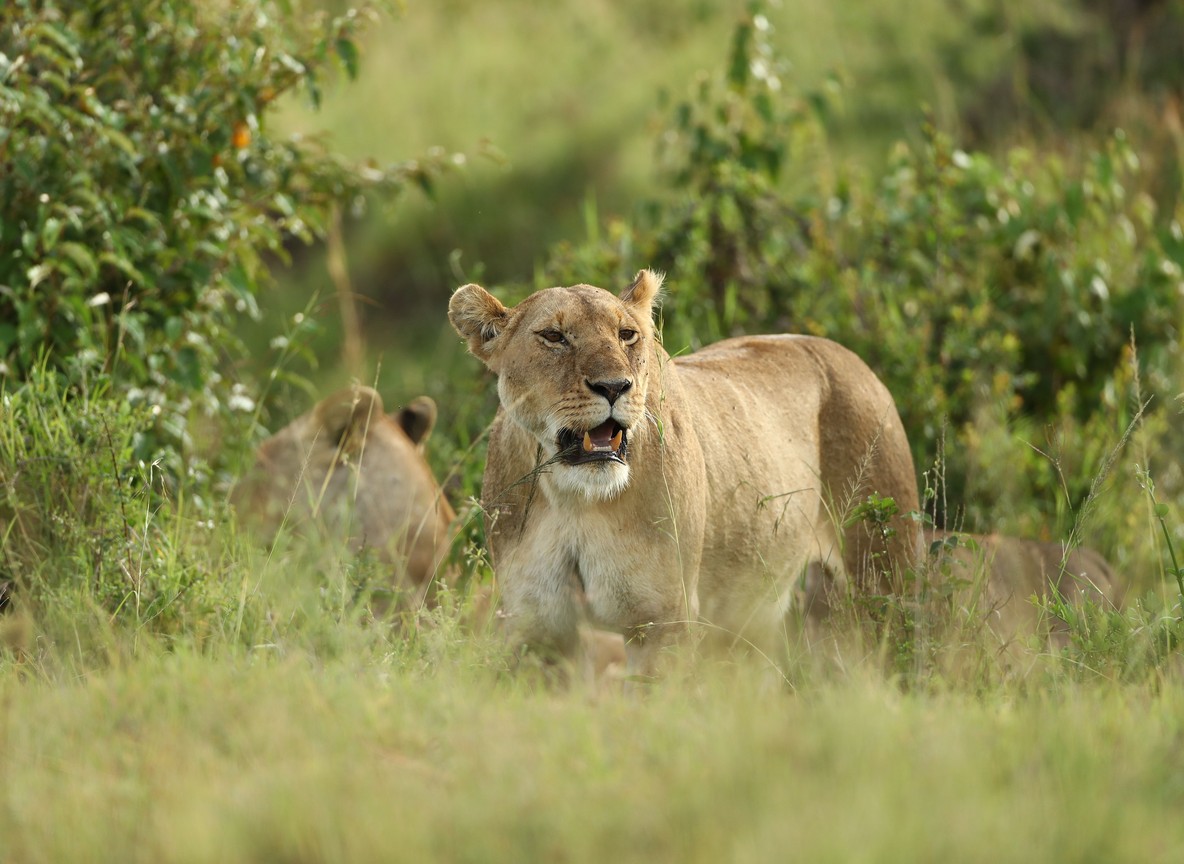
- Resident predators are in excellent condition after months of abundant prey: lion prides, cheetah families, and leopards are all highly active
- Elephant herds move more freely once the vehicle concentrations around crossing points ease
- Game drives run on dry, firm tracks for most of the month, making off-road access straightforward
October Weather
The second half of October typically brings the short rains, arriving as afternoon thunderstorms rather than prolonged downpours. An hour of heavy rain followed by clear skies is the usual pattern. Roads remain passable throughout. The landscape transitions visibly week by week from dry golden savannah to freshening green.
Visitor numbers fall sharply from August-September levels during October, accommodation rates drop into shoulder pricing, and sightings at river crossings or predator activity draw noticeably fewer vehicles. For the combination of residual migration animals, active resident wildlife, and a landscape in visible transition, October is one of the Masai Mara’s most underrated months.
November in the Masai Mara
By November, the wildebeest herds have returned to Tanzania’s Serengeti plains. The short rains are fully underway. The Masai Mara looks completely different from its dry-season form: open grassland has turned vivid green, the rivers carry more water, and the ecosystem runs on the energy of new growth rather than migration numbers.
Wildlife in November
- No wildebeest migration herds are present, though resident wildlife quality is high throughout the month
- Newborn prey animals following the short rains create an active period for predators: lions hunt often, cheetahs work the newly tall grass edges
- Buffalo herds are large and frequently encountered
- Hippo activity on the Mara River is consistently good
- Birdwatching peaks in November as migratory species arrive from Europe and Asia, many in breeding plumage
November Weather
Short rains run through the month, arriving mainly in the afternoon and evening. Mornings are typically clear and cool, which keeps early game drives productive. Individual rain events are rarely long enough to cancel a full day of driving. Most itineraries in November still allow two full game drives daily without interruption.
Masai Mara October vs November: Side-by-Side
| Factor | October | November |
|---|---|---|
| Migration herds | Departing (early crossings possible) | Gone |
| Resident wildlife | Excellent | Excellent |
| Predator activity | Very high | High (newborn prey present) |
| Short rains | Beginning mid-month | In progress |
| Road conditions | Good to excellent | Good (rains are brief) |
| Grass height | Short to medium, transitioning | Tall and green |
| Wildlife visibility | Very good | Good (longer grass reduces sightlines slightly) |
| Crowd levels | Falling from peak | Low |
| Accommodation cost | Shoulder rates | Low season rates |
| Birdwatching | Improving | Excellent (migrants present) |
| Photography | Golden-to-green transition light | Dramatic green landscapes and cloud formations |
The Post-Migration Masai Mara
The quality of the Masai Mara after the wildebeest leave receives far less attention than it deserves. The ecosystem does not go quiet once the herds move south. What changes is the rhythm, not the quality.
Lion prides that fed heavily during the migration remain in peak physical condition into late October and November. Cheetah families stay on the open plains. Leopards, which often avoid the densest vehicle concentrations during crossing season, become easier to observe in the conservancies as traffic drops. The pace of a safari in these months is calmer and more intimate. You can follow a predator sighting for an extended period without competing for position with a line of vehicles.
For travelers who want to understand the Masai Mara beyond the migration spectacle, October and November reveal what the ecosystem delivers year-round: one of the strongest game-viewing destinations on the continent.
Explorer Notes: Who Each Month Suits
October is the stronger fit if:
- Catching the season’s last possible river crossings is a priority and early October timing is available
- Big cat sightings in open, shorter grass are the primary goal
- Watching the landscape shift from dry to green over the course of a week appeals alongside the wildlife
- Shoulder-season pricing suits the budget while wildlife conditions remain excellent
November is the stronger fit if:
- Budget is a meaningful factor: November carries the lowest accommodation rates outside the long rains period
- Empty game-drive tracks and unhurried, extended sightings matter more than raw numbers
- Birdwatching is a serious interest
- You prefer the dramatic green Mara over the golden savannah look
- This is a return visit and a different version of the ecosystem is the goal
Both months suit photographers well. October offers late dry-season light against a greening horizon. November delivers saturated color and the cloud formations that the short rains bring.
The Bottom Line
Neither October nor November is a compromise. They are distinct travel options with genuine strengths, not fallback choices for travelers who could not secure an August booking.
October rewards those who want the last echo of migration alongside excellent resident wildlife in open terrain. November rewards those who want a quiet, vivid, affordable Masai Mara that most visitors never see.
The practical decision comes down to timing, priorities, and what you want a Masai Mara safari to feel like from first drive to last.
Prefer a different route, budget, or travel style? This plan can be adapted to fit.
Customise Your Trip