Weather in the Masai Mara shapes more than whether you pack a jacket. It determines road conditions, grass height, crowd levels, wildlife visibility, and the character of the experience itself. Understanding what each month actually delivers — not just abstract seasonal categories — is the foundation of good safari planning.
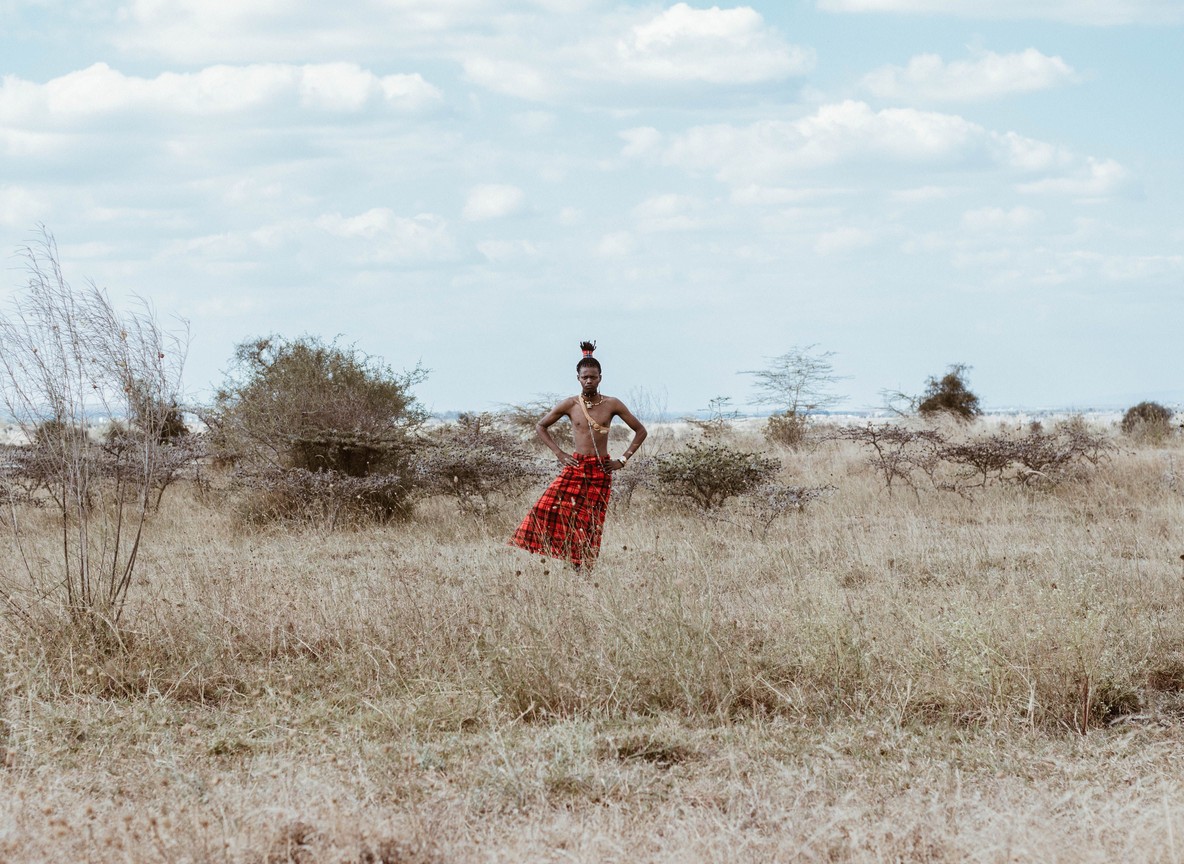
The Masai Mara sits at 1,500 to 1,900 metres altitude in southwestern Kenya. This elevation keeps temperatures moderate year-round; the Mara never gets truly hot by East African standards, and cool mornings throughout the dry season are a defining feature of game drives. Annual rainfall averages around 1,400mm, concentrated in two rainy seasons.
Here is what each month looks like in practice.
January
Planning the trip itself? See TouringInsights’s Kenya Safari Cost Guide for Bengali Speakers for current prices, dates and what is included.
January sits in the short dry season that follows the November-December short rains. The landscape is still green from the previous rain but game drive tracks have firmed up, and conditions are comfortable throughout.
Temperatures: Daytime 25-30°C, mornings 14-17°C. Rainfall minimal — brief afternoon showers possible but rare.
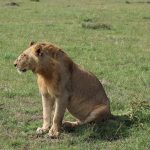
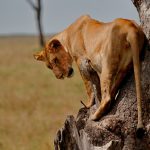
January is one of the year’s most underrated wildlife windows. Wildebeest calving peaks in the southern Serengeti, and calving activity spills into the Mara ecosystem: thousands of wildebeest and zebra calves draw lion prides, cheetah families, and leopards into concentrated predator activity. Predator sightings in January rival anything the peak migration months offer.
Tracks are firm and accessible. Grass is short from the post-rain grazing pressure. Visitor numbers are low and accommodation rates competitive. An excellent month that consistently surprises travellers expecting only July and August to deliver.
February
February continues the warm dry season with conditions nearly identical to January. It is consistently one of the clearest and most comfortable months in the Mara.
Temperatures: Daytime 25-30°C, mornings 14-16°C. Rainfall minimal. Clear skies most days.
February is particularly good for cheetah. Dry-season grass is short, plains are open, and cheetahs hunting in the early morning are visible over long distances. The calving season continues: wildebeest, zebra, Thomson’s gazelle, and impala all have young calves on the plains, concentrating predator attention on the open grassland.
Photography conditions are outstanding. Low humidity produces crystal-clear air and sharp horizon lines. Wildlife photographers frequently rate the light quality in February — low morning sun, clear atmosphere — as among the best of the year.
No crowds. Competitive rates. Strong wildlife. February is one of the best-value months in the Mara calendar.
March
March marks a transition. Early in the month, dry-season conditions continue. The long rains typically arrive in mid-to-late March, bringing a noticeable change across the ecosystem.
Temperatures: Daytime 22-29°C, mornings 14-16°C. Rainfall increasing from mid-month.
Early March game drive conditions are excellent, similar to February. From mid-month, afternoon thunderstorms arrive with increasing frequency. These are typically intense and short — an hour of heavy rain followed by clearing skies — rather than day-long downpours. But they begin to soften game drive tracks, particularly in the black cotton soil areas that become genuinely challenging when wet.
The visual transformation is dramatic. Within days of the first rains, the savannah shifts from golden to vivid green. Dust settles. The air clears. The Mara looks entirely different from any dry-season photograph.
April
April is the wettest month in the Mara calendar. Rainfall peaks, roads get challenging, and most international safari visitors have moved elsewhere. But April rewards the travellers who stay.
Temperatures: Daytime 20-26°C, mornings 13-15°C. Rainfall at its heaviest: typically 23+ rainy days. Afternoon storms regular and sometimes prolonged.
The Mara ecosystem in April is at its most lush and photogenic. Plains are deep emerald green. Waterfalls appear on the Siria Escarpment. Seasonal pools fill across the reserve, attracting elephants and buffalo to unexpected locations. The sky over the Mara in April is dramatic: towering cumulus clouds build against blue sky between storms, creating exceptional landscape photography conditions.
The practical challenge is road access. Black cotton soil becomes genuinely difficult without a high-clearance 4×4 Land Cruiser. Some tracks inside the national reserve close temporarily after heavy overnight rains.
Wildlife is abundant but dispersed across the lush landscape — harder to find, more rewarding when located. Very low crowd levels. Lowest accommodation prices of the year. A specialist month for dedicated wildlife enthusiasts and landscape photographers.
May
May is the final chapter of the long rains. Rainfall decreases through the month, and by late May the transition toward the dry season is underway.
Temperatures: Daytime 21-27°C, mornings 13-15°C. Rainfall moderate, decreasing. Typically 15-18 rain days.
From a birding perspective, May is the Mara’s finest month. European migratory birds have arrived — rollers, bee-eaters, storks, kestrels — joining over 450 resident species in a density of birdlife rarely encountered anywhere. May birdwatching in the Mara is exceptional.
Large mammal wildlife remains abundant. Lion prides rest in longer grass, which means locating them requires a guide who knows their territories rather than following GPS sightings logged by other vehicles. The predator density has not changed; it is just harder to spot them in tall wet-season vegetation.
Low visitor numbers mean private sightings are common. Accommodation rates remain at their lowest. An outstanding month for birding-focused trips and for travellers who want the Mara to themselves.
June
June marks the shift that safari travellers wait for. The long rains end. Tracks dry and firm up rapidly. Grass shortens as grazing wildlife moves across the plains. And the first columns of the Great Migration wildebeest herds begin crossing from Tanzania into Kenya.
Temperatures: Daytime 22-26°C, mornings 12-14°C. Rainfall low and declining. Mostly dry by late June.
June is cool and clear. Morning temperatures at 12°C mean layers are essential for early game drives in an open vehicle. Days warm quickly and afternoon drives are comfortable. The air quality is exceptional — clear horizon lines, low humidity, perfect photography light.
By late June, the leading edge of the migration herds is crossing into the Mara ecosystem. Predator prides position themselves in anticipation. The Mara River begins to see its first wildebeest scouts. Accommodation prices are climbing toward peak but have not yet hit July-August highs — June offers early-migration experience at pre-peak rates.
July
July is the peak of the dry season and the peak of the Great Migration. It is consistently one of the two most popular safari months in Kenya, and the weather is a central reason why.
Temperatures: Daytime 22-25°C, mornings 12-13°C. The driest month of the year. Minimal rainfall. Clear skies.
Cool temperatures mean wildlife is active throughout the morning and into early afternoon — animals do not retreat to shade as quickly as they do in hotter months. Game drive tracks are at their firmest. Visibility across the open plains is at its maximum as the dry-season grass shortens.
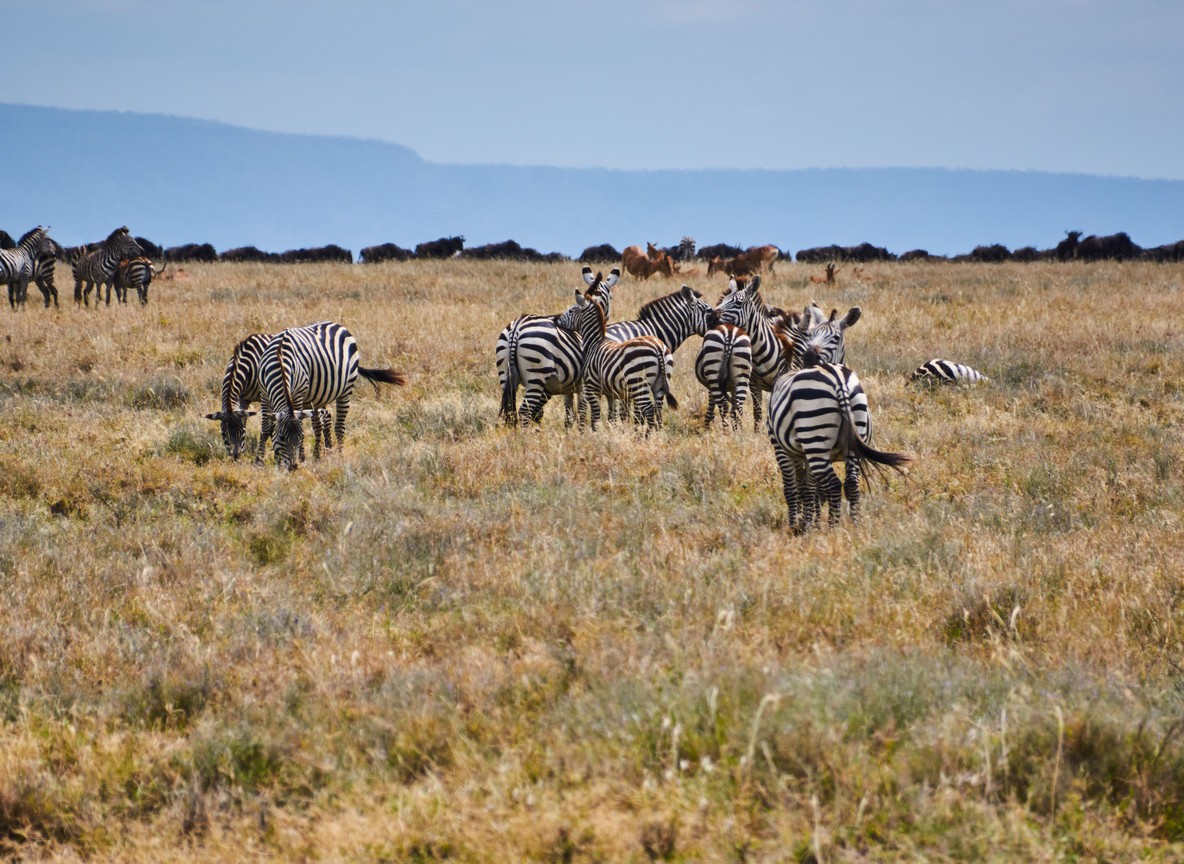
Over 1.5 million wildebeest and hundreds of thousands of zebra are in the Mara ecosystem in July. Mara River crossings happen daily, sometimes multiple times per day. Lion prides hunt continuously around the migrating herds. Cheetah, leopard, and hyena are all hyperactive.
The light in early July mornings — low in the sky, hitting migration dust clouds and the red coats of wildebeest in the golden grass — is the image most people carry home from the Masai Mara.
Book camps 6-9 months ahead. July is the most oversubscribed month in the Mara year.
August
August is nearly identical to July in weather terms: dry, cool, and extraordinary. The Great Migration remains in full force through the month.
Temperatures: Daytime 23-26°C, mornings 12-14°C. Rainfall minimal. Occasional brief evening showers possible late August.
August is slightly warmer than July as the dry season begins its gradual transition. Light quality shifts marginally in the afternoon hours, but morning conditions remain superb. The migration spectacle is unchanged.
What distinguishes August in practice: the Mara River crossing events often reach their most intense. As wildebeest build up pressure against the river banks — animals pushing from behind, crocodiles waiting in the water — crossings become larger and more concentrated. August river crossings are frequently among the most dramatic single wildlife events of the migration year.
Peak accommodation prices. Highest vehicle numbers at sightings. If the river crossing is the priority and crowd tolerance is reasonable, August remains worth it.
September
September is considered by many experienced safari travellers to be the Mara’s sweet spot: the Great Migration continues, but crowd pressure eases from August’s peak.
Temperatures: Daytime 25-28°C, mornings 13-15°C. Very low rainfall. Clear skies with occasional afternoon cloud build-up.
The migration is in its final act. Mara River crossings continue through September and some of the year’s most dramatic individual crossing events occur late in the month as the herds build pressure to move south. But visitor numbers are declining from August, meaning fewer vehicles at sightings and a more private experience.
Slightly warmer than July and August, with the morning chill less severe. Game drive conditions remain excellent across all variables: dry tracks, short grass, maximum visibility. All resident species — lion, leopard, cheetah, elephant, buffalo — are at annual peak density.
September consistently earns high marks from travellers who want the full migration experience with a more measured crowd level than the August peak.
October
October marks the transition from long dry season toward the short rains. Migration wildebeest begin returning south to Tanzania. Weather is warm, generally dry, and increasingly variable toward month end.
Temperatures: Daytime 25-29°C, mornings 14-16°C. Low rainfall in early October, increasing late-month showers.
Early October game drive conditions remain excellent. The departure of the wildebeest herds creates an interesting dynamic: lion prides and predators that have been well-fed through the migration season shift focus back to resident prey — topi, zebra, warthog, impala. Cheetah activity on the open plains remains high.
Late October brings the first short-rain showers, greening the landscape quickly after months of dry conditions. The ecosystem responds rapidly: grass begins shooting within days, and the savannah takes on a two-tone appearance of golden dry and vivid new green simultaneously.
Prices begin easing from peak-season highs. A good month for travellers who want to avoid migration peak crowds while still finding strong resident wildlife.
November
November brings the short rains — lighter and more predictable than the long rains of April and May. It is an underrated month that delivers good wildlife at significantly lower costs.
Temperatures: Daytime 24-28°C, mornings 14-16°C. Regular afternoon and evening showers, typically 10-15 rain days.
The short rains are not the day-long downpours of April. A typical November day sees clear blue skies until mid-afternoon, a storm for 30-90 minutes, then clearing skies for the evening game drive. Morning game drives in November are largely unaffected by rain.
November also coincides with the arrival of a second wave of migratory birds from Europe and northern Asia, making it excellent for birdwatching. Resident wildlife — lion, cheetah, leopard, elephant, buffalo — is abundant and active.
Post-peak accommodation prices mean November is one of the strongest value months in the Mara calendar: good wildlife, decent conditions, and the reserve largely to yourself.
December
December continues the short rains through early-to-mid month, then typically eases toward Christmas and the festive season.
Temperatures: Daytime 24-29°C, mornings 14-17°C. Moderate rainfall in early December, easing from mid-month. Clear by late December.
The Mara looks lush and photogenic through December. Wildlife is distributed widely: elephant families with calves, buffalo herds, and resident predators are all active and frequently sighted. Late December brings rising accommodation demand as the festive travel peak arrives, with conditions typically dry and clear from mid-month — a strong window for New Year safari experiences.
Key camps book out for the festive season well in advance. Planning late-December or early January travel requires early reservations.
What the Weather Tells You About Timing
| Priority | Best Months |
|---|---|
| Great Migration river crossings | July, August, September (peak); June (early access) |
| Predator sightings, few crowds | January, February |
| Green season photography, birding | April, May |
| Best value with good conditions | November, early December |
| First-time safari, balanced experience | June, September |
The Masai Mara rewards visits in any month — the resident wildlife never leaves. What changes is the character of the experience: the migration spectacle in peak season, the intimacy and value of the green and shoulder seasons, and the sharp clarity of the short dry season in January and February. Matching the month to your priorities produces a better trip than simply defaulting to August because that is when everyone else goes.
Every trip described here can be tailored: dates, budget, camps, and pace built around you.
Get a Personalised SafariFurther reading
More safari planning resources
- Best time to visit Kenya month-by-month map from Valley Safaris
- Great Migration safari collection on FindMySafari
- Wildebeest migration route map from Valley Safaris
- Big Five safari collection on FindMySafari
Related guides: Amboseli Weather Month by Month: What to Expect and When to Go, Masai Mara Weather Month by Month: The Complete Seasonal Guide.