The Masai Mara in July and August can feel like two entirely different safaris despite sharing the same destination. Light quality shifts, grass height drops, crowds build, and wildlife behavior tracks the season. The decision between these months is not about whether to go. Both are exceptional. It is about which experience fits your priorities.
This guide breaks down what each month actually delivers: migration timing, river crossing patterns, crowd levels, weather, and which traveler profile suits each window.
What Happens in the Masai Mara in July
July is the month of arrival and anticipation.
The first wildebeest herds typically move north from Tanzania into Kenya in late June or early July. By mid-July, significant numbers are usually present across the Masai Mara ecosystem. By the final week of July, the migration is in full motion.
Herd dynamics in July:
- Herds build throughout the month, from partial to near-full density
- Mara River crossings begin, sometimes as early as mid-July
- First crossings of the season tend to be the most chaotic and extended
- Resident predator activity is strong even before peak herd density arrives
Logistics:
- Visitor numbers are high but slightly below August levels
- Accommodation rates are at peak season pricing (July to October)
- Roads are firm and dust-free compared to later in the dry season
- Booking lead time: 6 to 9 months for preferred properties
What makes July distinctive is unpredictability. The herds are still moving into position, crossing patterns are not yet established, and each morning drive carries a genuine chance of witnessing the season’s first major crossing. For travelers who want to feel the migration building rather than arriving at its peak, July offers a different kind of intensity.
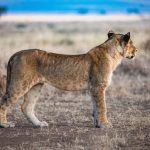
Dry-season conditions also concentrate resident wildlife at the Mara River and permanent water sources before the wildebeest arrive in force. Lion prides, cheetah, spotted hyena, and elephant are all active and visible throughout the month.
What Happens in the Masai Mara in August
August is peak season at full scale.
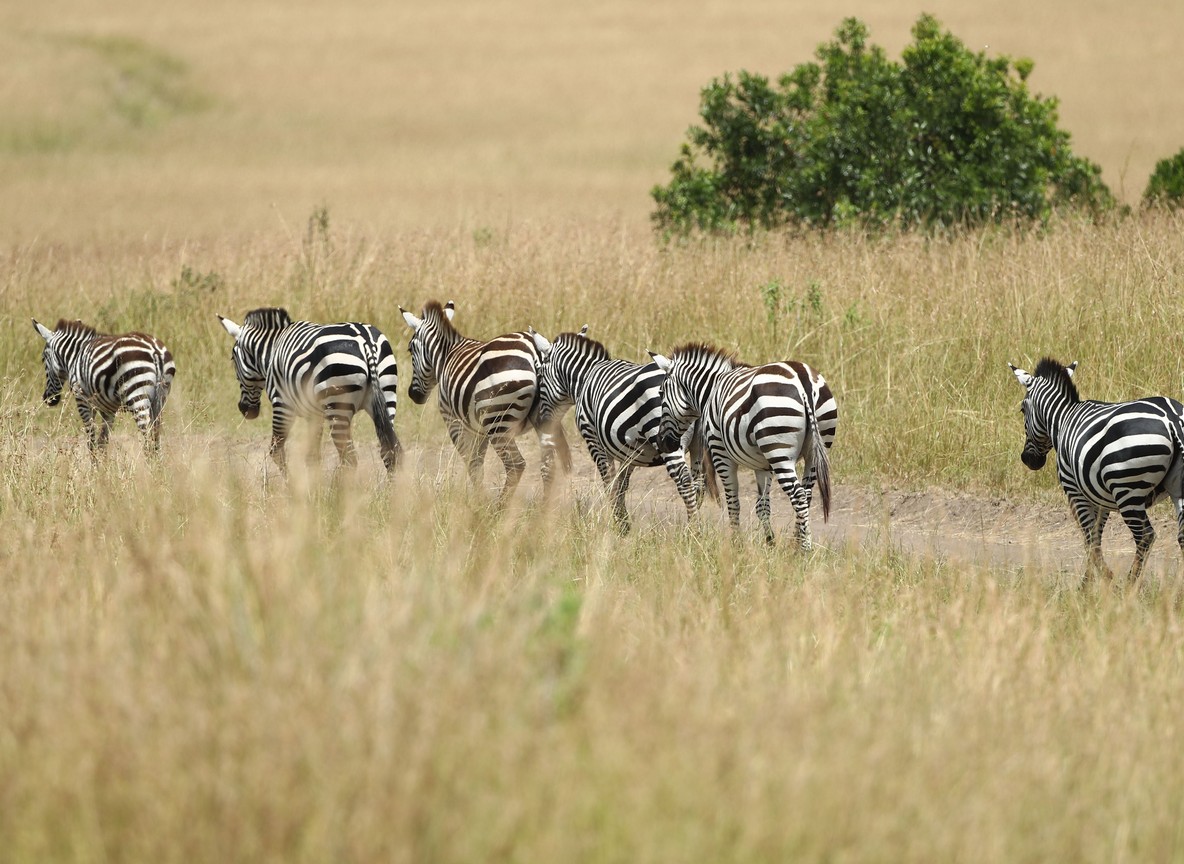
By August, the wildebeest herds are massed across the Masai Mara plains. Crossings happen regularly, sometimes multiple times per day at different points along the river. The volume of animals on the plains in August is difficult to communicate through photographs alone: the grasslands turn dark with moving herds and the Mara River banks hold thousands of wildebeest in holding patterns, advancing and retreating.
Herd dynamics in August:
- Maximum herd density across the Masai Mara ecosystem
- Most frequent river crossings of any month, often multiple per day
- Crocodile activity at its most concentrated along crossing sites
- Lion, cheetah, and hyena activity at annual maximum, hunting around the herds
Logistics:
- Highest visitor numbers of the year
- Vehicle concentrations at popular crossing sites can reach 40 to 60 vehicles or more
- Accommodation rates at their annual peak, with slight premiums at top properties over July
- Booking lead time: 6 to 12 months for preferred camps
- Dustier tracks from high vehicle traffic on dry roads
August is when the Great Migration reaches its defining visual peak. The frequency of crossings is higher than any other period of the year. Witnessing multiple crossings in a single day is a realistic expectation if you are positioned at the right sites with a knowledgeable guide.
Masai Mara July vs August: Direct Comparison
| Factor | July | August |
|---|---|---|
| Herd density | Building, partial to full | Maximum, full herds across Mara |
| Mara River crossings | First crossings of season | Peak frequency, often multiple daily |
| Crowd level | High | Highest of the year |
| Vehicle density at crossings | Moderate-high | Very high (40 to 60+ vehicles) |
| Accommodation rates | Peak (July-Oct pricing) | Peak, slight premium at some properties |
| Booking lead time | 6 to 9 months | 6 to 12 months |
| Morning temperatures | 13 to 16 degrees C | 14 to 16 degrees C |
| Track conditions | Clear, dust-free | Dusty from vehicle traffic |
| Photography conditions | Good, clean air | Good; heat haze possible at midday |
| Atmosphere | Building anticipation | Full spectacle |
Great Migration Masai Mara: Crossing Frequency vs Crossing Quality
The most practical question for most travelers: which month gives a higher probability of witnessing a Mara River crossing?
August wins on frequency.
By August, herds are massed on both banks of the Mara River. Crossing sites are active and relatively predictable. Guides who track crossing points daily report that August consistently produces more crossing events than July. If travel time is limited and a river crossing is the primary goal, August is the statistically stronger choice.
July wins on crossing quality.
The first crossings of the season carry a rawness that mid-season crossings rarely match. The herds are moving across unfamiliar ground for the first time, and the events tend to be longer, wilder, and less ordered. By August, crossing patterns become established and events are more predictable, though also more vehicle-dense. Guides regularly note that early-season July crossings are among the most dramatic single events of the year, even when frequency is lower.
Which Month Suits Which Traveler
Choose July if:
- You prefer slightly lower vehicle density at sightings
- The building energy of migration arrival appeals more than the peak spectacle
- Booking flexibility in early peak season gives you more camp options
- You want excellent resident wildlife combined with early migration activity
- You are photographing and prefer cleaner air conditions
Choose August if:
- Maximum herd density and crossing frequency is the primary goal
- You want the full scale of the Great Migration at its peak
- You have booked well in advance and secured your preferred property
- Witnessing multiple crossings in a single trip is the target
Consider a July-August split.
Travelers who can commit 7 to 10 nights often book a window spanning both months, arriving in the last week of July to catch early crossings and extending into early August for peak frequency. This is the most complete way to experience the migration’s arc from arrival to full spectacle.
Masai Mara Weather: July vs August
Both months fall within the dry season. Weather is not a meaningful differentiator between them.
July brings slightly cooler mornings (13 to 16 degrees C), clear skies, and clean air on game-drive tracks. Afternoons warm to 24 to 27 degrees C. Conditions are excellent for photography.
August temperatures are similar, but high vehicle traffic on dry tracks creates dust at popular sighting areas. Midday heat haze can affect photography from vehicles at crossing sites. Early morning and late afternoon drives largely avoid both issues.
The practical difference is minor. If clean-air photography is a priority, July holds a marginal advantage.
Explorer Notes
Book early for either month. Both July and August fill 6 to 12 months in advance at the better-positioned camps. Camps with direct access to known crossing points go first.
Zone selection matters more than month. A camp positioned near active crossing sites will outperform a more remote property regardless of whether you travel in July or August. Ask specifically about proximity and the crossing track record of nearby sites before committing to a property.
Vehicle density is real. Popular crossing points in August can draw 40 to 60 vehicles. Private conservancies bordering the Mara, including the Mara North and Ol Kinyei conservancies, typically impose vehicle limits at sightings. Budget for conservancy access fees if crowd levels are a concern.
First crossings are unpredictable. The exact timing of the first July crossings shifts year to year depending on rainfall in the Serengeti. Arriving in the first week of July carries some risk of being ahead of the herds. Late July is a safer window for crossing probability.
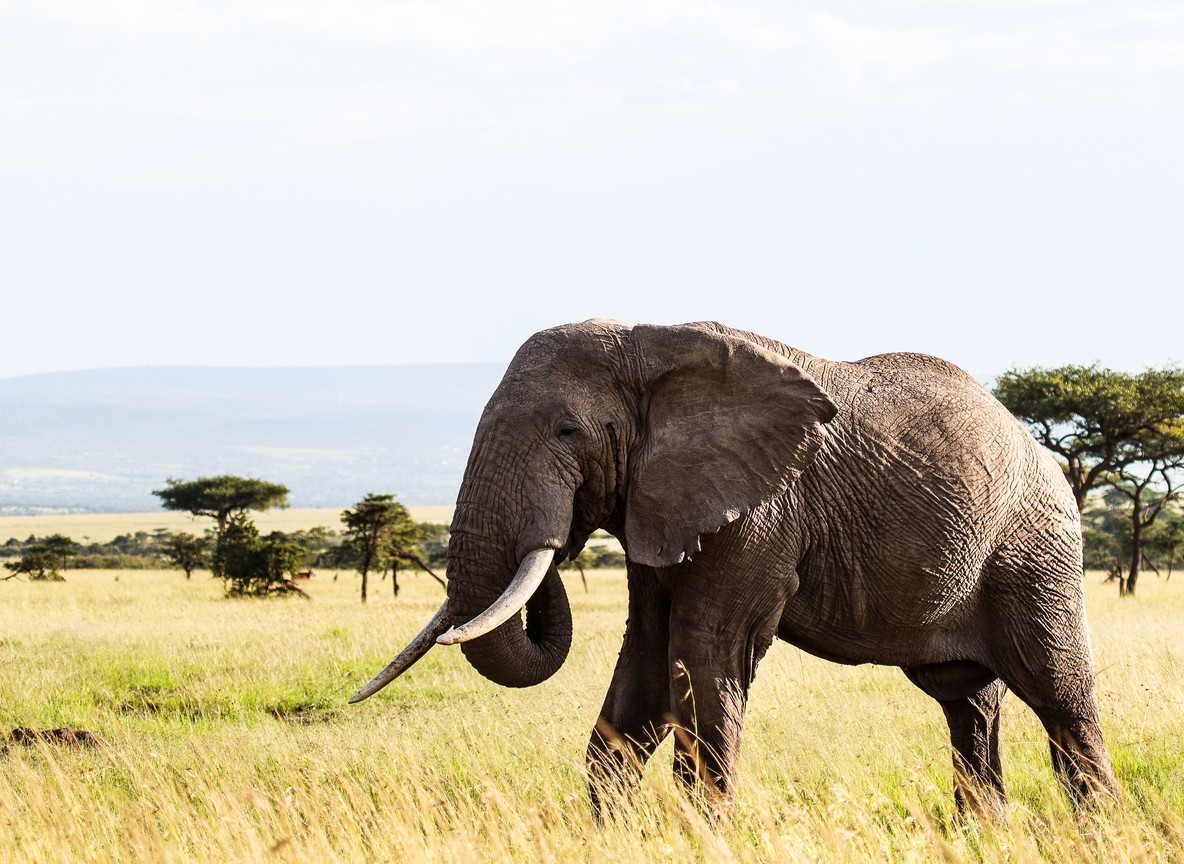
Both months have strong resident wildlife. Even when crossings are sparse, the dry-season concentration of predators, elephant, buffalo, and giraffe at water sources means game drives will not be quiet.
The Bottom Line
Masai Mara July vs August is not a question of better or worse. It is a question of which version of an extraordinary experience fits your priorities. July offers arrival energy, slightly lower crowds, and the chance to witness the first crossings of the season. August delivers the Great Migration at full density, with the highest crossing frequency of the year.
Both months require planning well in advance. Both deliver the quality of wildlife experience the Masai Mara is known for. Knowing the distinction between them is what allows you to choose the window that matches what you actually want to see.
Every trip described here can be tailored: dates, budget, camps, and pace built around you.
Get a Personalised Safari