Most Kenya safari planning conversations skip over the most important decision a Masai Mara visitor makes. It is not which lodge to book. It is whether you stay inside the National Reserve or in one of the private conservancies that border it.
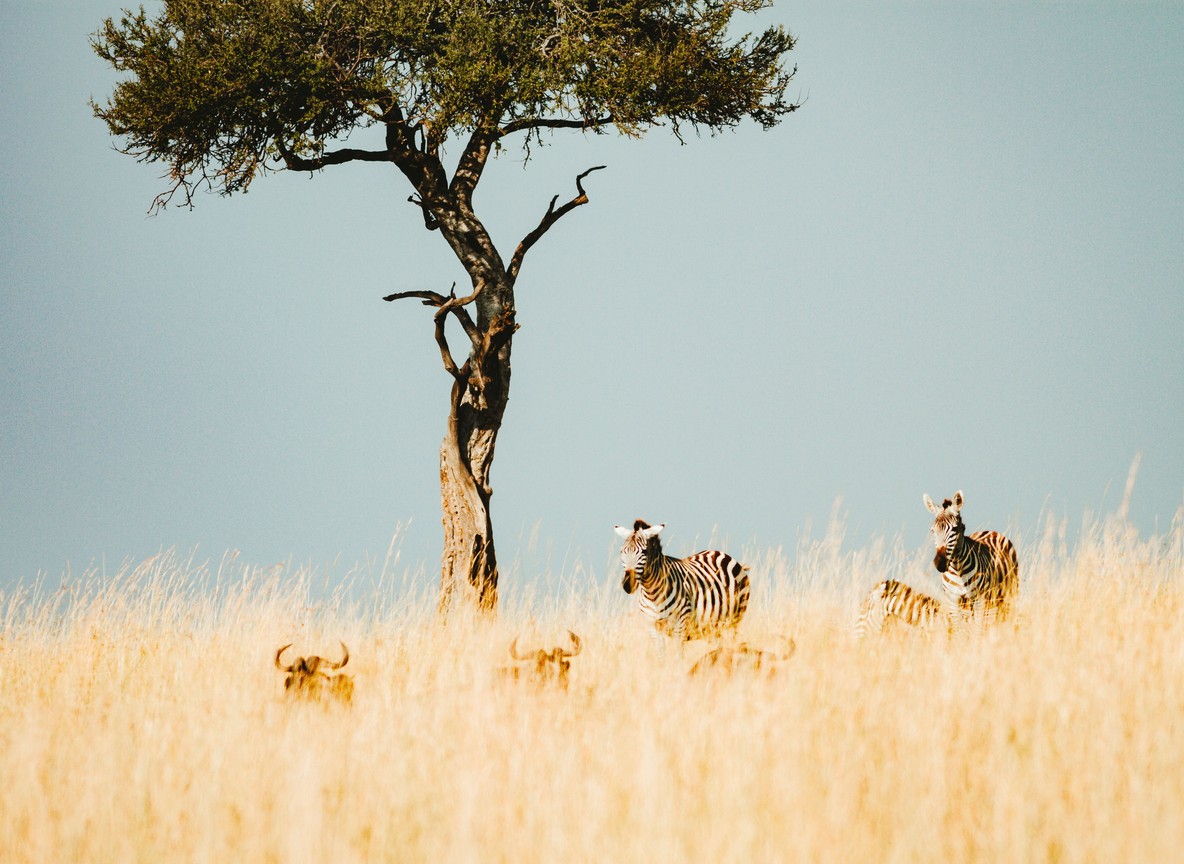
That choice determines the character of your game drives, what activities you can do after dark, how many other vehicles you share sightings with, and whether your conservation fee goes to a county government or directly to Maasai families keeping their land wild. Both options sit within the same ecosystem. Both give you access to the Big Five and the Great Migration. But the on-the-ground experience is genuinely different.
Here is an honest comparison of what each option delivers.
What the Masai Mara National Reserve Is
The Masai Mara National Reserve covers 1,510 square kilometres of open savanna in southwestern Kenya, governed by Narok County Council. It is one of Africa’s most famous wildlife areas and forms the Kenyan section of the broader Serengeti-Mara ecosystem, sharing a boundary with Tanzania’s Serengeti National Park.
During the Great Migration (July to October), the river crossings everyone comes to see happen along the Mara River, which forms part of the reserve’s boundary.
Entry fees apply to all visitors. As of 2026, non-resident rates sit around $80 per person per day, paid at the gate or bundled into your safari package. Any licensed operator can bring guests through any gate – there are no exclusive access arrangements inside the reserve itself.
That open access is the source of both the reserve’s appeal and its main limitation. During peak season, the most popular game-viewing circuits – particularly the Mara River crossing points and the Mara Triangle’s western grasslands – can see 50 to 100 vehicles converging on a single sighting. The wildlife is real. The numbers are also real.
What a Private Conservancy Is
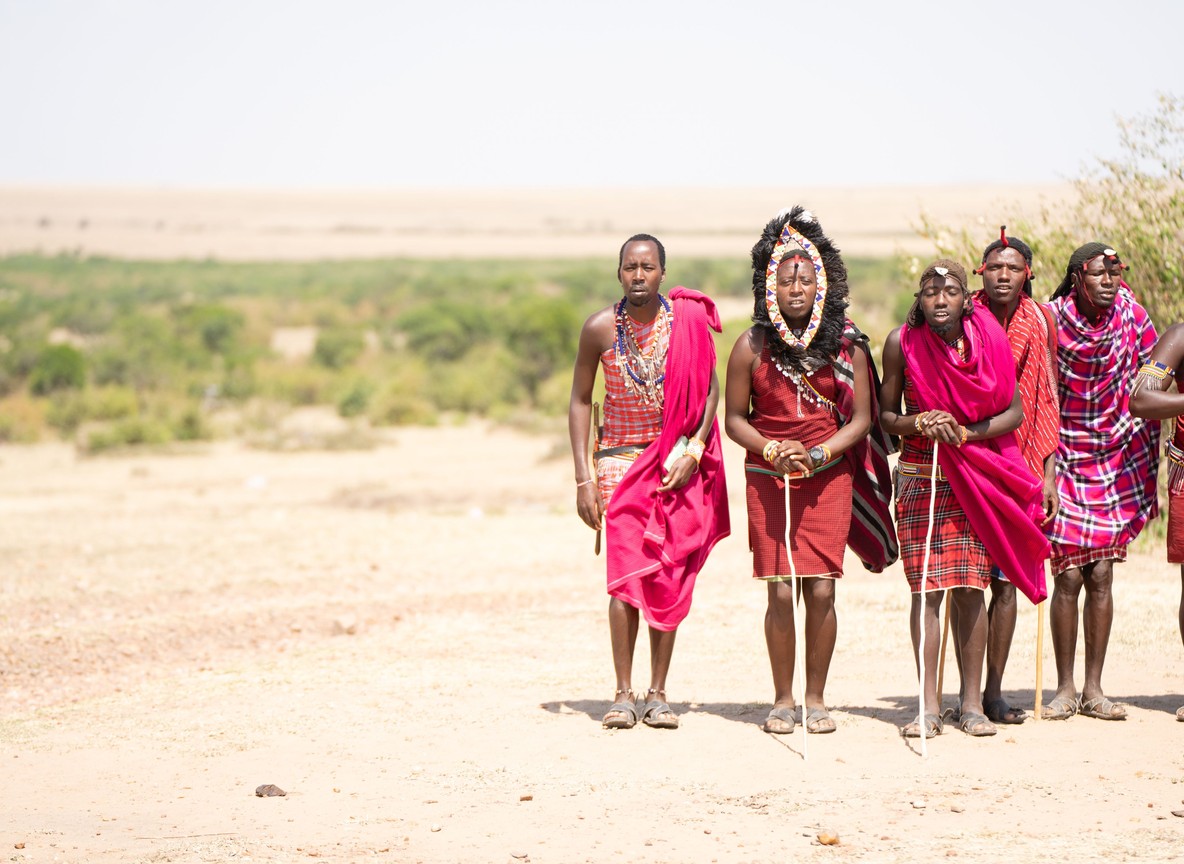
The private conservancies surrounding the National Reserve are a different product entirely. These are community-owned or privately leased parcels of Maasai land that adjoin the reserve boundary. The model traces to the early-to-mid 2000s, when land fragmentation and overgrazing were degrading the ecosystem outside the reserve’s protected boundary. Maasai landowners began pooling their parcels and leasing them collectively to tourism operators in exchange for steady monthly payments, restoring the land while giving families a direct, dependable income from wildlife instead of relying on livestock alone. Mara North Conservancy, formed in 2009 through an agreement between around 800 landowners and a dozen operators, is one of the better-documented examples of how the arrangement works. The most established include Olare Motorogi, Mara North, Naboisho, Ol Kinyei, Mara Nyika, and areas around Musiara Marsh.
Each conservancy grants exclusive access to a small number of camps, with strict limits on visitor numbers per square kilometre. Olare Motorogi, for example, covers roughly 33,000 acres and permits only a handful of permanent camps.
The conservation safari model here is built on land-use agreements: Maasai families receive income without losing land ownership, and in return the land stays wild rather than converting to agriculture or livestock-heavy grazing. This is not just a marketing story – it is the economic mechanism that has expanded the effective wilderness area of the Mara ecosystem from 1,510 km2 to well over 3,000 km2 over the past two decades.
Wildlife moves freely across conservancy boundaries and the National Reserve. The animals do not recognise the legal lines.
The Core Differences
| Factor | National Reserve | Private Conservancy |
|---|---|---|
| Vehicle density (peak season) | High – 50+ vehicles per sighting common | Low – 2 to 6 vehicles per sighting typical |
| Off-road driving | Prohibited | Permitted in most conservancies |
| Night game drives | Prohibited | Permitted |
| Walking safaris | Prohibited | Permitted (armed ranger required) |
| Fly camping and bush dinners | Not available | Available at premium camps |
| Daily camp rates | $300-$700 ppn mid-range | $600-$1,800 ppn luxury conservancy |
| Entry fees | $80/person/day | Usually included in camp rate |
| Community conservation contribution | Indirect (county council) | Direct to Maasai landowners |
Why Many Experienced Safari Travellers Choose the Conservancy
The point for these travellers is not seeing the most animals. It is being inside an experience that feels unrepeatable.
A single lion pride at a kill in a private conservancy means your vehicle stops, your guide talks, and you stay as long as the cats stay. There is no queue behind you waiting for the same angle. Your guide can edge off-track if the light is better from a different position. After dark, you drive back to camp along routes with their own nocturnal residents.
Walking safari access is the other factor that consistently matters to serious wildlife travellers. Inside the National Reserve, all guests stay in vehicles from gate entry to gate exit. In the conservancies, you can leave the vehicle and walk with an armed Kenya Wildlife Service ranger and your camp guide. Reading tracks, following a pride on foot, understanding the ecosystem at ground level – none of that is possible from a Land Cruiser seat.
The conservancy safari is not a premium version of the same product. It is a different product.
The Case for the National Reserve
There are situations where the reserve is the right call, and a good advisor will tell you which applies to you.
The Mara Triangle, administered separately by the Mara Conservancy NGO rather than Narok County, is the best-managed section of the National Reserve. Ranger patrols are stronger, roads are better maintained, and vehicle congestion is lower than the eastern sections. For travellers on a short Mara itinerary who are not exclusively focused on exclusivity, the Mara Triangle gives solid wildlife access at more accessible price points.
The Great Migration river crossings are also worth discussing honestly. During a high-density crossing event, you will have company regardless of which side of the boundary you are based on. The crossings happen at the river, and the river forms the reserve boundary in places. Some of the best crossing vantage points are accessible from conservancy land; others require reserve-side access. A knowledgeable guide matters more than the zone on crossing days.
For a first-time Kenya safari traveller combining Mara with Amboseli or Samburu, a reserve-based camp often makes logistical and budget sense. For a returning traveller, or anyone with more than four nights specifically in the Mara, the conservancy tends to be the stronger investment.
A Closer Look at the Main Conservancies
Olare Motorogi: Consistently excellent for big cat sightings, particularly cheetah and leopard. Shares a boundary with the reserve’s northwestern edge. Partner camps include some of the Mara’s most recognised properties. Best for photographers and travellers with three or more nights.
Mara North: The largest conservancy by area, typically accessed by fly-in from Nairobi’s Wilson Airport. Lower camp density than Olare Motorogi. Strong elephant movement through the northern section and less trafficked during peak season. A good starting point for a first conservancy visit.
Naboisho: The community structure is most explicit here – around 500 Maasai families participate directly in revenue sharing. Wildlife density is high, terrain is more varied than the open plains zones, and camps tend toward the intimate end of the scale. Worth considering for travellers who want the conservation context to be part of the experience, not just a footnote.
Ol Kinyei: The smallest of the main conservancies, operated by the Basecamp Foundation with community partners. Strict vehicle limits produce consistently low-traffic game drives. Well-suited to travellers who find the combination of community conservation and intimate camp scale compelling.
Explorer Notes
The conservancy vs reserve question also has a seasonal dimension. In peak season (July to October), the conservancy advantage in vehicle density is most pronounced. In shoulder months like January, February, and June, the main reserve is quieter and the price premium for a conservancy is less obviously justified – though the activity permissions (night drives, walking, off-road) remain a conservancy-only benefit regardless of season.
Flamingo Hill Tented Camp, Mara Naboisho, and similar conservancy camps typically charge their own conservancy fee that replaces the Narok County park fee. Read the fine print on what is and is not included in your camp rate before comparing costs.
Most multi-night Mara itineraries can be structured to include at least one full day inside the National Reserve (often timed around the river crossings during migration season) combined with conservancy-based nights. The two zones complement each other when the itinerary is sequenced correctly.
Which Option Fits Your Safari?
The reserve vs conservancy decision does not have a universal right answer. It depends on the time of year, how many nights you have in the Mara, your budget, and what you most want to do on the ground.
A few questions worth asking yourself before you book:
Do vehicle concentrations at sightings genuinely bother you? If yes, conservancy. Are night drives or walking safaris important to your experience? If yes, conservancy only. Is this a short stop of two nights within a longer Kenya itinerary? Reserve may be practical and sufficient. Is the Mara the centrepiece of your trip with four or more nights? The conservancy investment tends to pay off. Is budget a firm constraint? The reserve at the Mara Triangle end offers strong value without the conservancy premium.
Further reading on Tourinsights.com covers specific conservancy comparisons, seasonal planning, and how to structure a multi-park Kenya itinerary. For operator-level detail on conservancy access and camp options, trunktrailssafaris.com publishes updated notes from guides working across both zones.
Next Steps
Before booking, check what your camp rate actually includes. Some conservancy camps bundle conservancy fees and park access; others charge these separately. Clarify vehicle exclusivity (private vehicle vs shared game drive) upfront, as this shapes the experience more than the zone you are in.
For Kenya Wildlife Service regulations on walking safaris and permitted activities by zone, the KWS website is the authoritative source.
Tourinsights.com guides covering related decisions: Masai Mara peak vs shoulder season, Mara transport options fly vs drive, and how to compare specific conservancy camps for 2026.
If this guide has you ready to travel, a safari specialist can handle the route, camps, and logistics end to end.
Want to Book a Tour With Us?Further reading
More safari planning resources
- Kenya national parks map from Valley Safaris
- Compare Kenya safari packages on FindMySafari
- Best time to visit Kenya month-by-month map from Valley Safaris
- Kenya tour packages from Valley Safaris
Related guides: Private Villa vs Standard Tent in the Masai Mara: What Each Actually Delivers.