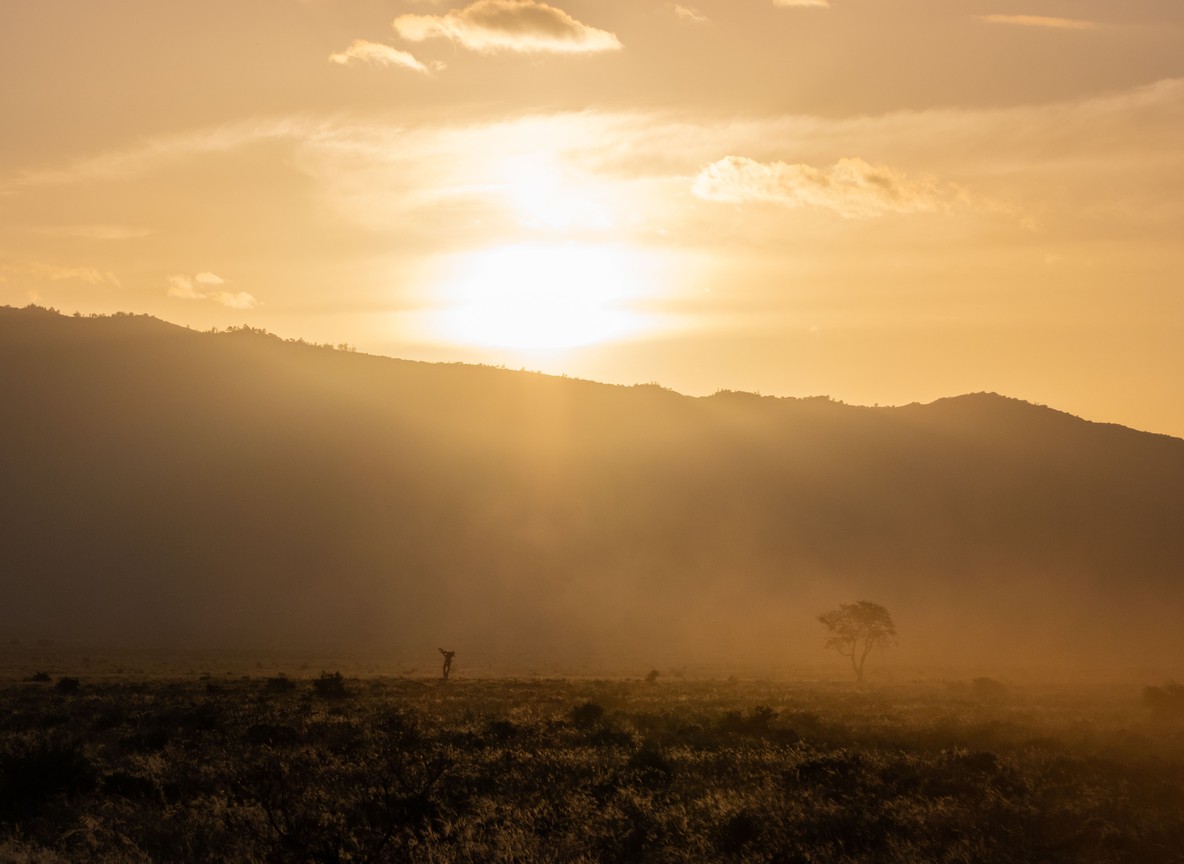
There is a particular moment that only happens on a fly camping night. The camp fire burns low. The generator at the main camp went off hours ago and you cannot hear it from here. The nearest road is eight kilometers behind you. Your guide chose this clearing this afternoon for three reasons: the wind direction keeps your scent downwind from the waterhole, the sightlines are clear, and this is a spot where animals have been moving for weeks.
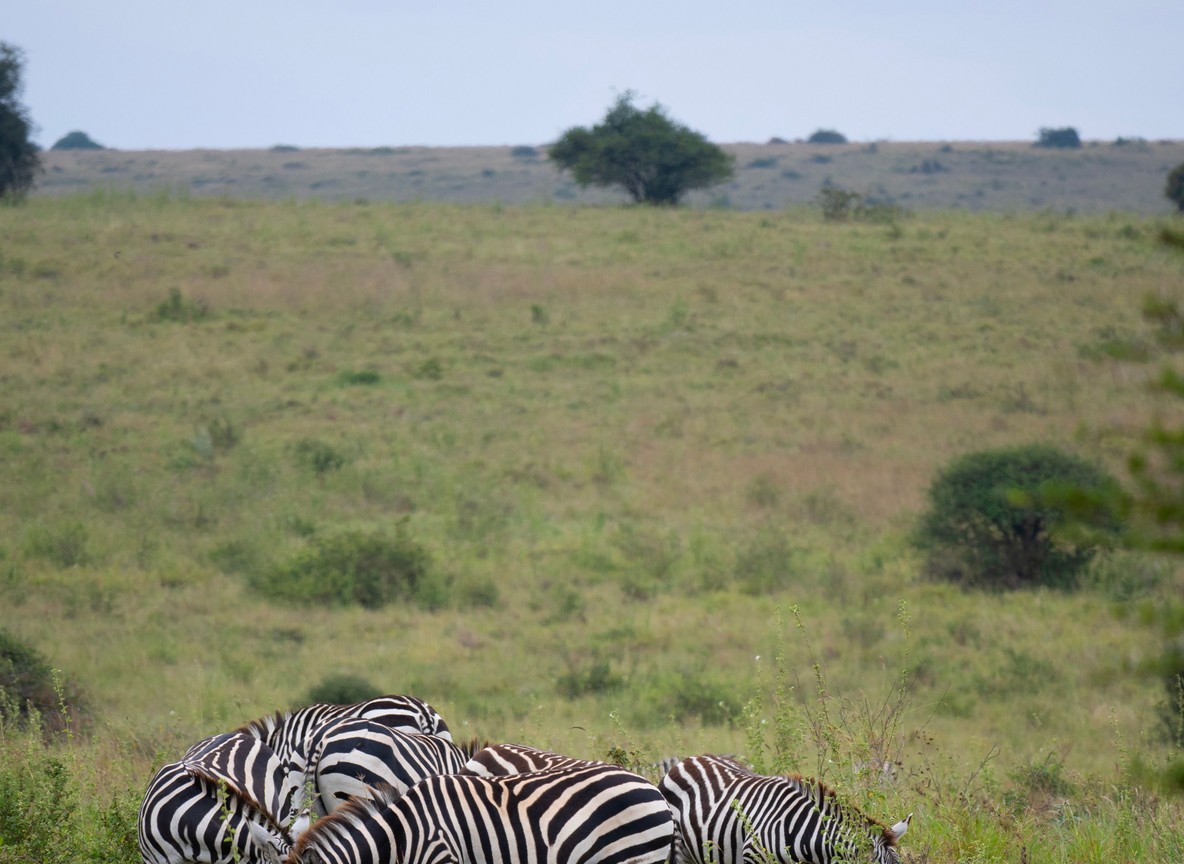
You are lying on a camp bed looking up at the Milky Way with no light from any town in any direction. A hyena calls from the darkness. Then an elephant tears at the grass forty meters to your left.
That is fly camping. It is not approximated at a lodge. It does not happen in a vehicle. It is what the African bush actually feels like when the infrastructure retreats.
What Fly Camping Actually Means
The term comes from the “fly” — the simple canvas or tarp shelter strung above the bed rather than a full tent structure. A fly camp is stripped down to the minimum: a sleeping surface, basic sanitation, food, fire, and professional security. That minimalism is not a compromise. It is the specification.
A typical fly camp setup in Kenya includes:
- 2-4 camp beds or low mattresses under individual canvas flies
- A small bucket shower heated by fire
- A basic camp toilet positioned downwind and screened by vegetation
- A campfire as the evening focal point and light source
- A bush dinner cooked on an open fire by a camp cook
- An armed ranger or guide present through the night
- No electricity, no Wi-Fi, no generator
The last line is what defines the experience. Fly camping works precisely because the usual barriers between traveler and environment are removed. The sounds arrive unfiltered. The dark is actual dark. The proximity to wildlife is not simulated.
How a Fly Camp Day Works
Fly camping typically sits inside a wider safari itinerary. You do not arrive at a fly camp from an airport. You start at a main tented camp, spend one or two days establishing your rhythm, and then the fly camp is offered as a one or two-night field excursion. The contrast between the full-service camp and the fly camp is part of what makes both experiences sharper.
Afternoon departure: After the morning game drive and lunch, a vehicle loads the minimal fly camp kit. The site has been scouted in advance. Site selection accounts for proximity to water, wind direction (which determines where animals approach from), vegetation cover, and the activity pattern of that specific area.
Setup: In many operations, two staff members travel ahead to have the camp ready on arrival. Beds positioned. Fire laid. Bucket shower filled. Water carried in.
The walk or drive in: Some operators walk to the fly camp rather than drive. An hour through open bush at golden hour, with a guide reading the landscape as you move, is consistently cited by travelers as the most memorable hour of their entire Kenya trip. Not the lion kill, not the migration crossing — the walk to the fly camp.
Bush dinner: A three-course meal prepared on an open fire, eaten under stars with the sounds of the African night beginning around you. A good camp cook working an open fire in the Mara bush produces food that is no lesser than a lodge dinner. The setting makes it something else entirely.
Night: The guide and ranger keep a watch rotation through the night. You sleep knowing that the professional next to the fire is reading every sound in the dark. This is not performative — it is how fly camping operates safely in big game country.
Dawn: Morning begins before light. Tea at your bedside. A walking safari from the fly camp location at first light, when the bush is most active and the light is at its most extraordinary. This is typically the best wildlife encounter of the entire safari.
Where Fly Camping Works Best in Kenya
Not every Kenya park or conservancy is appropriate for fly camping. It requires proper licensing, experienced personnel, and a landscape that justifies the format.
Masai Mara ecosystem (Mara North, Olare Motorogi, Naboisho conservancies): The private conservancies permit fly camping in ways the national reserve itself does not. Open grassland terrain allows full sightline management. The Mara’s predator density means the nighttime soundscape is intense and the wildlife proximity is genuine. This is the most common context for organized fly camping in Kenya.
Laikipia Plateau (Loisaba, Borana, Ol Pejeta area): Some of Kenya’s finest fly camping experiences are in Laikipia. The varied terrain — open plains, riverine bush, rocky hillside — creates habitat diversity that a permanent camp cannot replicate. Loisaba specifically offers a star beds experience (raised platforms in the trees above the plains) that is adjacent to fly camping in philosophy but adds the dimension of elevation and open sky that makes it distinctly Laikipia.
Samburu National Reserve area and the Mathews Range: The semi-arid terrain of Samburu and the northern ranges is excellent for fly camping. The sparse vegetation, the enormous night sky, and the different cast of characters — elephant, lion, leopard in drier country — make for a fly camp experience different in character from the Mara. The Mathews Range in particular offers genuine remoteness that few accessible Kenya experiences can match.
Tsavo ecosystem: Tsavo East and West suit more experienced fly campers. The scale is immense, the wilderness character is real, and the night sky at altitude in dry Tsavo is exceptional. Suitable for travelers who specifically want remoteness over curated experience.
Fly Camping for Couples and Romantic Travel
Fly camping works for many purposes but fits a particular kind of romantic trip especially well. This is not the romance of a luxury tent with a copper bath and rose petals. It is two people in the African wilderness with nothing between them and the sky, sharing an experience that is specific to this night, this location, and this moment and will not be repeated.
A honeymooner or anniversary itinerary that moves from two nights at a luxury tented camp to one night at a fly camp uses the contrast deliberately. The bush dinner under stars lands differently after you have eaten two well-served lodge dinners. The silence of the fly camp hits differently after two nights of camp sounds softened by tent walls and generator hum.
This also works strongly for couples who have done a standard lodge safari previously and want to return to Kenya with a deeper engagement with the landscape. Second-time Kenya travelers consistently describe the fly camp night as the experience that reset what Africa could mean to them.
Building a Fly Camp Into Your Kenya Itinerary
Fly camping works best as one or two nights within a longer trip rather than as the entire format. A typical circuit structure:
5-night Mara circuit with fly camp: Fly to Mara North airstrip (45 minutes from Wilson Airport). Nights 1-3 at a full-service Mara North tented camp with standard morning and evening game drives. Night 4: fly camp positioned in the field by afternoon game drive, bush dinner, dawn walk. Night 5: return to main camp for final morning drive. Fly back to Nairobi.
This structure gives the full range of Mara North experiences including the contrast that makes the fly camp night feel like a separate event rather than just a different bedroom.
7-night northern Kenya circuit: Samburu National Reserve (3 nights) combined with Laikipia at Loisaba (3 nights), with one night as a star beds or fly camp experience on the escarpment. The seventh night returns to Nairobi for onward travel.
The context matters. The fly camp’s power comes partly from contrast. Walking away from a functioning camp into a stripped-down bush position is an editorial decision in the structure of a safari. Getting that sequence right — which nights are at the main camp, which is the fly camp — determines whether the experience lands as intended.
What to Pack for a Fly Camp Night
The philosophy is minimal. One small daypack from the main camp is the format.
| Item | Notes |
|---|---|
| Warm layer | Nights in the Mara, Laikipia, and Samburu are genuinely cold (10-15 degrees C). Non-negotiable. |
| Head torch | Camp lighting is fire-based. A torch is essential for any night movement. |
| Insect repellent | Bring more than you think you need. |
| Camera with low-light capability | Dawn and dusk conditions are exceptional; standard kit limits what you can do. |
| No hairdryer, laptop, or charging equipment | There is no power. Leave electronics at the main camp. |
The camp provides all bedding, towels, food, water, fire, and security. You arrive with a daypack. That is the practice of fly camping as a philosophy as much as a logistics note.
Safety at a Fly Camp
First-time fly campers ask about safety more than any other aspect of the experience. The honest answer is more useful than reassurance.
A fly camp in a Kenya conservancy is a managed risk environment. The guide and ranger present through the night have active roles — monitoring the camp perimeter and managing wildlife that approaches. Lions, hyenas, and elephants all move at night and all have the potential to come close to a fly camp. This is not a problem to be solved. It is the nature of what you are doing.
The professional safety record of well-run fly camps in Kenya is strong. The incidents that do occur are almost always traceable to operational failures — inadequate guide experience, poor site selection, insufficient fire management — rather than to the format itself.
Standard safety protocol at a properly run fly camp includes:
- Perimeter fire: A fire maintained through the night. Most large animals instinctively avoid fire. Position is chosen to create a light boundary without creating a wind hazard to the camp.
- Ranger watch rotation: Two-person teams in higher-density areas. One guide maintains fire watch while the other rests in rotation.
- Client briefing: Before departure, guests are briefed on what to do if they hear or see an animal close. Stay still, stay quiet, alert the guide by voice. No torchlight directed at animals.
- Emergency extraction: Every fly camp should run with direct communication to the main camp via radio or satellite messenger. Professional operations can extract from any fly camp site within 30 minutes.
Ask specifically about these protocols before booking any fly camp experience. A camp that cannot describe its night watch procedure clearly is a camp worth questioning further.
Explorer Notes
- Site selection is everything. The guide’s ability to read a landscape and choose a position that balances wildlife proximity with safety margin is the most important skill in a fly camp operation. This is worth asking about specifically.
- One night is usually the right length for a first fly camp experience. Two nights can work but the novelty of the stripped-down format is generally most powerful in the first night. The second night is for travelers who already know they want more of it.
- The walk to the fly camp, where that option exists, is often more memorable than the fly camp night itself for first-timers. The guided walk through open bush to a camp you cannot yet see engages the landscape in a way that driving to it does not.
- The Laikipia star beds format is worth considering for travelers who want the night sky experience with additional physical security and the visual drama of sleeping above the plains. It is adjacent to fly camping but not identical — the elevated platform and the permanence of the structure are meaningfully different.
Conclusion
Fly camping in Kenya is the experience that requires the most trust in the operator and delivers the most directly personal version of what the African bush actually is. The safari vehicle, the tented camp, the lodge — all of these mediate between the traveler and the environment. The fly camp removes those mediators.
Whether that sounds appealing or unsettling is a reasonable filter for whether you should do it. Travelers who want to be in the landscape rather than looking at it from a comfortable distance are the travelers who come back from a fly camp night having found what they were looking for.
Next Steps
- Research which conservancies adjacent to your planned Mara camp permit fly camping and what the guide credentials look like. Not all operators running fly camps have the same depth of experience.
- If you are considering Laikipia, the star beds experience at Loisaba is a good starting point for travelers who want to explore the fly camp format with a slightly more structured framework than a fully stripped-down bush camp.
- The Touringinsights.com Kenya conservancy guides cover Mara North, Olare Motorogi, and Laikipia in detail, including which operations offer walking and overnight field experiences.
- For on-the-ground planning support, trunktrailssafaris.com runs fly camp circuits in the Mara ecosystem and Laikipia with guides who have specific night-camp experience in those conservancies.
Prefer a different route, budget, or travel style? This plan can be adapted to fit.
Customise Your TripFurther reading
- Magical Kenya (Kenya Tourism Board)
- Kenya Wildlife Service
- Maasai Mara Wildlife Conservancies Association