Fairmont Mara Safari Club sits inside Olchoro Oirowua Conservancy at the northern edge of the Maasai Mara ecosystem. It is a big-brand property in a landscape where most camps are independent and boutique, which makes it worth understanding clearly before you commit. This guide covers what the location actually means for your safari, what the property offers day to day, and how to decide whether it is the right fit for your trip.
Why Location Is the First Thing to Understand
Safari accommodation is not just a place to sleep. Where your camp sits determines how your days are structured — which game drives are possible, how long the transfer from the airstrip takes, and which wildlife zones you can reach without burning half a morning in the vehicle.
Fairmont Mara Safari Club is positioned within Olchoro Oirowua Conservancy, which sits adjacent to the main Maasai Mara National Reserve. Conservancy positioning generally carries real advantages: fewer vehicles at sightings, the possibility of off-road driving within the conservancy boundary, and sometimes night drives, which the national reserve itself does not permit.
The full reserve map and official information on game areas is held by the Kenya Wildlife Service at www.kws.go.ke. Understanding where the reserve and conservancy boundaries fall is worth doing before you choose a camp.
Key location questions to have answered before booking:
- How far is the camp from the main reserve boundary?
- Which airstrip do guests use, and how long is the ground transfer?
- Can morning drives begin from camp before sunrise?
- Does the camp offer conservancy-only game drives and does that count toward your daily quota?
The Fairmont Brand in a Safari Context
Fairmont is an internationally recognised hotel brand with a long history of managing properties in exceptional landscapes. In Kenya specifically, the brand is associated with long-established properties with consistent service standards. For travelers who find comfort in predictable operational quality — reliable hot water, well-run dining, trained staff — that brand background provides a level of assurance.
The flip side of large-brand safari properties is that they can feel less immersive than smaller camps. A 60-tent property with a full-service restaurant and bar has a different atmosphere than a 10-tent independent camp where the guide eats dinner with guests and the day’s sightings get discussed over a campfire. Neither is better universally. They suit different kinds of travelers.
If you are on your first safari, the operational reliability of a Fairmont property can reduce the anxiety of the unknown. If you are returning for a second or third Kenya trip and want a deeper bush feel, you might compare Fairmont against smaller conservancy camps in Mara North or Olare Motorogi.
Game Drives and Wildlife Access
What the Conservancy Setting Offers
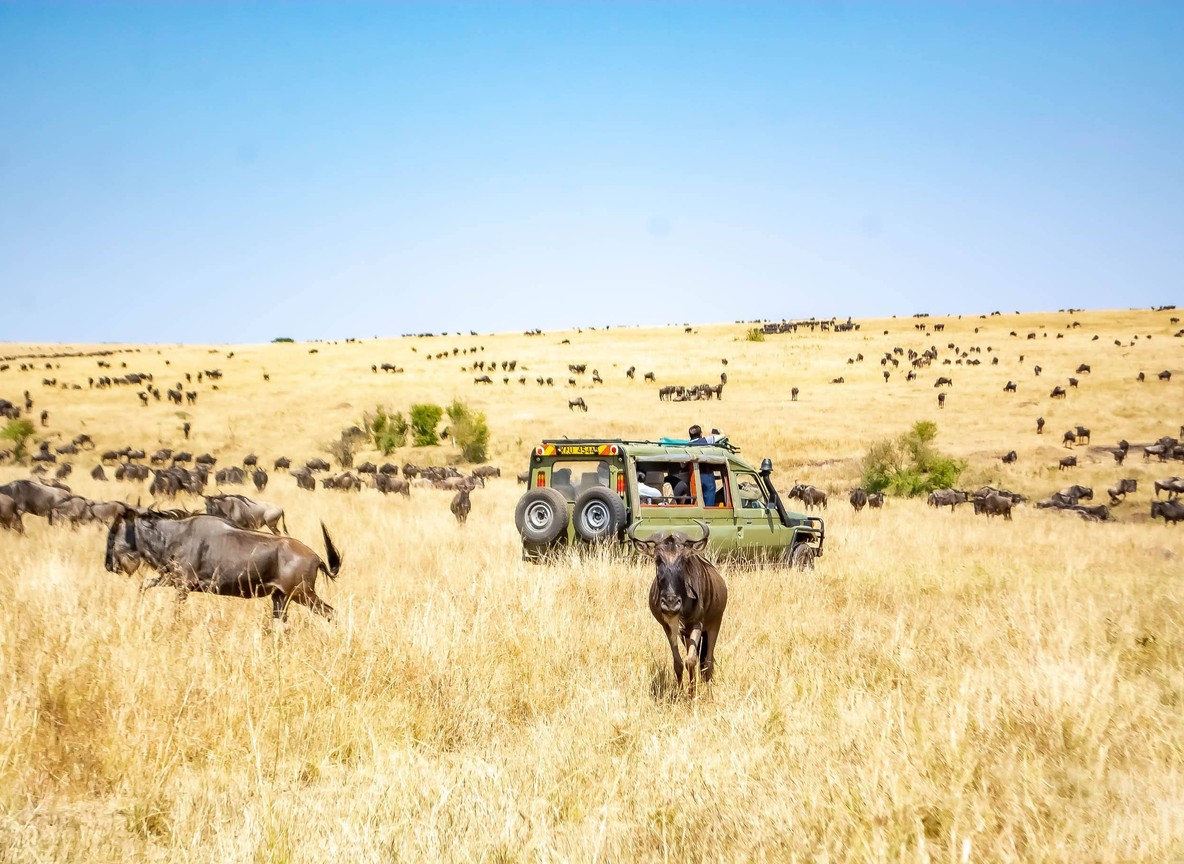
The Maasai Mara ecosystem is most famous for the wildebeest migration, which runs through the conservancies and reserve boundary from approximately July through October. But resident wildlife — lion prides, cheetah, elephant herds, giraffe, hippo along the river — is present year-round.
A conservancy camp like Fairmont Mara Safari Club typically has access to both the conservancy land and the national reserve, meaning guests are not restricted to one zone. The practical advantage is route variety: morning drives can work the conservancy plains while afternoon drives cross into the reserve for different terrain and different concentrations of game.
Guide Quality and Daily Drive Structure
The camp itself is infrastructure. What produces wildlife sightings is guide quality and drive timing. The best guides in the Mara are not uniformly distributed across all camps. Asking specifically about guide experience — which conservancies they have worked, how long they have guided in the Mara — is worth doing before you book.
Most Mara safaris structure around a 6am departure, a return to camp by 10am for breakfast, a midday rest through the hot hours, and an afternoon drive from around 4pm until sunset. The time you spend in the vehicle productively depends more on your guide’s knowledge of current animal movement than on which camp you stayed at.
Facilities and Daily Life at the Camp
Accommodation Setup
Fairmont Mara Safari Club offers a range of room types in a larger-format property. Tent configuration, bed type, bathroom setup, and family room availability are all details worth confirming directly because they affect whether the property fits your specific travel group.
Safari days run to a rhythm that is largely independent of the room itself. You leave early, return for food, go out again, return at dark. The tent or room matters most for that window in the middle of the day when the heat peaks and the bush quietens. Good curtains, a reliable fan or air movement, a comfortable bed for a midday rest — these are the practical considerations.
Specific questions worth asking before booking:
- Are rooms air-conditioned or do they rely on natural ventilation?
- What are the power and charging arrangements?
- Is the hot water heated by solar, gas, or an electric system, and how reliable is it?
Food and Shared Areas
Fairmont properties run formal mealtimes aligned with the game drive schedule. Breakfast before the morning drive is typically a lighter arrangement — tea, coffee, something to eat quickly in the dark. The full bush breakfast is often served in the field or back at camp after the morning drive ends.
Dinner at larger camps like Fairmont tends toward a more structured restaurant format rather than the shared-campfire meal of a smaller tented camp. The food standard at a major brand property is generally consistent.
Migration Season and When to Visit
Peak Season: July to October
This is when the wildebeest and zebra herds pour across from the Serengeti and the famous Mara River crossings happen. Demand at all camps peaks during these months and Fairmont is no exception. Rates are at their highest, availability tightens months in advance, and the number of vehicles at popular crossing points can be significant.
If the migration is your reason for visiting, July to September covers the core crossing window. Early July often sees the first herds cross into the Mara. The crossings become more frequent and intense through August and slow down in October as the herds begin drifting back south.
Shoulder and Green Season: November to June
The camp operates year-round. Resident wildlife is present in every month. The green season (roughly November through May) offers better rates, fewer visitors at sightings, and landscapes that are genuinely beautiful in a different way — lush grass, dramatic skies, excellent wildflower cover.
For photographers, the green season’s afternoon light and uncrowded plains are often more rewarding than the peak-season scramble at river crossings. For first-time visitors who want guaranteed variety of sightings and a camp running at full capacity, the dry season remains the more reliable choice.
Explorer Notes
- The Fairmont name carries brand recognition that smaller boutique camps do not have. If peace of mind from a known operator matters to you, that has value.
- Olchoro Oirowua Conservancy’s position gives access to less-trafficked terrain outside the main reserve. Ask the camp specifically how they use conservancy access in daily drives.
- The property is large by Mara standards. If an intimate camp feel is important, compare it honestly against smaller alternatives before committing.
- Migration-season rates at any major Mara property require early planning. By the time you are searching with 60 days to go, the best rooms are often already allocated.
- The Mara ecosystem sits at roughly 1,500m elevation. Mornings and evenings are cold. Pack a proper warm layer regardless of your travel month.
How Fairmont Compares to Other Maasai Mara Options
The Mara has more than 100 camps spread across the national reserve and surrounding conservancies. The key variables when comparing are: conservancy versus reserve location, camp size, guide quality and ratio, and what is included in the daily rate.
Fairmont Mara Safari Club sits in the larger-format, brand-managed category. Smaller boutique camps in Mara North, Olare Motorogi, and Naboisho tend to offer more exclusive guiding ratios and a more immersive bush atmosphere at higher prices. Reserve boundary camps on the Sekenani or Talek side tend to be more accessible by road and cover a wider price range.
For a genuine side-by-side comparison of what different conservancies and camp types offer, the Touringinsights.com destination guides cover the Mara ecosystem in detail.
Conclusion: Is Fairmont Mara Safari Club Right for You?
Fairmont Mara Safari Club works best for travelers who want:
- A well-run larger property with brand-standard service reliability
- Conservancy access with room for off-road driving and night drives
- A Maasai Mara base that can accommodate family groups or those who prefer a hotel-adjacent comfort level over a rougher bush camp feel
It is worth comparing carefully if you value a small camp ratio, an independent atmosphere, or the most remote wilderness feel possible. In those cases, a boutique conservancy camp in Mara North or Olare Motorogi might be a better match.
No single camp is right for everyone in the Mara. Matching the property to the kind of experience you actually want produces better outcomes than choosing by brand name or reputation alone.
Next Steps
- Read the Touringinsights.com Maasai Mara conservancy overview to understand the ecosystem map before choosing a camp zone.
- Compare Fairmont against 2-3 alternative camps using the same criteria: conservancy access, game drive structure, camp size, and included activities.
- Book migration-season dates at least 6 months in advance regardless of which property you choose.
- Visit trunktrailssafaris.com for Kenya-based itinerary planning support and Mara camp comparisons from operators who know the properties on the ground.
Have questions about this itinerary or destination? Get answers from a safari specialist before you commit.
Inquire More