If you have done the Masai Mara twice and Amboseli at least once, Samburu National Reserve is the park that makes northern Kenya feel like a different country. Not because it is remote for its own sake, but because the Ewaso Ng’iro River cuts through a semi-arid landscape that looks and feels nothing like southern Kenya, and the wildlife here is an entirely different cast. The Samburu Special Five are not found together anywhere else in the country. The camps are genuinely small and well-run. And the vehicle concentrations that build in the Mara between July and October are largely absent.
This guide is written for travelers who have already covered the classic Kenya circuit and want to know what Samburu actually delivers: specific wildlife targets, honest camp comparisons, timing windows, and the practical context needed to plan it well.
What Makes Samburu Different From Southern Parks
Samburu sits in Isiolo County at roughly 900 metres above sea level, just north of the equator. The Ewaso Ng’iro River forms its southern boundary and is the single most important ecological feature in the reserve. It is where elephant herds come to drink at dawn, where crocodiles bask on the banks, and where the northern species that define Samburu concentrate on the riverine vegetation.
The climate is drier and hotter than the Mara. Annual rainfall averages 350mm, compared to over 1,000mm in the Mara ecosystem. That aridity explains why the Special Five exist here and not in the wetter south. The semi-desert habitat has shaped species that do not depend on abundant water or lush grass, and those species are the reason repeat safari travelers keep returning.
The reserve covers 165 square kilometres and is managed by the Kenya Wildlife Service in partnership with surrounding community conservancies, including Buffalo Springs and Shaba, which together form a larger northern wildlife ecosystem worth understanding before you book.
The Samburu Special Five: A Target List for Repeat Travelers
The term “Special Five” refers to five species endemic or near-endemic to northern Kenya. If you are coming from the Mara or Amboseli, none of these will be on your previous trip list.
Reticulated Giraffe. The most visually distinct giraffe subspecies in the world. The coat pattern is a sharper, cleaner mosaic of dark polygons on a cream background, quite different from the blotched Maasai giraffe of southern Kenya. Sightings are reliable year-round because the riverine acacias they browse are concentrated along the reserve’s main tracks.
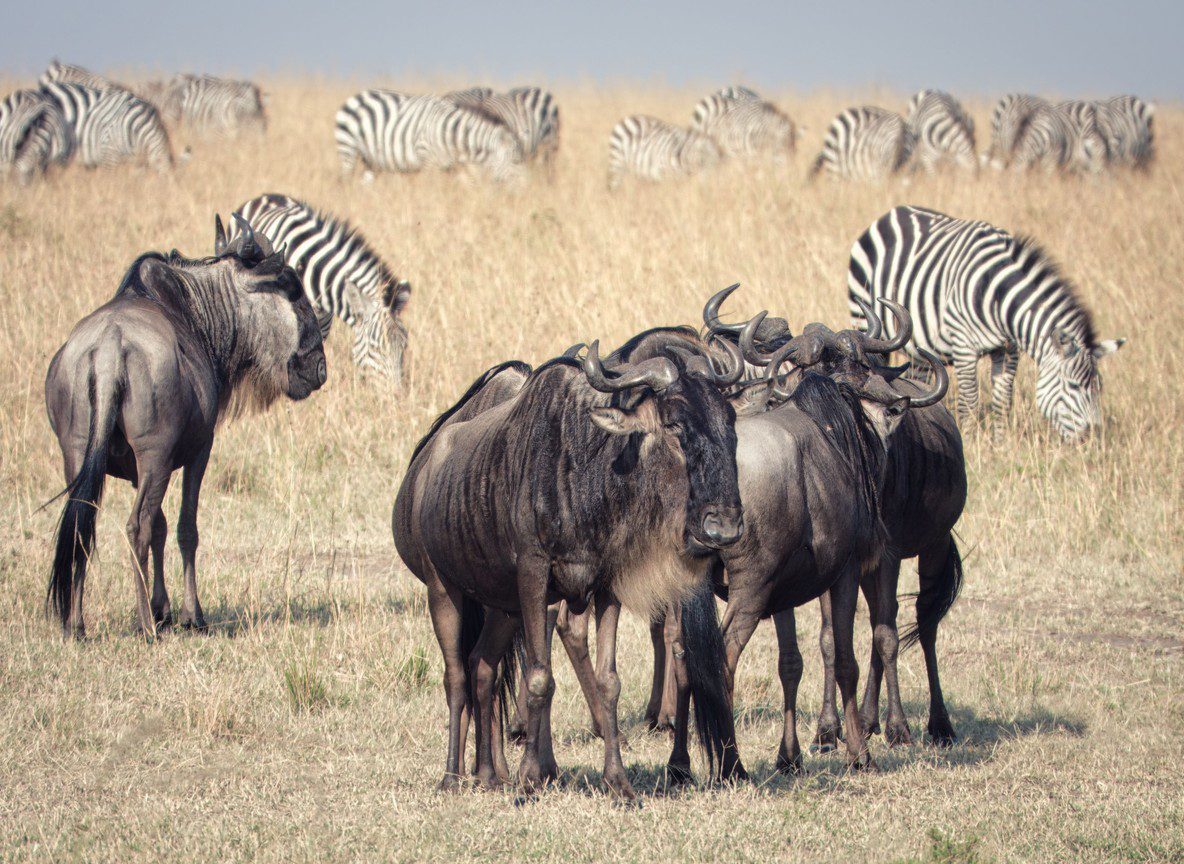
Grevy’s Zebra. The largest wild equid in the world. Grevy’s has narrower stripes than the common plains zebra, a white belly, larger rounded ears, and a distinctly different social structure: stallions hold territories rather than forming permanent herds. Listed as Endangered by the IUCN, with Kenya holding around 2,600 of the estimated 3,500 global population. Samburu is one of the most reliable places on earth to see them.
Gerenuk. The most photographed of the five, for good reason. This long-necked antelope stands on its hind legs to browse acacia branches up to two metres high, exploiting food that no other antelope can reach. Sightings require patience: they prefer dense scrub where they blend against brown vegetation. Late-afternoon drives are most productive.
Somali Ostrich. Distinct from the common ostrich by the blue-grey neck and legs of breeding males, compared to the pink neck of the Masai ostrich. Typically seen in open grassland areas in the eastern sections of the reserve.
Beisa Oryx. Stocky, pale grey with black facial markings and long straight horns that can exceed 90cm. Adapted for extreme heat, capable of tolerating body temperatures that would be fatal to most mammals. Often seen in open areas away from the river.
Where to Stay: Camp Comparison
The camps in Samburu are concentrated along the Ewaso Ng’iro River. The good ones face the river or back onto it, which means you can watch wildlife come to drink from your tent or suite deck. Here is an honest comparison of the main options for experienced travelers:
| Camp | Style | Location | Rooms | Best For |
|---|---|---|---|---|
| Elephant Bedroom Camp | Luxury tented | River frontage, Samburu NR | 12 tents | Wildlife photography, small groups |
| Sasaab Camp | Luxury lodge | Westgate Community Conservancy | 9 suites | Panoramic views, community immersion |
| Saruni Samburu | Luxury lodge | Private conservancy adjacent | 6 villas | Exclusivity, off-reserve game drives |
| Samburu Sopa Lodge | Mid-range lodge | Inside Samburu NR | 67 rooms | Larger groups, value tier |
| Samburu Intrepids | Mid-range tented | River, inside Samburu NR | 30 tents | River access, family travel |
Elephant Bedroom Camp is the standout for serious wildlife travelers. Twelve tents on the river, each elevated above the bank, with an open-sided lounge that functions as a wildlife hide from mid-morning onward. Elephant herds regularly walk within metres of the tents. Photography logistics are taken seriously by the guides.
Sasaab Camp sits technically outside the reserve, on Westgate Community Conservancy. The elevated position gives extraordinary views over the Ewaso Ng’iro valley, and guides have community-area access that is entirely separate from the KWS reserve routes. Game drives in the conservancy encounter less vehicle traffic than the reserve tracks.
Saruni Samburu operates on a private conservancy adjacent to the reserve. Six villas, an exclusive atmosphere, and a community partnership model with Samburu people that goes well beyond a cultural village visit.
For experienced travelers, Elephant Bedroom or Sasaab are the default recommendations. Both are small, genuinely managed rather than simply operated, and have guide quality that can keep pace with more demanding questions.
Best Time to Visit: Dry Season vs Wet Season
Samburu has two dry seasons and two wet seasons per year, which gives more flexibility than the Mara’s single peak window. The timing also differs from southern parks, making Samburu a natural complement on a combined northern circuit.
| Season | Months | Conditions | Wildlife Visibility |
|---|---|---|---|
| Long Dry | June to October | Hot, clear, minimal rain | Best: animals concentrate at river |
| Short Rains | November | Brief afternoon showers, some mud | Good: migratory birds arrive |
| Short Dry | December to March | Warm, dry, occasional cloud | Very good: quieter camps, green vegetation |
| Long Rains | April to May | Sustained rain, some tracks impassable | Lower: wildlife dispersed |
June to October is the peak window: hot (35 to 38 degrees Celsius at midday), dry, and exceptional for wildlife concentrations at the river. This overlaps with Mara migration peak, so travelers who want both experiences can split the trip: Samburu in June or early July, Mara from late July through September.
December to March is the underrated choice. Camps are quieter, rates are typically 15 to 20 percent lower than peak, and the short dry period after the November rains leaves the vegetation greener than June without the track conditions of the long rains. Special Five sightings are just as reliable because these species do not migrate.
April and May are best avoided unless birding is the primary goal and muddy tracks are acceptable. The long rains can make the murram roads difficult and some camps close for maintenance during this window.
Getting to Samburu from Nairobi
Samburu is 350km north of Nairobi on the A2 highway via Nanyuki, continuing through Isiolo to the reserve gate. The drive takes five to seven hours depending on traffic out of Nairobi and road conditions north of Isiolo. It is a long but manageable overland day if you leave early.
For three to five day safaris, the fly-in option makes better use of your time. Airkenya and Safarilink operate scheduled services from Wilson Airport in Nairobi to Samburu airstrip (also called Buffalo Springs airstrip), with a flight time of approximately one hour. Charter options are available for groups or those combining Samburu with Lewa or Laikipia.
A practical northern Kenya circuit: fly Nairobi to Samburu (two to three nights), overland or charter to Ol Pejeta or Laikipia (two nights), return to Nairobi. This gives you Special Five wildlife plus rhino in a single efficient loop. Our guide to Ol Pejeta Conservancy covers what to expect when combining it with a Samburu visit.
What to Pack for Samburu
The heat in Samburu is a genuine factor. Midday temperatures in June to October regularly reach 37 to 40 degrees Celsius. The semi-arid landscape offers almost no shade outside of the riverine strip, and open game-drive vehicles mean full sun exposure during drives.
Practical adjustments for Samburu compared to packing for the Mara:
- Lightweight shirts that dry fast: cotton becomes heavy when sweat-soaked; merino or technical fabrics handle 38-degree heat better
- High-SPF sun protection: the flat landscape means UV exposure on all sides during open drives
- Dust-rated camera gear: the murram tracks generate fine red dust that settles on everything
- Warm layer for mornings: dawn drives start cold at 15 to 18 degrees Celsius before the heat builds sharply after 8am
The Ewaso Ng’iro riverbanks fall within a malaria zone. Prophylaxis should be discussed with a travel medicine clinic before departure. This applies across all Kenyan savannah parks.
Understanding the Broader Northern Kenya Ecosystem
Samburu National Reserve is the headline destination, but the three-reserve complex of Samburu, Buffalo Springs, and Shaba offers a broader picture of northern Kenya’s wildlife landscape. Most visitors focus on Samburu alone, but experienced travelers who spend an extra night and cross into Buffalo Springs find different terrain, different track conditions, and often fewer vehicles.
Westgate Community Conservancy, which borders the reserve to the west, adds another layer. Guests staying at Sasaab access Westgate as part of their game drive program, covering ground that KWS reserve routes do not reach. Night drives, not permitted inside the national reserve, are available in Westgate, which changes the predator experience considerably.
For a detailed breakdown of how these areas compare, our guide to Samburu, Buffalo Springs, and Shaba covers the differences for visitors deciding how to split their time in the north.
Planning Your Samburu Safari
How many days do you need? Two nights is the functional minimum to cover the core wildlife targets across multiple drives. Three nights is the standard recommendation for travelers who want unhurried Special Five sightings and time to explore the river sections beyond the main tracks.
Can you combine Samburu with Ol Pejeta? Yes, and it works well. Samburu (two to three nights) plus Ol Pejeta or Laikipia (two nights) is a well-structured four to five night northern loop. Fly into Samburu from Wilson Airport, transfer overland or by charter to Nanyuki for Ol Pejeta, return to Nairobi.
What are the park fees? KWS sets conservation fees subject to annual review. Current published rates are available on the Kenya Wildlife Service website and should be confirmed at booking. Your operator will include these in quoted package prices.
Is Samburu worth visiting after the Masai Mara? Specifically because you have already been to the Mara. The Special Five are absent from the Mara ecosystem entirely. You will encounter a different suite of species, a different landscape, and a different atmosphere in the camps. The knowledge you bring from the Mara makes Samburu more interesting, not less, because you can directly compare what you are seeing.
For specialist itinerary help and camp-level booking advice, Trunktrails Safaris runs northern Kenya circuits and has long-standing relationships with the small camps that define the Samburu experience.
If this guide has you ready to travel, a safari specialist can handle the route, camps, and logistics end to end.
Want to Book a Tour With Us?