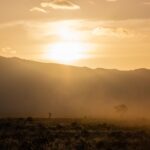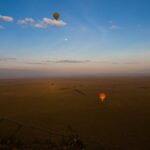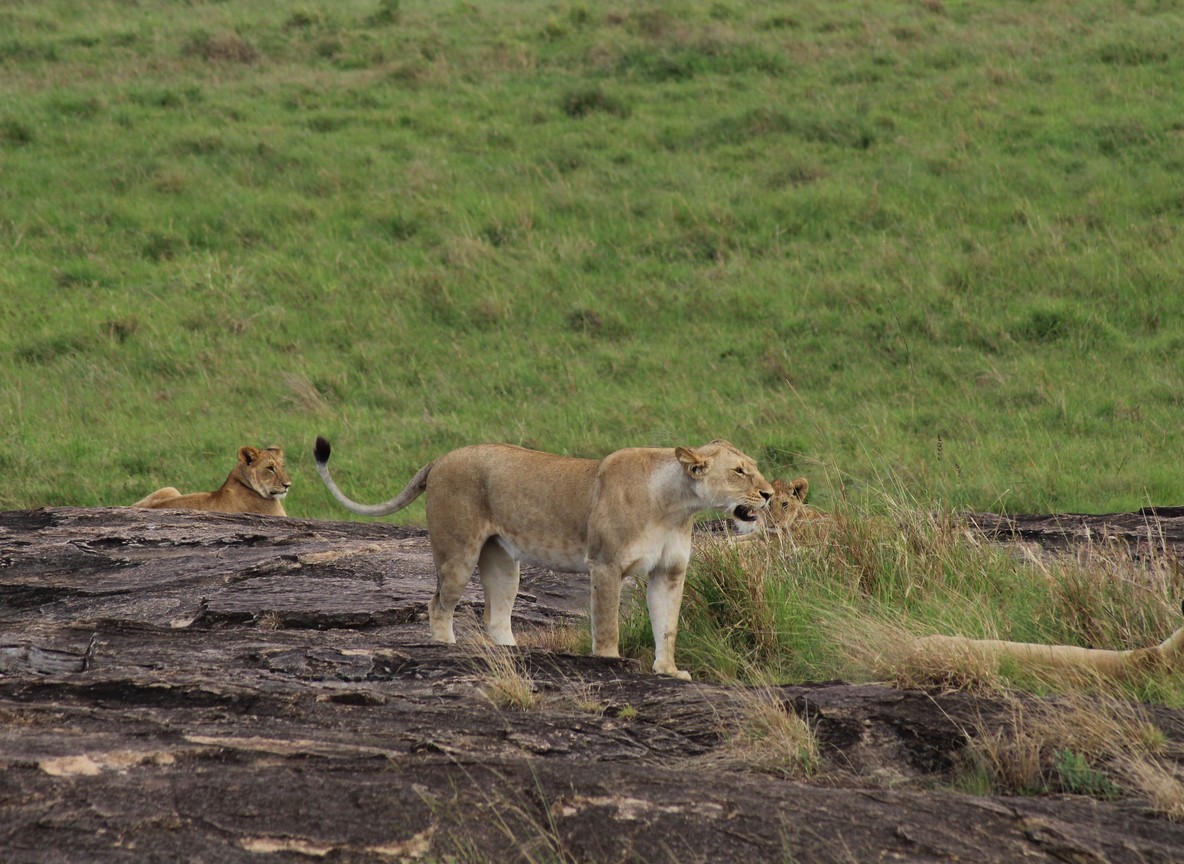
Fig Tree Camp, specifically the Ngamboli Tents configuration, sits on the Talek River inside Lemek Wildlife Conservancy. The location is a meaningful detail: the Talek River is one of the smaller permanent watercourses in the Mara ecosystem and the stretch through Lemek Conservancy holds resident hippo, crocodile, and regular elephant activity at the water’s edge. Knowing exactly what a camp’s position means for day-to-day wildlife access is the starting point for any honest Mara planning conversation.
Understanding the Location
The Talek River Setting
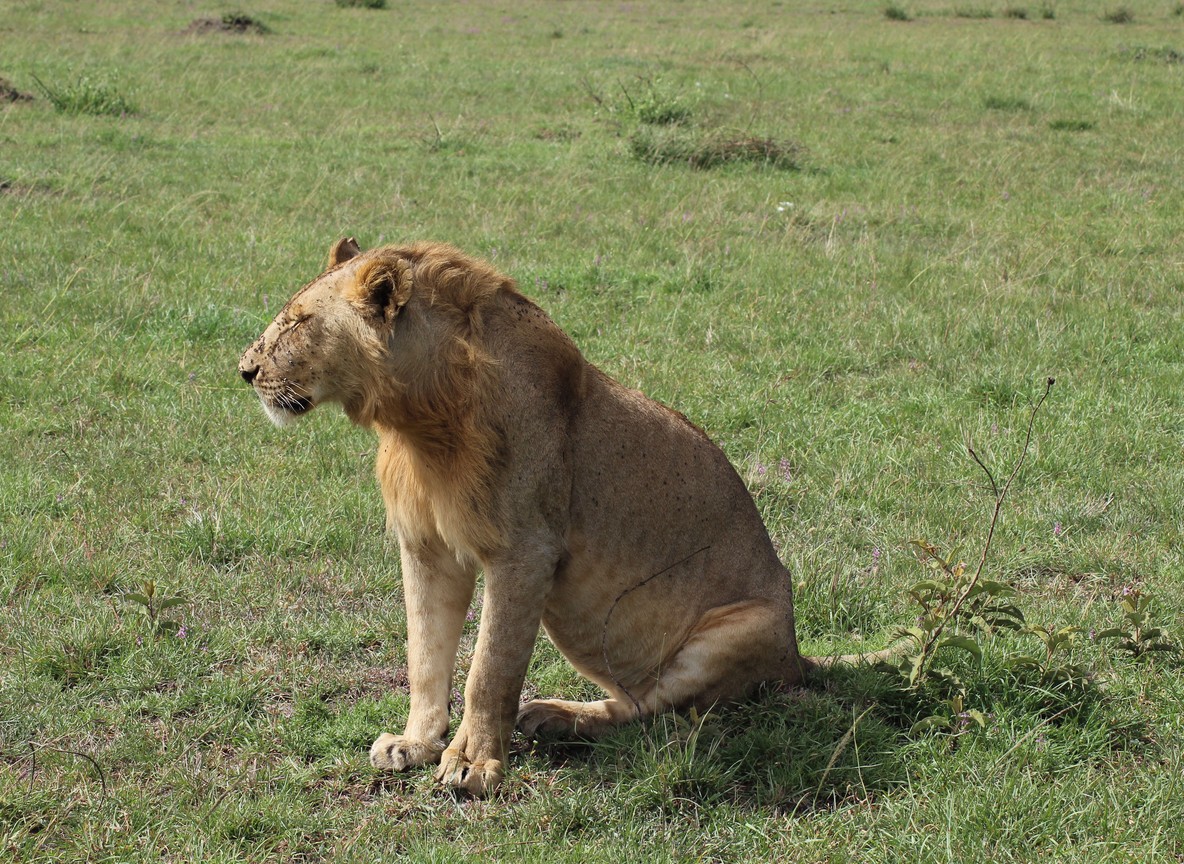
The Talek River runs roughly east-west through the southern portion of the Mara ecosystem, entering the main Maasai Mara National Reserve near Talek Gate. Camps positioned along the river benefit from the fact that animals come to water on a predictable schedule. Elephant families, buffalo, and smaller browsers visit the bank throughout the day. Predator activity follows prey — lions and leopard both work river corridors because the cover and the concentration of prey animals makes them productive hunting ground.
A riverine camp setting is atmospherically quite different from an open-plains camp. You sleep closer to the sound of the river, hippos call at night, and the vegetation is denser and more sheltered. Some travelers find this more immersive. Others prefer the wide open sightlines of a plains camp where the horizon stretches without obstruction.
Lemek Wildlife Conservancy
Lemek Conservancy occupies territory outside the main national reserve boundary on the Mara’s northern fringe. Conservancy positioning carries specific benefits that the national reserve itself does not provide:
- Night drives are permitted within conservancy boundaries
- Off-road driving is generally allowed, which means guides can leave the tracks to approach wildlife
- Vehicle numbers at sightings are lower because conservancy access is controlled by camp affiliation and bed fees
- Walking safaris are possible in conservancies with appropriate licensing
The conservancy fee model funds the Maasai landowners whose land the wildlife crosses. It is both a practical and ethical layer of the Mara safari economy. For travelers who want to understand what their fees are supporting, asking the camp directly how conservancy revenues are distributed is reasonable and will get an honest answer at most well-run properties.
Camp Character: What Ngamboli Tents Offers
The Fig Tree Camp name covers a property that has evolved over the years. The Ngamboli Tents designation refers to a specific camp configuration that draws from the Maasai word for fig tree — the same trees that line the Talek River and give the property its original identity.
Fig Tree is a drive-in camp, accessible by road from Nairobi via Narok and the main C12 road to Talek Gate. The road journey is 5-6 hours under normal conditions. The camp sits close enough to the gate to shorten the internal transfer once you are through.
The camp itself is mid-to-upper-range in scale — larger than an intimate boutique camp but without the resort-scale footprint of a lodge. Tented accommodation along the riverbank gives most rooms a direct view or sound of the water. The communal areas — dining tent, bar area, shared viewing points — use the natural shade of the fig trees that the property is named for.
Game Access and Drive Structure
Daily Drive Options
From a Talek River camp, morning drives can work in several directions. East toward the core of the national reserve covers open grassland and the famous Mara Triangle crossing areas if migration season applies. North into the conservancy terrain offers less vehicle competition and often produces predator sightings in quieter conditions. The river itself is worth driving slowly in both directions from camp for the first hour of light.
Standard Mara drive structure applies here:
- 6am departure for the morning drive (sometimes earlier during peak season)
- Return to camp between 9am and 10am for breakfast
- Midday rest through the hottest hours (roughly 11am-3pm)
- Afternoon drive from around 4pm until after sunset
With the conservancy access that Lemek provides, night drives can extend the evening further. This is a genuinely valuable addition for guests who are interested in nocturnal species: leopard on the move, genet, civets, nightjars, and the Mara’s resident hyena clans.
Migration Season Access
The Talek River is not one of the primary crossing points — the famous wildebeest crossings concentrate on the Mara River further west, particularly at the Musiara area. However, Lemek Conservancy and the Talek River corridor see migration herds pass through as part of the larger seasonal movement. Crossings can happen on the Talek itself, and the herds spread across this entire section of the ecosystem during peak months from late July through September.
The advantage of a conservancy camp during migration season is the ability to observe herd behavior away from the main crossing spectacle, where vehicle concentrations can number in the dozens. Some of the most interesting predator action during migration happens at the conservancy fringe rather than at the famous crossing points.
Practical Camp Details
Accommodation
The Ngamboli Tents configuration uses canvas accommodation on raised platforms along the riverbank. Typical questions worth confirming directly with the camp:
- Tent orientation and privacy between units
- Bathroom setup — en suite flush versus bucket shower
- Power availability and charging windows
- Family or triple occupancy options
Safari tent quality in the Mara has a wide range even within the mid-range bracket. A tent that is genuinely on the river with a private deck is meaningfully different from one positioned 80 meters back from the water with limited views.
Meals and Camp Rhythm
Fig Tree Camp follows the standard Mara camp meal pattern: pre-drive tea and snacks, a substantial hot breakfast after the morning drive, a midday lunch, afternoon tea before the second drive, and dinner after dark. Bush breakfasts — served in the field after the morning drive — are sometimes available and worth requesting.
Explorer Notes
- The Talek area tends to have more mid-range and value-positioned camps than the more exclusive northern conservancies. Expect more vehicle presence on the Talek route during peak season than you would encounter at a Mara North or Olare Motorogi camp.
- The drive from Nairobi via Narok is the standard approach. Road condition on the final stretch into Talek Gate can be rough in wet season. Confirm current conditions with the camp closer to your travel date.
- Night drives are one of the conservancy’s strongest draws. If you book a package that does not include them, ask whether they can be added.
- The fig trees along the Talek River are not just decorative. Leopards use large figs as resting platforms and food cache sites. Scanning tree canopy along the river at dawn is worth the effort.
- Crocodile density on the Talek is lower than on the main Mara River, but they are present. The evening hippo chorus from camp is a reliable constant.
How Fig Tree Camp Compares in the Mara Landscape
The Maasai Mara has camps at every price point and in every ecological zone of the ecosystem. The key comparison axis for Fig Tree Camp (Ngamboli Tents) is:
- More exclusive than: main reserve boundary drive-in lodges (Mara Serena, Mara Sopa)
- Less exclusive than: remote fly-in conservancy camps (Mara Plains, Ngare Serian, Cottar’s 1920s)
- Direct competitors: mid-range conservancy camps on the Lemek or Talek corridor
For travelers who want conservancy access, off-road driving, and night drives at a price point below the ultra-luxury fly-in camps, the Lemek area is a strong option. For travelers who want the most remote, intimate Mara experience available, the northern conservancies of Mara North or Olare Motorogi offer a more exclusive version of the same conservancy benefits.
The Touringinsights.com Maasai Mara guide covers the full ecosystem zone by zone if you want to map the different camp zones against each other before deciding.
Conclusion
Fig Tree Camp (Ngamboli Tents) works well for travelers who want a genuine Mara conservancy experience — night drives, off-road access, fewer vehicles at sightings — with the Talek River as a natural and atmospheric base. It is better suited to travelers comfortable with a mid-range tented camp experience than to those seeking maximum remoteness or ultra-luxury polish.
The riverine setting is a genuine asset that some camps in the Mara cannot match: the sounds, the resident wildlife, the morning light on the water. What you give up compared to northern conservancy camps is the remoteness and the exclusivity premium that comes with a fly-in location.
Next Steps
- Confirm the exact tent positions relative to the river before booking — not all units in a larger camp have the same proximity to the water.
- Ask specifically about night drive availability and whether it is included in your package or an add-on.
- If migration season is your target, plan Talek and conservancy drives as a complement to one excursion to the main river crossing area rather than as a replacement.
- The Touringinsights.com Maasai Mara conservancy overview maps all the main zones, which helps in comparing Lemek against Mara North, Olare Motorogi, and Naboisho before committing.
Every trip described here can be tailored: dates, budget, camps, and pace built around you.
Get a Personalised SafariFurther reading
More safari planning resources
- Nairobi to Maasai Mara route guide from Valley Safaris
- Great Migration safari collection on FindMySafari
- Wildebeest migration route map from Valley Safaris
- Best time to visit Kenya month-by-month map from Valley Safaris
Related guides: Ubuyu, A Banyan Tree Escape: Sustainable Luxury Arrives on the Great Ruaha River.