A camp on the Mara River occupies one of the most strategically significant positions in the Maasai Mara ecosystem. The Mara River is where the wildebeest crossing drama plays out during the migration. It is also a permanent water source that concentrates wildlife year-round and creates a distinctive camp atmosphere that open-plains properties cannot replicate.
Entim Camp sits on the Mara River inside the Masai Mara Game Reserve. This guide explains what that position delivers practically, when it matters most, and how it shapes your daily experience compared to other camp placements in the ecosystem.
The Mara River: Why This Address Matters
The Mara River flows from the Mau Forest Escarpment through the Maasai Mara Game Reserve and continues into the Serengeti ecosystem in Tanzania. Within the reserve, the river forms the northern and central boundary of the most active migration zone and is the site of the wildebeest and zebra crossings that have made the Maasai Mara internationally famous.
For safari travelers, a camp on the Mara River means:
- Immediate or near-immediate access to crossing sites during migration season (July to October)
- Year-round hippo presence in the river, usually audible and often visible from camp
- Crocodile activity at the river edge
- Excellent bird density in the riparian vegetation
- A visual and acoustic camp environment shaped by a permanent water body
The river also marks the boundary between the national reserve (where night drives are prohibited) and several adjacent conservancies (where night drives are typically permitted). A camp inside the national reserve on the Mara River benefits from protected area status while being close to conservancy access if night driving is part of your program.
Official reserve information is available from the Kenya Wildlife Service.
Entim Camp: Profile and Positioning
Entim Camp is classified as a luxury-tier property in the Maasai Mara accommodation market. Camps in this category on the Mara River typically offer:
- Spacious tented suites with permanent en-suite bathrooms, often open-air showers
- Elevated or river-facing tent positions to maximize water views
- Private or semi-private game-drive vehicles with experienced guide-driver teams
- Full-board meals with bush breakfast and sundowner experiences available
- A main communal area and fire pit positioned to face the river
Being inside the Masai Mara Game Reserve (rather than in an adjacent conservancy) affects what activities are available. National reserve rules prohibit walking safaris, night drives, and off-road driving. Conservancy camps adjacent to the reserve have more flexibility on these activities. This is a meaningful distinction if walking or night-drive experiences are on your priority list.
Key questions to confirm when booking Entim Camp specifically:
- Are game drives shared or private vehicles?
- Does the camp have access to adjacent conservancy areas for night drives?
- Is the camp inside the national reserve or in a conservancy?
- What is the exact distance to the most active crossing sites?
Migration Season at the Mara River
From July through October, the wildebeest migration from Tanzania’s Serengeti concentrates at the Mara River, where the herds must cross to access fresh grazing. These crossing events, which can involve thousands of animals entering the river in minutes while crocodiles wait and the opposite bank roils with movement, are among the most dramatic wildlife scenes in the world.
A camp on the Mara River has a structural advantage during migration season. The drive time from camp to active crossing areas is short, sometimes a matter of minutes. When a crossing builds, the guide can position the vehicle quickly. When crossings happen early in the morning, a riverbank camp is already in the right zone at first light.
The practical implications:
- You can respond to crossing activity without a 30 to 60 minute drive from a distant camp
- Morning drives begin at a wildlife-dense section of river with hippos, birds, and crocodiles visible before you even reach the open plains
- Guides at riverbank camps typically have strong knowledge of local crossing patterns built through proximity and repetition
However, peak migration season is also when the Mara River zone sees the highest vehicle concentration in Kenya’s safari ecosystem. During an active crossing, 20 to 50 vehicles or more may converge on a site. Experienced guides at camps like Entim know how to position for the best viewing angles, but managing vehicle crowds at popular crossings is a real consideration.
Year-Round Wildlife at Entim Camp
The Mara River’s wildlife value is not limited to migration season. Year-round residents at and near the river include:
Hippos: Permanent hippo pods occupy the Mara River throughout the year. Camp positions on the river bank mean hippo vocalizations, splashing, and movement are part of the nightly experience. Dawn and dusk hippo activity near the camp is common.
Crocodiles: Nile crocodiles inhabit the river throughout the year, basking on sandbanks and moving with stealth in the water. Watching crocodile behavior from a riverbank camp, separate from the crossing drama, is its own experience.
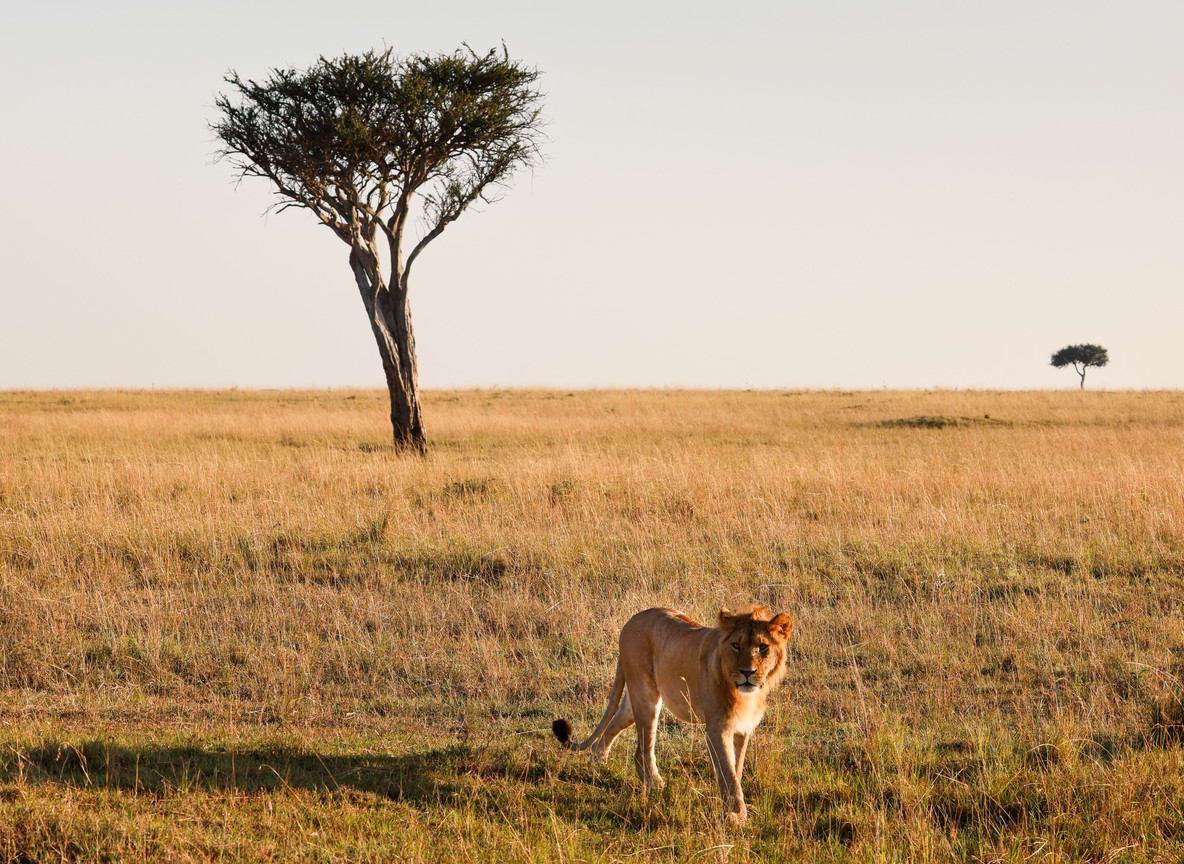
Lions: The central Mara River zone is home to some of the most tracked lion prides in Africa. Several famous pride territories straddle the river corridor, and guides in this zone have extensive knowledge of individual animals. Lion sightings from a Mara River camp are among the most reliably attainable in Kenya.
Leopards: The riverine vegetation along the Mara River is prime leopard habitat. Fig trees, acacia-lined banks, and the increased cover near water all concentrate leopards. Sightings in the trees along the river are possible any month of the year.
Elephants: Family groups cross the Mara River regularly and the riverbanks serve as watering and bathing sites. Elephant sightings at the river are often prolonged: groups spend extended time drinking, wallowing, and socializing at water.
Birds: The Mara River’s riparian zone supports exceptional bird diversity. African fish eagle, giant kingfisher, various herons, saddle-billed stork, and carmine bee-eaters in the dry season along the river banks are all accessible from a riverbank camp.
Camp Life on the Mara River
A luxury riverbank camp in the Maasai Mara has a rhythm shaped by the water beside it.
Morning drives at Mara River camps start early, often before 6am, to reach active lion and cheetah zones before the heat builds and before vehicle numbers increase at known sighting areas. The river itself provides a productive first hour: hippos retreating to water after nocturnal grazing, birds coming alive in the riparian vegetation, and crocodiles positioning on banks.
Evenings extend toward the river’s soundscape. Sundowners at river viewpoints or on camp decks with hippos visible in the water below are a characteristic experience of this style of camp. Night sounds, the barking of hippos, occasional lion roars carrying across the river, and the sustained bird chorus at first and last light are part of what makes a riverbank camp stay distinct from any other Mara experience.
Comparing Mara River vs Other Camp Positions
| Factor | Mara River Camp | Oloololo Escarpment | East Side / Southern Mara |
|---|---|---|---|
| Migration crossing access | Closest | Longer drive | Longest drive |
| Vehicle density at peak season | Highest | Moderate | Lowest |
| Year-round hippo viewing | Yes | No | Possible at smaller rivers |
| Leopard habitat near camp | Strong | Good | Variable |
| Night drive access (conservancy) | Depends on camp agreement | Some conservancies nearby | Some conservancies |
| Camp atmosphere | Dynamic, water-facing | Panoramic, elevated | Quieter, more remote |
Explorer Notes
The Mara River during peak season is one of the most intensely visited wildlife zones in the world. Managing expectations about vehicle sharing at crossings is important. The best guides know when a crossing is building and position early. Patience during peak-hour sighting congestion is part of the experience.
Outside migration season, the Mara River camp advantage is its year-round resident wildlife density rather than crossing spectacle. A January visit with few other travelers and a permanent pod of hippos below camp plus resident lion prides within minutes of camp can be more satisfying than a peak-August visit crowded with migration traffic.
If walking safaris are a priority, check whether the camp has arrangements with an adjacent conservancy. The national reserve itself does not permit walking, but camps with conservancy agreements can take guests out on foot in that zone.
Conclusion: Who Entim Camp Suits Best
Entim Camp on the Mara River is a strong choice for travelers whose safari is defined by the wildebeest migration and who want to be positioned as close as possible to the river during July to October. The luxury tier accommodation, the resident wildlife along the river year-round, and the immersive riverbank camp atmosphere make it a well-rounded option for most traveler profiles when the budget fits.
It involves more vehicle concentration at peak season than quieter zones, and the national reserve constraints on walking and night drives are trade-offs compared to conservancy camps. For most visitors prioritizing migration access and river wildlife, these are acceptable compromises.
Next Steps
For a full comparison of Maasai Mara accommodation and season planning, see the Maasai Mara safari guide on touringinsights.com. For migration-specific planning, see the wildebeest migration timing guide and Mara River crossing guide.
Current park fees and regulations are available from the Kenya Wildlife Service.
Every trip described here can be tailored: dates, budget, camps, and pace built around you.
Get a Personalised Safari