Enkorok Mara Camp sits on the banks of the Oloirigynyisho River near Ololaimutiek Gate, which puts it at a water source in the Maasai Mara ecosystem. Riverbank positioning in the Mara has specific implications for wildlife, camp atmosphere, and daily rhythm that differ meaningfully from plains or escarpment camps. Understanding those differences is useful before you commit to a riverbank location.
This guide covers what the Oloirigynyisho River position offers, what it asks you to accept, and how it compares to other Maasai Mara options.
The Oloirigynyisho River and Its Wildlife Role
The Oloirigynyisho (sometimes transliterated as Ololaimutiek or spelled in variant forms) is a seasonal river that drains through the eastern-southern section of the Maasai Mara ecosystem near Ololaimutiek Gate. Unlike the permanent Mara River or the Talek River, seasonal waterways in this zone run strongly in the wet season and reduce in the dry months, concentrating wildlife at remaining water pools during the drier periods.
Riverbank camps in the Maasai Mara generally attract:
- Hippos, where permanent or semi-permanent water remains
- Crocodiles in permanent sections
- Predators that use drainage lines as movement corridors
- Elephants visiting at predictable hours, particularly early morning and late afternoon
- Diverse birdlife associated with water and riverine vegetation
The Oloirigynyisho’s seasonal nature means these concentrations vary more than they would on the permanently flowing Mara River. In the dry months when water is scarce, the remaining pools become genuine wildlife focal points. In the wet season, when water is widespread across the ecosystem, animals disperse and the river’s pull decreases.
Official reserve information including current park conditions is available from the Kenya Wildlife Service.
Location and Access: Ololaimutiek Gate Zone
Ololaimutiek Gate sits on the southeastern edge of the Maasai Mara National Reserve. This positions Enkorok Mara Camp in the less-visited southern section of the ecosystem, which has distinct advantages and trade-offs compared to the busier central reserve.
From Nairobi, access via the Ololaimutiek route runs through Narok and then south, covering roughly 260 to 280 kilometers. Road condition varies seasonally and the final stretch to the gate is on unpaved track. Transfer time from Nairobi by road is approximately five to six hours.
Fly-in access uses airstrips within the reserve such as Keekorok, with ground transfer from airstrip to camp. This approach reduces total travel time considerably and is the preferred method for most international visitors on multi-night itineraries.
The southern Mara zone near Ololaimutiek sees fewer vehicles than the central and northern sections of the reserve, which means wildlife sightings in this area tend to involve a smaller number of vehicles on any given animal.
What to Expect at Enkorok Mara Camp
Enkorok Mara Camp operates in the budget-to-midrange accommodation category for the Maasai Mara. In this tier, what you are buying is primarily time in the field and a functional, comfortable base, rather than the expanded facilities and service levels of luxury-tier camps.
Typical features of camps in this category:
- Canvas tents with basic furniture: bed, table, lantern, hooks for clothes
- Shared or en-suite bathrooms depending on camp configuration
- Hot-water showers on a schedule tied to drive timing
- Communal dining tent with set-menu meals
- Shared game-drive vehicles (typically 6 to 7 seat capacity)
- Camp staff who double as guides or work alongside assigned guides
Before booking, the most important things to confirm:
- Is a private vehicle available, and at what additional cost?
- Are park fees and conservation levies included in the quoted rate?
- What is the daily drive schedule and how much time is spent in the field vs at camp?
- What is the tent layout relative to the riverbank?
The last point matters for atmosphere: a tent that faces the river is a very different camp experience than a tent that backs onto the river with the main view toward the camp interior.
Riverbank Camp Life: What the Setting Adds
A riverbank position in the Maasai Mara adds specific qualities to the camp experience that inland or plains positions do not have.
Sound: Rivers produce ambient sound around the clock. In the wet season, flowing water. In the dry season at pools, hippo vocalizations, splashing, and occasional contact calls carry through the night. This is immersive and memorable but also clearly audible while sleeping.
Wildlife at camp: Riverbank camps commonly have wildlife visiting the waterline within sight or sound of tents. Elephants at dawn, hippos surfacing near camp at dusk, and various antelope coming to drink are all part of the riverbank camp experience in a well-positioned Mara property.
Bird activity: Riverine vegetation is rich in birds throughout the day. Malachite kingfisher, pied kingfisher, African fish eagle, herons, and a range of weavers and sunbirds all concentrate near water. Birding within the camp boundary is often as good as anything you get on a game drive.
Nighttime: Escorting after dark is standard practice at all riverbank camps because hippos and other animals move through camp. Guides or camp scouts walk guests between the dining area and tents. This is not a safety concern in a well-run operation, but it is a different experience than a walled or fenced lodge.
Wildlife Access: Southern Mara Ecosystem
The southern Maasai Mara near Ololaimutiek Gate holds the same wildlife species as the more famous northern sections, though with different density patterns and different seasonal rhythms.
Predators: Lion prides in the southern Mara are less intensively tracked by the Mara-wide guide network, which means sightings are somewhat less predictable but also less crowded when they occur. Leopard use of the drainage lines is strong, and cheetah appear in the more open southern grasslands.
Elephants: Family groups move through the southern Mara regularly and the Oloirigynyisho riverbanks attract them at predictable watering hours.
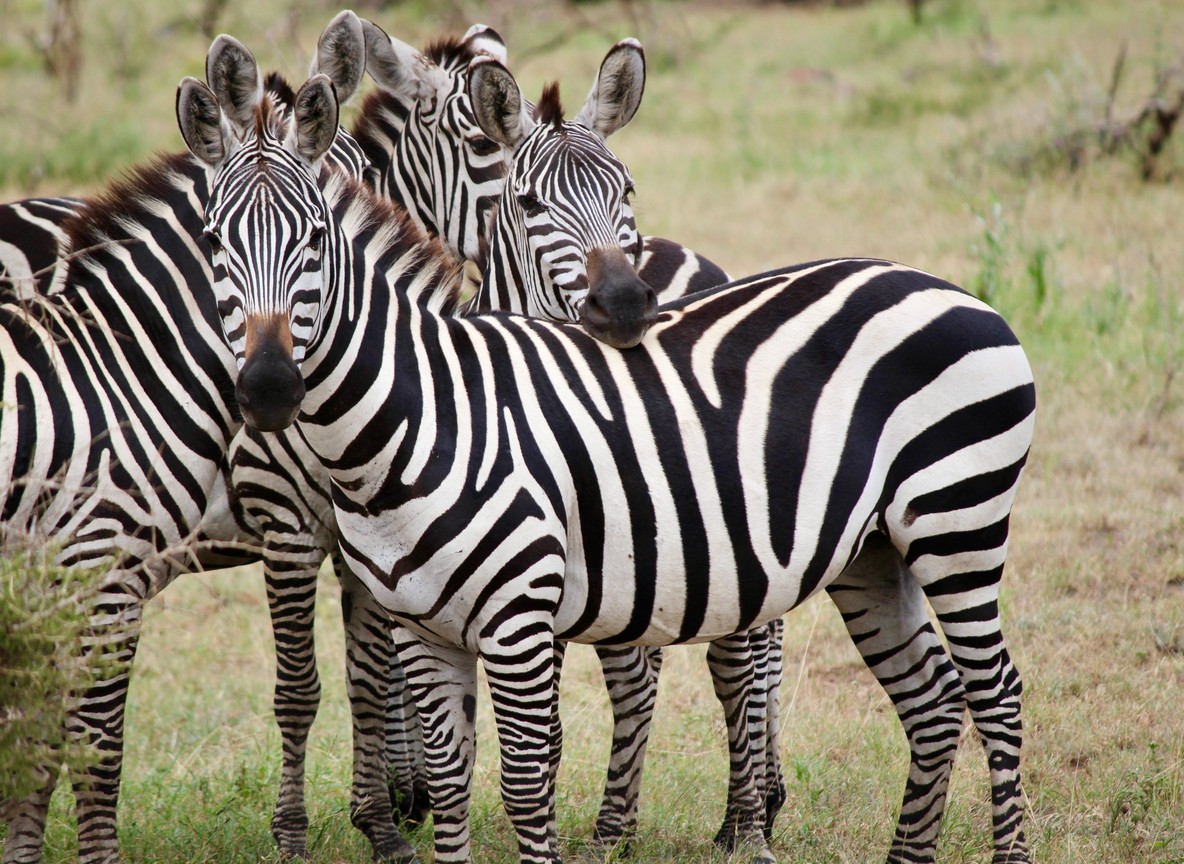
Migration: The wildebeest and zebra migration sweeps through the southern Mara during July to October before concentrating at the central Mara River crossings further north. The southern approach corridors can be spectacular for volume of animals on the move, even if the dramatic river-crossing sequences happen further upstream.
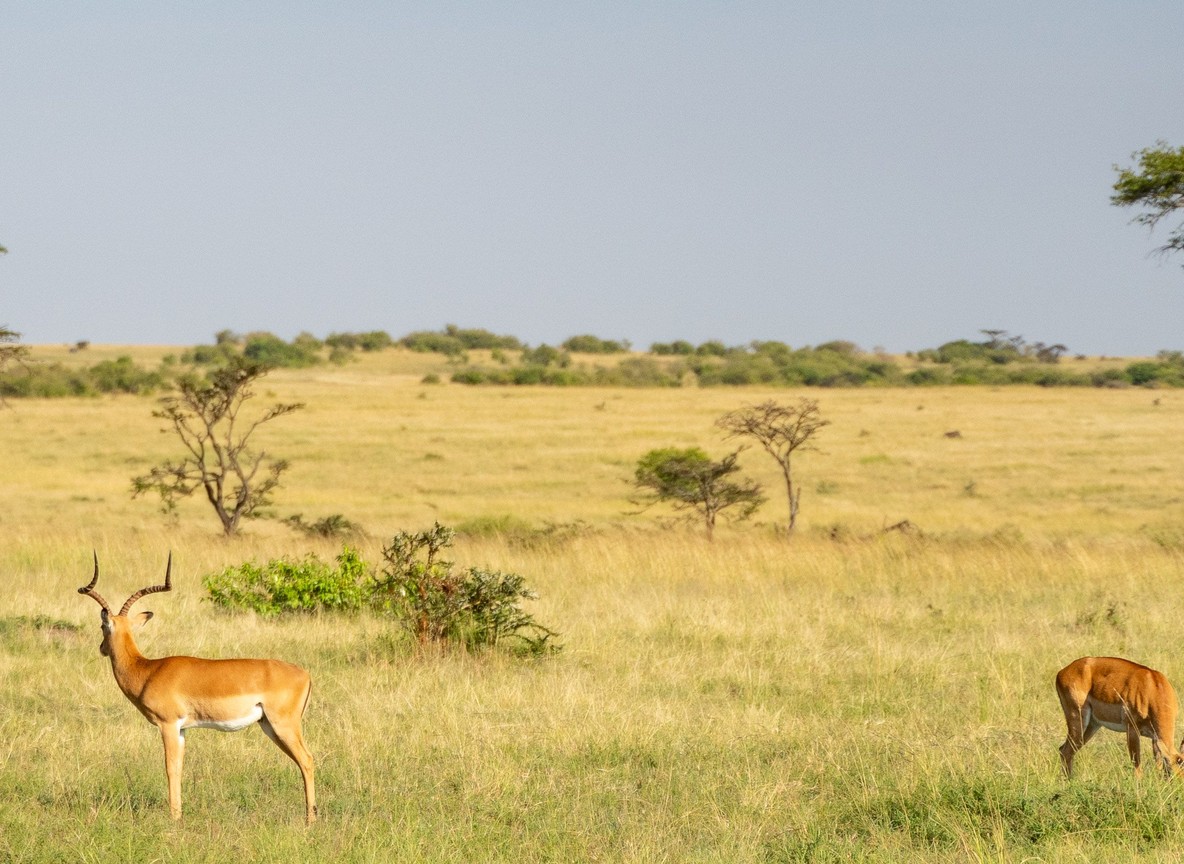
Resident species: The full complement of plains wildlife, including topi, hartebeest, impala, zebra, giraffe, and buffalo, is reliably present year-round in this zone.
Seasonal Considerations
The Oloirigynyisho’s seasonal character affects camp experience differently at different times of year.
Wet season (March to May, November to December): The river runs. Wildlife disperses. Camp conditions can be muddy and some tracks become inaccessible. The landscape is beautiful, vegetation lush, and rates are at their lowest. Bird diversity peaks.
Dry season (July to October, January to February): River reduces to pools. Wildlife concentrates. Wildlife viewing quality typically improves significantly. Peak season July to October brings migration herds through. January to February is the quietest and often most underrated window.
For a riverbank camp specifically, dry season is when the water-attraction effect is strongest and wildlife concentration near camp is highest.
Comparing Enkorok to Other Maasai Mara Options
| Factor | Enkorok (Southern Riverbank) | Central Plains Camp | Mara River Camp |
|---|---|---|---|
| Vehicle density at sightings | Low | Moderate to high | Highest in peak season |
| Wildlife at camp | Yes (riverbank species) | Possible | Yes (hippo proximity) |
| Drive to Mara River crossings | Longer | Moderate | Minimal |
| Budget-tier quality | Good baseline | Variable | Variable |
| Seasonal water wildlife | Dry-season concentration | Spread out | Year-round on main river |
Explorer Notes
The southern Mara zone is worth considering for travelers who feel the central Mara experience is overcrowded during peak season. The wildlife quality is not meaningfully lower, but the sighting conditions are noticeably better.
If river crossing photography is your single priority for a July to October visit, the additional drive from Enkorok to the main Mara River crossing sites is manageable but adds approximately 30 to 60 minutes each way to your field time.
Night sounds at a riverbank camp are worth experiencing: hippo rumbling and occasional bull fights in the water are a distinctive part of the Mara soundscape that inland camps cannot replicate.
Conclusion: Who Enkorok Mara Camp Suits Best
Enkorok Mara Camp on the Oloirigynyisho River near Ololaimutiek Gate suits travelers who want a budget-accessible Maasai Mara experience with genuine wildlife proximity, lower vehicle density during sightings, and the particular atmosphere of a riverbank camp.
It is a strong choice for first-time Maasai Mara visitors managing safari budget carefully, for travelers who find the crowded central Mara experience less appealing than quieter sightings, and for anyone who wants the immersive quality of wildlife visiting near camp each day.
If luxury facilities are the priority, or if proximity to the Mara River crossings is the defining factor, the southern position involves trade-offs worth weighing carefully.
Next Steps
For a full comparison of Maasai Mara accommodation zones and price tiers, see the Maasai Mara camps guide on touringinsights.com. For migration-specific planning, see the wildebeest migration calendar and the Maasai Mara river crossing guide.
Current park fees are available from the Kenya Wildlife Service.
Have questions about this itinerary or destination? Get answers from a safari specialist before you commit.
Inquire MoreFurther reading
More safari planning resources
- Interactive Maasai Mara map from Valley Safaris
- Masai Mara destination guide on FindMySafari
- Best time to visit Kenya month-by-month map from Valley Safaris
- Wildebeest migration route map from Valley Safaris
Related guides: Swamp View vs Kilimanjaro View: Choosing Your Amboseli Camp Position.