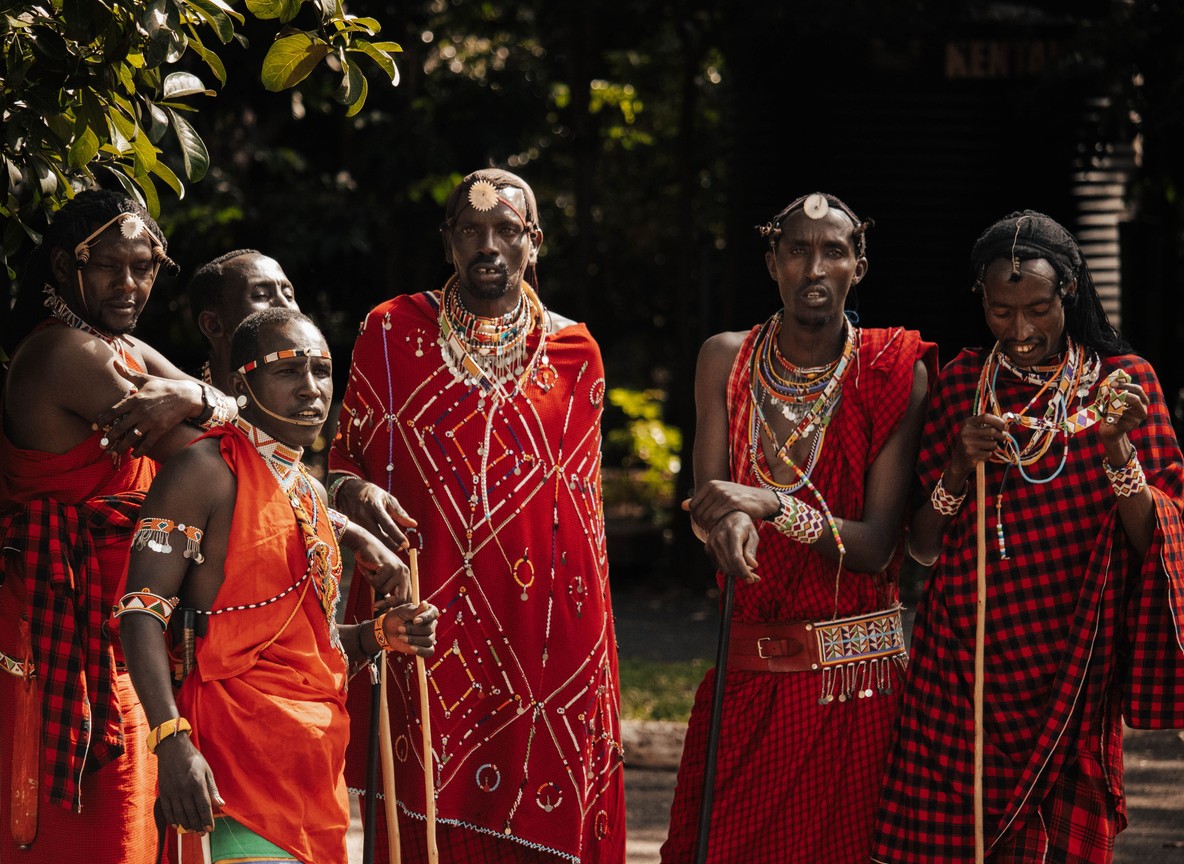
The east side of the Maasai Mara National Reserve, near Oloolaimutia Gate, is a quieter corner of the ecosystem than the central and western zones that most visitors know. Enchoro Wildlife Camp is positioned in this area, giving it a different character, different access logistics, and different day-to-day wildlife patterns than camps clustered near the Mara River or along the Oloololo Escarpment.
This guide focuses on what the east-side position means practically: how you get there, what wildlife you can expect, and whether this location fits your safari priorities.
Location: East Side of Maasai Mara Near Oloolaimutia Gate
Oloolaimutia Gate sits on the eastern boundary of the Maasai Mara National Reserve. It is one of the more accessible entry points for travelers arriving by road from Nairobi, sitting roughly 260 kilometers from the city via Narok. Road transfer times run approximately four to five hours in good conditions, which makes the east side more practical for road-based itineraries than the more distant western areas.
The gate also serves camps in the eastern ecosystem including those near the Sekenani area, which is the most densely developed part of the Maasai Mara camp belt. Eastern camps benefit from this relative proximity to main access routes while still sitting within the wildlife ecosystem.
Official park information including current gate hours and park fees is available from the Kenya Wildlife Service.
What the East Side Offers for Safari
The eastern Maasai Mara has a character of its own. The terrain here is more rolling and varied than the flat central plains, with rocky outcrops, small kopjes, and mixed acacia-grassland habitat that supports a wide range of species.
Key wildlife considerations on the east side:
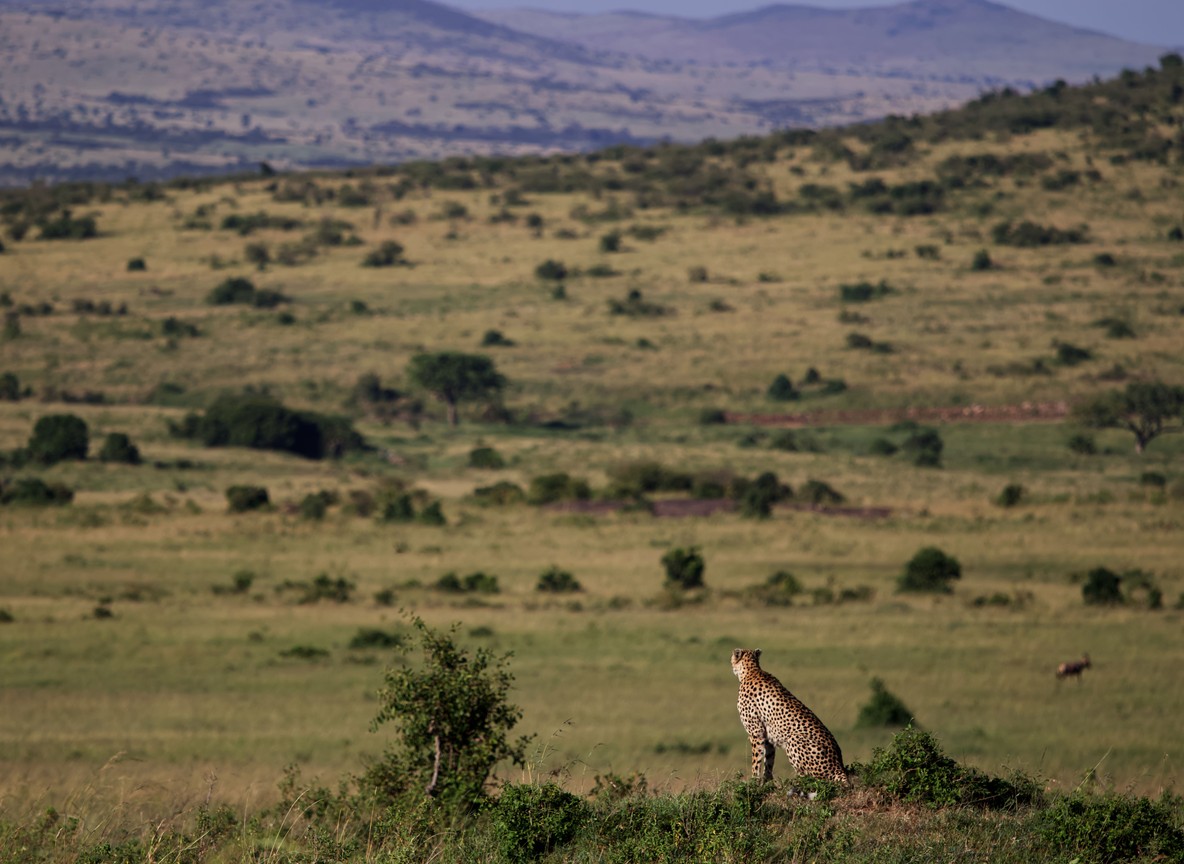
Cheetah: The eastern Mara’s more broken terrain and grassland mixture makes it genuinely good cheetah country. This section of the ecosystem carries a resident cheetah population that is sometimes more accessible here than in the heavily trafficked central plains.
Leopard: Rocky kopjes and drainage line vegetation on the east side create leopard habitat, and the reduced vehicle density compared to the main Mara River zone can make sightings more relaxed when they occur.
Lion: Resident lion prides range across the eastern ecosystem. Some of the lesser-known prides in this zone receive less vehicle attention than the famous central prides, which can produce higher-quality observation.
Plains game: Topi, impala, zebra, and Thompson’s gazelle are plentiful year-round. Eland, common but not always easy to find in the main reserve, appear regularly on the eastern grasslands.
Migration: From July through October, wildebeest and zebra move through the eastern Mara on their way to and from the river corridor. The eastern zone is not where the main river crossings happen, but migration herds do move through, and the lower vehicle density during these moments means you can watch the movement without the crowding of the central crossing sites.
Access and Transfer Logistics
Enchoro Wildlife Camp on the east side near Oloolaimutia Gate has practical advantages for travelers arriving by road from Nairobi.
The route from Nairobi runs via Narok and continues to the Sekenani or Oloolaimutia gate area. Total road distance is approximately 260 to 270 kilometers, with transfer times of four to five hours depending on road conditions. The road surface improves periodically but can be rough in the final stretch before the gate.
Fly-in options for this part of the Mara center on Keekorok Airstrip (inside the reserve) and the Mara Serena airstrip, both accessible from Wilson Airport in Nairobi in 45 to 60 minutes. Ground transfer from airstrip to camp adds time depending on the specific airstrip arrangement.
For a multi-park itinerary combining Maasai Mara with Amboseli or Tsavo, road access on the east side offers routing options that avoid Nairobi re-entry, which some travelers find useful.
Accommodation: What to Expect at an East-Side Camp
Enchoro Wildlife Camp operates in the wildlife camp category, which in the Maasai Mara context typically indicates:
- Canvas tent or bandas (small permanent cottages) rather than luxury tented suites
- Shared or semi-private bathroom facilities depending on room type
- Communal dining and lounge area
- Shared game-drive vehicles rather than private vehicles
This profile suits travelers prioritizing time in the field over camp luxury, and those working within a tighter budget for the accommodation portion of their Kenya safari. The east side also carries a range of camps across multiple price points, so Enchoro competes within a field of options at similar and higher tiers.
Key questions to confirm before booking:
- Are game drives shared or private, and what is the maximum vehicle size for shared drives?
- Are park fees and conservation fees included in the nightly rate?
- What is the breakfast and game-drive departure timing?
- Is night driving available, and in which area (national reserve does not permit night drives; conservancies adjacent to the east side may allow them)?
East Side vs Other Maasai Mara Positions
Positioning in the Maasai Mara involves genuine trade-offs. The east side sits away from the Mara River corridor, which is the epicenter of wildebeest crossing activity during July to October. If the crossings are your primary goal, a camp closer to the river (Talek River area, central reserve, or the main Mara River concessions) will reduce drive time to crossing sites.
What the east side offers in return:
| Factor | East Side (Oloolaimutia) | Central Mara River Zone |
|---|---|---|
| Vehicle density at sightings | Lower | Higher in peak season |
| Drive time from Nairobi by road | Shorter | Longer |
| Access to Mara River crossings | Drive of 30 to 60 min | Shorter drive or immediate |
| Cheetah habitat quality | Good | Good |
| Migration herds moving through | Yes, seasonal | Yes, highest density |
| Camp price range | Budget to mid-range | Budget to ultra-luxury |
Seasonal Timing for the East Side
The Maasai Mara’s seasons play out similarly across zones, with some local differences.
July to October: Migration season. The main river crossings happen along the Mara River corridor, which requires a drive from east-side camps. Herds do move through the eastern ecosystem and scenes of thousands of wildebeest on the move are accessible, but the dramatic river crossing spectacle is a day-drive or half-day drive from the east side.
January to February: Secondary dry season. Wildlife concentrates near water and the east side has reliable game viewing with significantly fewer visitors than peak season. Often the best value period in the Mara.
November and March to June: Green season. Rain brings lush grass and active predator behavior. Lower rates, quieter reserves, and good photography conditions for landscape-inclusive shots. Some tracks in the east become muddy after heavy rain; 4WD is standard for all Mara vehicles.
Explorer Notes
A few observations for travelers considering the east side:
The eastern Mara’s reduced vehicle density is real and meaningful during peak season. When a cheetah or lion sighting happens in this zone in August, it is common to share with fewer vehicles than the same sighting would attract near the Mara River. For some travelers this matters enormously for the quality of observation.
The road approach from Nairobi through Narok is not scenic in the conventional sense, but the transition from Narok highlands down into the Mara basin is dramatic and the final descent to the reserve is memorable.
If your safari includes multiple nights in the Mara, consider whether a split stay, beginning on the east side and moving to a river-zone camp for one or two nights, gives you the best of both positions without committing entirely to either.
Conclusion: Who Enchoro Wildlife Camp Suits Best
Enchoro Wildlife Camp on the east side of Maasai Mara near Oloolaimutia Gate suits travelers who want a Maasai Mara base with straightforward road access from Nairobi, genuine wildlife quality without the vehicle concentration of peak-season central zones, and a camp profile that prioritizes time on game drives over camp luxury.
It is a practical choice for first-time Maasai Mara visitors on a managed budget, for travelers who prefer quieter sightings, and for anyone building an overland itinerary where east-side access reduces logistics complexity.
For migration crossing priority, a camp positioned closer to the Mara River corridor will serve that goal more efficiently.
Next Steps
For a broader accommodation comparison across the Maasai Mara ecosystem, see the Maasai Mara camps guide on touringinsights.com. For budget-focused planning, see the affordable safari Kenya guide and the Maasai Mara planning overview.
Current park fees and gate information are available from the Kenya Wildlife Service.
Turn this reading into a real itinerary with help from a Kenya-based safari team.
Start Planning Your Safari