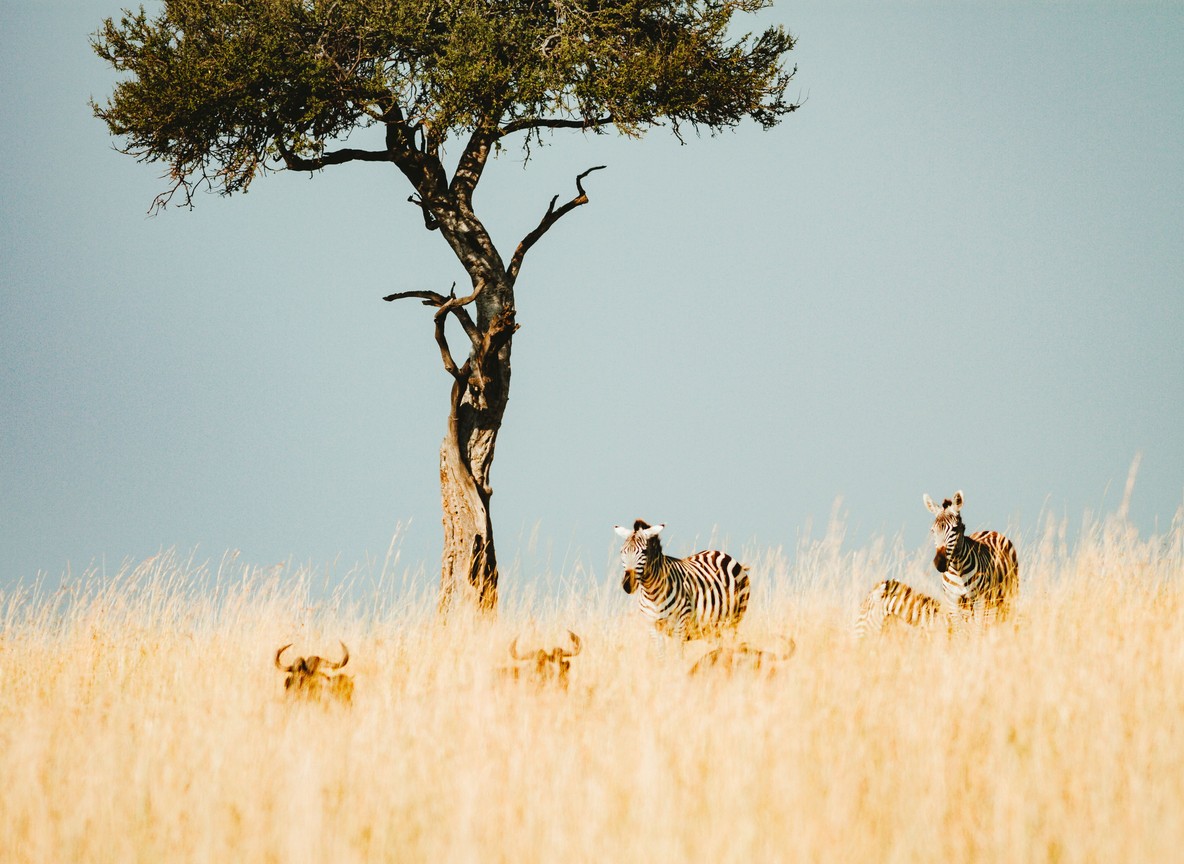
The Oloololo Escarpment is one of the Maasai Mara‘s defining geographical features: a dramatic ridge that forms the western boundary of the reserve and provides an elevated vantage point over the plains below. Emayian Luxury Camp is positioned in this zone, which gives it a distinctive character compared to camps situated on the plains floor or along the Mara River.
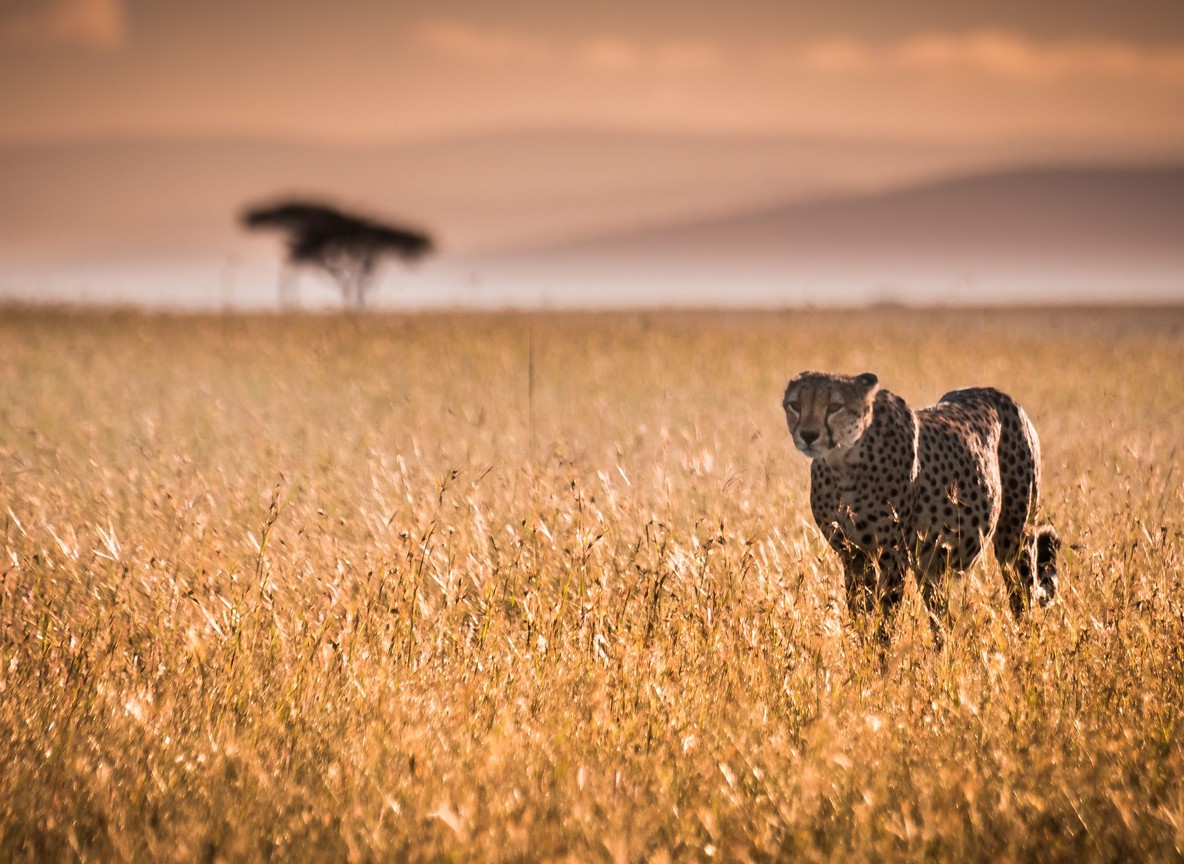
Understanding what the escarpment position offers, and what it requires you to weigh against other camp locations, is the most useful thing you can do before choosing it for your Maasai Mara visit.
The Oloololo Escarpment: Why Position Matters Here
The Oloololo Escarpment rises sharply along the western edge of the Maasai Mara Game Reserve and is visible from much of the reserve’s interior. For wildlife, the escarpment’s forest strips and rocky outcrops provide habitat different from the open plains: leopards use the rock features and vegetation, lions sometimes rest on elevated ground along the ridgeline, and a range of bird species including Verreaux’s eagle use the cliffs.
For safari travelers, an escarpment camp means:
- Elevated views across the Maasai Mara plains, with potential for long-distance game scanning from camp
- Access to the western Mara ecosystem, which sees comparatively lower vehicle traffic than the central reserve near the Mara River
- A drive down from the escarpment to reach the main plains wildlife zones
That last point is important. The escarpment position is scenic, but it is not the closest position to the most-visited parts of the reserve. Camps at the base of the escarpment or on the plains below will reach open grassland more quickly than camps positioned higher on the ridge.
Official park and reserve information is available from the Kenya Wildlife Service.
Emayian Luxury Camp: What to Expect
Emayian Luxury Camp presents itself as a luxury-tier property in the Maasai Mara accommodation spectrum. In the Mara context, luxury tier typically indicates en-suite tents with permanent bathroom structures, larger floor plans, quality furnishings, and dedicated guide service rather than shared vehicles.
Before confirming any camp in this category, it is worth checking the specific inclusions:
- Private game drives (your own vehicle and guide) versus shared drives
- Full-board meals included or meals charged separately
- Park fees and conservation fees included in the nightly rate or billed additionally
- Night drives availability (permitted in the Maasai Mara conservancies but not in the national reserve itself)
These details significantly affect total trip cost and daily experience. A camp quoting a headline nightly rate that excludes park fees can end up more expensive than a higher-quoted camp with all fees included.
Wildlife Access from the Oloololo Escarpment Zone
The western Maasai Mara ecosystem near the Oloololo Escarpment has its own wildlife strengths. This section of the reserve is less heavily trafficked during peak season than the central plains near Mara River crossings, which can make for more relaxed predator viewing when the escarpment’s resident lion and leopard populations are located.
Specific wildlife to note:
Lions: The western Maasai Mara carries several resident lion prides that range between the escarpment base and the open plains. These groups are often calmer around vehicles than more heavily visited prides in the central reserve, which affects the quality of observation.
Leopards: The escarpment’s rocky terrain, combined with riverine vegetation in the gullies that cut down the ridge, is genuinely good leopard habitat. Sightings are less predictable than in high-density leopard zones like the Mara North Conservancy, but the escarpment setting produces more naturally framed encounters when they occur.
Elephants: Family groups move through the western Mara regularly, using the vegetation at the escarpment base. Encounters tend to be unhurried compared to the busier central zones.
Migration: From July through October, the wildebeest migration moves through this section of the Mara, and the Oloololo Escarpment provides a vantage point from which the scale of the herds on the plains below can be dramatic. Mara River crossings in the western zone are less visited than crossings near the main camps further south.
Accommodation and Camp Life
Luxury camps in the Maasai Mara at the Emayian tier typically offer:
- Spacious canvas or semi-permanent tents with separate sleeping and sitting areas
- En-suite bathrooms with flush toilets and hot showers
- Solar power with generator backup for extended charging
- A main dining and lounge area, often with bush-view positioning
- A camp fire or fire pit area for evening gathering
For escarpment-positioned camps, the main communal area will typically face toward the plain below to maximize the view. Sunsets from escarpment properties in the Maasai Mara are reliably good: the view across open grassland with the late light changes quickly and the elevated vantage removes any foreground obstruction.
What to confirm before booking:
- Tent orientation: does the tent face the escarpment view or the forested hillside?
- Transfer logistics: how do guests arrive (road from Nairobi or Narok, or fly-in to Keekorok or Ol Kiombo airstrips)?
- Fly-in vs road transfer: escarpment camps can involve longer road transfers than camps closer to the main Sekenani and Talek gates; fly-in is often the more practical option
Transfer and Access
The Oloololo Escarpment sits in the western section of the reserve, which means road access from Nairobi is longer than for camps in the central or eastern Mara. The road route from Nairobi via Narok runs approximately 270 kilometers and takes roughly five to six hours by road in good conditions.
Fly-in travel to the Maasai Mara transforms this calculation. Wilson Airport in Nairobi to an airstrip within the reserve is typically 45 to 60 minutes by light aircraft. Airstrips serving the western Mara area include Keekorok and Ol Kiombo. Camp transfers from airstrip to camp add another 30 to 60 minutes by vehicle.
For most international visitors combining Maasai Mara with other Kenya destinations, flying in and out of the Mara is standard practice and strongly recommended for any camp in the western zone.
Seasonal Planning
The Maasai Mara’s seasonal rhythms apply equally to escarpment camps.
Dry season (July to October): Migration peak and the best cat-viewing conditions. High demand, highest rates, advance booking essential.
January to February: A secondary dry period with strong wildlife concentration and no migration. Often excellent value compared to peak months.
Green season (March to June, November to December): Rain freshens the landscape and brings active predator hunting. Newborn animals appear, particularly in the February to March period. Lower visitor numbers and significantly reduced rates at most camps. Road tracks become muddy during heavy rains, which can limit route options for escarpment camps with longer drives to plains.
Comparing Escarpment vs Other Maasai Mara Positions
| Factor | Escarpment Position | Plains Position | River Position |
|---|---|---|---|
| Scenic drama at camp | High, elevated views | Moderate, horizon-level | High, river activity |
| Drive to Mara River crossings | Longer | Moderate | Shortest |
| Vehicle concentration | Lower | Moderate to high | Highest in peak season |
| Leopard habitat near camp | Good | Variable | Good along riverine strips |
| Migration viewing perspective | Aerial, dramatic | Ground-level | Ground-level, closest to crossings |
Explorer Notes
A few practical observations for travelers considering the escarpment zone:
Morning game drives departing from an escarpment camp often begin with a descent to the plains, which takes time but can produce its own sightings: animals moving along the escarpment base, hyena dens in rocky outcrops, and raptors using the updrafts along the ridge.
The lower vehicle density in the western Mara means that when you locate predators, you are less likely to share the sighting with 15 other vehicles. For many travelers this matters more than saving 20 minutes of drive time.
If migration river crossings are your primary goal and your dates fall between July and October, confirm with the camp how frequently they reach active crossing sites in the Mara River corridor. Escarpment camps typically have access but it requires a longer morning commitment.
Conclusion: Who Emayian Luxury Camp Suits Best
Emayian Luxury Camp on the Oloololo Escarpment is likely a good match if you want a luxury-standard Maasai Mara experience with elevated panoramic views, lower vehicle density during wildlife sightings, and genuine escarpment aesthetics that distinguish it from the typical plains camp.
It suits travelers who are comfortable with fly-in access, who want the sense of a more private Mara experience, and who are not exclusively focused on being as close as possible to the Mara River crossing sites.
For travelers whose single priority is maximum time at migration crossings during July to October, a camp positioned closer to the central river zone will reduce drive time and simplify logistics.
Next Steps
For a broader comparison of Maasai Mara accommodation zones, see the Maasai Mara camp guide on touringinsights.com. For seasonal planning, see the best time to visit Maasai Mara and the wildebeest migration calendar.
Current park fees are available from the Kenya Wildlife Service.
If this guide has you ready to travel, a safari specialist can handle the route, camps, and logistics end to end.
Want to Book a Tour With Us?Further reading
More safari planning resources
- Interactive Maasai Mara map from Valley Safaris
- Masai Mara destination guide on FindMySafari
- Wildebeest migration route map from Valley Safaris
- Great Migration safari collection on FindMySafari
Related guides: What UNESCO’s Ngorongoro Review Means for Your Tanzania Safari Plans.