The Mara Triangle — the western section of the Masai Mara ecosystem, managed by the Mara Conservancy under contract with Trans Mara County — has long been the quieter, better-managed side of the Masai Mara. It covers roughly a third of the reserve’s area, receives a fraction of the vehicle traffic of the eastern section, and its riverine grasslands produce some of the most consistent predator and migration sightings in Kenya.
Wilderness Safaris, the Botswana-based conservation operator known for remote, low-volume camps across some of Africa’s most sensitive wilderness, entered the Mara Triangle in 2026 with two properties, Wilderness Mara being the flagship. Their arrival in Kenya marks a notable moment for the country’s high-end safari market.
This guide covers what Wilderness Mara Camp is, what the experience involves, how it positions against other Mara Triangle options, and who it suits best.
What Wilderness Mara Camp Is
Wilderness Mara Camp is a luxury tented safari camp in the Mara Triangle, the western section of the Masai Mara National Reserve. It opened mid-2026 as part of Wilderness Safaris’ first Kenya operation, following the company’s long-established presence in Botswana, Zimbabwe, Namibia, Rwanda, and Zambia.
The Wilderness Safaris model, refined over 40 years, centres on a specific set of priorities: very low guest numbers, high guide-to-guest ratios, active conservation integration, and an experience built around the wilderness rather than around the accommodation. Their camps are not bush hotels. They are access points for places that most travelers do not otherwise reach.
Camp facts for 2026:
- 8 tents, maximum 16 guests
- Mara Triangle location, west bank of the Mara River
- Mara Conservancy conservation fee included in rate
- Full-board and all activities all-inclusive
- Night game drives permitted (Mara Conservancy rules apply)
- Walking safaris with armed ranger
One practical point worth noting: guests at Wilderness Mara do not pay the USD 200 per person per day Narok County park fee that applies in the eastern reserve. The Mara Conservancy applies its own fee structure, which is built into the camp rates.
Why the Mara Triangle Location Matters
To evaluate Wilderness Mara’s location properly, it helps to understand how the Masai Mara is actually divided.
The Mara River splits the reserve. The larger eastern section (roughly two-thirds of the total area) falls under Narok County management. This is where the majority of camps are located and where most visitor traffic concentrates, particularly during the peak July to October migration season. The eastern reserve has no vehicle limit per wildlife sighting.
The Mara Triangle — the western third, between the Mara River and the Tanzanian border — is managed separately by the independent Mara Conservancy. The Conservancy has an established record for anti-poaching effectiveness, road maintenance, and vehicle management. Vehicle numbers per sighting are controlled more effectively than in the eastern section.
In practice, for a guest staying in the Mara Triangle during peak migration, this means: fewer vehicles at any given sighting, better track conditions through maintained roads, excellent river crossing viewpoints (the Mara River forms the Triangle’s eastern boundary), and the same wildlife density as the main reserve.
For experienced safari travelers who know how profoundly vehicle congestion at a crossing site affects the quality of what you witness, the Mara Triangle location is a deliberate choice, not a geographical footnote.
What the Wilderness Safaris Approach Looks Like in Practice
Guides: Wilderness Safaris has built its reputation partly on guide quality. The company runs a multi-year guide training and certification programme that is considered among the most rigorous in the African safari industry. Guides at Wilderness Mara are expected to brief guests on ecology and conservation at a depth that goes well beyond species identification. The preparation before and reflection after a game drive are part of the programme, not optional extras.
Conservation integration: The Wilderness model — which the company calls “Beyond Conservation” — requires that each camp contribute measurable conservation outcomes, not just minimal-impact operations. At Wilderness Mara, this includes support for the Mara Conservancy’s anti-poaching unit, community benefit protocols, and wildlife monitoring that contributes data to Mara ecosystem research.
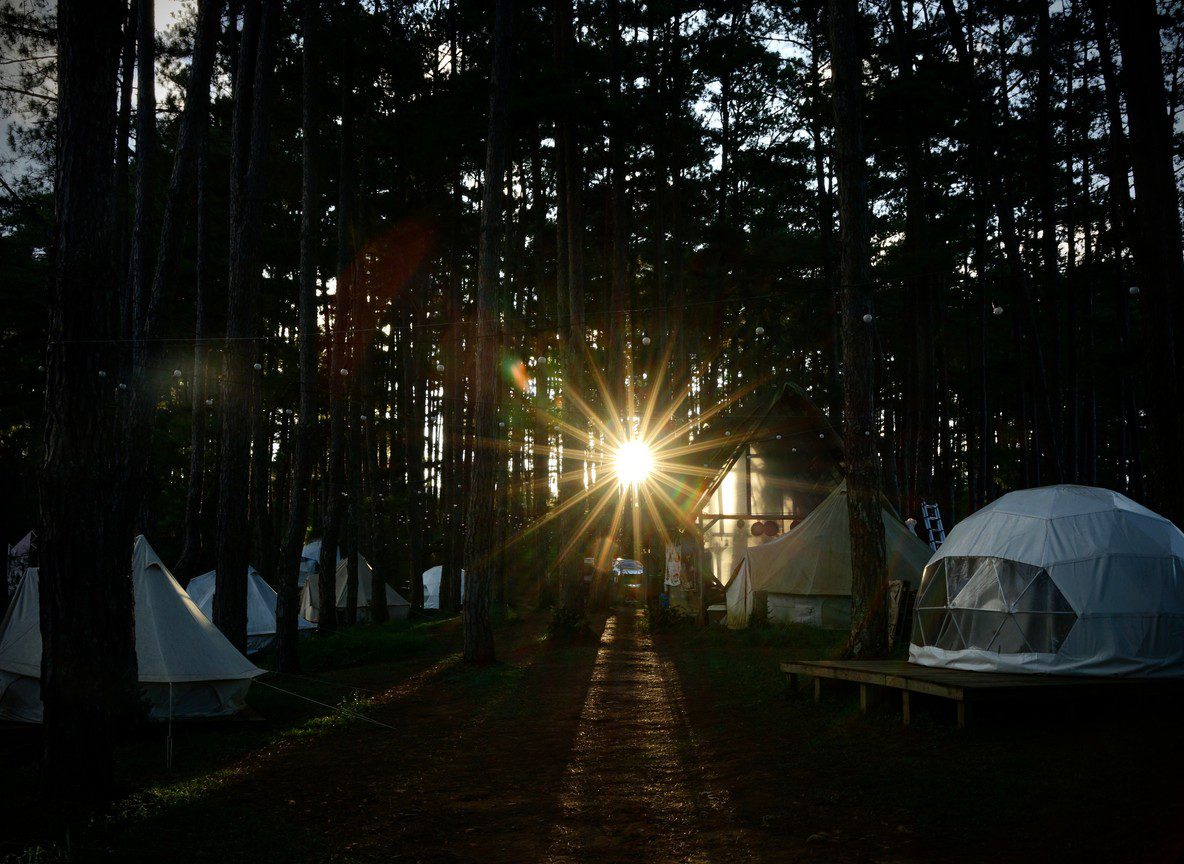
Camp design: The 8-tent footprint follows the Wilderness aesthetic: tents built to blend into the landscape, natural materials, minimal artificial lighting impact, open-plan layouts that prioritise the connection between guest and surroundings. Tent sizes at Wilderness Mara run to approximately 40 to 50 square metres including the en-suite bathroom and private deck.
Night game drives: The Mara Conservancy permits night drives within the Triangle. The main Narok County reserve prohibits them. Night drives access a different layer of the Mara: servals hunting in long grass, genets moving through the riverine forest, bat-eared foxes active at den sites, and occasionally leopard on nocturnal hunts. For travelers whose Mara experiences have been day-drive focused, this changes the picture considerably.
The Wildlife Experience at Wilderness Mara
The Mara Triangle’s wildlife follows the same patterns as the broader Mara ecosystem, with location-specific advantages.
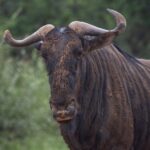
Migration: The Mara River forms the Triangle’s eastern boundary. Wildebeest crossing from Tanzania cross directly into the Triangle. The crossing viewpoints accessible from the west bank include some of the most dramatic positions in the ecosystem: you are watching the herds massing on the Tanzania side, crossing toward you, with the full spread of the river visible. Being on the west side looking east is a different visual experience from watching from the more crowded eastern bank.
Big cats: The Mara Triangle’s managed vehicle limits translate into better predator interactions. Lion prides and cheetah coalitions that have not been conditioned to constant vehicle interruption are more relaxed and hunt more naturally. The Triangle has documented resident cheetah families and lion prides that guides monitor year-round and know individually.
Elephant and buffalo: Large herds move freely through the Triangle’s grasslands. The riverine corridors along the Mara River support consistent elephant sightings at all seasons.
Birding: The Triangle’s variety of habitats — riverine forest, open grassland, rocky outcrops — supports over 450 bird species. Travelers who combine big-game viewing with serious birding will find this one of Kenya’s richer sites.
How Wilderness Mara Compares to Other Mara Triangle Options
| Camp | Location | Size | Approximate Rate (per person/night) | Character |
|---|---|---|---|---|
| Wilderness Mara | Mara Triangle | 8 tents | USD 800-1,400 | Conservation-immersive, guide-driven |
| Mara Serena Safari Lodge | Mara Triangle | 74 rooms | USD 300-600 | Established, good value for scale |
| Angama Mara | Triangle escarpment | 30 suites | USD 1,000-1,600 | Cliff-top views, architectural drama |
| Olumara Tented Camp | Mara Triangle | 12 tents | USD 500-900 | Mid-luxury, family-friendly |
Wilderness Mara sits at the premium end of the Triangle market, in rate range comparable to Angama Mara. The experience is fundamentally different. Angama is architecturally spectacular, built for its views and its Out of Africa associations. Wilderness Mara is built for wildlife immersion and guide depth. For experienced safari travelers whose priority is the quality of wildlife interaction and ecological understanding over design drama, Wilderness Mara is the stronger choice.
Who Wilderness Mara Camp Suits
A good fit for:
Travelers on their second or third Africa safari who know specifically what they want and have experienced the main reserve’s limitations during peak season.
Solo travelers or couples seeking genuine exclusivity and a low guest-count environment.
Conservation-engaged guests who want to understand the Mara ecosystem — how it functions, what threatens it, what the Mara Conservancy’s management decisions have achieved — rather than just observe it.
Travelers specifically interested in night game drives, which are not available in the main reserve.
Anyone with a previous peak-season Mara experience who wants to understand what the Triangle actually offers differently.
Less suited for:
First-time safari travelers who would benefit from a larger camp with a more structured orientation programme and a broader activity menu.
Families with children under 14, given the remote focus and adult-oriented conservation programme.
Guests whose primary draw is architectural spectacle or views rather than wilderness immersion.
Rates and Booking Practicalities for 2026
Wilderness Mara Camp opened mid-2026 and peak season availability (July to October) filled quickly given the camp’s profile and small size. Rates for 2026 run approximately USD 800 to 1,400 per person per night all-inclusive.
With only 8 tents, advance booking is essential: 9 to 12 months ahead for peak migration season, 4 to 6 months for shoulder periods. Wilderness Safaris accepts bookings through The Safari Collection (its Kenya operating partner) and through specialist safari agents.
Choosing Between Wilderness Mara and the Alternatives
Wilderness Mara Camp is a genuinely strong property. It is also not the right camp for every traveler, and the Mara ecosystem has over 40 camp options across the reserve and surrounding conservancies.
The relevant questions when deciding: Is your priority migration crossing access or big cat sightings in quieter conditions? Do you want an immersive conservation experience or pure wildlife observation? Are night drives a significant factor, or largely irrelevant to how you want to spend your time? Do you want the smallest possible group environment, or are you comfortable with a 30-tent operation if the positioning is strong?
The answers determine not just whether Wilderness Mara is the right choice, but where within a broader Mara itinerary it belongs — which nights, and what it pairs with before or after.
For full context on the Mara Triangle and its place in the broader Masai Mara ecosystem, see the Tourinsights wildebeest migration route guide and the guide to underrated Mara wildlife. For Mara camp selection guidance across all categories, trunktrailssafaris.com covers the full range from experience rather than from brochures.
Turn this reading into a real itinerary with help from a Kenya-based safari team.
Start Planning Your SafariFurther reading
More safari planning resources
- Wildebeest migration route map from Valley Safaris
- Great Migration safari collection on FindMySafari
- Interactive Maasai Mara map from Valley Safaris
- Best time to visit Kenya month-by-month map from Valley Safaris
Related guides: Wilderness Mara’s New Photo Studio: A Mara Triangle First for Camera-Toting Guests.