Quick answer (updated August 2026): The migration follows rain, not a calendar: roughly 1.5 million wildebeest trace an 1,800 km clockwise loop with calving near Ndutu December to March, northward movement through the Serengeti April to June, Mara River crossings building from July and peaking August to September, then the return south October to December. Exact timing shifts four to eight weeks year to year, so treat monthly windows as probabilities.
The wildebeest migration does not follow a fixed schedule. It follows rain.
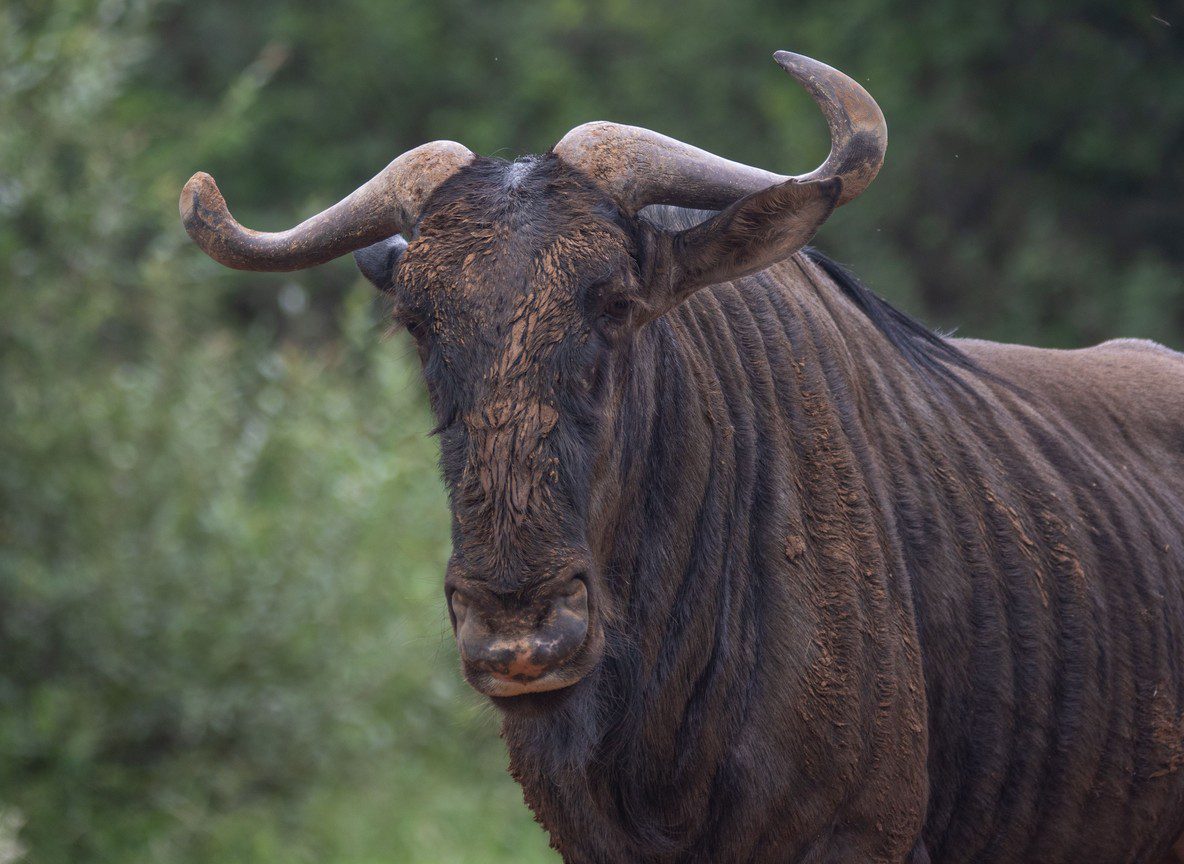
Every year, approximately 1.5 million wildebeest, 200,000 Burchell’s zebra, and 500,000 gazelle trace a 1,800-kilometre loop between Tanzania’s Serengeti and Kenya’s Masai Mara. The timing within each phase shifts by four to eight weeks depending on how the rains have fallen in any given year. But the broad seasonal pattern is stable enough to plan around with reasonable confidence.
This tracker maps the 2026 herd location month by month across the full circuit, with Mara River crossing site guidance for visitors timing a Kenya visit.
How the Migration Circuit Works
The annual movement is driven by one primary factor: the availability of fresh, short-grass pasture following rainfall. The herd moves toward new grass. East Africa’s rainfall patterns are predictable enough to give a reliable probability map for each phase of the movement.
The circuit runs clockwise:
- Southern Serengeti calving (December to March)
- Northward movement through the Serengeti (April to June)
- Kenya arrival and Mara River crossings (June to October)
- Return south through Tanzania (October to December)
Within each phase, exact dates vary. A wet rainy season in Tanzania can push the northward movement two to three weeks later than average. A dry year in Kenya can accelerate the return south. The monthly windows below are based on long-term averages.
2026 Migration Location: Month by Month
January 2026: Southern Serengeti Calving Grounds
Location: Ndutu area, southern Serengeti, Tanzania What is happening: Calving season. Approximately 500,000 calves are born in a concentrated six-week window. Predator density around the calving herds is exceptional, with lion prides, cheetahs, and hyenas following the herd closely. Kenya relevance: No migration herd in Kenya. For guests whose priority is the calving spectacle and predator activity around newborn wildebeest, Tanzania’s Ndutu area is the correct destination for this period.
February 2026: Southern and Central Serengeti
Location: Southern Serengeti plains What is happening: Calving is completing. The herd grazes the short-grass plains intensively before beginning its northward movement as the grass depletes. Kenya relevance: No herd in Kenya. The Masai Mara in February offers outstanding resident wildlife at its lowest annual rates.
March 2026: Central Serengeti
Location: Central Serengeti (Seronera area) and Grumeti River region What is happening: Northward movement beginning. Long rains are arriving across both Tanzania and Kenya. Kenya relevance: None for migration purposes. The Masai Mara in March is transitioning into the green season, with good resident wildlife and very low camp rates.
April 2026: Northern Serengeti
Location: Northern Serengeti, approaching the Grumeti and Mara River crossings on the Tanzania side What is happening: The Grumeti River crossing in Tanzania (April to May) is the precursor event to the Kenya crossings. Crocodile activity at the Grumeti is intense during this period. Kenya relevance: None yet. Some advance scouts may appear in the extreme south of the Masai Mara ecosystem by late April in years with early northern movement.
May 2026: Northern Serengeti and First Kenya Scouts
Location: Northern Serengeti, Loliondo, and the extreme southern Masai Mara What is happening: The first wildebeest scouts, typically small groups of 100 to 1,000 animals, cross into Kenya through the Sand River and Serena Gate areas. Kenya relevance: Very small numbers are visible in the southern Mara. This is not yet a mass movement, but it is worth knowing about for guests planning late May travel.
June 2026: Building Movement Into the Masai Mara
Location: Southern and central Masai Mara National Reserve, approaching the Mara River from the south What is happening: Larger herds are now in Kenya. Tens of thousands of wildebeest are visible across the Masai Mara. River crossing activity is beginning but not yet at peak frequency. Crossing probability: Low to moderate. Some crossings occur in late June, particularly at the Sand River and Serena Gate crossing points. On the ground: Listen for guide radio communication about large herds massing at the Sand River or Serena crossing points. These are the first serious crossing indicators of the season, and an experienced guide tracking these signals will position you correctly when activity begins.
July 2026: Mass Arrival in the Masai Mara
Location: Southern and central Masai Mara, Mara Triangle, northern approach toward the Mara River What is happening: The mass arrival. Hundreds of thousands of wildebeest are in Kenya. Mara River crossing sites are active. Crossing probability: Moderate to high. July 2026 crossings are expected to begin in earnest from mid-month based on long-term rainfall patterns. On the ground: Crossings most often initiate in the mid-morning, when animals that have been drinking and massing since dawn finally commit to the water. Your guide’s positioning decisions in the two hours before a crossing begins are the most critical variable in whether you witness one.
August 2026: Peak Migration Density
Location: Masai Mara National Reserve, Mara Triangle, Mara North Conservancy, all Mara River crossing points What is happening: Maximum concentration of the migration herd in Kenya. Multiple crossing points are active simultaneously. Crossing frequency is at its annual high. Crossing probability: High. August is statistically the most active crossing month across multiple years of recorded data. On the ground: From a light aircraft at altitude, the scale of the August herd is extraordinary. Kilometres of animals are visible in every direction. On the ground, ask your guide each morning which crossing points had activity the previous day and which banks the herd is currently massing on. Camp radio networks and guide-to-guide communication provide real-time positioning information that no static online tracker can replicate.
September 2026: Peak to Late Migration
Location: Masai Mara and Mara Triangle, dense concentration in the central Mara River zone What is happening: The herd remains fully concentrated in Kenya. Crossing frequency stays very high. Recrossings, from Kenya back to Tanzania and back again, become more common as the Kenya grass is grazed down. Crossing probability: High. Many wildlife photographers consider September the most productive crossing month because of herd density and the frequency of recrossing behaviour, which produces multiple crossing opportunities per day. On the ground: The most productive crossing points in September are the Lookout Hill crossing, Fig Tree crossing, and Serena crossing. Your guide’s knowledge of which bank the herd has been massing on is the primary intelligence tool.
October 2026: Return Migration South
Location: Southern Masai Mara and the Sand River border area What is happening: The herd begins moving back toward Tanzania. Numbers in the central Mara drop noticeably from mid-October. The return migration south through the Sand River crossings continues throughout the month. Crossing probability: Declining from early to late October. Early October crossings still occur and are typically less crowded with vehicles than August. Planning note: The reliable signal for October departure timing is grass condition. When the Kenya grass has been grazed down substantially, the herd accelerates south. By late October, most of the mass has crossed back into Tanzania.
November 2026: Herd Returns to Tanzania
Location: Loliondo and northern Serengeti, Tanzania What is happening: The migration has left the Masai Mara. The herd follows the short rains south into Tanzania’s Loliondo area and the northern Serengeti. Kenya relevance: Resident wildlife only in the Masai Mara, but the viewing is excellent and the reserve is uncrowded.
December 2026: Southern Serengeti
Location: Northern and central Serengeti, Tanzania What is happening: The herd moves south toward the calving grounds. The cycle restarts with the arrival of the long rains in the south. Kenya relevance: None for migration. The Masai Mara offers good resident wildlife at low-season rates.
Mara River Crossing Points: Where to Position
| Crossing Point | River Section | Best Months | Notes |
|---|---|---|---|
| Sand River / Serena Gate | Southern Mara River | June-July | Early arrivals and first major crossings |
| Lookout Hill / Ol Kiombo | Central Mara River | August-September | Main migration concentration |
| Fig Tree / Paradise Plain | Central-south Mara River | August-September | High-density crossings |
| Mara Triangle North | West bank | July-August | Large herds moving north |
| Serena crossing | Northern Mara River | September | Recrossings most common here |
Positioning at crossing points is one of the most consequential guide decisions of a migration safari. An experienced guide reads herd behaviour, bank conditions, and wind direction to anticipate where the next crossing attempt is most likely to occur and positions accordingly, rather than following other vehicles.
How to Read Migration Intelligence in the Field
The tracking information that actually matters when you are in the Mara does not come from an online tracker. It comes from two sources.
Field guide networks: Guides working the Mara daily share crossing information, herd position updates, and movement predictions through radio and informal communication networks. This information is updated continuously during peak season. A good guide will brief you each morning on the previous evening’s herd movements and tell you where the animals were massing at last light. That briefing is worth more than any website or app.
Rainfall pattern analysis: The migration follows rain. Long-term rainfall data for the Mara-Serengeti ecosystem gives a reliable probability band for peak crossing activity in any given month. For the most current picture before you travel, a Kenya-based operator consulted in the month before your visit is a more useful source than any static guide.
Explorer Notes: Planning Your Visit Around the Tracker
The two questions most migration-focused visitors ask are where and when.
Where: Position yourself in the Mara Triangle or Mara North Conservancy for lower vehicle density at crossings and better access to the central crossing points. Private conservancy camps typically have far fewer vehicles at crossings than national reserve camps, which translates directly into a better crossing experience.
When: August and September give the highest statistical probability of crossing activity. July and early October offer meaningful crossing probability with substantially less vehicle pressure at sightings.
For context on what each season delivers beyond the crossing itself, the Masai Mara migration vs non-migration season guide compares the full experience across peak and off-peak periods. For weather and road conditions affecting each month, the Masai Mara monthly weather guide covers the full calendar in detail.
If you are planning to witness the crossings and want to understand the ethical standards that apply at the Mara River, the responsible migration safari guide covers vehicle positioning, operator ethics, and the conservation case for getting this right.
For current-season herd position updates before your travel dates, Trunktrails Safaris monitors field guide networks during peak season and provides real-time movement assessments for guests planning Kenya migration trips.
Every trip described here can be tailored: dates, budget, camps, and pace built around you.
Get a Personalised Safari