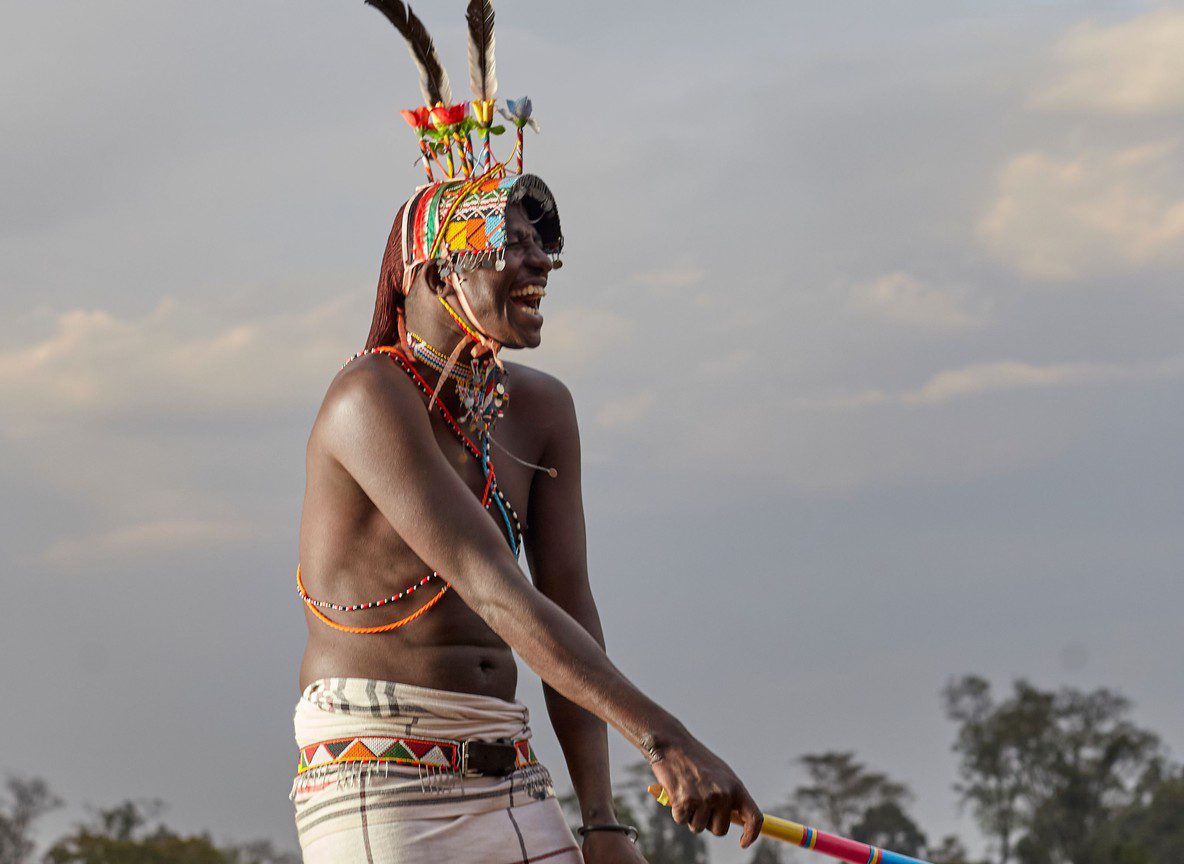
Little Governors’ Camp was one of the most recognized names in Maasai Mara accommodation for decades. Positioned on the western bank of the Mara River inside the Mara Triangle, it operated as a classic tented camp with a loyal following among repeat Mara visitors. The property has since been taken over by Wilderness Safaris and is being rebuilt. It will reopen as Wilderness Mara, with a projected date in 2026.
If you are planning a Maasai Mara trip and the Mara Triangle location is important to you, this guide explains what that location offers, what to expect from the rebuilt property, and what questions to ask before booking a stay that may span the transition period.
The Mara Triangle: Why This Location Is Significant
What the Mara Triangle Is
The Mara Triangle is the western portion of the Maasai Mara National Reserve, managed separately from the larger eastern reserve by the Mara Conservancy (a private nonprofit). The Triangle occupies the land between the Mara River to the east and the Oloololo (Siria) Escarpment to the west.
This management distinction matters for a practical reason: the Mara Conservancy has historically maintained stricter vehicle conduct rules, better road conditions, and tighter anti-poaching coverage than some sections of the main reserve. The result is a wildlife experience that many experienced Mara travelers consider the best the national reserve offers.
The Kenya Wildlife Service covers the broader Maasai Mara designation, while the Mara Conservancy handles day-to-day Triangle management under a separate management agreement.
Why the Mara River Bank Position Matters
Little Governors’ Camp, and by extension Wilderness Mara once complete, sits on the western bank of the Mara River. This position has specific implications for the Great Migration:
- The Mara River crossings happen at sites concentrated in this section of the river
- Guests on the western bank can reach active crossing points within a few minutes of camp
- The crossing from the camp to the adjacent game-viewing area is traditionally made by a small boat, a journey that has become a distinctive part of the camp’s identity
During July through October, wildebeest and zebra in the hundreds of thousands move across this section of river from Tanzania into Kenya. At peak crossing periods, herds can wait on the southern bank for hours or days before committing. When the crossing begins, it can involve tens of thousands of animals crossing in a single event. Watching this from a riverside position, with minimal vehicle competition, is what made Little Governors’ Camp’s location valuable.
Outside migration season, the Mara Triangle river zone holds resident hippo pods, large crocodile populations, and a year-round corridor for elephant and lion movement between the river and the open plains of the Triangle.
Wilderness Safaris and the Rebrand
What the Change in Operator Means
Wilderness Safaris is a large conservation-focused hospitality group that operates camps across southern and eastern Africa. Their portfolio includes several properties in Kenya, and they bring a specific operational philosophy that emphasizes conservation integration, guide training standards, and low-impact camp design.
For travelers who knew Little Governors’ Camp, the transition to Wilderness Mara will mean a different camp aesthetic, different pricing structure, and different operational standards than the original property. The new camp is expected to reflect Wilderness Safaris’ design approach: canvas and natural materials, solar power, minimal infrastructure footprint, and a focus on wildlife immersion over resort amenities.
What should not change is the location advantage. The river bank position and the Mara Triangle wildlife access are geographic facts that no rebrand can alter.
Rebuilding Timeline and Booking Considerations
As of mid-2026, the rebuilding program was projected for completion. If you are considering a stay at Wilderness Mara, confirm the current operational status directly before booking. Key questions:
- Is the camp open and receiving guests on your intended travel dates?
- Is the boat crossing between camp and the main game-viewing area operational?
- Are all tents in the new build open, or is it a phased opening?
- What is the refund or rebooking policy if construction timelines extend?
Properties emerging from major rebuilds sometimes open with partial capacity or with specific facilities still being finalized. Knowing this in advance prevents surprises on arrival.
What to Expect from the Rebuilt Camp
Design and Facilities
Wilderness Safaris builds to a consistent standard across its properties. Guests can expect:
- Canvas tented accommodation with en-suite bathrooms, flush toilets, and hot running water
- Solar-powered electricity with adequate charging facilities for cameras and devices
- A central area for dining, a small library or lounge, and a fire pit or outdoor social space
- Guide vehicles suited to open-air game viewing, typically open-sided 4WD Land Cruisers or Land Rovers
What you will not find at a Wilderness Safaris property: swimming pools at smaller camps, spa facilities, or the style of resort infrastructure that exists at large lodge properties elsewhere in the Mara. This is deliberate. The camp design is oriented around time spent in the field, not time spent at the property.
Game Drives from Wilderness Mara
Standard game drives from the camp will cover the Mara Triangle and can extend into the main reserve depending on your itinerary. The Triangle’s stricter vehicle conduct rules mean that sightings are generally less crowded than in the high-traffic areas of the eastern reserve, even during peak migration season.
Night game drives are not available inside the national reserve (including the Triangle). If night drive access is a priority, a conservancy camp elsewhere in the Mara ecosystem would suit better.
The boat crossing from camp to the main game-viewing area, if maintained in the rebuild as it was at Little Governors’ Camp, is worth experiencing as an orientation. Crossing the Mara River on a small boat with hippos and crocodiles in the water is a different kind of wildlife encounter than the vehicle-based drives.
Seasonal Guide for the Mara Triangle
Understanding the Triangle’s seasonal patterns helps you pick the right dates:
July to October: Peak crossing season. Wildebeest and zebra funnel through the Triangle on their way to and from the Mara River. Crossings near camp are accessible quickly. Vehicle numbers are high even in the Triangle, though still lower than the eastern reserve. Advance booking is essential 6 to 9 months out.
November to February: Post-migration. Resident wildlife remains strong. Grass starts to grow back after the dry season. Green-season photographic light. Fewer vehicles. Prices generally soften.
March to June: Long rains. Mara Triangle roads are typically better maintained than sections of the eastern reserve, but heavy rain still affects some routes. Wildlife does not leave; grass grows tall. Bird diversity peaks with the arrival of migratory species. Some travelers specifically choose this period for the lower visitor numbers.
Comparing Mara Triangle to Other Mara Zones
Travelers choosing between Mara Triangle accommodation and options in the conservancies or eastern reserve often face this trade-off:
- Mara Triangle: Inside the national reserve, so night drives not available, but the Mara Conservancy’s management delivers consistently better conditions than many other reserve sections. Strong river-crossing access. Established camp infrastructure.
- Mara North or Olare Motorogi Conservancies: Outside the reserve, so night drives are possible. Smaller camps, lower vehicle density. Access to the national reserve still available from conservancy camps. Higher per-night rates at the most exclusive properties.
- Eastern Maasai Mara Reserve: More lodges, more vehicles, easier access from Nairobi by road. Value camps available at lower price points. Wildlife is the same ecosystem, but sighting quality in high-traffic areas can be lower during peak season.
For context on how Mara Triangle properties compare to options across the wider ecosystem, Trunktrails Safaris publishes a Maasai Mara camp guide organized by zone and price tier.
Practical Notes for Booking
Getting There
Wilderness Mara will be accessible via chartered or scheduled light aircraft into the Kichwa Tembo or Mara Triangle airstrips. Both are inside the western Mara area. Flight time from Wilson Airport in Nairobi is under an hour.
Road transfer from Nairobi to the Mara Triangle is longer than to the eastern reserve because the Triangle’s western position adds distance. The typical road journey is six to seven hours. For most travelers who have limited time, the flight option is worth the additional cost.
What Packages Are Likely to Cover
Based on Wilderness Safaris’ standard structure at comparable properties:
- Accommodation and all meals
- Morning and afternoon game drives
- Park fees (the Triangle requires standard Maasai Mara national reserve entry fees)
- Guided bush walks if available at this specific property
- Laundry service
Items charged separately typically include domestic flights, premium bar items, tips, and specialist activities.
Explorer Notes: Planning Checklist
Before confirming a booking at Wilderness Mara:
- Verify the current operational status and confirm which tents are available
- Ask whether the traditional boat crossing is part of the rebuilt camp’s design
- Confirm park fee inclusion and whether a conservancy levy applies
- Check the rebooking and cancellation terms given the rebuild context
- Ask what alternative accommodation the operator can provide if the property is not yet fully operational on your dates
Conclusion
The Mara Triangle location that made Little Governors’ Camp valuable for generations of Mara travelers remains in place under the Wilderness Mara rebuild. The river bank position, the proximity to crossing sites, and the Mara Conservancy’s management standards are geographic and institutional facts that persist regardless of the camp’s name or ownership.
What changes with the rebuild is the camp design, the operational standards applied by Wilderness Safaris, and potentially the price tier. For travelers who want a strong Mara Triangle experience with a well-resourced operator behind the logistics, Wilderness Mara is worth tracking. For those who need confirmation of current operational status before committing, direct contact with the property or a Kenya-based travel specialist is the cleaner route.
Related Reading
- The Mara Triangle: What Makes It Different from the Rest of the Maasai Mara
- Best Camps and Lodges in the Maasai Mara
- Maasai Mara National Reserve: Planning Guide
- Great Migration Kenya: When and Where to See It
- Mara Triangle vs. Maasai Mara Reserve: Which Zone Should You Choose?
Turn this reading into a real itinerary with help from a Kenya-based safari team.
Start Planning Your Safari