

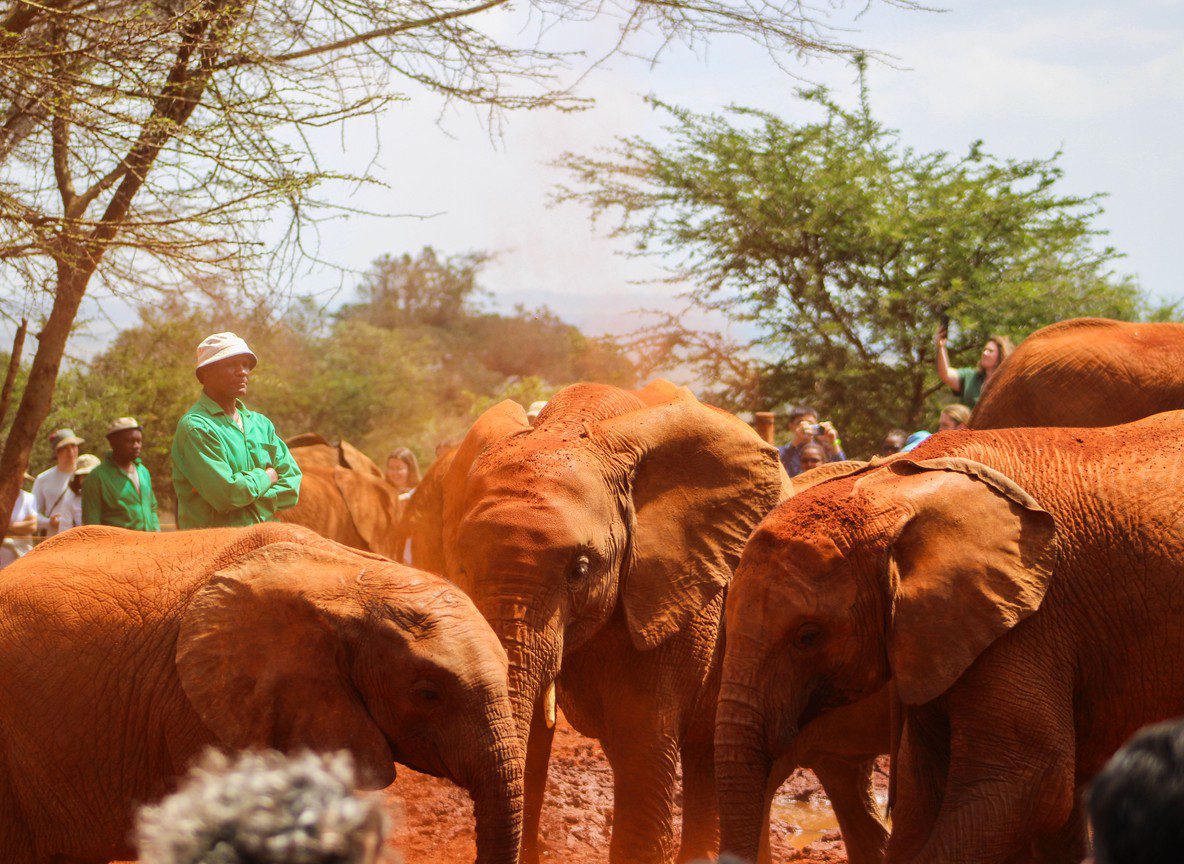
Tsavo West National Park shares a boundary with Tsavo East but feels like a different landscape entirely. Where Tsavo East is flat, open, and baked in red dust, Tsavo West is varied: volcanic hills, ancient lava flows, dense acacia thornbush, the crystal springs of Mzima, and the cool air of the Ngulia Hills escarpment. This terrain variation is what makes the clothing strategy for Tsavo West more layered, and more thought-through, than most packing guides suggest.
Daytime temperatures are warm to hot, but the Ngulia Hills and surrounding elevated areas introduce genuinely cold morning temperatures that Tsavo East rarely produces. If you are staying in a camp at higher elevation, you will need a warmer mid-layer than the word “Tsavo” typically implies. At the same time, the denser bush cover, walking opportunities at Mzima Springs, and volcanic rock underfoot all shape specific footwear and fabric requirements that differ from the open-plains approach of Tsavo East.
This guide walks through what to wear in Tsavo West National Park at every time of day, for every terrain type you are likely to encounter.
How Tsavo West’s Terrain Changes Your Clothing Needs
Three landscape features drive the specific clothing requirements here:
Elevation at Ngulia: Camps in the Ngulia Hills area sit at 900-1,200 meters above sea level. Dawn temperatures here can drop to 12-15°C, significantly colder than the lower sections of the park and far colder than Tsavo East. This is a meaningful difference for open-vehicle morning drives.
Dense vegetation: Tsavo West has substantially more bush cover than Tsavo East. This reduces direct dust exposure during drives, but it increases contact with thorns, long grass, and insects. Clothing that covers arms and ankles is more important here at dawn and dusk than it would be in the open Tsavo East plains.
Walking surfaces: Mzima Springs, the volcanic freshwater springs near Kilaguni, involves a short guided trail on uneven volcanic rock. The rocky path, combined with other camp walking that navigates lava fields and bush edges, makes footwear selection more important in Tsavo West than in most vehicle-only safari parks.
Color Strategy for Tsavo West
The neutral earth-tone approach works here as in every Kenyan park. The specific consideration in Tsavo West is that the denser bush environment means more fabric contact with vegetation.
Colors that work well:
- Olive green
- Khaki and tan
- Brown and warm grey
- Dusty beige
Styles and colors to avoid:
- Bright or neon shades
- White and cream (still pick up dust on unpaved sections)
- Camouflage patterns
- Loose, open-weave fabrics that catch on acacia thorns
The denser vegetation of Tsavo West means you get more shade during parts of the day than you would on Tsavo East’s open plains, so heat management is slightly more forgiving here. But the bush contact makes fabric durability a more relevant consideration.
Morning Game Drive Clothing: Warmer Than You Might Expect
If your camp is in or near the Ngulia Hills area, dress warmer for morning drives than any standard safari packing list suggests. The combination of elevation, early morning air, and open-vehicle movement creates a chill that surprises visitors expecting the warmth they associate with southern Kenya.
A practical morning setup for Tsavo West:
- Long trousers
- A warm base layer, merino wool works best for the temperature range here
- A solid mid-layer fleece
- A light outer shell or wind jacket
- Closed shoes with warm socks
For camps at Ngulia elevation during the dry cool season of June through August, light gloves at the very start of a drive are not excessive. The combination of cold air and vehicle wind can drop the felt temperature significantly below the ambient reading.
This is the warmest morning setup of the three Tsavo packing guides, because the Ngulia area produces the coldest pre-dawn conditions in any standard Tsavo itinerary.
Midday Clothing in Tsavo West
By mid-morning the temperature climbs across the park, though the bush cover and occasional cloud around the hills keep Tsavo West cooler than the open Tsavo East plains for a longer stretch of the day. Midday is warm but not extreme in the way a three-hour Tsavo East afternoon drive can be.
A practical midday setup:
- Lightweight long-sleeve shirt in a breathable cotton-blend or technical fabric
- Comfortable safari trousers
- Hat or cap
- Sunglasses
- Insect repellent applied before departure (the bush environment keeps insects active through more of the day than open plains)
The midday clothing goal in Tsavo West is comfort in moderate heat with some insect awareness, rather than the UV-and-dust emergency management of Tsavo East midday.
Dressing for Mzima Springs
Mzima Springs is a genuine highlight of any Tsavo West visit and the one activity that calls for specific footwear preparation. The springs produce around 50 million liters of clear water per day from the volcanic rock, and the short guided walking trail loops around the pool where hippos and crocodiles are visible through an underwater viewing chamber.
For the Mzima walk:
- Closed shoes with a grip rubber sole, not flat sandals or camp shoes
- Long trousers (the path passes through grass and low bush in sections)
- Insect repellent applied before the walk
- A hat for the more open sections around the water
The walk itself takes most visitors 30-60 minutes. The footwear requirement is not steep, but flat sandals or lightweight canvas shoes handle the volcanic rock surface poorly. A trail shoe with even a modest tread is the right call.
Evening and Camp Clothing in Tsavo West
Tsavo West evenings cool quickly. At Ngulia elevations, sunset temperatures can reach 14-16°C by 7pm, which is notably cooler than the Tsavo East riverside camps and noticeably colder than any Kenyan coastal destination. Visitors who spent the day removing layers in the heat are sometimes caught with too little clothing for dinner.
A complete evening set for Tsavo West:
- Fresh long trousers
- A clean long-sleeve top or light sweater
- A solid fleece or light insulated jacket
- Closed shoes or sturdy sandals for camp paths
Camp environments in Tsavo West frequently involve rocky and uneven paths between tents and common areas. Camps here tend to integrate into the volcanic landscape rather than leveling it. Flat sandals work for pool areas but closed shoes are more practical for any path movement after dark.
Footwear for Tsavo West: More Varied Than Other Tsavo Parks
Tsavo West is the most footwear-demanding of the two Tsavo parks because of the walking opportunities and terrain variety.
Pack:
- One pair of solid trail shoes with non-slip grip (for Mzima Springs and camp walking)
- One lighter pair for relaxed camp use
Travelers whose itinerary includes ranger-guided bush walks in areas adjacent to Tsavo West should ensure their trail shoes have some ankle support, as extended walking on volcanic lava rock can turn an ankle quickly on uneven surfaces.
Avoid: flat canvas shoes, lightweight sandals, or any slip-on footwear as your primary option. These work in camp but are inadequate for the rocky and vegetated walking environments you will encounter.
Tsavo West Safari Packing List: 7-Day Core
- 3 to 4 lightweight tops (primarily long-sleeve)
- 2 to 3 pairs of safari trousers
- 1 warm fleece mid-layer (warmer than you would pack for Tsavo East)
- 1 light outer shell or rain jacket
- 1 set of sleepwear suitable for cooler nights
- 7 pairs of underwear
- 4 to 5 pairs of socks
- 1 hat or solid cap
- 1 buff or neck scarf
- 1 pair of trail shoes with grip sole
- 1 pair of camp shoes
Extras worth adding:
- Light gloves for Ngulia-elevation camps in June through September
- A packable rain shell (Tsavo West receives more rainfall than East, particularly from April to May)
- Swimsuit if your camp has a pool
Fabric Guide for Tsavo West Conditions
Tsavo West calls for a slightly different fabric balance than Tsavo East, with more emphasis on the insulating layer:
Good choices:
- Merino wool base layers (essential for the cold-to-warm swing at Ngulia elevation)
- Lightweight technical fabrics for midday shirts and trousers
- Cotton-blend shirts for shaded bush sections where breathability over UV blocking is the priority
Avoid:
- Heavy cotton as your morning layer at higher elevations (it holds cold air and is slow to warm with body heat)
- Open-weave fabrics in the bush sections (thorns and grass catch them and damage the fabric)
- Fragile or smooth-soled footwear on the Mzima path surfaces
The insulating mid-layer matters more in Tsavo West than in any other standard Tsavo itinerary. A solid fleece layered over a merino base is the combination that keeps most travelers comfortable across the full temperature range from cold pre-dawn at Ngulia to warm afternoon on the lower plains.
Seasonal Adjustments for Tsavo West
January to March (dry): Warm to hot days, cool nights at Ngulia elevation. Good layering conditions. Less vegetation than the wet season means some additional dust exposure on lower roads.
April to May (long rains): Tsavo West turns intensely green. The volcanic landscape is at its most dramatic visually. Rain falls in the afternoon and evening. Pack a rain shell as a priority. Insect repellent becomes more important in the wetter bush environment.
June to September (dry cool): Cold mornings at Ngulia, warm to hot afternoons. Peak layering season. The drier bush opens game viewing considerably. Gloves for dawn drives are justified for early June and late September.
October to November (short rains): Brief afternoon showers and moderating temperatures. The landscape begins greening again quickly. A lighter rain shell is useful. Evenings at Ngulia remain noticeably cool even as temperatures elsewhere moderate.
Accessories That Make a Difference in Tsavo West
- Good-quality insect repellent (the denser bush means more exposure than Tsavo East, particularly at dawn and dusk)
- A merino buff for cool mornings and for the Mzima Springs walk
- Polarized sunglasses
- SPF lip balm
- Sunscreen
- Insulated water bottle
- A headlamp for camp paths at night (Tsavo West camp paths are frequently rocky and unlit)
- A small daypack for in-vehicle use
Notes for Different Types of Visitors
Travelers combining Tsavo East and West in one trip: Pack for the colder Tsavo West conditions and you will be comfortable in Tsavo East. The reverse is not true. If you under-pack insulation for West, you will not find a solution at a Tsavo East camp.
Photography travelers: Tsavo West offers exceptional compositional variety: Mzima Springs reflections, volcanic lava outcrops, Ngulia ridge silhouettes, and the Kilimanjaro view on clear mornings from the right camp. Multiple terrain types in a single day mean flexible clothing makes the day easier. Long waits for hippo photography at Mzima Springs call for insect-aware clothing in the late afternoon.
Families: Mzima Springs is a highlight for children because the underwater viewing window makes hippos immediately accessible in a way that most game drives cannot match. Ensure children have closed shoes with grip for the walking path, not beach sandals, and apply insect repellent before the walk.
Visitors coming from Tsavo East: If you have spent several days in Tsavo East, the colder evenings at Ngulia may catch you off guard. Freshen your fleece layer for the Tsavo West leg of any combined itinerary.
What to Read Next
For visitors planning a combined Tsavo trip, the companion guide on what to wear in Tsavo East National Park explains where the clothing requirements shift toward dust and heat management on the open eastern plains. For visitors including Amboseli in their Kenya circuit, our Amboseli safari guide covers what to expect from the Kilimanjaro-view alternative across the Tanzanian border.