Most travelers who say they want something genuinely different still end up at the same parks. They tick Amboseli, do the Mara, maybe Samburu if the itinerary allows. El Karama Ranch in Kenya’s Laikipia Plateau never makes the list — and that is exactly why it deserves a closer look.
This is a 10,000-acre family-owned cattle ranch on the Laikipia Plateau, where wildlife moves without fences and the Great Ewaso Nyiro river cuts through the property carrying hippos, crocodiles, and the slow rhythm of old Kenya. If you have done the headline parks and want something that feels genuinely different, El Karama is a strong candidate for your next itinerary.
Why El Karama Is the Laikipia Safari Most Visitors Never Find
The Laikipia Plateau has a handful of names that appear on most luxury safari itineraries: Loisaba, Ol Pejeta, Borana. These are exceptional properties. They are also well-known, well-marketed, and well-occupied. El Karama operates on a different frequency entirely.
The Craig family — descendants of Kenya’s early settler era — built El Karama around a co-existence model: working cattle ranch and wildlife corridor running side by side. There is no branding machinery behind it. No billboard safari. The lodge takes roughly 20 guests at maximum. If you are not specifically looking for a Laikipia ranch safari, you will simply never stumble across it.
That obscurity is a feature. The bush here feels genuinely unmanicured. Game drives do not follow circuit roads worn down by vehicle convoys. You may spend an entire morning tracking wild dog without seeing another vehicle, because there is no other vehicle to see.
For the traveler who has done East Africa multiple times and is quietly tired of crowds at the Mara crossing, El Karama answers a question you may not have known you were asking.
Wildlife at El Karama: What Roams This 10,000-Acre Ranch
The species list at El Karama reflects Laikipia’s distinct ecological character — different from anything you find in the Rift Valley parks or along the coast.
Notable species:
- Reticulated giraffe — the tall, precisely patterned northern subspecies, distinct from Masai giraffe
- Grevy’s zebra — endangered, with narrow stripes; one of Kenya’s most critical conservation targets
- Elephant herds moving between the ranch and the wider Laikipia corridor
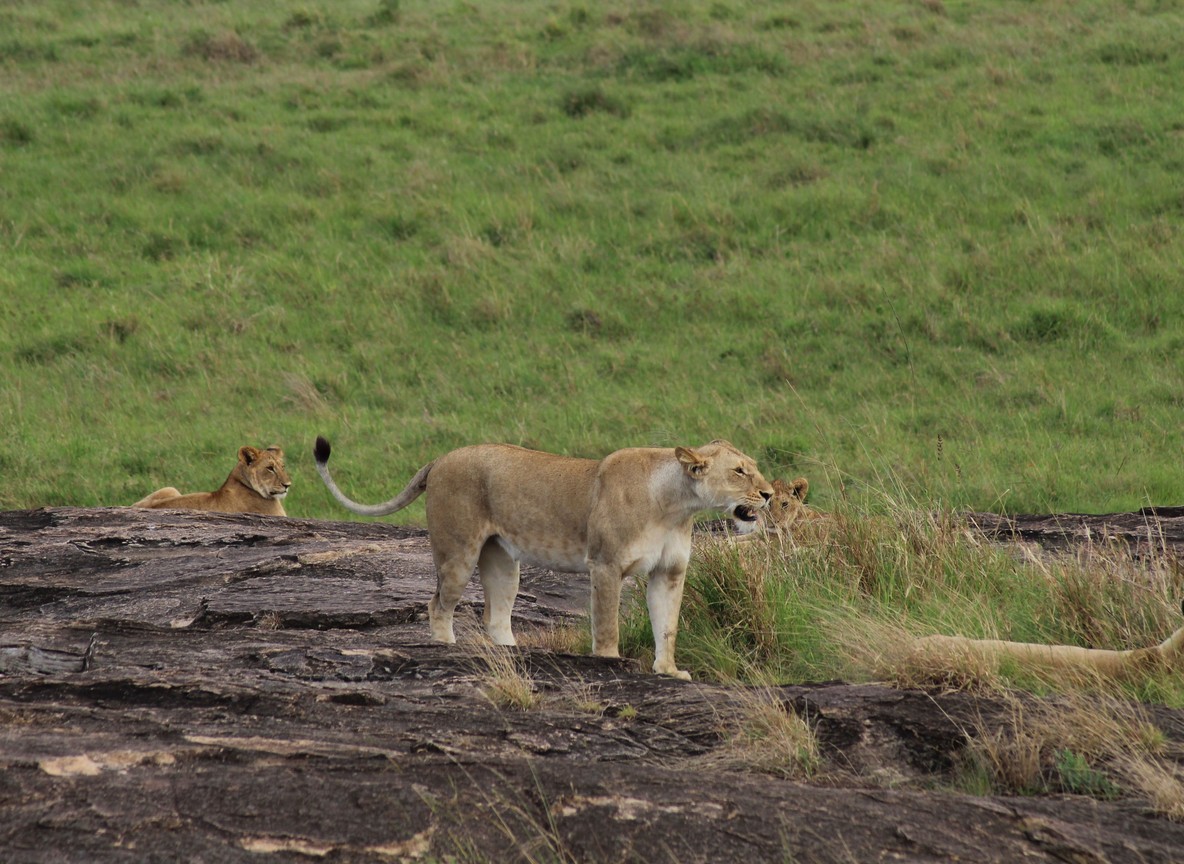
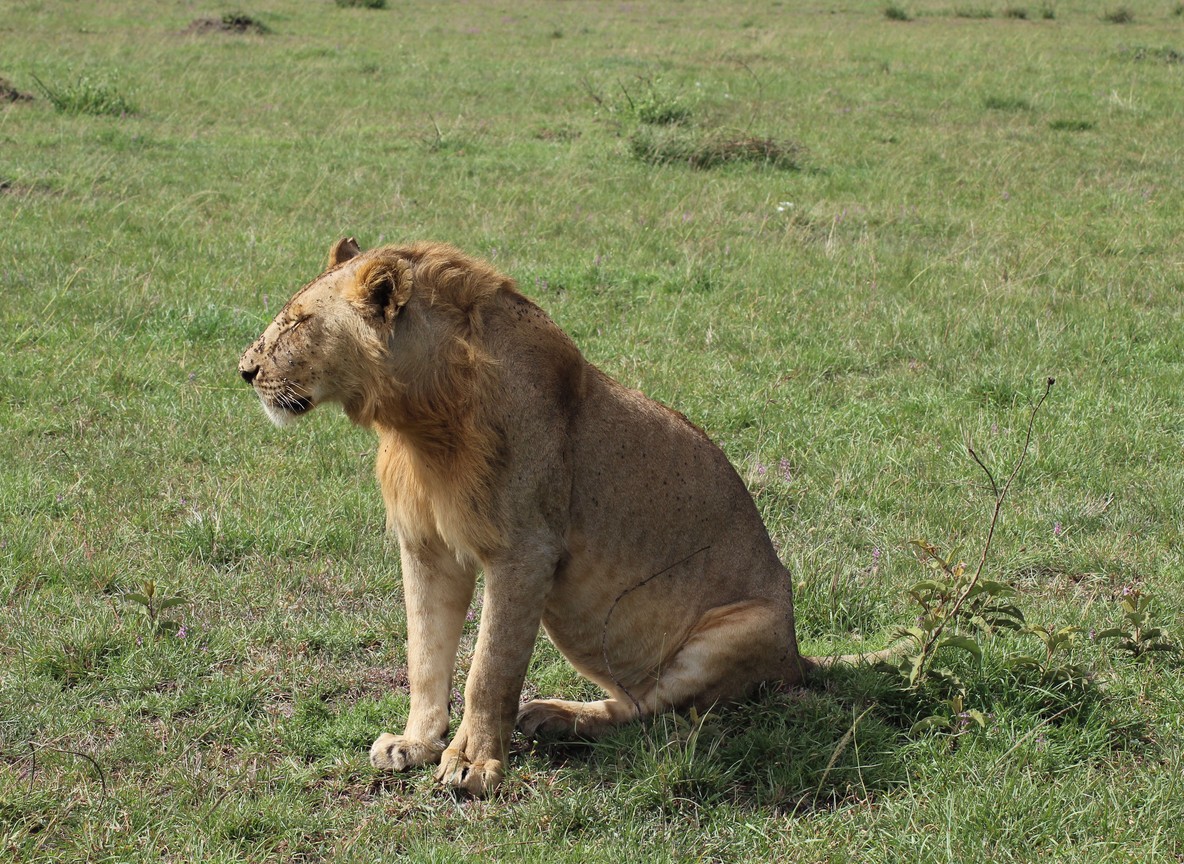
- Lion, leopard, and cheetah — all three big cats in unfenced terrain
- African wild dog — Laikipia holds one of Kenya’s healthiest populations
- Buffalo and hippo along the Ewaso Nyiro
- Crocodile in the river pools
The landscape here is semi-arid acacia bush with open grasslands and riverine forest. It produces good wildlife sightings across the year without the seasonal dependence that shapes Masai Mara visits. Rains in April and November green the property dramatically, but sightings remain strong because water sources concentrate animals around the river year-round.
Days at El Karama: Activities and Pace
This is not a high-octane activities menu. El Karama rewards travelers who want depth over volume.
Activities available:
- Morning and afternoon game drives in open 4×4 vehicles
- Guided bush walks with experienced trackers — the standard here is high
- Horse riding through the ranch, offering a genuinely different perspective on the bush
- Night drives for nocturnal species: aardvark, porcupine, serval, genet
- Fly fishing on the Ewaso Nyiro
- Cultural visits to Maasai and Mukogodo communities bordering the ranch
The pace is slow. Breakfast runs long. Sundowners happen on the river bank. The lodge itself is a tented property in a riverine setting — canvas walls, the sound of the river at night, no more than 20 guests at any time.
This is the kind of safari experience that has become genuinely hard to find: small, personal, and shaped by the land rather than by a marketing strategy.
| Activity | Best Time of Day | Season Notes |
|---|---|---|
| Game drives | Early morning, late afternoon | Year-round; green season adds dramatic skies |
| Bush walks | Morning | Dry season (Jun-Oct) for clearer tracks |
| Horse riding | Morning | Year-round |
| Night drives | After dark | Year-round |
| Cultural visits | Morning or afternoon | Year-round |
| Fly fishing | Morning | Best in dry season |
Conservation at El Karama: Wildlife Corridors and Community Ranching
El Karama is not a standalone conservation project. It is a functioning node in the Laikipia conservancy landscape — a network of private and community ranches that collectively form one of Africa’s most important wildlife corridors.
The corridor connects Samburu National Reserve in the north to the Aberdare Range in the south. Elephant, lion, and wild dog move through this corridor freely. No fences. No hard boundaries. El Karama’s cattle and wildlife coexist across the same terrain, which is both the challenge and the model.
Community engagement runs alongside the wildlife work. Maasai and Mukogodo families bordering the ranch benefit from tourism revenue, which is one of the reasons wildlife populations here are stable. When local communities have a stake in conservation outcomes, the animals stay.
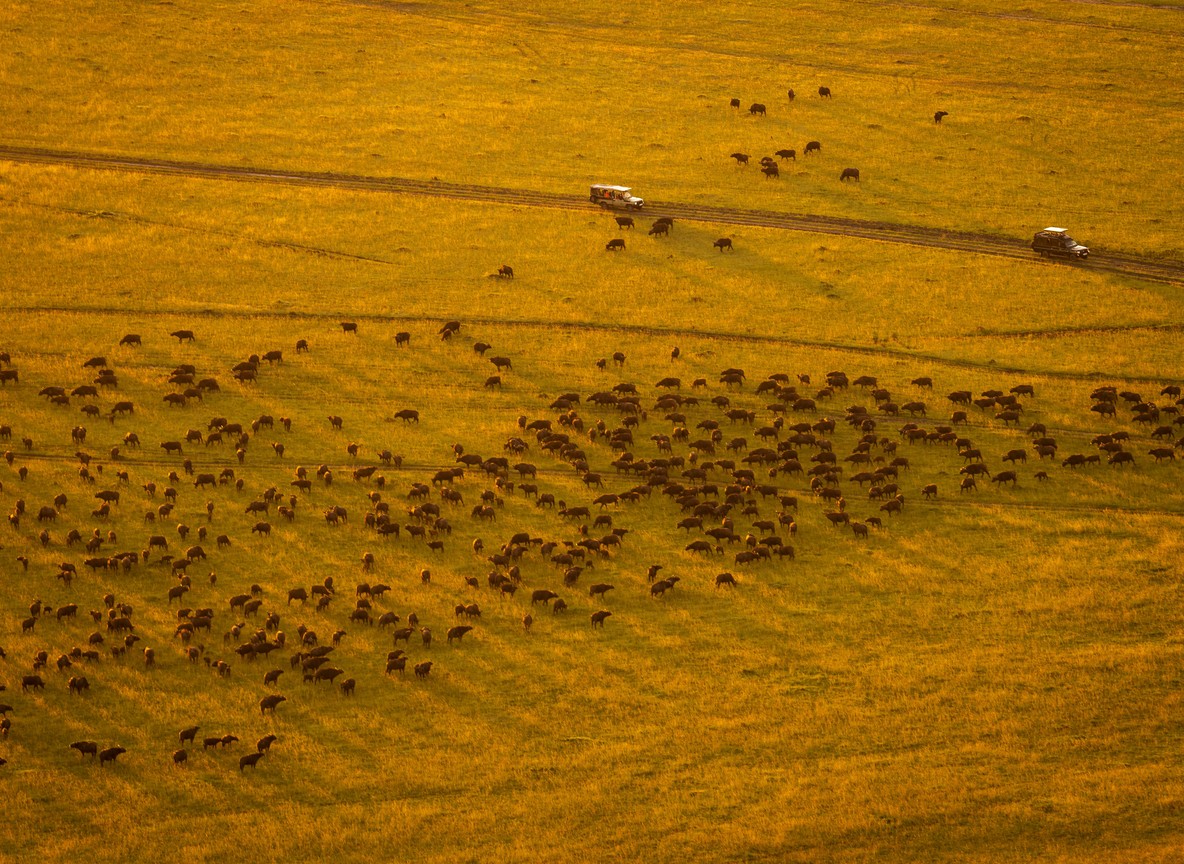
Combining El Karama With Samburu or the Masai Mara
El Karama works best as part of a multi-destination itinerary. Its remote character and limited size mean three or four nights is usually the right duration. Most travelers combine it with at least one other park.
Two strong combinations:
El Karama plus Samburu (north circuit) Samburu National Reserve sits roughly 1.5 hours north. Adding Samburu gives you the northern specialist species — beisa oryx, gerenuk, reticulated giraffe in a park setting — alongside the unfenced ranch experience. This is a compelling loop for travelers who want the north of Kenya without touching the Mara.
El Karama plus Masai Mara (classic extension) If you are coming from or heading to the Mara, El Karama adds genuine contrast. The Mara is big, open, grassy, and reliably busy. Laikipia is private, bush-dense, and genuinely quiet. The two experiences do not compete; they complement.
Getting to El Karama: Nanyuki, Transfers and Drive Times
By air: The fastest route is a scheduled or charter flight to Nanyuki Airstrip. Nanyuki is the main gateway to the Laikipia Plateau. Flying time from Nairobi Wilson Airport is approximately 45 minutes.
By road: Nanyuki is roughly 200km north of Nairobi — around 3 hours by road in good conditions. From Nanyuki, El Karama is 45 minutes by vehicle. The road is navigable in a standard 4×4; no specialist transfer required.
From Samburu: Samburu to El Karama is approximately 1.5 hours by road — a short enough drive to do comfortably in the morning before lunch.
Where to Stay at El Karama Ranch
El Karama Lodge is the primary accommodation on the property. It is a small tented camp on the banks of the Ewaso Nyiro — canvas tents, en-suite facilities, a central dining area, and a maximum capacity of around 20 guests.
The small size is the point. There is no anonymity here. The staff know your name by day two. The guiding team customizes activities around what you want to see, not around what works for a group of 40.
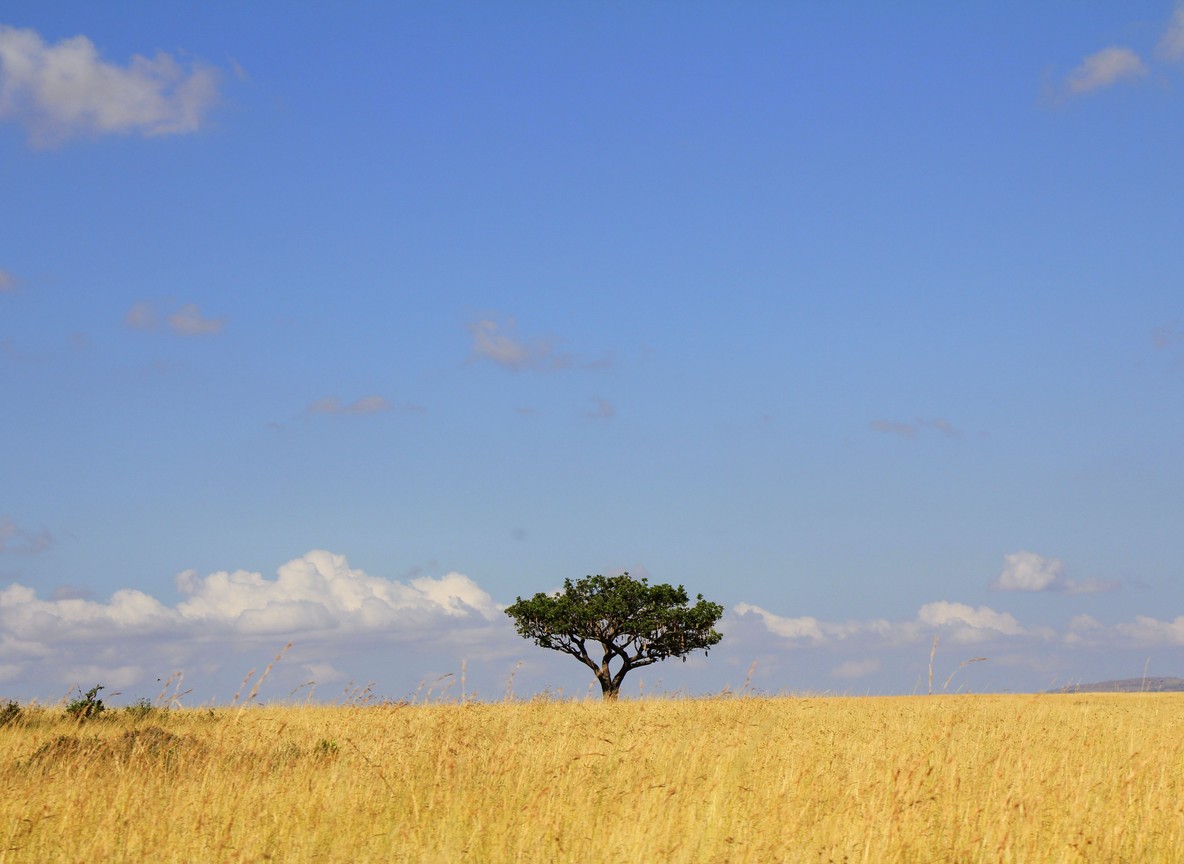
Explorer Notes: Planning Your El Karama Visit
Best time to visit: El Karama is rewarding year-round. The dry season from June to October brings clearer bush, easier tracking, and the best conditions for bush walks. The green season (November and April) transforms the landscape and often brings dramatic cloud skies.
Who it suits best: Experienced safari travelers who have already covered the headline parks and want something more personal. It also works well for photographers focused on northern specialty species like Grevy’s zebra and reticulated giraffe, and for riders who want to experience the bush from horseback.
What to bring: Neutral-toned clothing for game drives and walks, warm layers for early mornings and evenings (Laikipia sits at altitude and can be genuinely cool at night), and a torch for after-dark movement around camp.
Duration: Three to four nights allows enough time to feel properly settled and to cover the range of activities without rushing. Two nights is workable as part of a tight circuit but limits what you can explore.
What Makes El Karama Worth the Extra Planning
Most visitors who arrive at El Karama say the same thing: they had not expected it to feel this quiet. The absence of other vehicles is not just a logistical detail — it changes the quality of every sighting. You have time to watch behavior unfold. You are not competing for position. The guide can take you off the track to follow something interesting without worrying about blocking anyone.
The ranch character adds something that pure game reserves rarely deliver. Watching reticulated giraffe move through a landscape that also supports working cattle and a functioning community is a reminder that conservation in Africa has always been more complicated, and more interesting, than a simple wildlife snapshot. El Karama is a living example of what co-existence can look like when it is managed well.
For more on how to choose between Kenya’s private wilderness properties, touringinsights.com covers the broader northern circuit in depth.
Reader Next Steps
If El Karama Ranch Kenya is on your radar, the most important first step is understanding how it fits into the wider circuit. It works best alongside Samburu or as a Laikipia leg on a longer Kenya itinerary.
For on-the-ground booking and itinerary building, Trunktrails Safaris works directly with El Karama and can map transfers, fly-in options, and timing precisely. Their team knows the road conditions on the Laikipia Plateau and the best seasonal windows for each activity on the property.
Plan for three to four nights. Fly in via Nanyuki if the budget allows. And go in the dry season if tracking and bush walks are a priority — though there is genuinely no bad time to be at El Karama.
If this guide has you ready to travel, a safari specialist can handle the route, camps, and logistics end to end.
Want to Book a Tour With Us?