There is a 741 square kilometre national park in southern Kenya, positioned between Amboseli and Tsavo, that most safari visitors have never heard of. It receives fewer visitors in a year than the Masai Mara receives in a busy weekend. Its hills are volcanic, its lava tubes are among the deepest in the world, and the elephant corridor it protects links two of Kenya’s largest ecosystems.
The Chyulu Hills National Park is not undiscovered — it is deliberately under-promoted. The camps here prefer it that way. So do the elephants. For travellers who have already done the standard Kenya circuit and want something genuinely different, the Chyulus are the logical next step.
What and Where the Chyulu Hills Are
The Chyulu Hills are a young volcanic range in Kajiado County, rising to approximately 2,170 metres above sea level. Geologically, they are among the youngest mountain ranges on Earth — some of the lava flows are less than 500 years old. The range runs roughly north-south for about 100 kilometres, forming a green spine between the arid Tsavo landscape to the east and the Amboseli basin to the west.
The national park covers the core of this range. It was gazetted in 1983 and remains one of Kenya’s least-developed parks. There are no tarmac roads inside the park. There is minimal park infrastructure. There are two luxury camps on or adjacent to the park boundary. That is essentially it.
| Feature | Detail |
|---|---|
| Size | 741 km2 |
| Altitude range | 900m to 2,170m |
| Ecosystem type | Volcanic highland / savannah mosaic |
| Annual visitors | Estimated under 5,000 (among Kenya’s lowest) |
| Nearest major town | Kibwezi (80km east) |
| Distance from Nairobi | ~280km (4-5 hour drive or 45-min charter flight) |
The Leviathan Cave System
Leviathan Cave is located in the Chyulu Hills National Park at the edge of the Nyiri Desert, and it is one of the most remarkable geological features in Kenya. It is a lava tube formed by an ancient volcanic flow — a tunnel left behind when the surface of a lava flow cooled and solidified while molten lava continued to move through the interior.
Leviathan is one of the longest lava tubes in Africa. The cave system extends for several kilometres underground, with sections of passage large enough to walk through upright. The entrance is a dramatic skylight opening in the volcanic rock.
Most Chyulu Hills camp experiences include a guided lava cave walk as a standard activity. This is not a managed tourist experience with handrails and lighting — it is a proper exploration with torches and geological context from a guide who knows the cave system well. The steady 18-degree temperature inside makes it a welcome break from the midday savanna heat.
Wildlife: The Tsavo-Amboseli Elephant Corridor
The Chyulu Hills sit in the middle of one of Kenya’s most important wildlife corridors. Elephants move freely between Tsavo West National Park (immediately to the east and south) and the Amboseli ecosystem (to the west) through the Chyulu range. This corridor is critical for genetic diversity in the Amboseli elephant population and for seasonal movement when food and water availability shifts between the two ecosystems.
What this means practically is that the Chyulu Hills see some of the largest and most relaxed elephant encounters in Kenya. These animals carry considerably less vehicle pressure than their Amboseli counterparts — they move through their natural range with minimal human intrusion.
Other wildlife in the park and surrounding conservancy land includes:
| Species | Notes |
|---|---|
| African elephant | High density; corridor movement year-round |
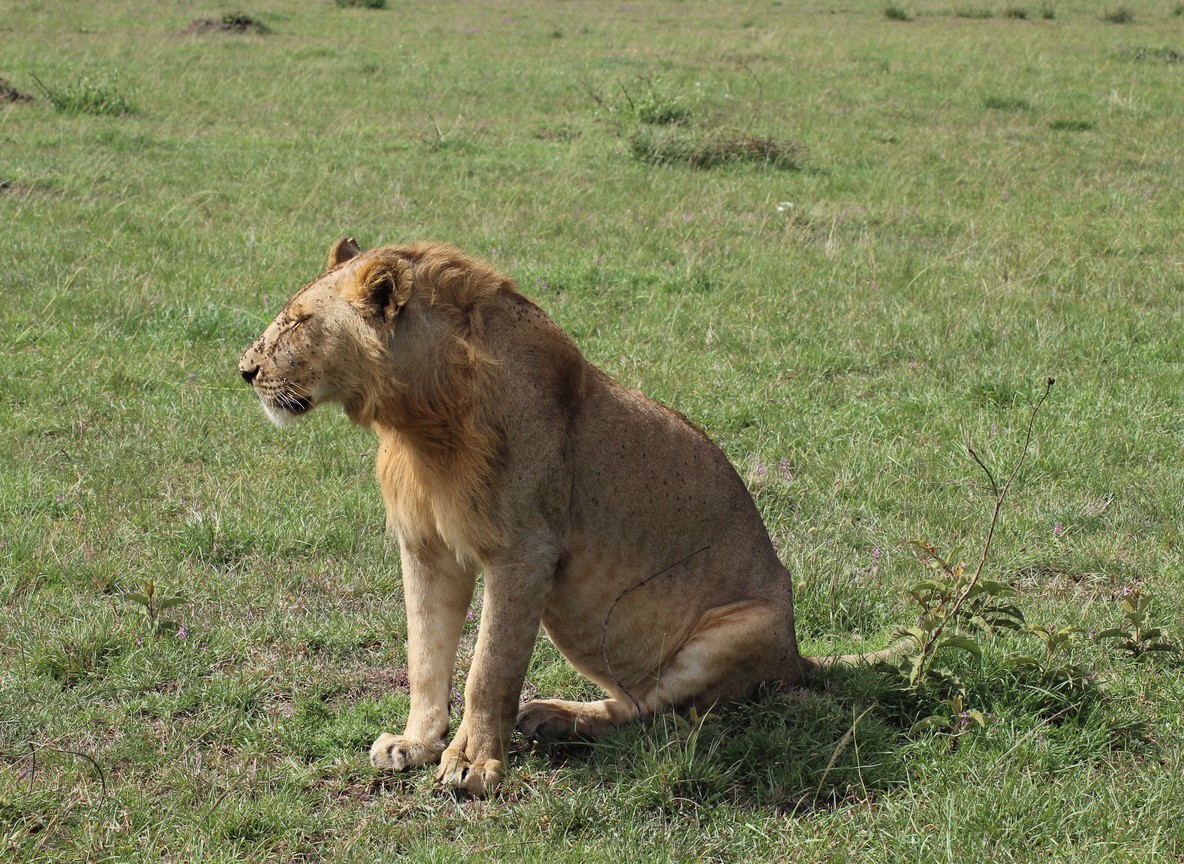
| Lion | Present; lower density than Mara but less disturbed |
| Leopard | Present; rarely seen |
| Buffalo | Large herds on the eastern slopes |
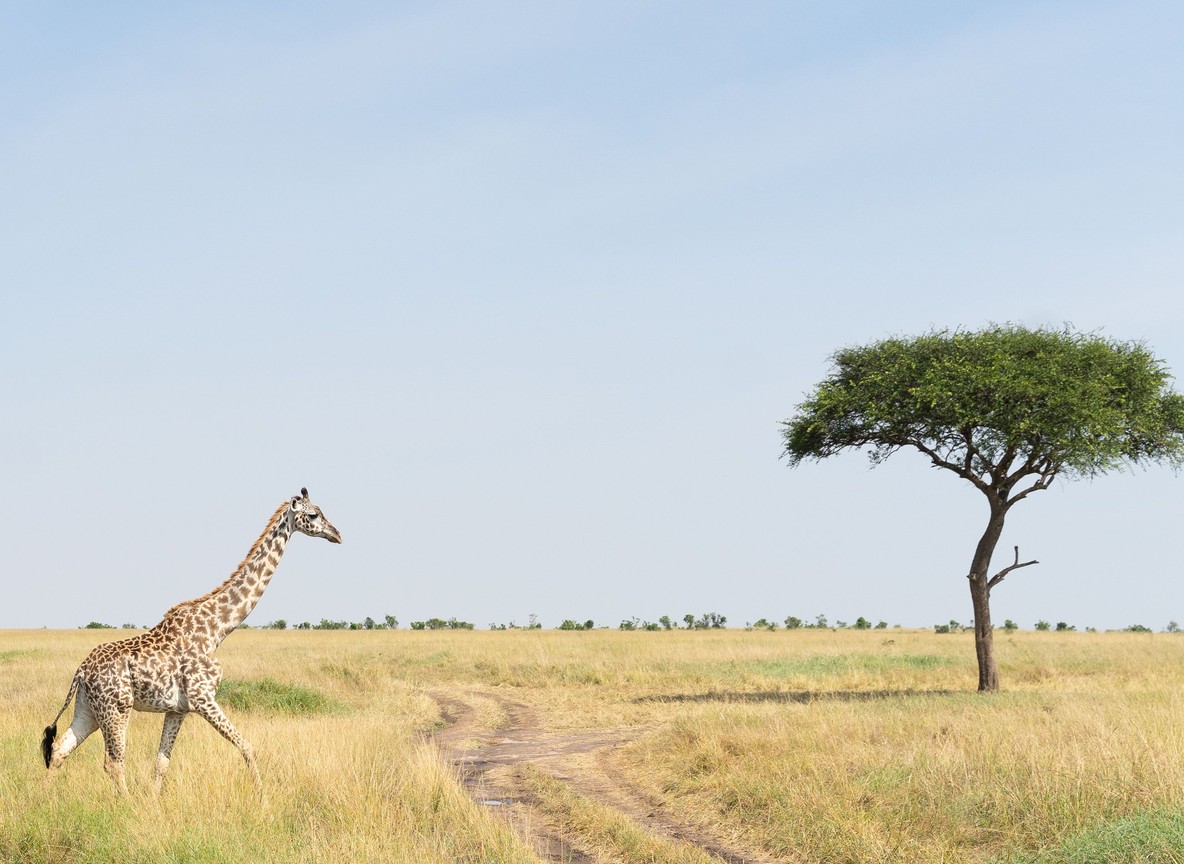
| Giraffe (Masai) | Common on the lower volcanic foothills |
| Zebra (Burchell’s) | Common |
| Eland | Large herds on the highland grasslands |
| Spotted hyena | Common, active at dawn and dusk |
Bird diversity is exceptional. The highland forest patches support endemic and near-endemic species that do not occur in the lowland parks. For birders, the Chyulus are one of Kenya’s most underrated destinations.
The Two Camps That Define This Landscape
The Chyulu Hills is not a destination for travellers who need options. There are two serious operations here, and they are genuinely different in character.
Campi ya Kanzi sits on the 280,000-acre Kuku Group Ranch, which is Maasai community land adjacent to the national park. The lodge was co-founded with Maasai landowners and operates on a profit-sharing model that returns a significant percentage of every bed-night to the community land trust. The conservation credentials run deep: Campi ya Kanzi has held Relais and Chateaux membership since 2003 and carries LEED Platinum certification for its solar and rainwater systems. The wildlife experience covers the full Chyulu Hills package — lava caves, elephant corridor, community Maasai interactions, and the extraordinary highland light.
Ol Donyo Lodge (Great Plains Conservation) occupies the 275,000-acre Mbirikani Group Ranch at the foot of the hills. It is one of the most architecturally dramatic safari lodges in Kenya — suites are built into the volcanic hillside with bathtubs positioned to face Kilimanjaro at dawn. The property runs a lion monitoring project that guests can participate in. Wildlife on the private ranch includes rhino (introduced), elephant, lion, and cheetah.
Both camps operate on community conservancy models with direct benefit to Maasai landowners. Both cap at around 10 guests, making a full buyout realistic for a private group.
| Camp | Style | Conservation Model | Rhino |
|---|---|---|---|
| Campi ya Kanzi | Tented camp, community | Kuku Group Ranch partnership | No |
| Ol Donyo Lodge | Luxury suites, architectural | Mbirikani Group Ranch (Great Plains) | Yes (introduced) |
Kilimanjaro Views from the Chyulu Ridge
On a clear morning — particularly between June and October after the long rains — Kilimanjaro appears from the Chyulu ridge in a way that is simply unlike any view from the Amboseli floor. From Amboseli you look up at the mountain across a flat dust plain. From the Chyulus you look across at it from a similar elevation, the mountain rising from a sea of green and red-brown bush. The perspective shifts from supplicant to peer.
The best window is 5:30 to 8:00 am before cloud builds. Ol Donyo Lodge at 1,600 metres has been designed specifically around this view: the main deck faces due south and the infinity pool creates a water-mirror effect that consistently ranks among the best photography setups in Kenya.
When to Go
The Chyulu Hills are green year-round by Kenya standards — the volcanic hills capture rainfall that the surrounding lowlands miss. The short rains (October to November) turn the hills vivid green. The dry seasons (January to March, June to October) offer better road access and more concentrated wildlife around permanent water.
Limited infrastructure means road conditions after heavy rain can restrict access. Flying in via charter to Kuku or Ol Donyo’s private airstrips is the most reliable approach from Nairobi (Wilson Airport, roughly 45 minutes).
| Season | Ridge Condition | Kilimanjaro Visibility | Wildlife Concentration | Rate Level |
|---|---|---|---|---|
| Jun-Oct | Dry, short grass | Excellent | High | Peak |
| Nov-Dec | Green, lush | Moderate | Good | Mid |
| Jan-Mar | Dry, warm | Excellent | High | Mid |
| Apr-May | Peak green | Good | Moderate | Low (-30-40%) |
How the Chyulus Fit Into a Kenya Itinerary
The Chyulu Hills work best as part of a southern Kenya circuit that connects Amboseli, Chyulu, and Tsavo in a three to four night sequence. The three ecosystems are geographically linked and ecologically distinct — Amboseli for elephants under Kilimanjaro, Chyulu for volcanic highlands and the cave experience, Tsavo for the red-dust drama of classic big-five savannah.
Tsavo West is immediately adjacent to the Chyulu Hills. The Shetani lava flow in Tsavo West shares the same volcanic origin as the Chyulu Hills system, and seeing both in sequence gives a remarkable geological continuity to a southern Kenya trip.
Road transfer from Amboseli to the Chyulus takes roughly two hours on the C103. Fly-in connections between all three destinations operate via Wilson Airport.
Explorer Notes
A few practical points worth knowing before you go:
The Chyulus are a low-crime, low-human-pressure landscape. The main practical consideration is wildlife — elephant and buffalo are present throughout, and guided walks require a KWS ranger escort.
Self-drive is not advisable. There are no marked roads, no infrastructure, and wildlife hazards that require an experienced guide to navigate safely.
Charter flight from Wilson Airport to Kuku or Ol Donyo’s private airstrip (45 to 50 minutes) is the standard approach. Road access from Kibwezi is possible in a capable 4WD but not recommended for first-time visitors.
Leviathan Cave is accessed through guided camp experiences at Campi ya Kanzi or with a licensed guide from the park entry. Independent access is not permitted.
For planning a southern Kenya circuit, the Tourinsights guide to connecting Amboseli and Tsavo covers the logistics in detail. For the most current information on Chyulu Hills National Park, the Kenya Wildlife Service site has park entry and fee details.
Conclusion
Most visitors leave Kenya without ever knowing this place existed. The Chyulu Hills reward the traveller who takes the time to look past the obvious circuit. Volcanic geology, one of Africa’s great elephant corridors, lava tubes running kilometres underground, and two of the finest small camps in East Africa — all of it within a landscape that receives fewer visitors than many parks receive in a single morning.
The southern Kenya circuit combining Amboseli, Chyulu Hills, and Tsavo is one of the most complete three-park combinations in the country. It is not heavily promoted because the camps are small and the experience does not photograph the same way the Mara does. That is exactly what makes it worth doing.
Reader Next Steps
- Review the Tourinsights comparison of Tsavo West and the Chyulu ecosystem for context on how these landscapes connect
- For Kilimanjaro photography from the Kenya side, see the Ol Donyo Lodge guide on touringinsights.com
- The official park entry and fee information is published by Kenya Wildlife Service
- If you want a broader view of southern Kenya routing, the Trunktrails Safaris southern Kenya circuit page covers camp options and fly-in logistics
Have questions about this itinerary or destination? Get answers from a safari specialist before you commit.
Inquire MoreFurther reading
More safari planning resources
- Map of Amboseli from Valley Safaris
- Big Five safari collection on FindMySafari
- Amboseli destination guide on FindMySafari
- Map of Tsavo from Valley Safaris
Related guides: Mathews Range Kenya: The Wild North Safari That Very Few Travellers Reach.