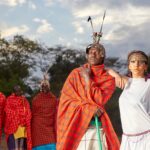
Northern Kenya is not short on spectacle. The landscape itself — open desert plains, volcanic formations, the shimmering expanse of Lake Turkana — is spectacle enough for most visitors. But there is a window, recurring across the calendar, when the region adds a different kind of intensity to the experience: the Tobong’u Lore festival.
For travelers who want to understand Northern Kenya beyond the wildlife itinerary, Tobong’u Lore is one of the most compelling reasons to plan a trip around a specific window. This guide covers what the festival is, when it takes place, how to attend responsibly, and how to build a safari itinerary that makes the most of both the cultural and natural dimensions of Northern Kenya.
What Tobong’u Lore Means
The phrase translates loosely as “Welcome Back Home.” That meaning carries weight in context. The Turkana people of Northern Kenya have lived across an enormous and demanding landscape for generations, moving seasonally with herds, maintaining networks of relationship across distance. A festival that celebrates return and reunion speaks directly to that way of life.
Tobong’u Lore is not simply a performance event, though performance is central to it. It is also a gathering of identity, a moment when communities affirm shared values, demonstrate cultural pride, and maintain connections across geographic distance. Music, dance, costume, and spoken word all carry meaning here that rewards attention from visitors who arrive with curiosity rather than just a camera.
The festival draws participation from multiple communities across the region. The El Molo, one of the smallest ethnic groups in Kenya, have participated in certain editions, particularly those linked to the Loiyangalani area on the eastern shore of Lake Turkana. That cross-community dimension is part of what makes the event significant beyond any single tradition.
When and Where: The Festival Calendar
Tobong’u Lore runs in cycles, and its timing has varied across editions. Based on recent documentation, the pattern includes several recurring windows:
- Lodwar editions have historically been associated with the April calendar window
- Loiyangalani-linked editions, which draw on El Molo cultural participation, tend toward June
- The 9th edition of the festival ran December 14 to 18, 2025, marking one of the more substantial recent iterations
The key practical point is that dates should be confirmed well in advance through official channels or local contacts. Festival timing can shift based on logistical and community factors, and traveling to Northern Kenya without confirmed dates creates real risk of missing the event window.
Planning sequence: confirm the official festival dates first, then book flights and transportation, then lock in accommodation. Reversing that order is a common mistake.
Why Northern Kenya Is Worth the Visit on Its Own Terms
Some visitors frame Tobong’u Lore as an add-on to a wildlife safari. That framing undersells both the festival and the region. Northern Kenya is one of the country’s most distinct and undervisited destinations, and a trip timed around the festival gives you access to a part of Kenya that most itineraries never reach.
Lake Turkana is the world’s largest alkaline lake and a UNESCO World Heritage Site. The jade-green water against the surrounding volcanic and desert landscape is one of the most visually striking scenes on the African continent. The Jade Sea, as it is sometimes called, supports significant wildlife including large Nile crocodile populations, flamingos, and endemic fish species.
Samburu National Reserve lies within reasonable range for itinerary pairing. Samburu holds species not found in Kenya’s southern reserves: the reticulated giraffe, Grevy’s zebra, Beisa oryx, and the Somali ostrich. A circuit that combines Samburu wildlife days with a festival attendance segment in the Lodwar or Loiyangalani area creates an itinerary that covers genuine ground, culturally and ecologically.
The Marsabit National Park corridor offers additional depth for travelers with more time. The route is remote, the landscapes are extraordinary, and the wildlife is genuinely off the beaten track. This is not a comfortable weekend extension. It rewards proper planning and appropriate transport.
How to Attend: Planning Steps
Confirm dates through official channels
The Tobong’u Lore festival has an organizing body, and confirming the active edition’s dates directly is the first step. This applies whether you are planning six months out or six weeks out. Because the event involves community coordination across a wide area, schedules are sometimes confirmed later than travelers expect.
Decide on your access method
Three approaches work, depending on your priorities:
Overland from Nairobi: The road journey to Lodwar or Loiyangalani is an expedition in itself. Distances are significant and road conditions vary. For travelers who want the full Northern Kenya landscape experience and have time to spare, overland travel is genuinely rewarding. Budget extra days.
Fly-in to Lodwar or Loiyangalani: Charter and scheduled flights serve both destinations from Wilson Airport in Nairobi. Flight time is under two hours. This option saves a substantial amount of ground transit time and suits travelers combining the festival with a broader itinerary spanning multiple regions.
Hybrid: Fly in for the festival segment, travel by road between regional safari stops. This approach balances cost, comfort, and the value of ground-level landscape experience.
Build buffer time
Northern Kenya operates on different logistical rhythms than the southern safari circuit. Weather events, particularly in the short and long rains, can affect road access. If your itinerary has no flexibility around the festival window, you are taking a risk. Two additional days of buffer on either side of the festival dates is the standard recommendation for careful planners.
Pair the cultural segment with wildlife days
A standalone festival trip to Northern Kenya is possible. A combined itinerary is better value and a more complete experience. Samburu works as the wildlife anchor for most itineraries, with three to four days of game drives before or after the festival segment. Lake Turkana itself is worth at least a full day on its own: boat trips on the lake, time at the shore, and exploration of the fishing communities along the eastern bank.
Cultural Etiquette and Responsible Attendance
A festival of this kind is a living community event. Travelers who approach it as a cultural exhibition risk missing both the experience and the point. Some practical guidance:
Photography should not be assumed to be welcome. Ask before pointing a camera at specific individuals, particularly during ceremonial moments. Many participants will be happy to be photographed. Some will not. Respecting that distinction is basic courtesy.
Dress conservatively, particularly for ceremonial portions of the event. Follow guidance from any local guide or cultural liaison you are traveling with. What is appropriate varies by community and moment.
Avoid moving through or past ceremonial activities in a way that interrupts the flow. If a procession or performance is in progress, wait and observe rather than positioning yourself for a better angle.
Using a local guide is strongly recommended, not because you cannot find your way around independently, but because a knowledgeable guide provides the cultural context that turns observation into understanding. The difference between watching a performance you cannot interpret and watching one that has been explained to you is the difference between tourism and travel.
Keep interactions respectful and patient in crowded moments. Northern Kenyan communities are accustomed to visitors, but they are not a performance for visitors.
Itinerary Frameworks
The following structures reflect common approaches for different time budgets:
Five-day culture-first itinerary: Fly to Lodwar. Two to three days in the festival window, including a day trip to relevant cultural sites in the region. One day of broader Turkana region exploration. Return flight to Nairobi.
Seven-day balanced itinerary: Three to four days of game drives in Samburu, then transfer to the festival area for two to three days of Tobong’u Lore attendance, with at least one day of Lake Turkana time built in.
Nine-day remote north itinerary: Open in Samburu. Drive or fly the Marsabit corridor. Arrive in the Turkana basin for the festival window, with time for lake exploration. Return to Nairobi via Lodwar fly-out. This structure covers serious ground and rewards travelers who want a genuinely immersive Northern Kenya experience.
Accommodation and Budget Notes
Northern Kenya is not a tourist infrastructure hub. Accommodation options in Lodwar and Loiyangalani are more limited than on the southern safari circuit, and during festival windows, available rooms fill quickly. Booking well in advance is not optional: it is the difference between a functional trip and a logistical problem.
Cost factors include: access method (overland vs. fly-in), accommodation category, the duration of both the festival segment and any wildlife extensions, and guide arrangements. Festival periods see increased demand across all accommodation categories. Planning early gives you the best choice at the best rates.
Explorer Notes
A few things worth knowing before you travel to Northern Kenya for this festival:
Read some background on Turkana history and culture before arriving. The region has a complex history with neighboring communities, with the Kenyan state, and with outside development interventions. Arriving with some of that context makes what you observe more meaningful.
The Northern Kenya climate is hot and dry for most of the year. The December festival window falls within the cooler post-rains period, but daytime temperatures in Lodwar and the Turkana basin remain high. Lightweight, breathable clothing and serious sun protection are non-negotiable.
The lake itself, if you reach it, has weather patterns that can change quickly. Afternoon winds on Lake Turkana can be strong, and boat trips are best planned for morning hours.
Planning a Visit
Tobong’u Lore rewards travelers who put in the planning work. The combination of a culturally significant festival, extraordinary landscape, and wildlife that you will not find on the standard Kenya circuit makes Northern Kenya one of the most distinctive destinations on the continent.
The starting point is confirming the active festival dates, then deciding whether to build around the festival alone or combine it with a Samburu or Lake Turkana extension. For most visitors, the combination is worth the extra days.
For broader context on what Northern Kenya has to offer, the Kenya destination guides on touringinsights.com include route notes on Samburu, Marsabit, and the Lake Turkana basin. For travel to the festival via a guided safari circuit, trunktrailssafaris.com runs culture-linked Northern Kenya itineraries with local coordination and timing support.
Turn this reading into a real itinerary with help from a Kenya-based safari team.
Start Planning Your Safari