Samburu National Reserve occupies a stretch of semi-arid northern Kenya where the landscape operates by different rules than the highland parks and coastal forests most visitors picture when they think of Kenya. The Ewaso Nyiro River cuts through the reserve as its single permanent water source, and the terrain on either side shifts from acacia scrub and dry riverbeds to open plains of red soil and doum palms. It is hot, direct, and visually arresting in a way that feels unlike anywhere else in East Africa.
What Samburu offers that no other Kenyan park replicates is the Samburu Special Five: reticulated giraffe, Grevy’s zebra, Beisa oryx, Somali ostrich, and gerenuk. These species are endemic to the arid north and will not appear on any Maasai Mara or Amboseli itinerary. For travelers who have already done the Mara circuit and are looking for something genuinely different, Samburu is the answer.
Timing your visit here is more consequential than at many other destinations. The semi-arid climate means the contrast between wet and dry periods is sharp, heat is a variable that directly affects daily drive planning, and wildlife concentration along the river changes dramatically by season. Here is what each period actually involves.
Understanding Samburu’s Climate
Samburu does not follow the same rainfall calendar as highland Kenya. Rain, when it comes, arrives in shorter and less reliable spells than in the Mara or Laikipia. The broad pattern:
- Dry season: June to October. Clear, warm, and excellent for wildlife tracking.
- January to March: Short dry period. Warm days, minimal rain, good access.
- Long rains: April to May. Wetter than most years expect; some tracks flood.
- Short rains: November to December. Sporadic showers, transitional conditions.
Because Samburu sits below 900 meters in elevation, temperatures stay warm year-round. Even in the coolest dry months, midday temperatures reach the upper 20s Celsius. In the hottest months of February and March, they can push well past 35 degrees. This matters for how you structure each day.
January to March: Warm, Dry, and Good for Wildlife
This is an underrated window. Rainfall is low, roads are in good condition, and the dry riverbeds and open plains allow for efficient wildlife tracking. The Ewaso Nyiro River holds water reliably throughout this period, and the concentration of animals along its banks is strong.
Gerenuk are particularly visible during this window, standing upright to browse from acacia branches at heights that no other antelope reaches. Reticulated giraffe move between open ground and riverine vegetation in predictable patterns. Grevy’s zebra and oryx appear regularly on the open plains.
One important adaptation for January through March visits: start drives early. The window between first light and 9am is your most productive time for wildlife. By late morning, heat builds quickly, and animal activity drops as species seek shade. Afternoon drives pick up again after 4pm as temperatures drop. The midday hours are best spent at camp.
What this period offers:
- Strong river-corridor wildlife viewing
- Reliable access to the Samburu Special Five
- Crisp early-morning photography conditions
- Mid-range pricing at most river-camp properties
April to May: The Long Rains and a Different Samburu
April and May bring the most sustained rainfall of the year. Tracks in lower-lying sections of the reserve can become impassable after heavy overnight rain, and some camp operators shift their drive schedules significantly during this period.
The trade-offs are real, but so are the benefits:
- Vegetation greens up quickly and creates a strikingly different visual experience
- Bird activity is at its richest, with nesting underway and migratory species present
- Accommodation occupancy drops significantly, and rates follow
- Camp atmospheres are quieter and more relaxed
The key to a successful April or May visit is flexibility. Drives planned around morning weather windows, with the understanding that afternoon conditions may limit some circuits, tend to perform well. Properties along the Ewaso Nyiro hold most of their wildlife value even in wet months, since the river corridor remains the center of animal movement regardless of season.
What to pack: a solid waterproof jacket, quick-dry clothing, and waterproof protection for camera equipment. Footwear that handles wet ground is worthwhile for any camp walking you plan to do.
June to October: The Prime Window for Samburu
This is the period when Samburu performs at its most consistent for wildlife observation. The dry season eliminates uncertainty from drive planning, concentrates wildlife predictably along the Ewaso Nyiro, and allows for efficient long loops that cover the reserve’s varied terrain.
Why experienced Samburu visitors favor this period:
- Water scarcity across the wider semi-arid zone draws elephants, predators, and ungulates to the river in numbers that feel almost theatrical
- Short, dry grass allows clear sightlines across open ground
- Grevy’s zebra herds are visible in large numbers on plains that otherwise support sparse vegetation
- Predator activity is strong, with lions hunting near the river and leopards visible in riverine trees
The practical daily structure here follows the heat. Sunrise drives (5:45am to 9:30am) capture the most active wildlife hours. Midday returns to camp make sense through the hottest stretch. Late-afternoon drives from around 4pm run until sunset and catch a second productive window.
A specific note on June and July: mornings can be sharper than expected in Samburu’s dry season. While temperatures are warm by global standards, the pre-dawn temperature at open-vehicle start time is cool enough to warrant a proper fleece layer. By 8am you will be glad to remove it, but the first hour of the drive benefits from warm clothing.
Peak season occupancy is highest in July through September. Well-located river camps book out early, and rate premiums apply. Planning and confirmation at least four months ahead is advisable for preferred properties.
November to December: Short Rains and a More Relaxed Pace
November and December sit in a transitional position. Rain arrives in shorter, less predictable bursts rather than the sustained patterns of the long-rains period. Many mornings during these months are completely clear, particularly in November.
What this window delivers:
- Fewer visitors than the July-August peak
- Softer pricing at most river-camp properties
- Fresh green growth that creates a different visual context
- Bird diversity remains strong, with migratory species arriving through November
The practical adjustment is the same as in other transitional periods: structure drives around morning conditions and build afternoon flexibility into your schedule. Rain that arrives by 2pm rarely affects a 6am departure.
For travelers who want a genuine Samburu experience without the logistical pressure of peak booking windows, November is one of the most underappreciated months in northern Kenya’s calendar.
Wildlife Viewing: What Changes by Season
Samburu’s wildlife story pivots almost entirely on the Ewaso Nyiro River. The Special Five species occupy specific niches in this ecosystem, and seasonal conditions affect how visible each species is:
Reticulated giraffe: Year-round residents. Dry-season months push them toward riverine vegetation where browse is reliable. Green-season dispersal spreads them more widely but makes spotting less efficient.
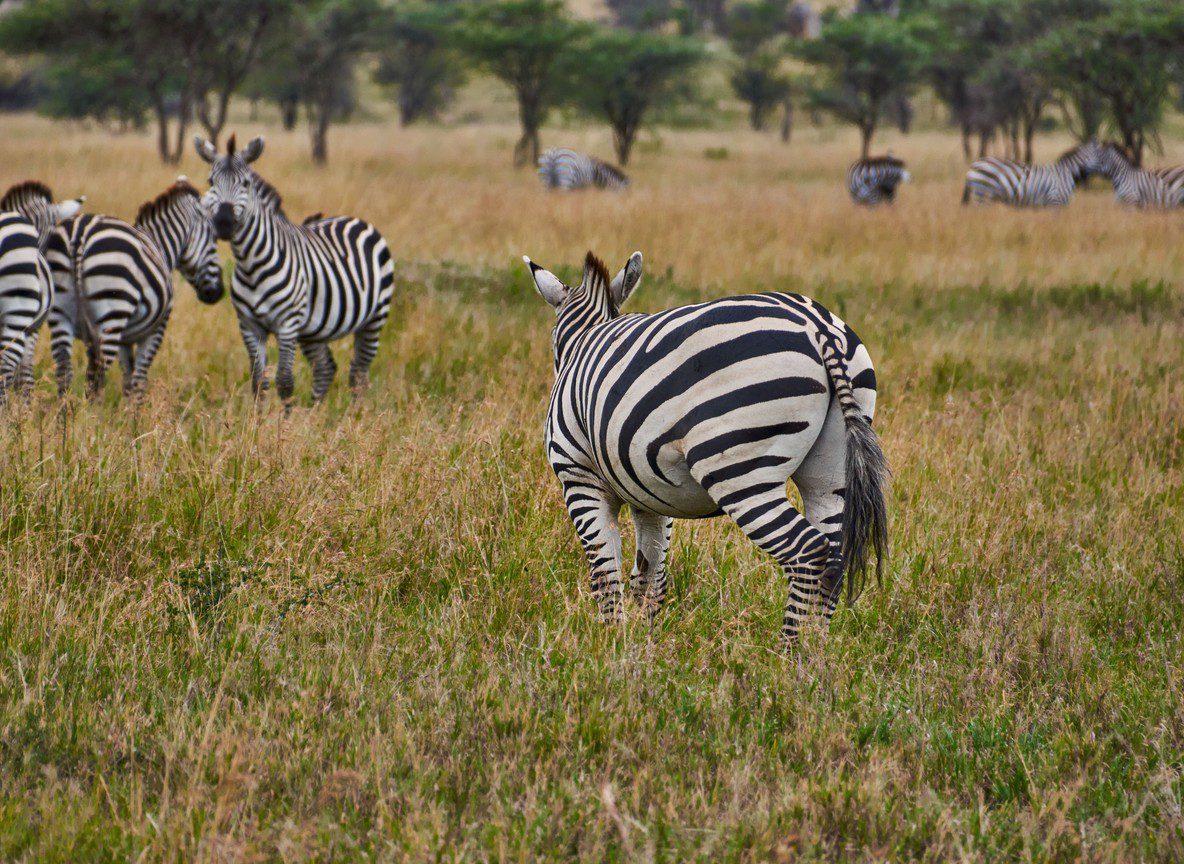
Grevy’s zebra: Most visible on open plains during and after grass growth in wet months, but dry-season water dependency brings them to the river corridor reliably. Large aggregations form near water points in July and August.
Beisa oryx: Well-adapted to heat and water stress. Visible year-round but most concentrated near water in peak dry months.
Gerenuk: Among the most reliably spotted species regardless of season. Their distinctive browsing behavior on acacia branches makes them identifiable from a distance in any conditions.
Somali ostrich: Seen regularly on open plains. Dry-season visibility improves as grass shortens.
For birders, the period from November through April overlaps with European and Asian migrant presence in the reserve. Over 450 species have been recorded in Samburu, and the riverine forest section holds the majority of forest and riparian specialists.
Explorer Notes: Making the Most of Samburu
The Ewaso Nyiro River corridor is where most wildlife encounters happen, and driving its length in both directions is the core activity at Samburu. Most full-day drives combine a morning river-corridor loop with an afternoon circuit through the open plains above the reserve boundary.
Samburu is commonly combined with the Ol Pejeta Conservancy and the Aberdares for a northern Kenya circuit, or with the Maasai Mara for a two-ecosystem itinerary that covers both northern arid and southern grassland environments. Internal flights between Samburu’s airstrip and Nairobi’s Wilson Airport make multi-destination routing practical without long road transfers.
For route planning, camp recommendations, and ground-level seasonal intelligence in Samburu, Trunktrails Safaris covers northern Kenya itineraries and can advise on current conditions at specific properties.
Our northern Kenya safari guide covers Samburu alongside Shaba, Buffalo Springs, and the Mathews Range for travelers considering a broader northern circuit.
Frequently Asked Questions
What is the best month to visit Samburu for the Special Five? June through September offers the most consistent viewing conditions for all five species, particularly at river-corridor water points. January and February are a strong alternative with fewer crowds.
Is Samburu too hot to visit in February and March? Midday temperatures are genuinely high in these months. The practical solution is a strict drive schedule: out at first light, back by 10am, out again at 4pm. Camps and lodges with good shade and pools make the middle of the day comfortable.
How does Samburu compare to the Maasai Mara? They are very different ecosystems. The Mara is famous for the wildebeest migration and open grassland predator action. Samburu is an arid, riverine, semi-arid landscape with a completely different species composition. Many travelers who have done the Mara find Samburu the more distinctive follow-up visit.
Can you combine Samburu and Ol Pejeta in one trip? Yes. The two destinations complement each other well and are within internal-flight range via Nanyuki or Samburu airstrips. Four to five nights combined covers both properly.
Read our Kenya safari planning guide for routing ideas that incorporate both destinations.
Turn this reading into a real itinerary with help from a Kenya-based safari team.
Start Planning Your Safari