Saruni Mara is not a lodge for travellers who simply want a base from which to watch wildlife. It is designed for those who want to engage the landscape more directly — on foot, after dark, and through the cultural connections that a privately managed conservancy makes possible. Understanding that distinction is the starting point for deciding whether Saruni Mara belongs in your Kenya itinerary.
Where It Sits: Mara North Conservancy
Mara North Conservancy borders the Masai Mara National Reserve on its northern edge. It is one of the larger and more established of the Mara ecosystem’s private conservancies, covering an area that connects the reserve’s wildlife populations with community-owned pastoral land managed under a conservation agreement with the Maasai landowners.
The conservancy model matters here. Because it operates as private land with controlled guest numbers, Mara North delivers a fundamentally different experience from staying inside the national reserve. Vehicle numbers are capped per conservancy, sightings are less congested, and the activities on offer go well beyond the standard dawn-and-dusk game drive.
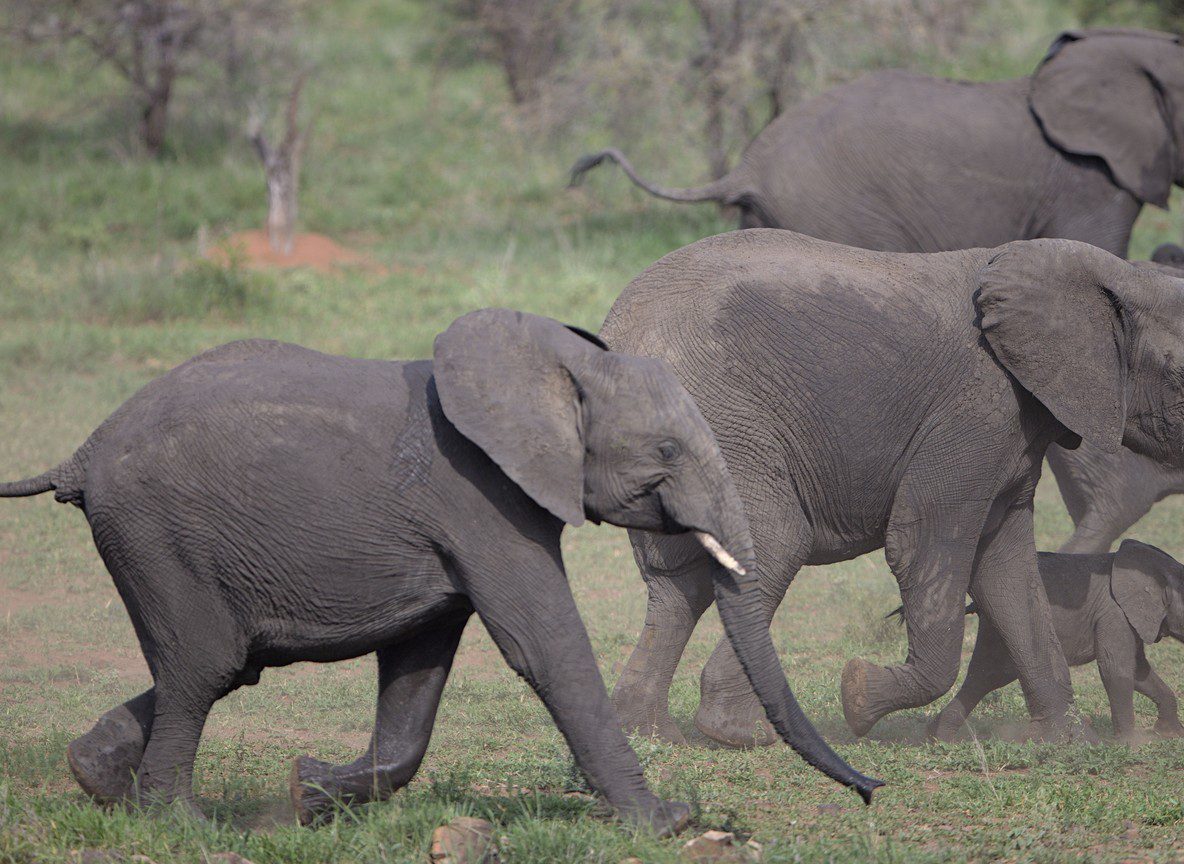
Saruni Mara is one of the conservancy’s resident camps. Its position in the northern part of the Mara ecosystem means guests are within range of the same wildlife that inhabits the reserve — lion, leopard, cheetah, elephant, buffalo, and the full cast of plains game — while operating under the terms that conservancy permits allow.
The Saruni Brand and Philosophy
Saruni is a small Kenya hospitality group with properties in multiple ecosystems — Saruni Samburu in the north, Saruni Wild in Mara North, and Saruni Mara itself. The brand’s consistent focus is on depth of experience over scale of facilities: small guest numbers, owner-involved operations, and a strong emphasis on walking and cultural programming rather than vehicle-only game drives.
Saruni Mara reflects this philosophy directly. The camp’s size — a small number of cottages housing a limited guest count — ensures that each group’s experience is personalised rather than managed in parallel with thirty other guests. That intimacy shapes everything from guide availability to meal flexibility.
Walking Safaris: The Defining Activity
Walking safaris are Saruni Mara’s headline offering, and they represent a meaningful shift in how you experience the African bush. On a vehicle drive, you are elevated above the landscape, contained, and moving at the guide’s speed. On foot, everything changes.
Sound arrives without the ambient noise of an engine. Tracks become legible — a pressed patch of grass where a lion lay that morning, the drag marks of a kill, the scent-marking post of a leopard. Animals that ignore vehicles may respond very differently to a walking party, which adds an element of genuine encounter that vehicle drives cannot replicate.
Walking safaris in Mara North require a certified walking guide and an armed ranger — the standard structure throughout Kenya’s conservancies. Groups are typically small, and the pace is set by the terrain and the wildlife encountered. The objective is not maximum sightings per hour but immersion in the ecosystem at a human scale.
Not every traveller will find walking safari comfortable. It demands some physical fitness, patience with slower movement, and a tolerance for the uncertainty that comes with genuine wilderness. For the right traveller, it is consistently cited as the most memorable experience of a Kenya trip.
Night Drives
Night drives are another conservancy-only activity unavailable inside the national reserve. After dark, Mara North’s predator population moves differently — lions become more active, leopard emerge from cover, and the nocturnal species that are invisible during daylight become the focus.
Genets, civets, serval cats, and spring hares appear in spotlight beams. Aardvark and pangolin — two of the continent’s most sought-after nocturnal sightings — are possible though never guaranteed. Hyena clan activity increases. The soundscape of a night drive is unlike anything a daytime safari delivers.
Saruni Mara’s guides conduct night drives with a spotlight-equipped vehicle, reading the darkness for eye-shine and movement. The experience requires an adjustment in approach — it is quieter, slower, and more atmospheric than a morning game drive — but for travellers who have done multiple vehicle safaris, it often becomes the most-discussed encounter of the trip.
Maasai Cultural Engagement
Saruni Mara’s position within a community conservancy creates direct connections to the Maasai landowners who manage the land. Cultural programming at the camp typically includes visits to nearby Maasai manyatta (homesteads), interactions with community members around traditional practices, and guided introductions to the ecological knowledge that Maasai pastoralists have accumulated across generations.
This is not a staged cultural performance. The Maasai community has genuine ongoing involvement in the conservancy’s management and economic benefit. That grounding gives cultural visits a different quality than the roadside manyatta visits that visitors can arrange from almost any Mara camp.
For travellers interested in understanding the human dimension of conservation — how wildlife and pastoralism coexist, what the conservancy model means for local livelihoods, and why community land matters for the Mara ecosystem’s long-term survival — Saruni Mara’s cultural access is substantive.
Sister Property: Saruni Samburu
The Saruni brand’s other notable property, Saruni Samburu in the northern Samburu National Reserve, operates on similar principles — small, owner-managed, with strong walking and cultural programming. Travellers interested in combining northern and southern Kenya ecosystems in a single itinerary will find the two Saruni properties a natural pairing.
Samburu adds the Special Five — species endemic to the northern desert ecosystems that are not found in the Mara: reticulated giraffe, Grevy’s zebra, Beisa oryx, gerenuk, and Somali ostrich. The contrast between northern Kenya’s arid palette and the Mara’s open grasslands makes for a varied and genuinely educational itinerary.
Who Saruni Mara Suits
Saruni Mara is calibrated for experienced safari travellers rather than first-timers. That is not a barrier to entry — first-time visitors can absolutely have an exceptional experience here — but the camp’s strengths are most fully appreciated by people who have done vehicle-based safaris before and are specifically seeking a different level of engagement.
Solo travellers and couples looking for a quiet, intimate atmosphere will find Saruni’s small scale suits them well. The camp does not lend itself to large groups or to families with very young children, partly because of the walking safari emphasis and partly because the intimate atmosphere is part of what makes it worth the price.
The luxury tier — quality of food, guiding, and facilities — is high. Saruni Mara is not budget accommodation. But within the high-end Mara conservancy category, it earns its pricing through genuine programme depth rather than just room specification.
Practical Considerations
Mara North Conservancy is accessible by road from Nairobi, typically via Narok and then northwest toward the conservancy boundary. The drive is long — six to eight hours — and most guests flying from Nairobi to nearby airstrips and then transferring by vehicle within the conservancy. Several airstrips serve the Mara North area.
Stays of three nights or more allow enough time to do walking safaris, night drives, and at least two or three standard game drives without feeling rushed. Two nights is the absolute minimum and leaves little margin for weather-dependent activity decisions.
The best seasons follow the broader Mara calendar: the July to October dry season brings the wildebeest migration and the most reliable game viewing. The green season (November through June) offers fewer visitors, lower rates, and the lush landscape of Mara North after rain — which many photographers find the most rewarding.
Have questions about this itinerary or destination? Get answers from a safari specialist before you commit.
Inquire More