Mara North Conservancy sits on the northwestern edge of the Masai Mara ecosystem, sharing a boundary with Masai Mara National Reserve and the Mara River that cuts through both. It covers around 31,000 hectares of classic Mara grassland, riverine forest, and seasonal wetland. What separates it from the main reserve is not the wildlife but the rules: a controlled number of camps, strict vehicle density limits, and a range of activities that are simply not permitted inside the national reserve.
Understanding the seasons in Mara North requires understanding how it relates to the broader Mara ecosystem and where the wildebeest migration fits into the planning picture. Not every month in Mara North is migration-driven. But when the migration is present, the conservancy’s position along the northern stretch of the Mara River puts it directly in the most dramatic part of the action.
How Mara North’s Season Structure Works
The conservancy sits at roughly 1,500 meters elevation and follows the Mara ecosystem’s rainfall pattern:
- Long rains: April to May
- Short rains: November to December
- Dry season: June to October (the core migration-adjacent window)
- Dry inter-season: January to March
Temperatures are moderate year-round, typically ranging from around 12 degrees Celsius at dawn to 28 degrees in the afternoon during dry months. Rainy months are cooler and more variable through the day.
Unlike a national park, the conservancy’s activity calendar is not controlled by Kenya Wildlife Service regulations. Night drives, off-road driving, bush walks with armed rangers, and sundowner stops in the open are all available year-round. That flexibility significantly changes the nature of the safari experience, particularly outside the migration window when activities beyond standard game drives carry more of the day’s value.
January to March: Quiet Season with Consistent Wildlife
The post-New Year window in Mara North is often overlooked because it falls between the Christmas holiday rush and the peak migration buildup. That is precisely what makes it interesting for travelers who are not migration-focused.
By January, the long rains of the previous April and May are long gone. The short rains of November and December have passed. The landscape is cycling through a transitional green phase toward drier conditions, with grasslands that are easier to drive than the post-rain mud of April and more photogenic than the bleached yellow of peak dry season.
Resident predator activity in January through March is strong and unhurried. Lion prides in Mara North are well established and highly habituated to vehicles. Without migration herds creating chaotic hunting conditions, predator behavior settles into steadier patterns that suit extended observation: morning hunts, afternoon resting, family interactions within prides.
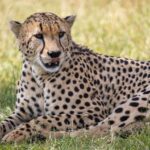
Cheetah sightings in the open areas along the conservancy’s northern boundary are among the most reliable of the year during this period. Mara North supports a healthy resident cheetah population, and open short-grass conditions make them consistently visible in early morning.
Camp availability is good and rates sit at mid-season levels. This is a practical window for travelers who want an excellent conservancy experience without peak-season pressure or pricing.
April to May: Long Rains and Off-Season Depth
April and May bring the long rains to Mara North. The landscape transforms: grassland that was golden in the dry season turns deep green, seasonal luggas (drainage lines) run with water, and the Mara River rises with upstream rainfall from the Mau Forest.
Wildlife behavior shifts in ways that require adjusted expectations. Predators spread across a wider area in longer grass, making sightings more variable and less predictable from a vehicle. The wildebeest migration is still in Tanzania’s southern Serengeti at this point in the annual cycle, so the conservancy operates entirely on its resident wildlife base.
For the right traveler, April and May in Mara North are genuinely rewarding.
Solitude reaches its maximum point. Vehicle density, already low by conservancy rules, drops further during the rains. Driving for an hour without seeing another vehicle is realistic in April, something that almost never happens in the main Masai Mara National Reserve at any time of year. The experience of the Mara ecosystem without crowd pressure is fundamentally different from peak season.
Rain in Mara North typically comes in concentrated afternoon bursts rather than all-day coverage. Morning drives often run in clear or partly cloudy conditions before weather builds through the afternoon. Guides structure activity timing around these patterns, shifting earlier starts and shorter afternoon sessions.
Camp rates reach their lowest point of the year in this window. Some of Mara North’s most sought-after camps offer significant reductions from peak-season pricing in April and May. For travelers with schedule flexibility who are comfortable with variable conditions, this can produce a high-value, high-solitude experience that compares favorably with peak-season visits.
June to October: Migration Season and Peak Demand
This is the period when Mara North earns its widest reputation. The wildebeest migration, which has been moving northward through the Serengeti since late April, typically crosses into the Masai Mara ecosystem from around July. Mara North’s position along the northern Mara River crossing points means it sits directly on the migration route as herds press northward toward Kenya.
River crossings in Mara North’s stretch of the Mara River are among the most dramatic wildlife events in East Africa. Herds of wildebeest and zebra approach the river, hesitate, crowd the bank, and eventually commit to crossing in chaotic surges while Nile crocodiles position in the current below. The timing of individual crossings cannot be predicted precisely, but with a camp positioned near productive crossing points and a guide tracking herd movements daily, the chances of witnessing a major crossing are high during July, August, and September.
Beyond the migration spectacle, this period delivers:
Predator activity at its annual peak. The abundance of wildebeest and zebra draws substantial lion, leopard, and cheetah numbers into concentrated areas. Game drives during the dry migration season regularly produce multiple big-cat sightings in a single morning. Wild dog are occasionally recorded passing through the conservancy during this window.
Optimal game drive conditions. Grasses are lower from grazing pressure, visibility is excellent across open areas, and cool mornings allow long dawn sessions before midday heat builds.
What to plan for during peak season:
Advance booking is not optional. June, July, and August at Mara North’s most regarded camps are booked many months ahead. For August and September travel, start looking at accommodation at least six months in advance. The best-positioned camps fill earlier than that.
Peak-season rates apply across most properties. The value calculation differs significantly from off-season visits, but the combination of migration crossings and predator abundance justifies the premium for most travelers who specifically want these experiences.
November to December: Short Rains and the After-Migration Window
By November, most of the wildebeest migration has moved back south toward Tanzania, following the short-rain green flush on the Serengeti plains. The conservancy retains its resident wildlife and the large predator populations that built up during the migration months and are now maintaining well-established territories.
The short rains in Mara North typically produce afternoon storms that clear by evening, leaving mornings and mid-morning sessions mostly clear and workable. The landscape transitions into a fresh green phase that produces some of the best photographic light of the year: warm golden morning sun against vibrant green grassland, with the kind of sky drama that rarely appears in the flat blue of peak dry season.
Camp availability is significantly better than in the August peak. Rates are below their highest point. The full activity menu remains open: night drives, off-road tracking, bush walks.
November and early December represent the period that many experienced Mara travelers prefer for repeat visits. The solitude, combined with still-active predator populations and fresh green landscapes, can match or exceed peak-season visit quality for travelers who are not specifically chasing migration crossings.
Late December brings holiday travel pressure, tightening availability and rates at popular camps.
Resident Wildlife Year-Round
The migration emphasis can create a misleading impression that Mara North is less worthwhile outside July through October. This is not accurate.
Lions: Multiple established prides with high vehicle habituation. Big-cat sightings are consistent across all months, with activity peaking in cool morning and late afternoon hours. Mara North’s lion population is one of its most reliable wildlife draws independent of season.
Leopards: Riverine forest along the Mara River and seasonal luggas supports a healthy leopard population. Early morning drives are most productive. Mara North’s lower vehicle density means more extended, undisturbed time at leopard sightings than is typically possible in the main reserve.
Cheetah: Open grassland zones within the conservancy are among the better cheetah habitats in the Mara ecosystem. January through March and October through November are particularly good periods, when grass height suits open-area hunting and gives clear sightlines from vehicles.
Elephants: Large family groups are present year-round, particularly in the northern and eastern sectors of the conservancy.
Hippos and crocodiles: The Mara River sections within Mara North hold substantial hippo pods and large Nile crocodiles year-round, independent of migration timing.
What the Conservancy Model Adds
The single strongest argument for choosing Mara North over the main Masai Mara National Reserve is vehicle management. The main reserve allows unlimited vehicles at sightings, and during peak migration, popular crossing points can have dozens of vehicles crowding the bank. Mara North’s conservancy model caps both the number of camps and the vehicles allowed in its territory.
The resulting practical differences:
Night drives are available. The main reserve prohibits them; Mara North’s conservancy status allows them year-round. Nocturnal species including aardvark, serval, porcupine, and various small cats are accessible only through night drives.
Off-road driving is permitted. Following a cheetah or lion on a hunt, tracking wild dog, or positioning for a river crossing approach all require leaving formed tracks at times. This is not possible in the national reserve.
Bush walks and sundowner stops in the open can be arranged through your camp. These activities change the scale and pace of the safari experience in ways that standard game drives cannot replicate.
Practical Planning Notes
Mara North is accessible by air via the Mara North airstrip, with regular connections from Nairobi Wilson Airport. Road transfers from Nairobi are possible but take five to six hours via the Trans-African Highway route through Narok. Most travelers fly in for efficiency.
Three nights is the recommended minimum for Mara North. This gives two full activity days and genuine time for the conservancy to reveal its daily patterns. Four nights is the better choice for photography-focused trips or for travelers who want to combine game drives with extended bush walking and night drives across different sectors.
For comprehensive Mara ecosystem planning, including comparisons between conservancy options and the main reserve, explore the Tourinsights Masai Mara guides. Trunktrails Safaris builds Mara North itineraries for both migration and non-migration travel windows, with specific advice on camp positioning by season.
Frequently Asked Questions
What is the best month to visit Mara North for the wildebeest migration? July through October is the core migration window for the Mara ecosystem. August and September tend to have the highest crossing frequency at Mara North’s river sections, but crossing timing cannot be guaranteed on any specific day.
Is Mara North better than the main Masai Mara reserve? That depends on your priorities. Mara North offers lower vehicle density, night drives, and off-road tracking. The main reserve has more accommodation options and different landscape sectors. Many experienced travelers combine both for a complete Mara experience.
Is April a viable time to visit Mara North? Yes. April is the quietest period, with the lowest rates and an immersive, solitary conservancy feel. Predator activity is good. Road conditions may require route flexibility after heavy rain.
Can I visit Mara North without focusing on the migration? Absolutely. Resident predators, elephants, and the full activity menu make Mara North a strong destination year-round. January through March and November are particularly good non-migration windows with consistently high wildlife quality and comfortable conditions.
How early should I book for peak-season travel? For July and August travel, six months ahead is the minimum for preferred camps. Some Mara North camps are booked up to a year in advance for the most competitive migration dates.
Turn this reading into a real itinerary with help from a Kenya-based safari team.
Start Planning Your SafariFurther reading
- Maasai Mara Wildlife Conservancies Association
- WWF wildlife conservation
- Magical Kenya (Kenya Tourism Board)