For travellers who want to stay inside the Masai Mara National Reserve itself — rather than in one of the private conservancies on its edges — Sarova Mara Game Camp is one of the most familiar names in the landscape. It is large, well-organised, and positioned for direct access to the reserve’s central game-viewing circuits. Understanding what that means in practice helps you decide whether it fits your travel style.
Location and What It Means for Game Drives
Sarova Mara Game Camp sits within the Masai Mara National Reserve near Sekenani Gate, which is the main entry point for most visitors arriving from Nairobi via the C12 road. The camp’s position inside the reserve boundary is significant: you are waking up inside protected wildlife habitat rather than in an adjacent conservancy.
That has real practical advantages. Early morning and evening game drives start from within the reserve, which means no time spent transiting between a conservancy and the reserve boundary. You can be in the middle of prime game country within minutes of leaving camp. For first-time visitors who want direct, efficient access to the Mara’s famous open plains and river systems, that matters.
Sekenani Gate is on the eastern edge of the reserve. The Mara River crossings and the most intensive migration concentrations tend to occur in the central and western sections of the reserve, which means guests at eastern camps face longer internal drives to reach those zones. That is worth knowing if witnessing wildebeest river crossings is your primary objective during the July to October migration season.
The Sarova Hotels Brand
Sarova Mara is part of Sarova Hotels, a Kenyan hotel group with properties across the country including the Sarova Stanley in Nairobi and Sarova Shaba in the northern reserves. The group occupies an established mid-to-upper-range tier in Kenyan hospitality — not ultra-luxury, but consistent, professionally managed, and well-suited to travellers who want dependable service and facilities without the premium pricing of a small boutique camp.
The brand carries a certain institutional confidence. Sarova properties have been operating in Kenya for decades and have refined their systems around the rhythm of a working safari lodge: early departures, packed lunches for full-day drives, evening meals after sunset returns.
Camp Style and Accommodation
Sarova Mara Game Camp is a larger property by Kenya safari standards. Where boutique conservancy camps typically hold eight to sixteen guests, a lodge of this scale can accommodate significantly more, which shapes the atmosphere. It feels more like a hotel operating in a wild setting than the intimate, small-group experience you find at private tented camps.
The accommodation is in tented bungalows — permanent structures with canvas sides and solid foundations — a style common at established Kenya lodges. Rooms include en-suite bathrooms, electricity, and the standard safari lodge amenities. The camp has a swimming pool, which is useful during the midday heat when wildlife activity quiets and guests typically rest between drives.
Meals are served in a central dining area, and the buffet format caters to mixed dietary requirements across a large guest count. The social spaces — bar, fire pit area, communal viewing decks — give the property a hospitable atmosphere in the evenings.
Wildlife and Game-Drive Experience
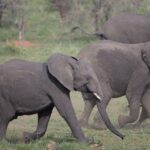
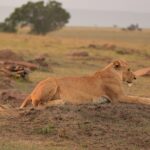
Staying inside the reserve means guests have access to the same wildlife as any visitor to the Masai Mara. The reserve’s resident population includes lion, leopard, cheetah, elephant, buffalo, hippo, and the full range of plains game. Wildebeest and zebra are present year-round, though the numbers peak dramatically during the July to October migration.
One characteristic of staying inside the main reserve — as opposed to a private conservancy — is that game drives are shared with all other vehicles in the park. During peak season, popular sightings around a lion kill or a river crossing can attract many vehicles simultaneously. This is simply the nature of the national reserve: it is public land with managed but open access.
For first-time visitors who want to see the Masai Mara’s wildlife without the premium price of a conservancy camp, the main reserve remains excellent. The sheer density of wildlife during peak months means that even busy sightings deliver genuinely memorable encounters.
Who Sarova Mara Game Camp Suits
This camp is well-matched to a particular type of traveller. First-timers visiting Kenya’s most famous park, who want reliable facilities, professional service, and direct reserve access, will find Sarova Mara delivers a solid experience. It is also a practical choice for families: the pool, structured meal times, and the range of facilities mean children are catered for beyond the game drive itself.
Budget-conscious travellers who want to be inside the Masai Mara rather than camping will find Sarova competitive on price relative to the conservancy lodges. It is also a reasonable choice for larger groups, where the capacity accommodates group travel without requiring multiple smaller camps.
Travellers seeking the most exclusive or intimate experience — small camp sizes, private vehicles included, night drives, or walking safaris — are more likely to find that in the private conservancies surrounding the reserve. Those properties operate under different terms and typically deliver a more bespoke product.
Practical Planning Notes
The drive from Nairobi to Sekenani Gate takes roughly five to six hours depending on traffic and road conditions. The C12 from Narok is a paved road for most of its length, making this one of the more accessible routes into the Mara ecosystem. Flying in to Sekenani Airstrip — served by scheduled bush flights from Nairobi’s Wilson Airport — cuts travel time to under an hour and is the preferred option for guests prioritising time in the bush over road transfers.
Most stays at Sarova Mara are structured as all-inclusive packages covering accommodation, meals, and shared game drives. Park fees are a significant additional cost — currently around USD 80 per adult per day — and should be factored into the total budget calculation.
The migration season of July through October is the most popular and most expensive time to visit. Rates typically drop outside this window, and the shoulder months of November and June offer quieter conditions, greener landscapes, and better rates without a dramatic reduction in wildlife quality.
The Masai Mara Context
The Masai Mara National Reserve covers approximately 1,510 square kilometres of savannah in southwest Kenya. It is the Kenyan extension of the broader Serengeti-Mara ecosystem, which extends south across the Tanzanian border into the Serengeti. The two parks share the same wildlife populations, and the wildebeest migration is simply the most visible expression of that interconnection.
Beyond migration season, the Mara supports one of the highest densities of predators in Africa. Lion prides are numerous and relatively accustomed to vehicles, making consistent sightings more reliable here than in many other parks. Leopard are present but tend toward more secretive behaviour in the riverine woodland. Cheetah favour the open grasslands of the Mara’s central plains.
For anyone approaching a Kenya safari for the first time, the Masai Mara remains the reference point — the landscape that best delivers the full savannah safari experience that most travellers picture when they think about East Africa.
A Camp That Works for Its Audience
Sarova Mara Game Camp occupies a clear and honest position in the Mara accommodation landscape. It is not the most exclusive or the most intimate option, but it delivers what a large section of safari travellers actually need: dependable facilities, direct reserve access, professional operations, and a location that gives genuine wildlife experiences without the premium pricing of the conservancy tier.
For a first Masai Mara visit, a family trip, or a group looking for organised reliability, it is a camp that does what it promises in one of the world’s most rewarding wildlife destinations.
Have questions about this itinerary or destination? Get answers from a safari specialist before you commit.
Inquire MoreFurther reading
More safari planning resources
- Wildebeest migration route map from Valley Safaris
- Great Migration safari collection on FindMySafari
- Interactive Maasai Mara map from Valley Safaris
- Masai Mara destination guide on FindMySafari
Related guides: Boutique Camp vs Large Safari Lodge in Amboseli.