Sala’s Camp occupies a stretch of the south Masai Mara close to the Tanzania border — a location that shapes almost everything about the experience it delivers. It sits away from the main concentration of vehicles that converge on the central reserve during peak season, and the southern position offers a different character to the Mara triangle camps to the west or the Sekenani area properties to the east.
This guide covers what Sala’s Camp is, where it sits in the Mara ecosystem, what that means for wildlife access, and who the location suits best.
Location: South Masai Mara, Near the Tanzania Border
The Masai Mara National Reserve covers approximately 1,510 square kilometres, and where you stay within it significantly affects your daily experience. Sala’s Camp is positioned near the southern boundary, close to the Tanzania border — which means it borders the Serengeti-Mara ecosystem at the point where the two countries’ protected areas meet.
This is meaningful for wildlife. The Great Migration follows a circular annual route between the Serengeti and the Mara, and in certain months — particularly July through October — herds moving north from the Serengeti enter the Mara through this southern corridor before spreading across the reserve. A camp in the south captures the leading edge of that movement.
The southern Mara also tends to receive fewer vehicles than the central areas around the Mara River crossing points, which become heavily trafficked during peak migration season. Guests at camps in this area often report more private game viewing even when the reserve as a whole is busy.
Access to Sala’s Camp is typically via the nearest airstrip, with scheduled flights from Nairobi’s Wilson Airport connecting to strips across the Mara in under an hour. Road transfers from Nairobi take five to six hours.
Conservancy Context and the Mara Ecosystem
The Masai Mara Reserve is managed by the Narok County government and operated under Kenya Wildlife Service protocols. The reserve itself is surrounded by a constellation of private conservancies — Olare Motorogi, Mara North, Naboisho, Ol Kinyei, and others — where camps operate under community-lease agreements with Maasai landowners.
Sala’s Camp within the national reserve proper has access to the same core wildlife areas as other reserve-based properties. The distinction from conservancy camps matters for certain activities: inside the national reserve, night game drives and walking safaris are generally not permitted, while conservancy camps can offer both. If those activities are priorities, it is worth clarifying exactly what Sala’s Camp can offer based on its specific location and any conservancy arrangements it may have.
Camp Style and Character
Sala’s Camp is positioned as an upmarket tented camp experience in the luxury tier of Masai Mara accommodation. The camp style follows the established pattern for this category: en-suite tents with private facilities, a common dining and lounge area, and a setup that balances comfort with the sense of being genuinely in the bush rather than insulated from it.
The south Mara setting means a quieter atmosphere than camps positioned near the main crossing points during wildebeest migration season. For travellers who find the convoy of vehicles at popular river crossings more disorienting than exciting, this is a relevant consideration.
Sala’s Camp is an intimate property rather than a large lodge, which means guide-to-guest ratios tend to be favourable and the experience has more personal character. The number of tents is small enough that the camp rarely feels crowded, even at capacity.
Wildlife Access: What the South Mara Delivers
The Migration in the South
The wildebeest migration does not have a fixed timetable, but in broad terms, the herds begin crossing from the Serengeti into the Mara through the southern entry points from around July. In some years this movement begins earlier; in others it is delayed. The southern Mara captures these first arrivals, and the numbers involved can be extraordinary — hundreds of thousands of animals moving through a relatively concentrated area.
By September and October, the herds typically spread throughout the reserve and begin their return movement south. Camps in different parts of the reserve have their peak migration viewing at slightly different points in the season.
Outside migration season, the south Mara still holds resident wildlife year-round. Lions are present throughout the reserve, as are leopards, cheetahs, elephants, buffaloes, giraffes, hyenas, and the full range of savannah species. The Mara’s resident wildlife population is among the densest in Africa, and game drives produce quality sightings regardless of whether the migration is present.
Daily Game Drive Structure
The standard rhythm at Sala’s Camp follows the Mara pattern: early morning departure before 7:00am to catch the coolest temperatures and most active predator behaviour, return for breakfast and midday rest, afternoon departure in the mid-to-late afternoon, and return after sunset.
The southern location means drives typically focus on the open plains and seasonal drainage lines of the south reserve, with flexibility to move deeper into the central reserve for specific sightings. Guides with local knowledge of the south Mara tend to know the resident predator territories, the seasonal patterns of the swamps and watercourses, and the areas most likely to produce the key species at different times of year.
Activities Available
Game drives are the core activity. Two drives per day is the standard package; some arrangements allow for full-day drives with packed lunches for guests who want to spend more continuous time in the field.
Hot air balloon safaris are available in the Masai Mara and can typically be arranged from Sala’s Camp, with transfers to the nearest balloon launch site. Balloon safaris over the Mara plains are one of the most distinctive Kenya wildlife experiences, and the south Mara’s open terrain offers excellent conditions. Booking in advance is advisable during peak season as balloon capacity is limited.
Bush breakfasts and sundowners are common Mara camp additions — a game drive that ends with breakfast prepared in the field, or a stop at a scenic viewpoint for drinks at sunset. These are arranged through the camp.
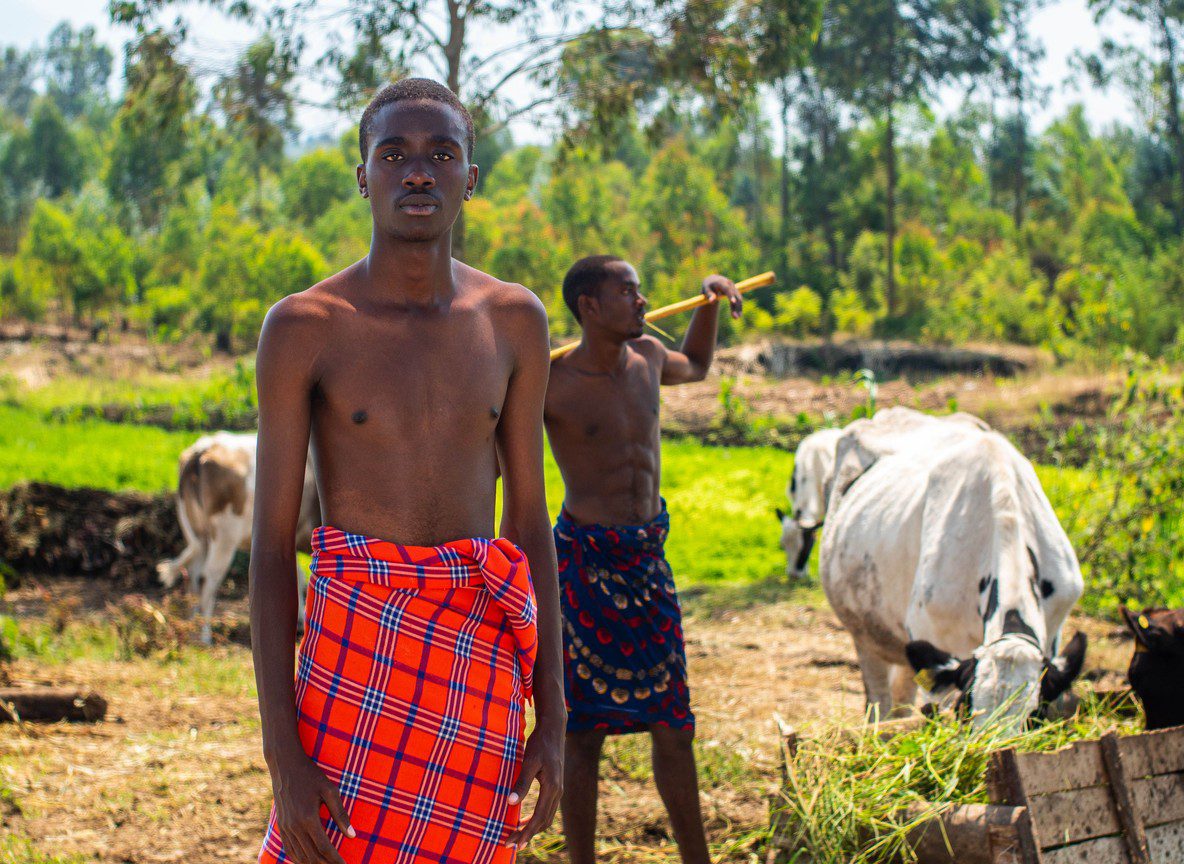
Cultural visits to Maasai communities can typically be organised in the surrounding areas. The quality of these visits varies considerably depending on the operator and the specific community involved; camps that have long-standing relationships with neighbouring communities tend to offer more meaningful experiences than those that arrange brief, transactional visits.
Pricing Tier and Who Sala’s Camp Suits
Sala’s Camp operates in the upper tier of Masai Mara accommodation. Published per-person rates vary by season and room category, and the Masai Mara has significant rate differences between peak migration season (roughly July to October) and green or shoulder seasons. The pattern broadly holds across all camps in this category.
The south Mara location and intimate camp scale mean Sala’s Camp suits:
Couples and small groups who want a genuinely private experience rather than a larger property atmosphere.
Repeat Mara visitors who know the reserve well and want to explore a different corner of it rather than returning to the same area.
Migration-focused travellers booking for July to October who want to be positioned where the herds first enter from the Serengeti, rather than waiting for them to reach the central crossing points.
Travellers who prioritise quiet and find the vehicle density at the main Mara River crossing points during peak season incompatible with the kind of safari experience they are after.
It is less suited to first-time visitors who specifically want maximum access to the river crossing action, or travellers who want the widest range of activities including night drives and walking safaris (which are better served by conservancy camps outside the reserve boundary).
Seasonal Considerations
| Season | Conditions | Notes |
|---|---|---|
| July to October (Peak) | Migration present; high vehicle numbers in reserve | South Mara captures early migration arrivals; rates at premium |
| November to December (Short rains) | Green landscape; fewer vehicles; calving season on Serengeti | Good predator activity; rates lower |
| January to February (Dry) | Excellent resident wildlife; clear skies | Good value; fewer vehicles |
| March to May (Long rains) | Wet; some tracks difficult | Very quiet; lowest rates; landscape beautiful |
The sweet spot for Sala’s Camp, balancing migration presence with manageable visitor numbers, is typically early July or late October rather than the August peak when the reserve is at its busiest.
Practical Planning Notes
Booking: South Mara camps at this tier need advance booking, particularly for July to September. Popular departure dates can sell out months ahead.
Packing: Standard Masai Mara packing applies — neutral clothing, layers for cool mornings and evenings, quality binoculars, camera with long zoom. The south Mara during the dry season can be dusty; camera bags should be closeable and accessible.
Combining with other parks: A southern Kenya circuit often pairs Sala’s Camp and the Mara with Amboseli or the Tsavo parks. The geographic logic works well — they are all in the southern half of Kenya and can be combined by road or scheduled bush flight.
For a broader guide to the Masai Mara’s camps, conservancies, and how to choose between them depending on your priorities, see the Masai Mara accommodation guide on this site.
Prefer a different route, budget, or travel style? This plan can be adapted to fit.
Customise Your Trip