Sanctuary Olonana sits directly on the Mara River in the Masai Mara National Reserve — a position that shapes almost everything about the experience. The river is the defining feature of the Mara ecosystem during migration season, the permanent water source that concentrates wildlife year-round, and the dramatic setting that distinguishes river-bank camps from the open-plains properties spread across the reserve.
The camp offers 14 glass-walled suites, a design that integrates the riverine forest setting into the accommodation itself. Glass rather than canvas means views from the room rather than just from the vehicle.
Location: Mara River, Masai Mara National Reserve
The Mara River runs roughly south to north through the western section of the Masai Mara, dividing the main reserve from the Mara Triangle. Sanctuary Olonana is positioned along this river within the national reserve, with the river forming the immediate foreground of the camp’s outlook.
This location has specific implications:
Wildlife access: The river is a year-round wildlife congregation point. Hippopotamus pods are resident and visible from camp. Crocodiles patrol the banks. Elephants, buffaloes, and a range of other species use the river as a water source and crossing point throughout the year.
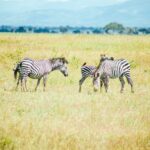
Migration season: Between roughly July and October, wildebeest and zebra approach the Mara River from the south and stage at crossing points before plunging across in one of the most dramatic wildlife spectacles on Earth. A Mara River camp means proximity to this event — not guaranteed daily crossings, but genuine positioning to respond quickly when they occur.
Year-round character: Outside migration season, the river retains its character as a wildlife magnet. Predator activity along the banks is consistent, the hippos are always present, and the morning light on the water with fig tree forest reflected is a photographic subject in its own right.
Camp Design: Glass-Walled Suites on the River
Sanctuary Olonana’s 14 glass-walled suites represent a design approach that prioritises the view from within the accommodation as much as the view from the game drive vehicle. The glass walls allow guests to observe the river and its resident wildlife — hippos moving, birds working the riverbank, elephants approaching the water — from the room itself.
The suite count of 14 keeps the camp at an intimate scale for a Mara River property. This affects the dining atmosphere, the competition for guides and vehicles, and the overall sense of space within the camp.
The design sits at the luxury end of the Masai Mara accommodation spectrum. Suite amenities at this level typically include private outdoor areas, en-suite bathrooms with river views, and the kind of internal fit-out that makes evenings and midday rest periods genuinely comfortable rather than merely adequate.
Activities Available
Game drives: The core activity. Morning departures before first light, return for breakfast, afternoon drives from around 4pm until sunset. A Mara River position allows efficient access to the central reserve, the river crossing zones, and the open plains to the east where cheetah and lion concentrations are highest.
Hippo watching from camp: One of the distinctive features of a river-bank camp. Hippos in the Mara River are resident and visible throughout the day, though they are most active around dusk and dawn. Watching a pod of 20-plus hippos from the camp deck at sunrise is a different experience from a vehicle-based sighting.
Walking in the forest: Some river-bank camps offer guided walks in the riverine fig tree forest adjacent to the camp, where the birding is exceptional and the intimate scale of the environment contrasts with the open plains. Check with Sanctuary Olonana directly on what is currently available.
Hot air balloon safaris: The classic Masai Mara add-on. Balloon operations across the Mara take guests up at sunrise for an hour over the plains, followed by a bush champagne breakfast. This can be arranged from most Mara River camps with transfers to the nearest launch site. Book well in advance during peak season.
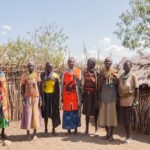
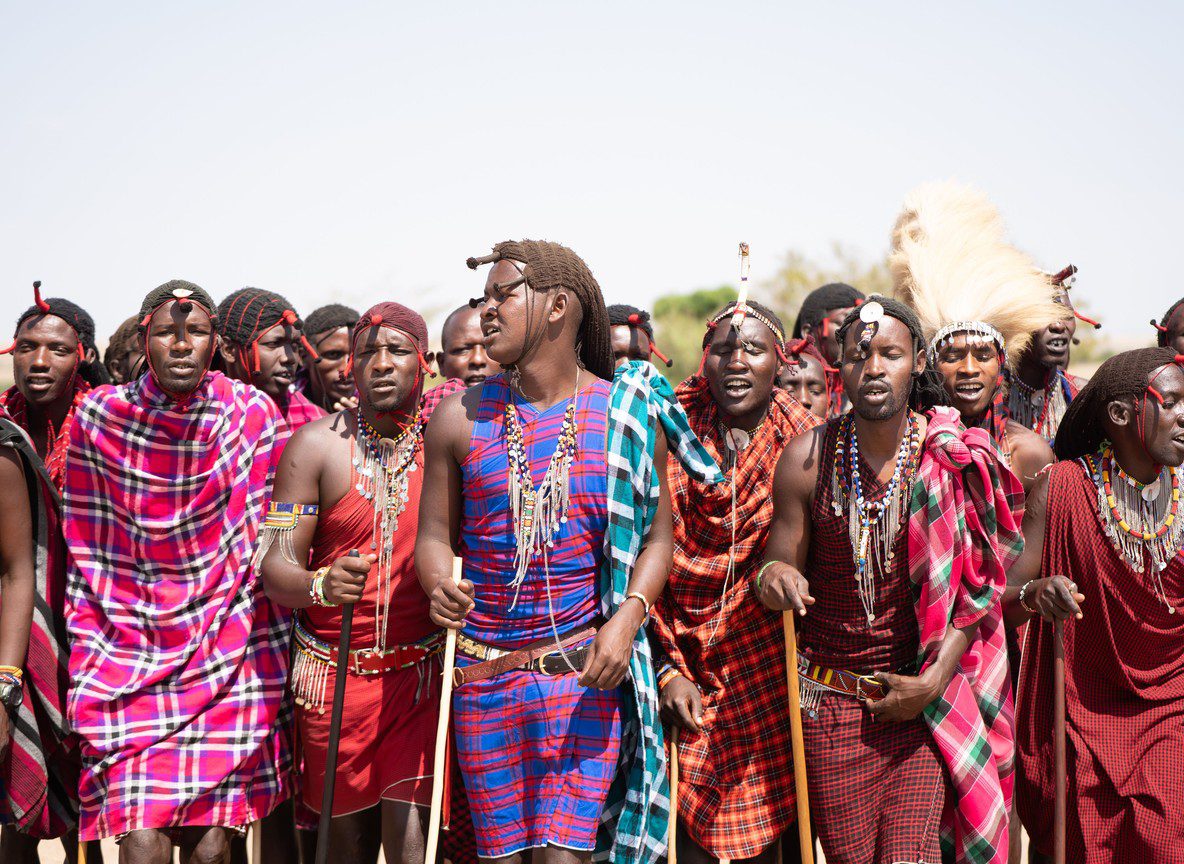
Cultural visits: Maasai community interactions can be arranged in the surrounding areas. The quality varies; camps with established community relationships tend to offer more genuine and mutually beneficial encounters.
Wildlife: What the Mara River Delivers Year-Round
Resident hippopotamus: Mara River pods are among the most accessible and largest in Kenya. Counts of 30 to 50 animals in a single pod are common in the central river sections.
Crocodile: Nile crocodiles are resident throughout the Mara River system. The largest individuals congregate at established crossing points during migration season, but they are visible year-round.
Elephants: The Mara’s resident elephant population uses the river regularly. Bull elephants in particular are often seen along the banks in the late afternoon.
Lions: The Mara Triangle and its adjacent reserve areas hold some of the best-studied lion prides in Kenya. River bank territories are among the most productive.
Leopards: The fig tree forest and riverine woodland along the Mara River is prime leopard habitat. Sightings are most reliable at dusk along the water.
Birds: The gallery forest hosts an extraordinary range of species. Herons, kingfishers, fish eagles, and a variety of waders work the waterline continuously.
The Migration Season at a Mara River Camp
The wildebeest migration is the event that drives most booking decisions for Mara River camps. The migration itself follows an annual circuit between the Serengeti and the Masai Mara; the river crossings happen when herds accumulated on the southern bank gather the collective momentum to plunge across, despite the crocodiles waiting below.
Crossings are unpredictable in timing. A herd may stage on the bank for hours before committing, or may turn back entirely. Multiple crossings at the same point in a single day are possible; weeks can pass at other times without a crossing at a given location. Being positioned at a Mara River camp does not guarantee you will witness a crossing on any given day, but it maximises your ability to respond when they occur.
The period from late July to October is when river crossings happen most frequently. August and September are typically the most active months. The camp’s proximity to the river means guide teams can reach crossing zones quickly when radio reports indicate activity.
Pricing Tier and Seasonal Rates
Sanctuary Olonana operates in the upper luxury tier of Masai Mara accommodation. Published per-person rates vary significantly by season:
- Peak season (July to October, roughly): Premium rates reflecting migration presence and highest demand
- Shoulder season (November, June): Moderately reduced rates; excellent wildlife and fewer vehicles
- Green season (December to May): Lowest rates; very different landscape character; fewer visitors
The river-bank position means the property retains its year-round character even outside migration season, which makes shoulder and green season visits genuinely worth considering for travellers focused on the hippos, predators, and overall camp atmosphere rather than specifically the wildebeest crossing spectacle.
Who Sanctuary Olonana Suits
Couples and honeymooners who want the river view, the intimate scale, and the luxury design as part of a wider Mara experience.
Photography-focused travellers who want to work the river light in morning and evening from the camp as well as from the vehicle — the glass-walled design is directly relevant here.
Migration-focused visitors who want to be positioned on the river during July to October for the best crossing access.
Return visitors to the Mara who know the open-plains experience well and want the specific character of a river-bank property as a contrast.
It is less suited to travellers whose primary interest is the open savannah predator experience far from the river, or those wanting walking safaris and night drives (which are better served by the private conservancies outside the reserve boundary).
Practical Planning Notes
Booking lead time: Sanctuary Olonana at this tier in peak season requires booking months in advance. July and August particularly fill early.
Getting there: Scheduled flights from Wilson Airport, Nairobi to Mara Serena, Keekorok, or other Mara airstrips take approximately 45 minutes. Road from Nairobi takes five to six hours.
Combining with other parks: The Mara pairs naturally with Amboseli for a southern Kenya circuit, or with Samburu for a north-south contrast. Laikipia adds conservancy wildlife and rhino. For broader Mara accommodation comparison, the Masai Mara camp guide on this site covers the options across different positions within the ecosystem.
Turn this reading into a real itinerary with help from a Kenya-based safari team.
Start Planning Your Safari