Royal Mara Safari Lodge is positioned inside Mara North Conservancy, a private wildlife conservancy on the northern edge of the Maasai Mara ecosystem in Kenya. For travelers comparing accommodation in this area, the conservancy location matters more than the property name. It changes where your game drives go, what regulations apply, and what the day-to-day experience feels like compared to staying inside the national reserve itself.
This guide lays out what Mara North Conservancy delivers for safari travelers, what to look for in a lodge of this type, and how to evaluate whether Royal Mara Safari Lodge belongs on your shortlist.
Mara North Conservancy: The Foundation of This Safari Experience
What Conservancy Accommodation Is
Mara North Conservancy is a community-owned wildlife area that sits adjacent to the Maasai Mara National Reserve. The land is leased from Maasai landowners, with lease income supporting conservation management and anti-poaching patrols. In exchange, a controlled number of tourist camps are permitted to operate inside the conservancy.
Staying at a conservancy camp like Royal Mara Safari Lodge gives guests access to private wildlife terrain not open to general reserve traffic. The Kenya Wildlife Service manages the national reserve, while conservancy management bodies handle the private areas. The two zones are adjacent and often used in combination during a single safari stay.
The practical differences between conservancy and reserve accommodation are significant:
| Factor | Conservancy Camp | National Reserve Lodge |
|---|---|---|
| Vehicle limits per sighting | Yes, restricted | No enforceable limit |
| Night game drives | Permitted in most conservancies | Prohibited in the reserve |
| Gate queuing at dawn | No gates to queue at | Dawn queuing common at busy gates |
| Conservancy fee | Yes, usually included in package | Not applicable |
| Atmosphere | Quieter, fewer total guests | Busier, more lodges in close proximity |
Wildlife in Mara North
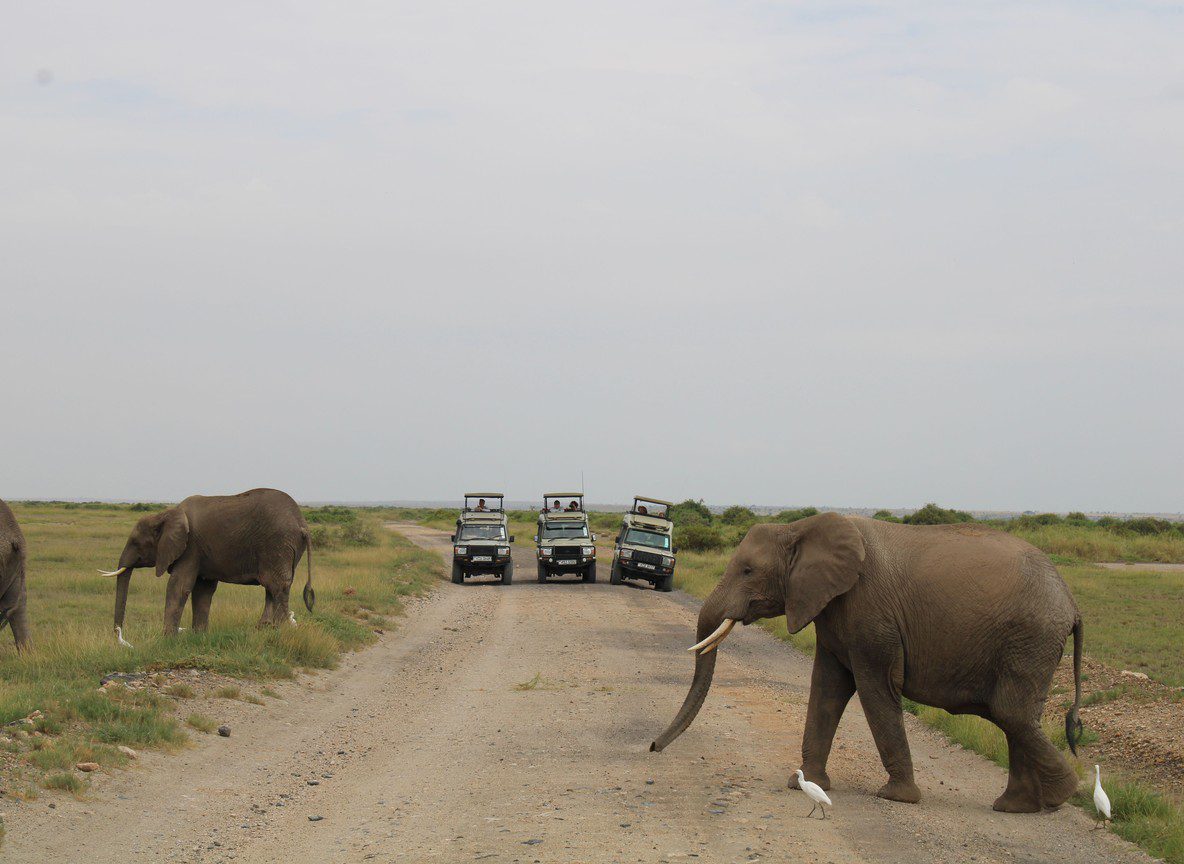
The conservancy terrain mixes open grassland, riverine woodland, and rocky escarpment sections that support a full range of Mara wildlife. Lion, leopard, elephant, cheetah, hyena, and large herds of buffalo and plains game move through the area year-round.
During the Great Migration (July to October), wildebeest and zebra columns enter Mara North from the south and move toward the Mara River crossing points. The conservancy’s position in the northern ecosystem means guests may encounter migration herds without the vehicle density typical at the reserve’s most popular crossing sites.
Night drives from a conservancy camp extend wildlife observation into the evening hours. Leopard, lions on the move, aardvark, genet, and porcupine are among the nocturnal species accessible from camps in Mara North that are simply not viewable from reserve lodges after dark.
Royal Mara Safari Lodge: What the Property Offers
Positioning and Camp Profile
Royal Mara Safari Lodge occupies ground inside Mara North Conservancy. As a lodge-style property rather than a small tented camp, it is likely to have a larger footprint and more structured facilities than the most intimate bush camps in the same conservancy. This makes it suitable for travelers who want better-defined comfort standards while still accessing conservancy wildlife terrain.
When evaluating any lodge in this category, the relevant questions are whether the room standards, food quality, and guide competence match the premium that conservancy lodges typically carry over standard reserve accommodation.
What to Confirm Before Booking
Several details that affect daily experience are often not specified in promotional materials. Before committing to Royal Mara Safari Lodge, get clear answers on:
- Room type: Tent, bungalow, or permanent structure? Does the room face the bush or an internal camp area?
- Power supply: Solar only, or generator backup? What are the charging windows for devices?
- Game-drive vehicles: Open-sided 4WD vehicles with elevated viewing seating, or enclosed minivans?
- Guide employment: Are guides employed directly by the lodge or contracted from an external pool?
- Conservancy access: Does the standard game-drive package cover the conservancy only, or can drives extend into the national reserve?
- Night drives: Are they included in the package rate or charged as an add-on?
The distinction on guides is worth pressing. At conservancy lodges, the quality gap between an experienced guide who knows the terrain and a less experienced contractor can be the difference between an exceptional trip and a mediocre one.
Meals and Camp Timing
Safari lodges in the Mara organize meals around game-drive schedules rather than conventional restaurant hours. Royal Mara Safari Lodge is likely to follow the standard Mara lodge pattern:
- Early morning departure: 6:00 to 6:30 a.m. after a light pre-drive snack or coffee
- Bush breakfast: eaten in the field after the morning wildlife period, or at camp on return
- Lunch: at camp before the afternoon drive, typically 12:30 to 1:30 p.m.
- Afternoon departure: around 3:30 to 4:00 p.m.
- Dinner: after sunset return, around 7:30 to 8:00 p.m.
Bush breakfast and bush dinner options are available at most Mara North lodges and are worth requesting in advance. Eating outside in the conservancy after a morning drive is a genuine highlight, not a marketing add-on.
Wildlife Access and Game-Drive Planning
Morning and Afternoon Windows
The two-drive-per-day structure at most Mara lodges reflects the natural rhythm of wildlife activity. Predators and most large mammals are most active at dawn and dusk. The midday period is generally quieter, though cheetah are often active in open areas when temperatures are moderate.
From a conservancy base like Royal Mara Safari Lodge, morning drives can begin earlier than at reserve lodges because there is no gate to queue at. That 20 to 30 minute head start matters on specific sightings. A lion at a kill at 6:00 a.m. in clear light is a different experience from arriving at 6:45 a.m. after a gate queue.
Seasonal Planning
The Mara North experience changes by season. Here is what each period offers:
July to October (Dry season, Great Migration): Highest wildlife density and the best river crossing access. Prices are highest, availability is tightest, and advance booking 6 to 12 months out is advisable for specific dates.
November to February (Green season start and short dry): Migration ends, resident wildlife remains excellent, calving season begins in January for resident wildebeest herds. Prices drop, visitor numbers are lower, and photographic light improves with post-rain green landscapes.
March to June (Long rains): Road conditions can become challenging on some conservancy tracks after heavy rain. Wildlife does not leave, but finding animals takes more patience in tall grass. Some lodges close for maintenance in April and May, so confirm availability before planning.
The Role of the Guide
Conservancy guides accumulate specific knowledge about individual animals and terrain patterns. A guide who has worked Mara North for several seasons knows the resident lion prides by individual, knows which leopard uses which section of riverine forest, and can predict elephant movement based on water availability. That knowledge is not replicable from a map.
When comparing lodges, ask how long guides have been working the specific conservancy, not just the Mara in general.
Comparing Royal Mara Safari Lodge to Other Mara North Options
Mara North Conservancy has multiple camps, ranging from ultra-small tented camps with six to eight guests to larger lodge properties. The choice between them comes down to:
- Camp size: Smaller camps have quieter atmospheres and more personalized guiding. Larger lodges may have better infrastructure.
- Price range: Smaller, more remote camps in Mara North typically command higher per-night rates than larger lodges because of exclusivity. Check whether a higher price actually reflects a smaller guest count or just more amenities.
- Package inclusions: Some Mara North properties include conservancy fees, national reserve access, night drives, and bush meals in a single rate. Others charge separately. Total cost of stay matters more than the headline nightly rate.
For a current comparison of camps across the Mara North zone and other conservancies, Trunktrails Safaris maintains a guide to the best camps and lodges in the Maasai Mara that separates properties by zone, price tier, and wildlife access.
Practical Information for Travelers
Getting to Royal Mara Safari Lodge
Mara North Conservancy is accessible by scheduled air services from Wilson Airport in Nairobi to the Mara North or Ol Kiombo airstrips. Flight time is approximately 45 to 55 minutes. AirKenya and Safarilink both serve these airstrips. Camp transfers from the airstrip typically take 20 to 40 minutes and are usually included in lodge packages.
By road from Nairobi, the drive is five to six hours via the A104 highway through Narok. Road transfers are more economical but consume more of a short safari budget. For a four-night or shorter stay, the flight option preserves wildlife time at the destination.
Budget and Package Structure
Royal Mara Safari Lodge is positioned at the higher end of the Mara accommodation market given its conservancy location. Expect all-inclusive rates to cover accommodation, meals, standard game drives, and conservancy fees. Items typically charged separately include domestic flights, alcoholic drinks, tips, and any special activities not listed in the package.
For a full breakdown of Maasai Mara safari costs by comfort tier, the Maasai Mara planning guide at Trunktrails Safaris provides current context on what different budget levels deliver on the ground.
Explorer Notes: Key Questions Before You Book
These are the questions that make a practical difference to daily experience, not the ones marketing materials tend to answer:
- Does the conservancy fee cover all wildlife driving areas, or are there restricted zones requiring a separate permit?
- How many total guests are in camp during your travel dates?
- Are vehicles shared between multiple rooms or is there a private vehicle option?
- What is the policy if weather affects road conditions? Is a fly-in alternative available?
- Are laundry services included, or is there a per-item charge?
Conclusion
Royal Mara Safari Lodge delivers access to Mara North Conservancy, which is a genuinely different safari experience from staying in the main national reserve. The conservancy model means lower vehicle density at sightings, night drive access, and direct game-drive departure from camp without the gate process. For travelers who have done the standard reserve experience before, or who prioritize sighting quality over footprint size, a conservancy base like this one makes practical sense.
Whether the lodge itself is the right fit depends on your specific comfort requirements, travel dates, and how much of your budget you want to allocate to accommodation versus activities.
Related Reading
- Maasai Mara Accommodation Guide: Conservancies vs. the Reserve
- Mara North Conservancy: Wildlife, Access, and Camp Options
- Best Camps in the Maasai Mara
- Maasai Mara National Reserve Guide
- Planning a Kenya Safari on a Budget
Every trip described here can be tailored: dates, budget, camps, and pace built around you.
Get a Personalised Safari