

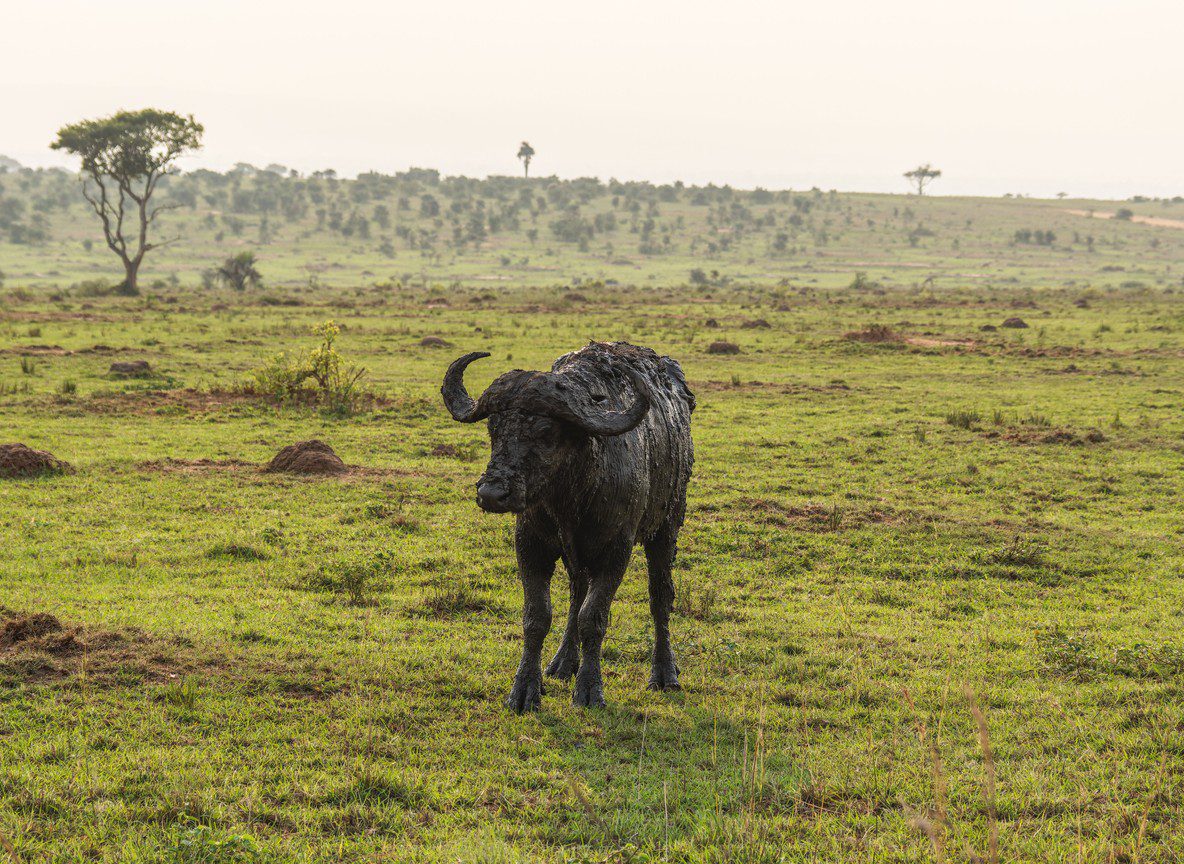
There is a version of the Masai Mara that most visitors never see. The camps are quiet. The grass has turned electric green after the long rains. Resident wildlife is active and well-distributed across the ecosystem rather than concentrated at dry-season water points. Vehicle pressure at sightings is minimal — your guide can stay with a leopard in a fig tree for forty minutes without another vehicle arriving.
This is the Masai Mara green season safari, and for the right type of traveller, it competes seriously with peak August.
What Is the Green Season in the Masai Mara?
The Masai Mara follows East Africa’s two-season rainfall calendar:
Long rains: Mid-March to late May. Heaviest rainfall of the year. Some tracks become impassable on black cotton soil. Several camps close in April and early May.
Short rains: Late October to mid-December. Lighter and more intermittent. Most camps remain open. A strong value season with excellent resident game.
The period most commonly referred to as the green season in the Masai Mara spans late May through June, when the long rains are ending, the grass is at its most vivid, and the pre-migration atmosphere is building across the ecosystem. The landscape is genuinely striking during this window.
One clarification worth making upfront: June is not the migration season. But it is not a wildlife gap either. The rains end in May and June transitions into a period of excellent conditions with very little vehicle pressure.
What the Green Season Actually Delivers
Resident Wildlife: Year-Round and Underestimated
The Masai Mara’s resident population exists independently of the wildebeest migration. Lion, leopard, cheetah, elephant, buffalo, giraffe, hippo, crocodile, and the full range of plains herbivores are present throughout the year. The migration is a seasonal addition to this base, not a replacement for it.
In the green season, prey animals are distributed more widely because water and grass are available across the entire ecosystem rather than concentrated at dry-season gathering points. This makes some species harder to find than in the dry months when animals predictably cluster at water. But it also means a skilled guide is reading the full landscape and working with genuine uncertainty, rather than driving the circuits every vehicle visits during peak season.
For solo travellers or couples who want authentic, unscripted encounters in a low-pressure environment, the green season is often a better match than the organised intensity of August.
Photography Conditions
Green season light in the Masai Mara is some of the most compelling for wildlife photography in East Africa. The combination of lush landscape, dramatic cloud formations, and the clarity that follows rain produces results that look nothing like the golden-grass, dust-haze aesthetic of peak season. If you photograph wildlife seriously, the green season gives you the Mara at its most atmospheric and most distinctive.
Rate Advantages
Green season rates at most Masai Mara camps run 20-35% below peak season pricing. At luxury conservancy camps, that gap can mean $200-$400 per person per night less than August equivalents. For a five-night stay, the total saving is significant.
Some camps offer complimentary night drive inclusions or room upgrades during June that are simply not available in peak season. Ask operators about current green season inclusions when making enquiries.
Availability and Flexibility
Booking a June Masai Mara safari is straightforward. Peak-season camps, particularly in Naboisho and Olare Motorogi, fill months in advance. In June, you have genuine flexibility to adjust dates without penalty pressure, and camp options are not constrained by early-booking demand.
What the Green Season Does Not Deliver
The Mara River Crossing Spectacle
The main wildebeest herd is not in Kenya in significant numbers during June. Some advance scouts arrive in late June, but the mass crossings that define peak season do not happen this early. If witnessing a Mara River crossing is your primary goal, June is not the right time to travel.
Guaranteed Road Access After Rain
After substantial rainfall, some tracks in the National Reserve and the conservancies become challenging for vehicles. An experienced guide in a well-prepared 4WD handles most conditions competently, but a day with wet black cotton soil will affect which areas of the park are accessible.
Expect some routing adjustments following heavy rain. Choose an operator who communicates these conditions honestly rather than overpromising all-weather access.
Month-by-Month Guide to the Green Season
| Month | Rainfall | Wildlife | Migration | Rates | Recommendation |
|---|---|---|---|---|---|
| March | High | Good | None in Kenya | Lowest | For dedicated landscape photographers only |
| April | Very high | Challenging | None in Kenya | Lowest | Some camps closed |
| Late May | Dropping | Improving | None in Kenya | Low | Rains ending, vivid green landscape |
| June | Light showers | Excellent | Scouts arriving | Low-medium | Strong value window |
| July | Minimal | Excellent | Herd arriving | Rising | Best bridge from green season to peak |
| August | Minimal | Peak | Peak crossings | Peak | Full migration season |
The practical sweet spot for a green season safari that balances value with wildlife quality is late June. The rains are mostly finished, the grass is at its most striking, advance migration scouts are beginning to arrive, and conservancy rates are still well below peak.
Who Benefits Most From the Green Season
The Masai Mara in green season suits specific types of travellers well:
Solo travellers and couples who value privacy. Green season gives you a Mara that feels close to private. Sightings are not shared with a convoy of vehicles. A skilled guide can spend forty minutes with a leopard cub without interruption.
Serious wildlife photographers. The light quality, the landscape texture, and the uninterrupted time at sightings produce images immediately distinguishable from peak-season output. The absence of dust alone changes the character of every photograph.
Repeat Kenya visitors. If you have been to the Masai Mara during peak season and want to understand the ecosystem differently, the green season is the version that changes your perspective on the place. The same landscape with almost no vehicle pressure reads differently.
Travellers seeking conservancy value. Top conservancy camps at green season rates deliver identical guide quality, off-road access, and food standards as peak season at 25-35% less cost. For travellers who know the conservancy experience is what they want, the green season is simply a cheaper window into the same quality tier.
Travellers with fixed calendars outside the peak window. For anyone who cannot travel between July and October, the green season is not a compromise. For the right guest, it is the preferred time.
Which Camps Perform Best in the Green Season
Not every camp maintains full service standards in low season, and not every location performs equally when the grass is long and the wildlife is dispersed. Three areas that reliably deliver in the green season:
Mara North Conservancy. Lower vehicle pressure in June allows this conservancy’s wildlife to behave naturally. Guides with long tenure in Mara North find lion and leopard without the peak-season radio traffic that compresses sightings for all vehicles simultaneously. Green season in Mara North can feel like having the ecosystem to yourself.
Olare Motorogi Conservancy. The most intimate wildlife experience in the Mara ecosystem in any season. Green season rates here represent the most accessible window to experience the conservancy’s extraordinary wildlife density without peak pricing.
Mara Triangle. The western Mara, managed separately by the Mara Conservancy. Consistently high-quality anti-poaching management throughout the year and reliable wildlife. Good Mara River access for early migration scouts arriving in late June.
Planning a Green Season Masai Mara Safari
The green season rewards specific planning choices. Prioritise camps with experienced full-time guide teams over properties that rely on seasonal staff. Conservancy access outperforms National Reserve-only stays in the green season because off-road driving allows guides to work around wet tracks and reach wildlife in dispersed habitat. A late June window is more productive than early June or May.
Budget for the same core costs as peak season in terms of conservation fees, charter flights, and gear. The meaningful saving is in accommodation rates. The only significant variable that changes for most travellers is crossing probability — which, for the right guest, is not a variable that matters.
For Masai Mara itineraries across all seasons, including targeted green season planning for conservancy access, Trunktrails Safaris provides specific camp and timing recommendations rather than generic availability.
Read more on Tourinsights:
- Kenya migration safari: when to go for river crossings
- Masai Mara private conservancies: the complete guide
- Kenya safari photography: conditions, timing, and gear