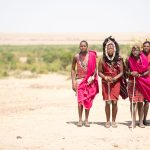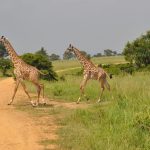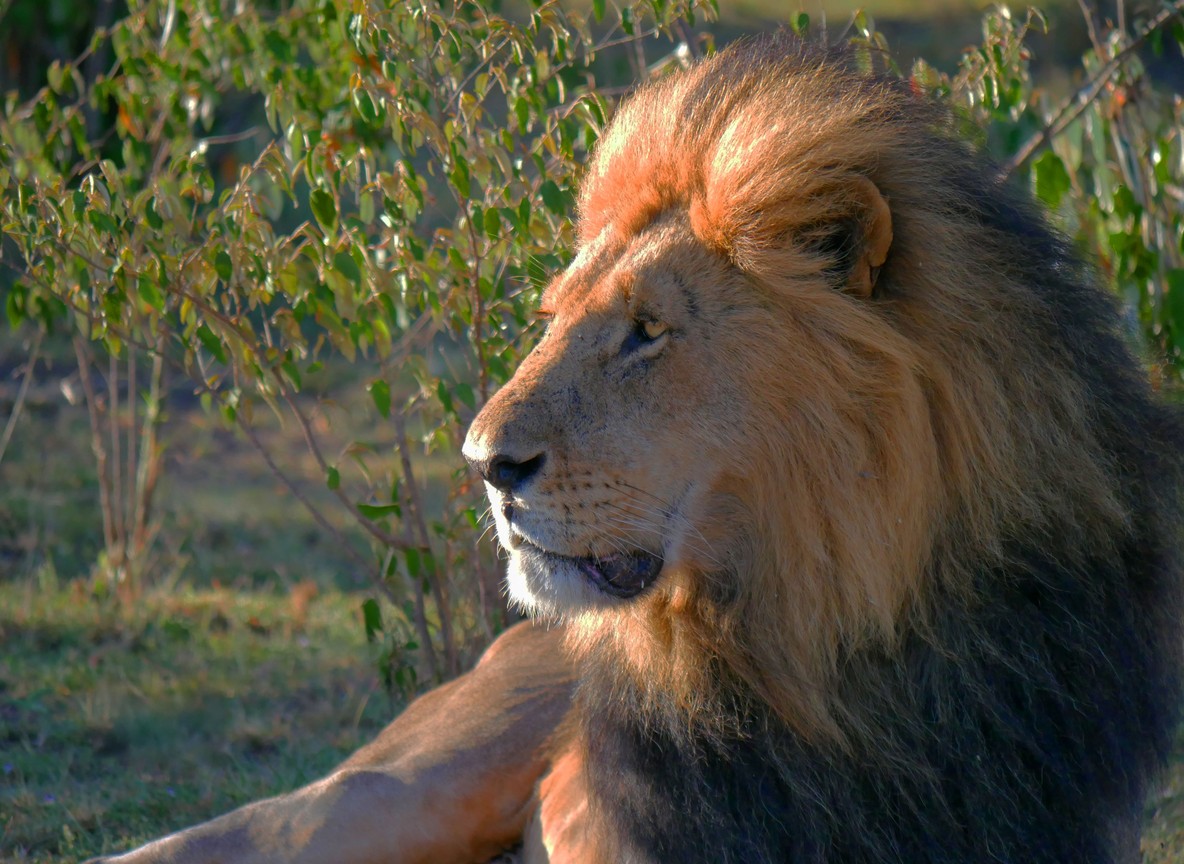
Most travelers arrive at the same crossroads when planning a Masai Mara safari. Should you time your trip around the Great Migration, or build your itinerary around the Mara’s exceptional year-round resident wildlife? Both are genuinely worth the journey. Both will reshape what you think a wildlife encounter can be. But they are fundamentally different experiences, and conflating the two leads to the most common planning mistake in Kenyan safari travel: expecting a river crossing when you have booked in April, or expecting quiet predator encounters when you have arrived in peak August.
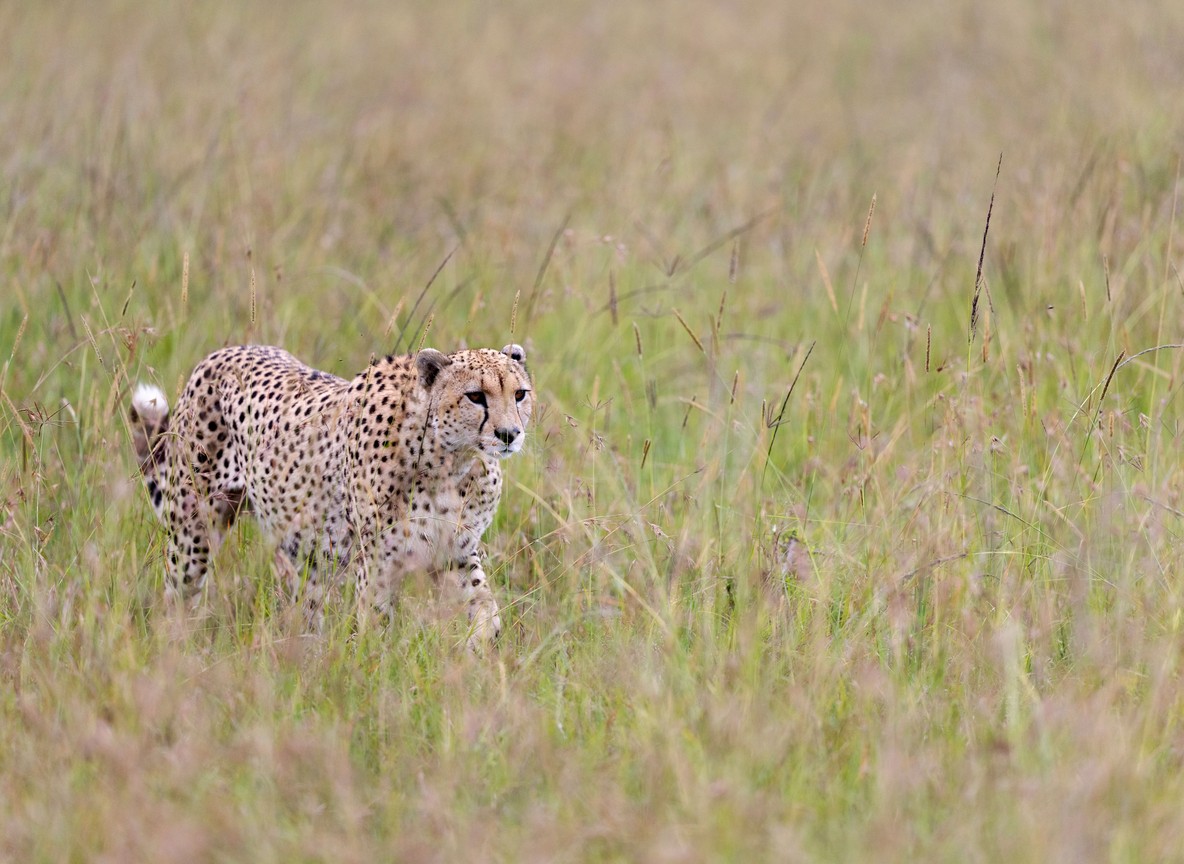
This guide sets out what each option actually delivers, which months produce which wildlife conditions, and how to match your goals to the right season. Whether you are a serious wildlife photographer chasing the chaos of a crocodile crossing or a first-time visitor who wants consistent Big Five sightings without competing with 30 other vehicles, the answer is in the details.
What the Great Migration Actually Delivers
The Great Migration is the largest overland mammal movement on earth. Approximately 1.5 million wildebeest, accompanied by hundreds of thousands of zebras and Thomson’s gazelles, complete a clockwise circuit between Tanzania’s Serengeti and Kenya’s Masai Mara National Reserve each year. The Kenya chapter of this movement is the headline act.
Between July and October, the herds cross the Mara River in surges that have become some of the most photographed wildlife moments on the continent. Wildebeest launching into brown water, Nile crocodiles rising from the deep, the compressed chaos of thousands of animals making the same desperate decision at once. The biological scale of the event is unlike anything else you can plan a safari around.
For wildlife photographers, the crossings offer frame opportunities that cannot be replicated elsewhere. Golden light in late July, vast herds rolling edge to edge across the plains, and the specific drama of the river itself. No other safari destination in Africa produces this sequence.
That said, managing your expectations matters. The crossings are not guaranteed on any specific day. A herd may gather at the Mara River for four hours and then retreat without crossing, driven back by a hesitant lead animal or a crocodile sighting too close to the launch point. Patience and multiple days in the reserve are the variables that give you a real probability of witnessing a crossing rather than just hoping for one. Three nights at a camp positioned near the Mara River is a realistic minimum. Five nights makes a crossing highly likely.
The dry season that accompanies the migration months also concentrates resident wildlife around water sources, which means even days when no crossing occurs produce consistently excellent game viewing. The Mara’s predator populations are active year-round, and migration season brings additional prey density that makes predator encounters even more frequent.
What Year-Round Resident Wildlife Looks Like
One of the most underappreciated facts about the Masai Mara is that it is extraordinary in every month of the year, not just the months the Great Migration is present.
The resident predator population in the greater Mara ecosystem is among the densest on the African continent, and it operates twelve months of the year regardless of whether the wildebeest have arrived from the Serengeti. Resident wildlife you can count on at any time of year includes:
- Lions: Multiple prides with well-documented territories throughout the reserve and surrounding conservancies. Sightings are consistent regardless of season.
- Leopards: Particularly visible along the rocky outcrops and lugga (seasonal watercourse) systems where they cache kills.
- Cheetahs: The open Mara plains provide exceptional sight lines for hunts. The Mara is one of Africa’s most reliable destinations for cheetah observation.
- African elephants: Large breeding herds of 50 to 80 animals are a year-round feature of the ecosystem.
- Hippos and Nile crocodiles: Permanent river residents with populations that are accessible and predictable.
- Cape buffalo: Massive herds of 200 to 400 animals that provide both impressive spectacle and significant predator interaction.
- Giraffes, zebras, topis, impalas, warthogs, and eland: Year-round grassland populations that ensure the savanna is always occupied.
Outside the July-to-October migration window, the Mara is quieter in terms of vehicle traffic. November through June brings substantially fewer tourists, which changes the quality of the game viewing experience in ways that many repeat visitors prefer. Without peak-season vehicle density, guides can position more freely at sightings. You are not competing for viewing angle with a queue of other Land Cruisers at the same moment.
The short rains of November and the long rains of April and May produce a landscape of startling green that photographers often find as compelling in a different way as the golden dry season. Newborn predator cubs and ungulate calves bring a different kind of wildlife spectacle during this period.
Great Migration vs Resident Wildlife: A Direct Comparison
| Factor | Great Migration Safari (July to October) | Resident Wildlife Safari (November to June) |
|---|---|---|
| Wildebeest river crossings | Yes, peak July to early October | No |
| Big Five sightings | High, all species present | High, all species present |
| Vehicle density at sightings | High, many vehicles per sighting | Low to moderate |
| Photography positioning | Competitive at known crossing points | More private setups available |
| Lodge and camp rates | Peak season pricing | Shoulder and low season rates |
| Green landscape conditions | Limited, dry season | Excellent in November, April, May |
| Predator activity | Very good | Excellent, often superior without migration crowds |
| Advance booking requirement | 6 to 12 months minimum | 2 to 4 months usually sufficient |
| Rate difference vs. peak | Baseline | 20 to 40 percent lower |
| Best suited for | First-time visitors, photographers wanting crossing shots | Repeat visitors, serious wildlife photographers, photographers focused on predator behavior |
The trade-off is clear once you set it out. The migration brings spectacle and scale. The resident wildlife season brings intimacy and access. Neither is the wrong choice. They are different choices.
Migration Season Timing: How Predictable Are the Crossings?
The masai mara migration season runs broadly from late June through early November, with peak crossing activity concentrated between late July and September. This is the window most operators refer to when they describe “migration season.”
The crossings themselves are less predictable than marketing language suggests. Herd movement is driven by rainfall patterns, grass quality across the Tanzania-Kenya border, and the behavior of lead animals at the Mara River. A crossing can occur at any time of day, on any day, at any of several crossing points along the river. Some years produce consistent crossings from mid-July onward. Other years see the herds hold south of the Kenya border through August and compress all major crossing activity into a frantic three-week window in September.
What you can control is the time you give yourself. Three nights minimum at a camp positioned near the Mara River is a realistic threshold for having a genuine probability of witnessing at least one crossing. Five nights makes that outcome highly likely. One or two nights is a gamble that often produces disappointment, not because the Mara has failed, but because the timeframe has not given the crossing a chance to happen.
The Masai Mara Research Centre publishes annual herd movement data that is useful for planning, and reputable operators with ground teams in the Mara track daily herd positions throughout the migration window. A good operator can tell you where the herds were this morning and what crossing sites look most active, which is a more useful signal than any general migration calendar.
Choosing the Right Experience for Your Goals
Before any safari itinerary is confirmed, the most important question to answer honestly is what you are actually there to see.
Choose a Great Migration safari if:
- A wildebeest river crossing is a specific, non-negotiable goal
- Wildlife photography is your primary objective and crossing shots are the target
- This is your first East Africa safari and the defining spectacle is what you want
- You are traveling July through October and have at least three nights in the Mara
Choose a resident wildlife safari if:
- You want the densest, most consistent predator encounters with less vehicle competition
- You are a photographer focused on composition, light, and behavior rather than mass-scale events
- Budget is a factor and you want to extend your time without paying peak rates
- You prioritize the green-season landscape, birdwatching, or specific species like cheetah or leopard
- You want a more private, unhurried experience of the ecosystem
Combine both if:
- You have seven or more days and want to experience the Mara across two distinct rhythms
- You are pairing the Mara with Amboseli or Tsavo and want to split Mara time strategically
- You are a repeat visitor building a deeper picture of the ecosystem across different seasons
Understanding Mara Safari Price Tiers
The best Masai Mara safari packages are not simply those with the most nights or the highest rack rate. They are built around your specific wildlife priorities and positioned in the Mara to match them.
Budget and mid-range (from approximately $650 per person): Game drives in open safari vehicles, tented camps or lodges positioned within the reserve or in the surrounding Mara ecosystem. Excellent value for resident wildlife seasons. During peak migration, the cheapest options often mean crowded vehicles and camps positioned far from the Mara River.
Premium (from approximately $1,400 per person): Private conservancies bordering the national reserve, including Olare Motorogi, Mara North, Naboisho, and Ol Kinyei. Vehicle numbers in conservancy areas are controlled, guides are typically specialist-level, and camps are often within striking distance of prime predator territories. During migration, conservancy camps offer a fundamentally different experience to reserve-based camps: fewer vehicles, better positioning, and access to wildlife that has not been habituated to heavy tourist presence.
Bespoke and luxury (from approximately $2,200 per person): Private vehicle hire, custom positioning, mobile camps that can relocate based on herd movement. If crossing photography is your primary objective, this is the only tier where you have genuine flexibility to follow the herds.
One consistent observation from experienced safari travelers: the single largest upgrade available at any price point is guide quality, not lodge quality. A specialist guide with years of Mara experience changes the quality of your sightings, your understanding of what you are watching, and your ability to anticipate behavior before it happens. Lodge quality matters for comfort. Guide quality determines what you actually experience.
Multi-Destination Pairings That Strengthen Any Mara Safari
The Masai Mara is exceptionally strong on its own, but combining it with a second destination builds a more complete picture of Kenya’s wildlife range.
Masai Mara and Amboseli (5 to 7 days): Migration spectacle in the Mara, followed by Amboseli for the iconic elephant-with-Kilimanjaro photography. Amboseli’s elephant population is one of the most studied and habituated in Africa, which enables close-range observation. This pairing works year-round and is the most popular multi-park combination in Kenya for good reason.
Masai Mara and Samburu (7 to 10 days): The Mara’s resident big cats paired with Samburu’s specialist species, including Grevy’s zebra, reticulated giraffe, beisa oryx, and gerenuk, none of which are found in the Mara ecosystem. This combination attracts serious wildlife photographers who want species diversity rather than sheer density.
Masai Mara and Lake Nakuru (4 to 5 days): A more accessible introduction combining the Mara with the Great Rift Valley lakes. Nakuru’s black and white rhino population and Naivasha‘s papyrus birding fill in species the Mara cannot offer. This works well as an introduction to Kenya for first-time visitors with limited time.
For all multi-destination itineraries, the routing logic matters as much as the destination selection. A well-designed circuit that minimises dead mileage (driving between parks without wildlife viewing opportunity) and positions you at each park at the right time of day delivers significantly more value than a route that looks comprehensive on paper but loses hours to road time.
See our Kenya safari multi-park planning guide on Tourinsights for routing logic across the main Kenya combinations.
Explorer Notes: Planning the Mara Honestly
A few points that are underemphasised in most Mara planning content:
The crossings happen on the herd’s schedule, not yours. Any operator who guarantees a crossing on a specific day is overselling. What a good operator can do is position you at the right crossing point based on current herd data and give you enough days to wait for the moment.
Shoulder season rates in the Mara are not a compromise. They are an opportunity. The predator sightings in November, December, and early January can be some of the most extraordinary of the year, with fewer vehicles at each encounter. Many repeat Mara visitors now deliberately avoid August, the peak of peak season, and book instead in the shoulder migration period of late July or the resident wildlife period of November.
The private conservancies bordering the Mara national reserve operate under different rules from the reserve itself. No off-road driving is permitted in the national reserve, but some conservancies allow it. For serious wildlife photographers, the ability to position the vehicle off-road for optimal light and angle is a material advantage that is worth understanding before choosing between reserve and conservancy accommodation.
Reader Next Steps
Before confirming a Masai Mara booking:
- Decide clearly whether a river crossing is your primary goal or whether resident predator encounters are equally compelling. This choice should drive your timing.
- If migration crossings are the goal, book at least three nights near the Mara River and plan for July through September. Five nights gives you a high probability of success.
- If resident wildlife is the focus, consider November through June for significantly lower rates, fewer vehicles, and outstanding predator activity.
- For any Mara safari, ask your operator how they track daily herd and predator positions, and whether they have a ground team in the ecosystem during your travel dates.
- Compare conservancy versus national reserve accommodation based on your photography and viewing priorities: conservancy camps offer controlled vehicle numbers and typically superior guiding.
- For multi-destination trips, get the routing logic explained before committing: which parks in which order, with which transfer method, determines how much of your time is spent in wildlife versus transit.
For more detail on timing, pricing, and park combinations across Kenya, see our Masai Mara planning guide and Kenya safari overview on Tourinsights. For current availability on Masai Mara safari packages, Trunktrails Safaris offers itineraries across all price tiers with Kenya-based ground teams.
Have questions about this itinerary or destination? Get answers from a safari specialist before you commit.
Inquire MoreFurther reading
More safari planning resources
- Wildebeest migration route map from Valley Safaris
- Great Migration safari collection on FindMySafari
- Best time to visit Kenya month-by-month map from Valley Safaris
- Interactive Maasai Mara map from Valley Safaris
Related guides: Dry Season vs Wet Season Wildlife Behaviour in the Masai Mara.