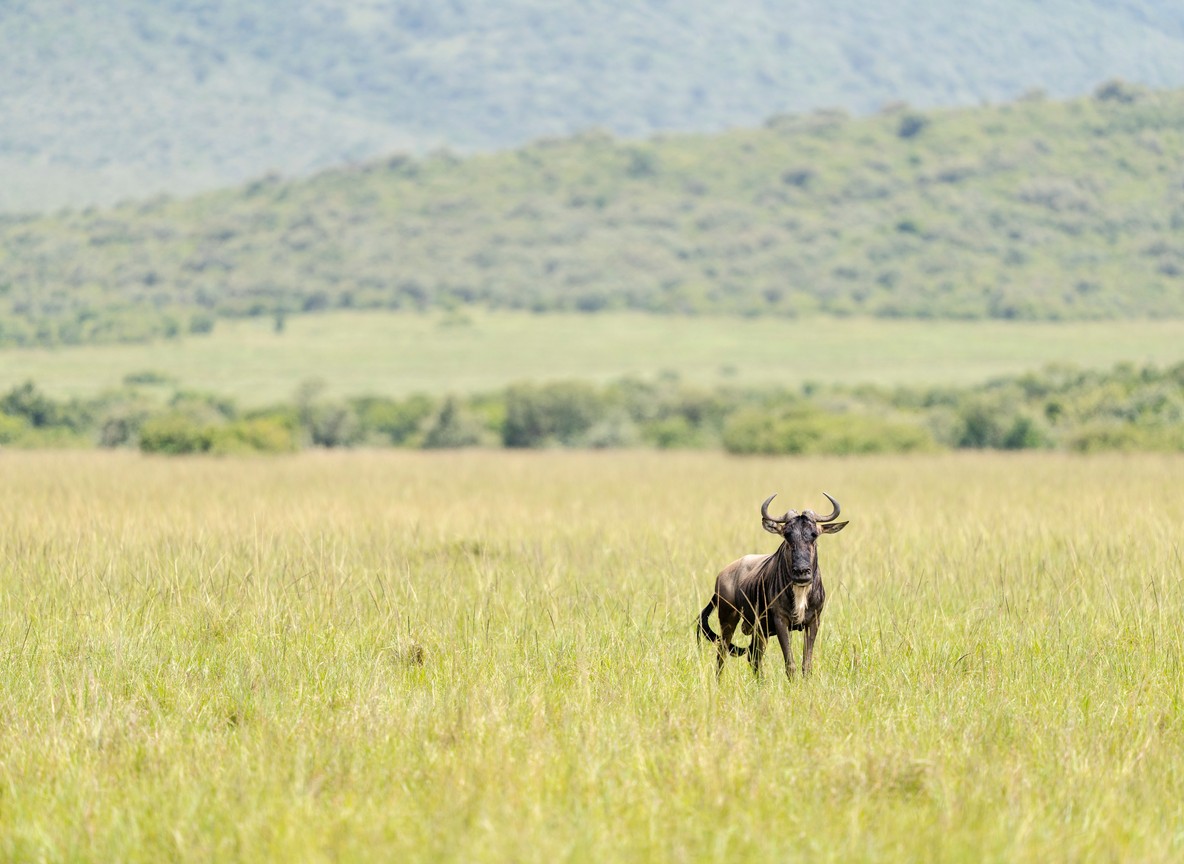
Kenya’s luxury safari market in 2026 operates in a different category from standard safari tourism. The distinction is not primarily about accommodation comfort, though that is part of it. It is about the ratio of wild space to guests, the expertise of guides developed over years in a specific ecosystem, and the access restrictions that protect wildlife from the habituation caused by constant vehicle pressure. Above all, it is about an itinerary built around your interests rather than a standard circuit.
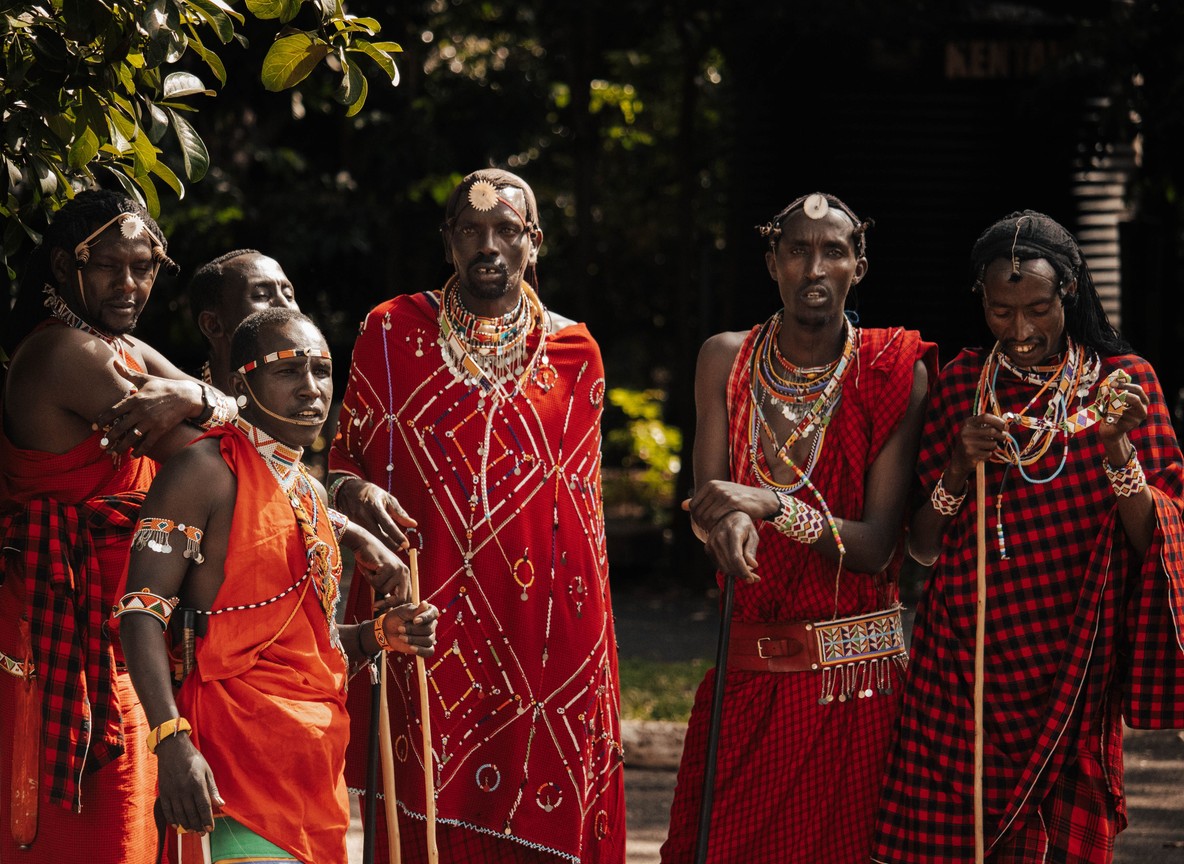
This guide explains precisely what a genuine Kenya luxury safari delivers, which regions and camp types define the top tier, and how to approach planning a bespoke itinerary in 2026.
What Kenya Luxury Safari Actually Means
The word luxury is applied so broadly across Kenya’s safari market that it has lost most of its useful meaning. A precise definition of what the top tier genuinely delivers:
Private conservancy access. The best luxury camps in Kenya operate in private conservancies adjacent to or within the main protected areas. These conservancies control the number of vehicles permitted at any time, allow off-road driving, permit night drives, and strictly limit the camps operating in their territory. The Masai Mara conservancies (Mara North, Mara Naboisho, Olare Motorogi, Ol Kinyei), the Laikipia conservancies, and Samburu’s private conservancies set the standard.
Private vehicles with dedicated guides. At this tier, the vehicle is yours alone. A private 4WD Land Cruiser and a KWS-certified guide are assigned to your party for the duration of the stay. You set the pace, decide when to stay with a sighting, and can leave camp before first light if you choose.
Expert naturalist guides. Luxury guide teams are trained naturalists, not drivers who have learned a standard route. A guide who has worked Mara North for a decade reads that landscape in ways a generalist cannot replicate. When comparing camps, ask specifically about guide experience level and how many consecutive years they have worked their current ecosystem.
Genuine all-inclusive terms. At the top tier, all-inclusive means accommodation, all meals, all drinks including premium spirits, laundry, all game drives, night drives, bush breakfasts, and sundowner stops — with the charter flight from Nairobi often included as well. Get every inclusion confirmed in writing before paying a deposit.
Low vehicle density. The defining quality of the best luxury conservancy camps is that your sightings are not shared with a convoy of other vehicles. The conservancy model limits vehicle numbers by design. That single factor changes the entire character of an encounter.
Best Regions for Kenya Luxury Safaris
Masai Mara Private Conservancies
The Mara luxury experience is anchored in the private conservancies surrounding the National Reserve. The four main destinations at the top tier:
Mara Naboisho Conservancy. 50,000 acres shared among only a handful of camps, with some of the highest cheetah and leopard density in the Mara ecosystem. A particularly strong choice for wildlife photographers who want time at a sighting without competition from other vehicles.
Olare Motorogi Conservancy. Exceptional lion and leopard territory, with very low camp density. Among the most intimate wildlife experiences available anywhere in Kenya.
Mara North Conservancy. The largest of the private conservancies, bordering both the National Reserve and the Mara River. Guests have simultaneous access to migration crossing sites and the conservancy’s exclusive territory.
Ol Kinyei Conservancy. The most private of the major conservancies, with very few operating camps and a strong reputation for encounters in near-exclusive conditions.
For travellers combining Kenya and Tanzania, Masai Mara and Mara North are the natural anchor before crossing into the Serengeti.
Laikipia Plateau
The Laikipia Plateau in northern Kenya is the country’s second major luxury safari destination. The plateau holds Kenya’s most significant privately conserved land, with several iconic properties:
- Ol Pejeta Conservancy (black rhino focus; chimpanzee sanctuary)
- Lewa Wildlife Conservancy (black and white rhino; endangered species focus)
- Borana Conservancy (big five; private horse-riding safaris)
- Il Ngwesi (community-owned; acclaimed conservation model)
- Sirikoi Tented Camp, Lewa (among the most respected luxury properties in East Africa)
Laikipia is the right choice for guests who want rhino encounters, wild dog, and a genuinely different landscape from the Mara ecosystem.
Samburu Private Conservancies
Samburu offers a radically different Kenya luxury experience. The landscape is arid and dramatic. The wildlife roster includes species found nowhere else in Kenya: Grevy’s zebra, reticulated giraffe, Somali ostrich, beisa oryx, and the gerenuk — collectively known as the Samburu Special Five.
Luxury camps in the conservancies adjacent to Samburu National Reserve combine small-group exclusivity with a frontier quality to encounters that feels distinct from the Mara. This is Kenya for the traveller who has been to the Masai Mara before and wants the counterpoint.
Amboseli Private Conservancies
The Amboseli ecosystem’s luxury tier operates through private conservancies southeast of the National Park, primarily around Tortilis and Selenkay. These give access to Amboseli’s large elephant herds combined with Kilimanjaro views and genuine conservancy exclusivity.
Kenya and Tanzania: The Combined Circuit
For travellers with ten days or more, combining Kenya and Tanzania itineraries gives a comprehensive East Africa experience across both sides of the Mara-Serengeti ecosystem.
A well-structured combination for serious wildlife travellers:
- 3-4 nights in a Masai Mara private conservancy (Kenya)
- 2 nights in the central or northern Serengeti (Tanzania), including Mara River crossings from both sides of the border
- 2 nights in the Ngorongoro Crater (Tanzania), a uniquely enclosed and densely inhabited ecosystem
- Optional: Zanzibar beach extension
This circuit requires an operator with genuine field presence in both countries, not a Kenya-based company sub-contracting Tanzania to an unvetted local agent. Before booking, confirm who actually manages each leg of the trip.
A Day on a Kenya Luxury Safari: What to Expect
For first-time conservancy guests, the daily rhythm differs from a standard safari in meaningful ways:
5:30 a.m. Wake call with hot coffee or tea brought to your tent.
6:00 a.m. Morning game drive departure in your private vehicle with your dedicated guide.
8:30-9:30 a.m. Bush breakfast in the field: a properly laid table at a scenic location chosen by your guide.
9:30 a.m. to 12:00 p.m. Continue the drive or return to camp for the midday rest.
3:00-3:30 p.m. Afternoon tea before the late game drive.
4:00 p.m. Afternoon game drive departure.
6:30 p.m. Sundowner stop in the field with drinks and snacks.
After dark (conservancy camps only). Night drive returning to camp around 8:30 p.m.
8:30 p.m. Dinner, usually outdoors around a fire or under a clear sky.
The night drive is one of the most underrated components of a conservancy safari. Serval, aardvark, bushbaby, civet, and lions behaving differently in the dark with a spotlight guide who knows every nocturnal species in the ecosystem — it is a completely different experience from daytime driving and one of the details that genuinely separates the conservancy tier from everything below it.
How to Book a Kenya Luxury Safari Correctly
Book early. Peak migration season camps in Naboisho and Olare Motorogi fill 6-8 months in advance. Bookings made in January for August are normal at the best properties. If you are targeting a specific camp, start the conversation early.
Work with an operator, not a booking platform. A booking aggregator cannot tell you which camp’s guide team is currently strongest, or whether a property has recently changed management. Work with a Kenya-based operator who has physically visited the camps and knows the guide teams personally.
Get all-inclusive terms confirmed in writing. Luxury does not mean the same thing at every property. Before paying any deposit, get a written list of every included service.
Ask about guide qualifications. Request the KWS guide certification level and the number of years the guide has worked in their current ecosystem specifically. This is the most reliable quality indicator available before you arrive.
Consider the Tanzania extension. If your schedule allows ten days or more, the cross-border circuit adds a depth of experience that Kenya alone cannot replicate.
Planning Your 2026 Kenya Luxury Safari
A Kenya luxury safari in 2026 rewards early planning, specific questions, and a clear sense of your own priorities before approaching any camp or operator. The conservancy choice matters more than the camp name. The guide matters more than the tent size.
The Masai Mara conservancies are the right starting point for most first-time luxury safari guests. Laikipia and Samburu suit guests who want something less travelled after a first Mara experience. Tanzania adds the full ecosystem dimension for those with the time.
For itinerary planning across the Mara conservancies, Laikipia, and Samburu, Trunktrails Safaris builds bespoke Kenya luxury safari itineraries tailored to specific wildlife interests and travel pace.
Read more on Tourinsights:
- Kenya migration safari costs: full breakdown for 2026
- Masai Mara green season: the case for off-peak
- How to choose a Kenya safari guide: what credentials actually matter
Every trip described here can be tailored: dates, budget, camps, and pace built around you.
Get a Personalised Safari