Mara Sopa Lodge sits in the Oloolaimutia Hills area of the Masai Mara Game Reserve, close to the Ololaimutia Gate on the eastern edge of the reserve. That entry point and hillside position gives this property a specific character within the wider Maasai Mara accommodation landscape — one that suits some travel styles well and others less so.
Location determines more about your daily safari experience than almost any other single factor. This guide covers what the Oloolaimutia area delivers for wildlife, who tends to get the most from staying here, and what to confirm before committing to any booking.
Oloolaimutia Gate: An Entry Point That Shapes the Experience
The Ololaimutia (sometimes spelled Oloolaimutia) Gate is one of the main access points into the Masai Mara Game Reserve from the eastern side, south of the more heavily used Sekenani Gate. Properties near this gate are positioned in the southern-eastern section of the reserve, which has different wildlife character than the central plains or the Mara Triangle in the west.
For guests flying into the Mara from Nairobi, the nearest airstrips to this section of the reserve are Keekorok and Sand River — shorter road transfers than from some northern or western airstrips, which is a practical convenience worth noting.
Official reserve entry fees and information are maintained by the Kenya Wildlife Service.
Wildlife in the Oloolaimutia and Southern Reserve Zone
Open Plains and Southern Mara
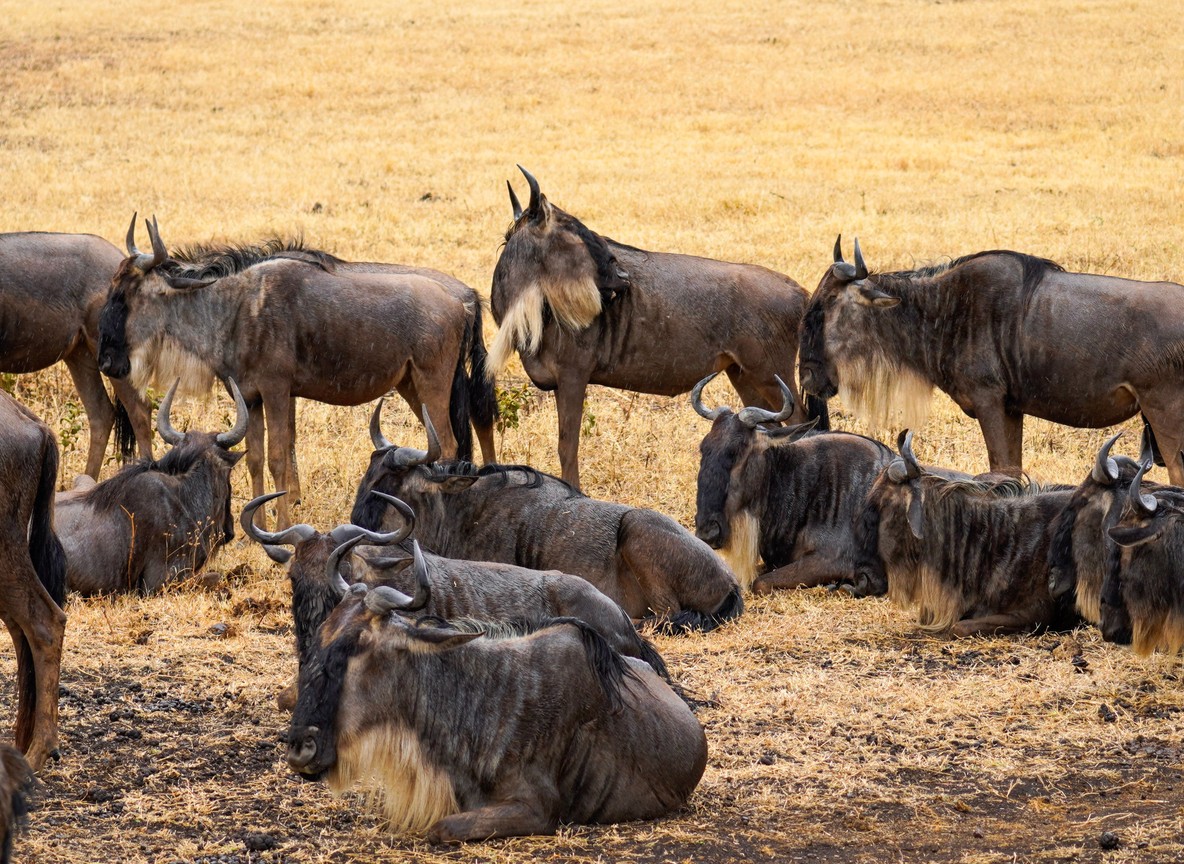
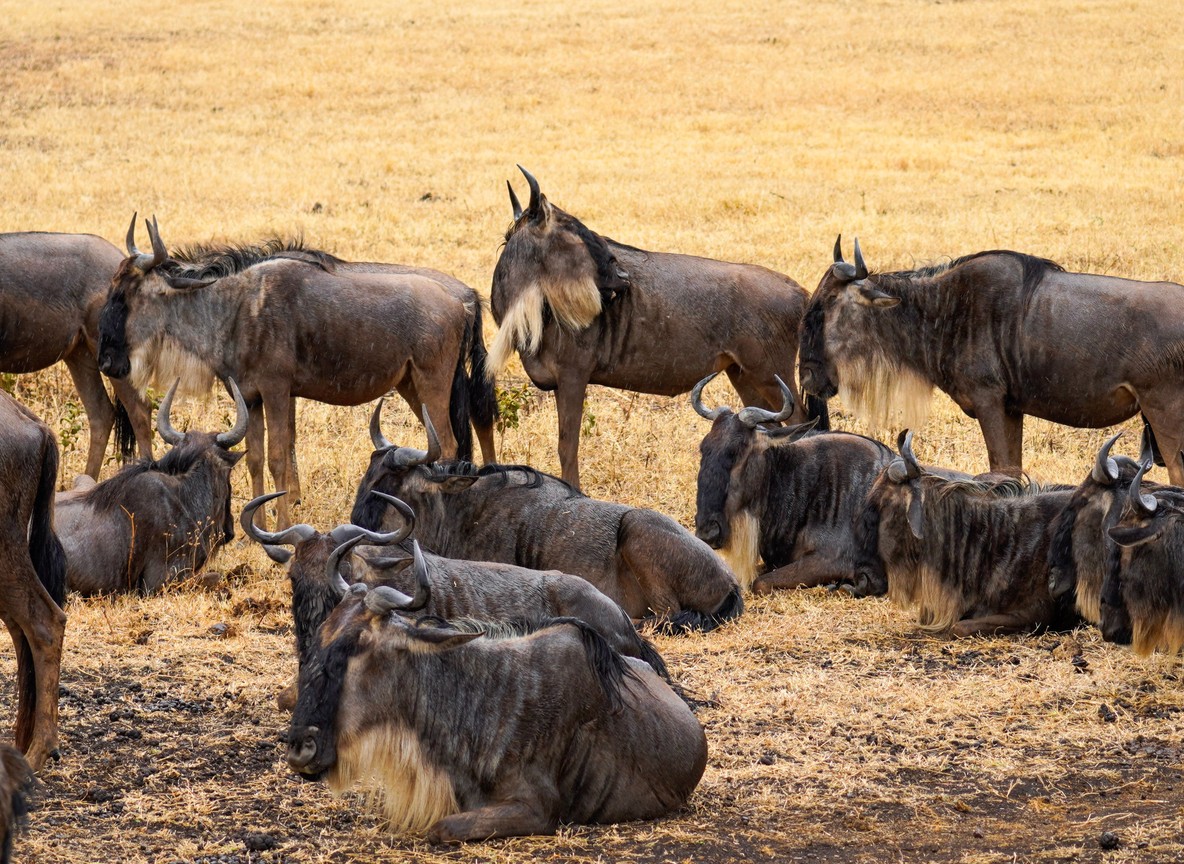
The southern and southeastern sections of the reserve connect to the wider Serengeti-Mara ecosystem that extends into Tanzania. This is important during migration season: the Great Migration wildebeest enter Kenya from Tanzania’s northern Serengeti through this southern zone before spreading through the wider reserve.
In July and August, some of the earliest migration arrivals appear in the southern Mara. The herds move northward through the reserve and concentrate most intensely at the Mara River crossing points in the Triangle — but the journey north passes through the southern reserve sections where Mara Sopa Lodge is positioned.
For guests whose migration interest is seeing the herds on the move rather than specifically watching river crossings, the southern reserve can be productive in early migration season.
Resident Predator Territory
The Oloolaimutia Hills area has resident lion prides and produces cheetah sightings on the adjacent open plains. Leopard sightings occur along the drainage lines and woodland edges in the area. The territory is not as intensively documented as the Mara Triangle’s Oloololo Escarpment or the Talek River zone, but experienced guides who work this section know the resident animals and their ranges well.
The hillside terrain around Mara Sopa Lodge adds a landscape element not present in flat-plains camps: elevated viewpoints that allow scanning across a larger area before descending to track animals at ground level.
Distance to Mara River Crossings
The Mara River crossing points during peak migration season are in the western reserve, primarily in the Mara Triangle. From the Oloolaimutia Hills area, reaching the main river crossing sites requires a drive of one hour or more each way. This is a genuine constraint for guests whose primary motivation is witnessing wildebeest crossings.
The practical approach is to build full-day drives into the crossing-watch schedule, combining the travel time with productive game viewing en route. Guides who work the eastern reserve and know the road network can turn the crossing commute into a productive drive in itself.
Lodge Character and Facilities
Mara Sopa Lodge is a larger-scale lodge property with permanent room infrastructure rather than tented accommodation. The hillside setting gives some rooms elevated views across the surrounding landscape, which is one of the property’s genuine distinguishing features.
What to confirm before booking:
- Room orientation and whether hillside view rooms are standard or a room-category upgrade
- Whether drives are private or shared (at a larger lodge property, shared drives are more common and constrain your flexibility at sightings)
- What is included in the rate: full board, reserve entry fees, and game drive vehicle fees are frequently separate charges that need to be totalled before comparing properties
- Transfer arrangements from the nearest airstrip
One practical note on shared game drives: at any property with a larger guest count, shared drive logistics mean fixed departure times and the possibility of leaving a sighting when other guests want to move on. For guests who want to sit with a leopard for two hours, a private drive is worth the additional cost if the property offers it.
Who Mara Sopa Fits Best
Mara Sopa Lodge suits travelers who value value-for-money over the highest possible sighting-per-hour count, who prefer permanent lodge infrastructure over tented accommodation, and who are comfortable with a longer drive to reach the Mara River crossing sites.
It works well for:
- First-time Maasai Mara visitors who want to experience the reserve at a mid-range price point
- Groups with mixed wildlife priorities where not everyone is a dedicated wildlife observer
- Travelers who are as interested in the Maasai Mara landscape and atmosphere as in specific sighting targets
- Anyone for whom the Ololaimutia Gate entry direction is more convenient logistically
It is less suited to guests who are specifically targeting migration river crossings as their primary goal, or who want the vehicle flexibility that conservancy positioning provides.
Explorer Notes
Best months: January to March for short-grass dry-season predator viewing; July to October for migration atmosphere and herds in the southern reserve. The early migration arrival in June is worth noting for guests traveling before the peak season crowds.
Southern reserve in early migration: Late June to mid-July, when the herds first arrive in Kenya from Tanzania, the southern Mara can feel less crowded than the Triangle while still showing significant wildebeest numbers. This is an underrated timing window.
Road quality: The southern and eastern reserve roads are well-established in dry season. The long rains (April to May) make some tracks in this section genuinely difficult. Check current road conditions if traveling in the rainy season.
Neighboring area: The Sand River Crossing area in the southern reserve is one of the migration crossing points worth investigating from this base. It is closer than the main Triangle crossings and less known, which means lower vehicle competition.
More on choosing between eastern reserve and Triangle positions is in the Mara Triangle vs Masai Mara Reserve Guide.
Have questions about this itinerary or destination? Get answers from a safari specialist before you commit.
Inquire More