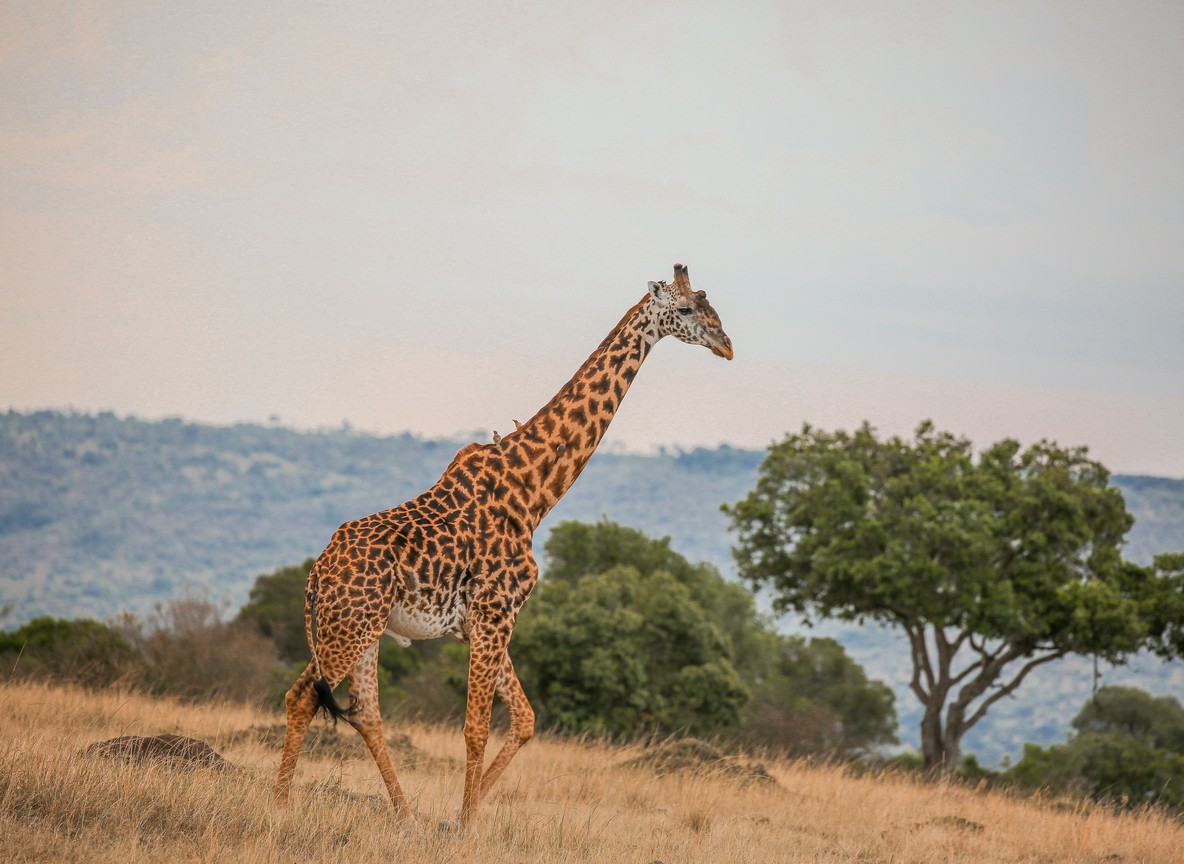
Both zones belong to the same Masai Mara ecosystem. Both hold lions, leopards, cheetahs, elephants, and the wildebeest columns of the Great Migration in peak season. But the Mara Triangle vs Masai Mara reserve question is one of the more practical decisions a visitor can make before travel, because the two areas operate under separate management structures, follow different rules on the ground, and consistently produce different on-safari experiences.
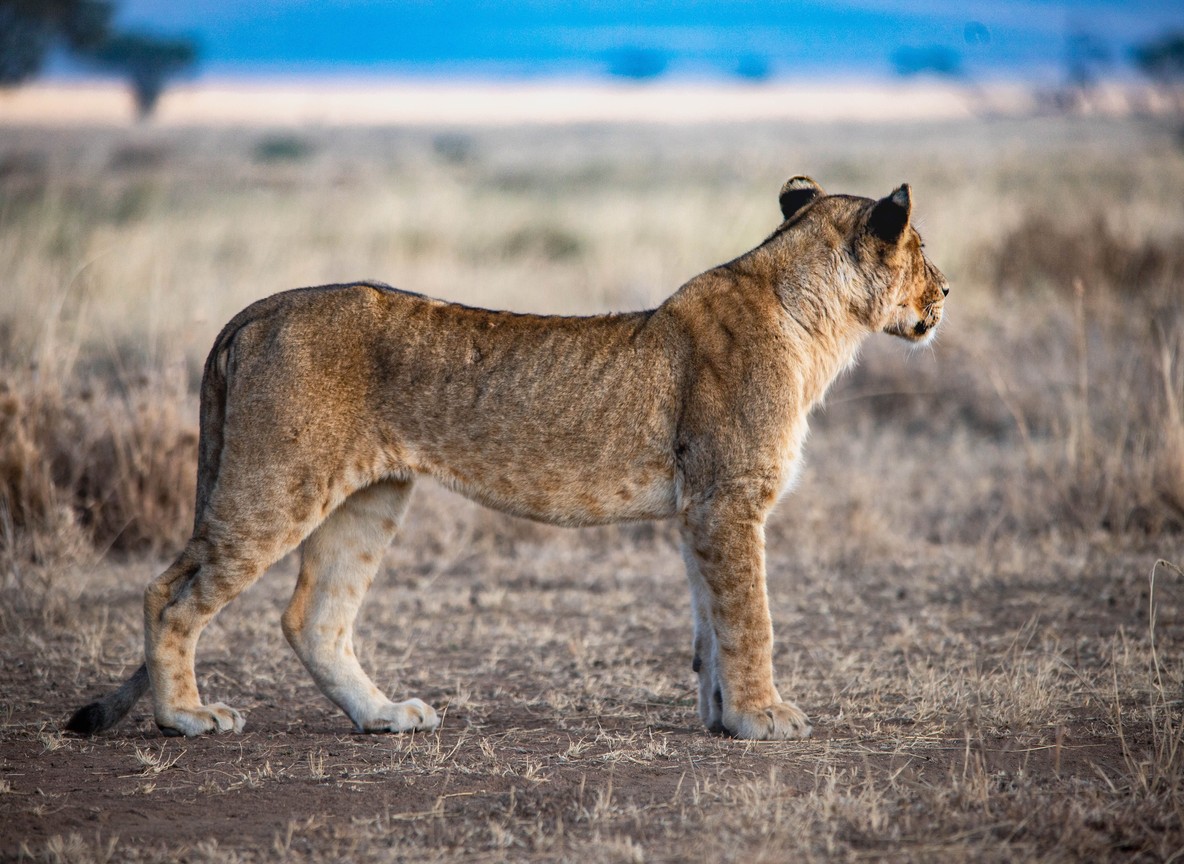
This is not a question of one zone being universally superior. It is a question of which one matches what you actually want from your time in the Mara.
What Separates the Mara Triangle from the Main Reserve
The Masai Mara ecosystem spans multiple management zones, but for most visitors the relevant comparison comes down to two:
The Masai Mara National Reserve (MMNR)
The main reserve covers 1,510 km2 and is administered by the Narok County Government. This is the area most travel marketing refers to simply as “the Masai Mara.” It stretches from Sekenani Gate in the east to the Mara River in the west. Multiple vehicle entry points serve the reserve: Sekenani, Talek, Sand River, Ololaimutia, and others depending on camp position.
The Mara Triangle
The Triangle occupies the western portion of the reserve, roughly 510 km2, lying between the Mara River and the Oloololo (Siria) Escarpment. It is managed by the Mara Conservancy, a non-profit body that operates independently of Narok County. Primary vehicle access is through Oloololo Gate, with a secondary crossing available via Mara Bridge from within the main reserve.
That management split is the load-bearing fact in any Mara Triangle vs Masai Mara reserve comparison. The Mara Conservancy runs the Triangle under tighter anti-poaching protocols, stricter vehicle conduct standards, and a conservation framework that directly shapes the visitor experience inside the zone.
Road Conditions and Game Drive Rules
Main reserve roads
The Masai Mara National Reserve has an extensive road network built up across decades of safari tourism. During the dry seasons (June through October and January through February), most tracks are firm and accessible. The long rains of April and May can make the reserve’s black cotton soil roads difficult even for 4×4 vehicles. Off-road driving is not permitted inside the national reserve.
Mara Triangle roads
The Triangle operates a smaller network, but the Mara Conservancy invests consistently in road grading and maintenance. Visitors across different seasons regularly note that Triangle tracks hold condition better during rain periods than equivalent roads in the main reserve. The Triangle also applies game drive conduct rules with greater consistency: guides are expected to avoid circling wildlife repeatedly, horn use to direct animal attention is not permitted, and gates close at 7pm.
For anyone comparing the two zones, the Triangle’s road quality combined with its behavioral standards tends to produce a higher-quality game drive environment, particularly when seasonal vehicle numbers are at their peak.
Mara Triangle vs Masai Mara Reserve for Wildlife and Crossings
Both zones carry the full suite of Masai Mara wildlife. The meaningful difference in game viewing comes down to positioning and access, not species presence.
Big cats
The Triangle’s open plains around the Oloololo Escarpment have well-documented lion prides and consistent cheetah sightings. The main reserve’s central plains and Talek River corridor hold resident prides that experienced guides follow closely. Neither zone has a clear advantage in terms of big cat presence overall.
The Great Migration and Mara River crossings
This is where the comparison carries the most practical weight for peak-season visitors (July through October).
The Mara River runs along the eastern boundary of the Triangle. The principal wildebeest crossing sites, including Crossings 2, 5, and 7 and the Lookout Hill area, sit either inside the Triangle or directly on its boundary with the main reserve. Vehicles based in the Triangle reach these crossing points without the additional transit time required from camps positioned further east. In practical terms, Triangle positioning means earlier riverbank arrival and fewer vehicles competing for the same sightline when crossings are active.
River wildlife
The Mara River through the Triangle holds large hippo concentrations. For visitors with a specific interest in river-edge wildlife, this section of the river consistently delivers.
Crowd Levels in Each Zone
Vehicle density is one of the most honest differentiators in this comparison.
During peak migration season, vehicle counts at busy crossing sites in the main reserve can reach 40 to 60 at a single wildlife event. Popular predator sightings attract additional vehicles quickly. This is the predictable outcome of a publicly managed reserve with several entry gates and no daily cap on visitor vehicles.
The Triangle limits vehicle entry through a single main gate, and its road network naturally disperses traffic across a smaller geographic area. Visitors will still encounter other vehicles at active crossing sites during peak season. The density of the migration makes that unavoidable. But the Triangle consistently operates at lower vehicle counts than the main reserve for equivalent wildlife activity.
For travelers who treat crowd exposure as a significant factor, the Triangle or a private conservancy adjacent to the reserve provides the most relief.
Accommodation: Range and Location
Main reserve
The widest accommodation selection sits within and around the main reserve. Options range from budget tented camps near Sekenani and Talek gates through mid-range properties to a set of luxury camps across the central plains. The concentration of properties gives visitors the broadest range of price points.
Mara Triangle
Accommodation in the Triangle is fewer in number and tilts toward the mid-range and luxury end of the market, reflecting higher land cost and lower vehicle density as a positioning feature. River-facing camps with direct sightlines to Mara River crossing points are a particular feature of several Triangle properties. Staying inside or immediately adjacent to the Triangle removes the transit time associated with driving in from camps outside the zone for early morning game drives.
Entry, Fees, and Getting There
Both zones charge the same non-resident daily park fee under the Masai Mara National Reserve structure, currently in the USD 80 to 100 per person per day range. The Mara Conservancy collects this fee at Oloololo Gate using the same schedule as Narok County gates.
Access gates
- Main reserve: Sekenani Gate, Talek Gate, Sand River Gate, Ololaimutia Gate
- Mara Triangle: Oloololo Gate (primary), Mara Bridge crossing from the main reserve interior
Travel time from Nairobi
The Triangle sits further west than Sekenani Gate. Overland, reaching Oloololo Gate adds approximately 30 to 60 minutes compared to entering via Sekenani.
Explorer Notes
Verify current fees before travel. Park entry fees in the Masai Mara have changed multiple times in recent years. Confirm the current rate directly with the Narok County Tourism office or the Mara Conservancy before finalizing any budget.
Rain season road quality. April and May affect main reserve roads more severely than Triangle tracks. If travel during the long rains is unavoidable, the Triangle holds up better on road condition grounds.
Combining both zones. A 4 to 5 night Masai Mara stay can cover both areas without treating them as mutually exclusive. Entering via Sekenani Gate on the first day and transitioning to a Triangle camp for the following nights gives access to the central plains early and crossing-site positioning later in the trip.
Read camp descriptions carefully. Some properties located outside the Triangle include Triangle game drives or describe themselves as “Triangle adjacent.” Clarify with any camp exactly which zone the property sits in and whether Triangle entry fees are bundled into the daily rate.
Which Zone Should You Choose?
Choose the Mara Triangle if:
- The Great Migration is your primary reason for visiting and Mara River crossings are a priority
- Lower vehicle density at wildlife sightings matters to you
- A river-view camp with direct crossing access suits your accommodation preference
- Better road condition during mixed weather is important
- You value consistent game drive conduct from guides and other vehicles in your area
Choose the main Masai Mara National Reserve if:
- Accommodation budget flexibility matters and you want the widest range of price points
- You are traveling overland from Nairobi and prefer the shorter drive to Sekenani Gate
- You want access to the central plains and eastern game drive corridors, including the Talek River area
- You are visiting outside migration season when crossing-site positioning is less critical
Conclusion
The Mara Triangle and the Masai Mara National Reserve cover the same ecosystem but produce noticeably different experiences in terms of crowd levels, road quality, camp character, and access to Mara River crossings. Neither zone is a universally correct answer. The Triangle suits migration-focused visitors who want quieter conditions and direct crossing-site positioning. The main reserve suits travelers who need accommodation flexibility or prefer a shorter overland journey from Nairobi. A well-planned itinerary can draw on both zones within a single trip.
For current park fee rates and entry information, check the official Masai Mara National Reserve and Mara Conservancy websites before travel.
Every trip described here can be tailored: dates, budget, camps, and pace built around you.
Get a Personalised Safari