Mara Toto Tree Camp opened in July 2024 on the banks of the Ntiakitiak River inside Maasai Mara National Reserve. It sits in a part of the Mara that most visitors never reach, which is either exactly what you want or irrelevant depending on how you have structured your itinerary.
This guide breaks down the location, what the camp offers, who it genuinely suits, and the questions worth asking before you commit to a booking. It is not a promotional rundown. It is the kind of honest assessment that makes the difference between a trip that delivers and one that disappoints.
Location and What It Means for Your Safari
Camp location is the most important and least-discussed variable in Maasai Mara safari planning. The Mara is 1,510 square kilometres. Where you sleep determines where you wake up, how far you drive before you start seeing wildlife, and how much of your game drive hours go to dead road time instead of actual tracking.
Mara Toto Tree Camp sits on the Ntiakitiak River inside the national reserve. Being inside the reserve rather than adjacent to it has a practical implication: you are in the wildlife corridor from the moment you leave camp. There is no 30-minute transit to get through the gate before the driving counts.
The Ntiakitiak River is a seasonal waterway that draws elephant, buffalo, and predators year-round, even when the main Mara plains are dry. It is not a high-traffic tourist zone, which keeps sightings intimate.
For broader context on the reserve, the Kenya Wildlife Service maintains up-to-date information at kws.go.ke.
Who This Property Suits
Ultra-luxury camps in Kenya attract a specific kind of traveller: someone who wants to minimise friction, pay once, and have everything handled. Mara Toto Tree Camp is built around that model. That works brilliantly if your priorities are comfort, privacy, and a curated experience. It works less well if you are primarily driven by budget efficiency or if you want to be near the main migration crossing sites on the Mara River.
The camp is a strong fit for:
- Couples and honeymooners who want seclusion without sacrificing wildlife access
- Guests on a first luxury Kenya safari who want a single seamless base
- Repeat visitors who have done the more commercial zones and want a quieter position inside the reserve
- Small groups travelling together who want to take over a high-end property
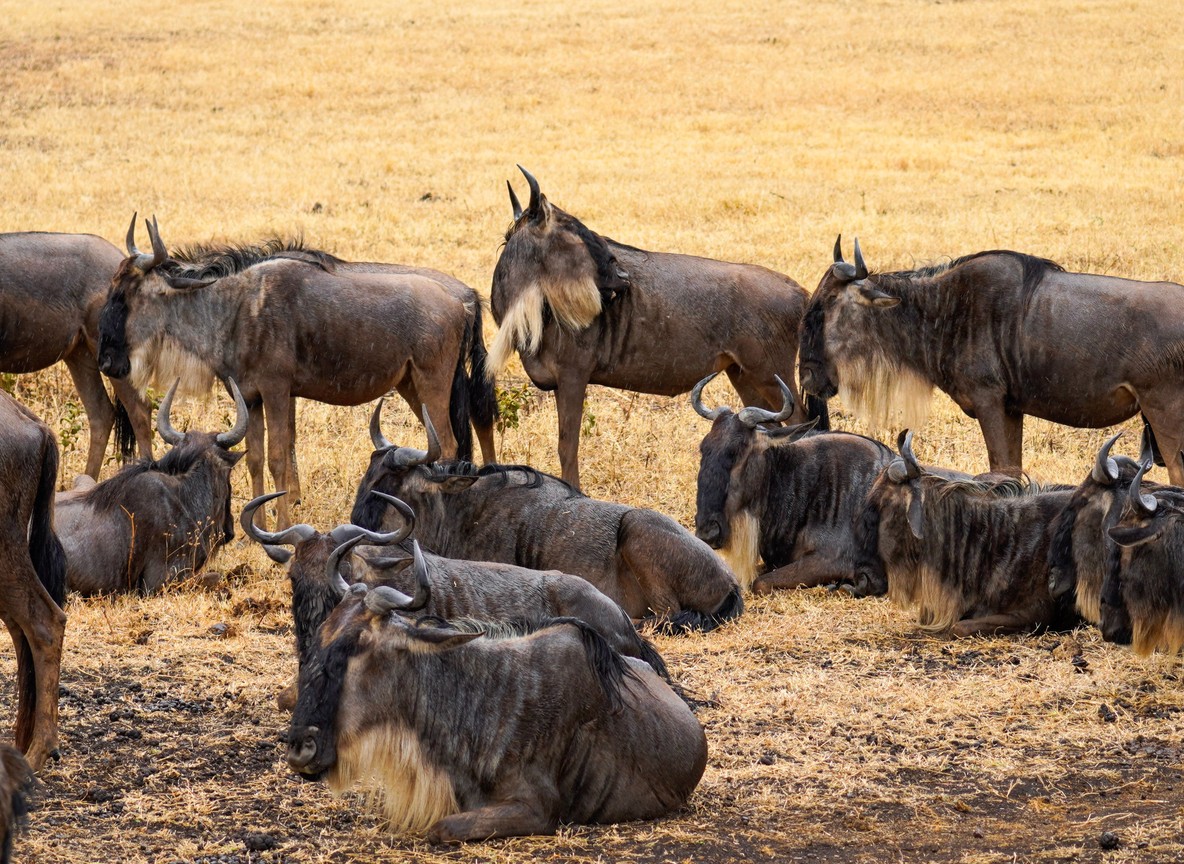
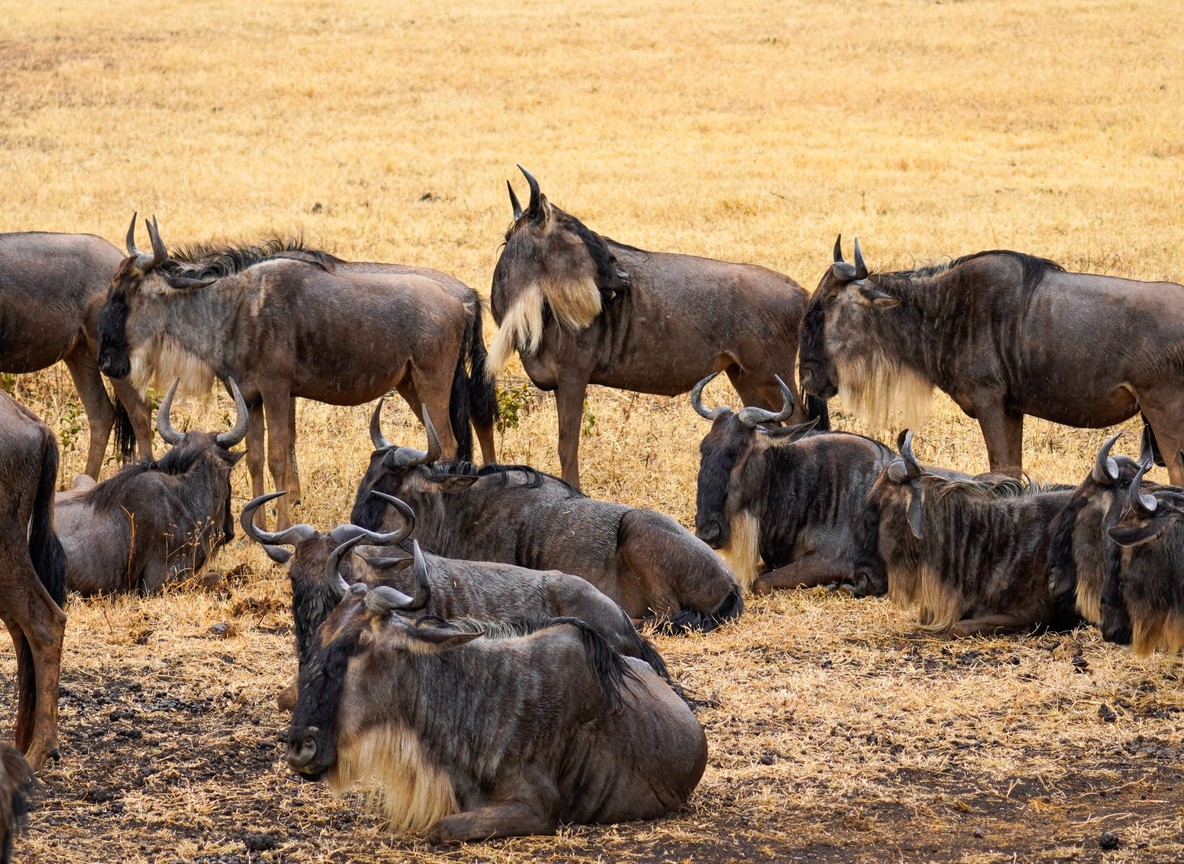
It is less ideal for budget-conscious travellers or anyone whose primary goal is the Mara River wildebeest crossings, which happen closer to the Mara Triangle side of the ecosystem.
Accommodation and Daily Rhythm
Safari camps work on a rhythm that is different from any other kind of travel. You are up before light, out before 6 AM, back for mid-morning, resting through the heat of the day, and out again in late afternoon. Room quality matters less than you think at the time of booking and more than you expect once you arrive tired and want somewhere genuinely comfortable to decompress.
At Mara Toto Tree Camp, the accommodation is designed around that pattern. Before you book, confirm the following with whoever is handling your reservation:
- Room type and bed configuration for your group
- Bathroom setup and availability of hot water at early departure times
- Power and device-charging windows around drive schedules
- Whether family or connecting rooms are available if relevant
These are not premium questions. They are standard due diligence for any safari booking.
Meals at Maasai Mara camps follow drive timing. Breakfast is early, lunch may be a packed arrangement for full-day routes, and dinner is served after the evening drive returns. The Ntiakitiak River setting means the dining area has a view worth sitting with.
Wildlife Access and Game Drive Quality
The national reserve holds the same wildlife year-round: lion prides, leopard, cheetah, elephant, buffalo, giraffe, hippo in the river pools, and over 500 recorded bird species. What changes by season is the density, behaviour, and the migration overlay from July to October.
Being positioned on the Ntiakitiak River gives you direct access to the kind of wildlife movement that happens around permanent and seasonal water, especially in the dry months when animals concentrate near water sources. For photographers, riverside camps have better early light on subjects than open-plains camps where wildlife disperses widely.
Key questions to ask your guide or the camp team before each drive:
- Where were the predators last seen, and which direction were they moving?
- Is there any migration movement currently crossing into this part of the reserve?
- What is the road condition on the routes we plan to take?
A camp inside the reserve with strong guide intelligence gives you a significant advantage over camps that spend their first hour on dead road getting guests to the wildlife zones.
Comparing Mara Toto Tree Camp to Other Options
The Maasai Mara ecosystem has dozens of accommodation options ranging from budget tented camps near the gates to ultra-luxury properties inside conservancies. The comparison that matters is not star rating against star rating. It is about fit: does this specific property, in this specific location, match what you are actually trying to do on this trip?
Work through these five questions before deciding:
- Is the camp inside or adjacent to the reserve, and does that match your drive preference?
- What is the typical vehicle density in this zone during your travel dates?
- Are you prioritising migration crossings (Mara Triangle access) or resident wildlife in a quieter zone?
- Is the package all-inclusive, and does it include park fees, private game drives, or shared vehicles?
- What is the total per-night cost versus comparable properties in the conservancies?
The conservancies (Olare Motorogi, Naboisho, Mara North) have stricter vehicle limits at sightings and permit off-road driving, which matters for photography-focused trips. The national reserve has more ground to cover and higher wildlife volume. Neither is universally better. The right answer depends on your specific priorities.
Explorer Notes: Practical Planning Tips
Book early for July to October. Mara Toto Tree Camp has limited tent inventory. During peak migration season, occupancy at top-tier properties fills 6 to 9 months ahead.
Fly in if you can. Charter flights from Wilson Airport in Nairobi to airstrips near the Ntiakitiak zone take 40 to 50 minutes. Road transfer takes 5.5 to 6 hours. The flight is expensive but recovers a full day of holiday time.
Pack layers for morning drives. The Mara at 5:30 AM in July runs cold. A fleece and a light windproof layer are not optional.
Ask about guide continuity. Some camps rotate guides between guests. Others assign you the same guide for your stay. Consistent guide knowledge of terrain and individual animals meaningfully improves sighting quality on a multi-day stay.
Factor in conservation fees. National reserve park fees are currently around $80 to $100 per person per day for non-residents. Confirm whether these are included in your camp rate or added separately.
What to Ask Before You Confirm
Before finalising a booking at Mara Toto Tree Camp or any comparable property, have these conversations:
- What is the standard daily drive schedule, and can it be adjusted?
- Are drives private or do they include other guests from different bookings?
- What happens if weather makes a particular route impassable?
- Is there a guide assigned to you for the duration of your stay?
- What conservation projects does the camp support, and how?
These questions filter out properties that are beautiful in photographs but operationally loose in practice.
Conclusion
Mara Toto Tree Camp is a well-positioned property inside one of the world’s great wildlife reserves. Its location on the Ntiakitiak River gives it a natural intimacy that more commercial zones inside the Mara lack. Whether it is the right choice depends entirely on what you are optimising for.
If the combination of ultra-luxury comfort, a location inside the reserve, and a quieter sector of the Mara matches your travel goals, it is worth serious consideration. If your primary objective is the migration crossing spectacle on the Mara River, look at Triangle-side properties first.
Next Steps
Research camps across the Maasai Mara ecosystem at touringinsights.com before you narrow down. Read independent guest reviews from the last 12 months. Then talk to an operator who can honestly compare this property against the alternatives for your specific dates.
The Mara rewards travellers who do the planning work before they arrive, not after.
Have questions about this itinerary or destination? Get answers from a safari specialist before you commit.
Inquire More