As of 2026, Mara Serena Safari Lodge sits inside the Mara Triangle, a roughly 510 km² zone in the western Maasai Mara managed independently by the non-profit Mara Conservancy rather than Narok County. This location places the lodge on the same side of the Mara River as major wildebeest crossing points, giving faster access during the July to October migration and closing at 7 PM under stricter anti-poaching and vehicle-conduct rules than the main reserve.
This guide covers what the Mara Triangle position means in practice, what wildlife access looks like from this lodge, and what questions to ask before booking.
The Mara Triangle: A Separate Management Zone
The Mara Triangle is not just a geographic description. It is a management designation. The Mara Triangle — roughly 510 km2 of western Maasai Mara — is managed by the Mara Conservancy, a non-profit entity operating independently from the Narok County Government that manages the main reserve.
What the Mara Conservancy management model delivers:
- Stricter anti-poaching protocols. The Triangle has one of the better poaching suppression records in the Mara ecosystem.
- Vehicle conduct enforcement. The Conservancy enforces vehicle limits at sightings, sets closing hours at 7 PM (vehicles must exit the Triangle), and has rangers who can turn out vehicles that violate rules.
- Road maintenance investment. Triangle roads are consistently noted by guides as being in better condition than main reserve tracks, which matters during the April-May rainy season.
For guests staying at Mara Serena Safari Lodge, these management practices shape the quality of the daily game drive experience in concrete ways.
Official reserve information is available from the Kenya Wildlife Service.
Location Advantages for Wildlife Access
Mara River and Crossing Points
The Mara River runs along the eastern boundary of the Mara Triangle. From Mara Serena Safari Lodge, access to the major wildebeest crossing points during migration season (July to October) is among the fastest in the ecosystem. Camps in the main reserve that need to cross the Mara River to reach Triangle crossing points lose time and flexibility. Staying inside the Triangle removes that logistical barrier.
During peak migration months, having a guide who can reach a crossing point before it develops is a significant advantage. The Mara Serena position within the Triangle means you are already on the correct side of the river when a crossing begins building.
Big Cats on the Escarpment Plains
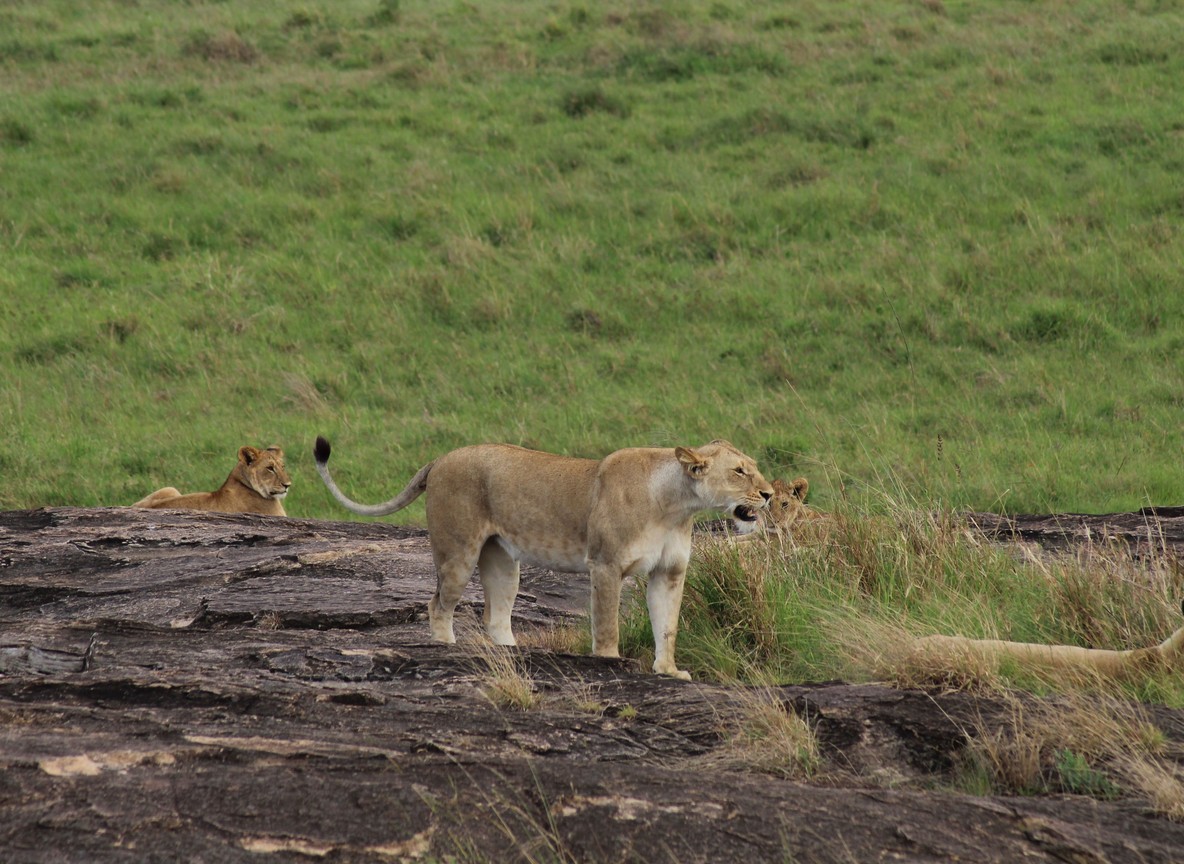
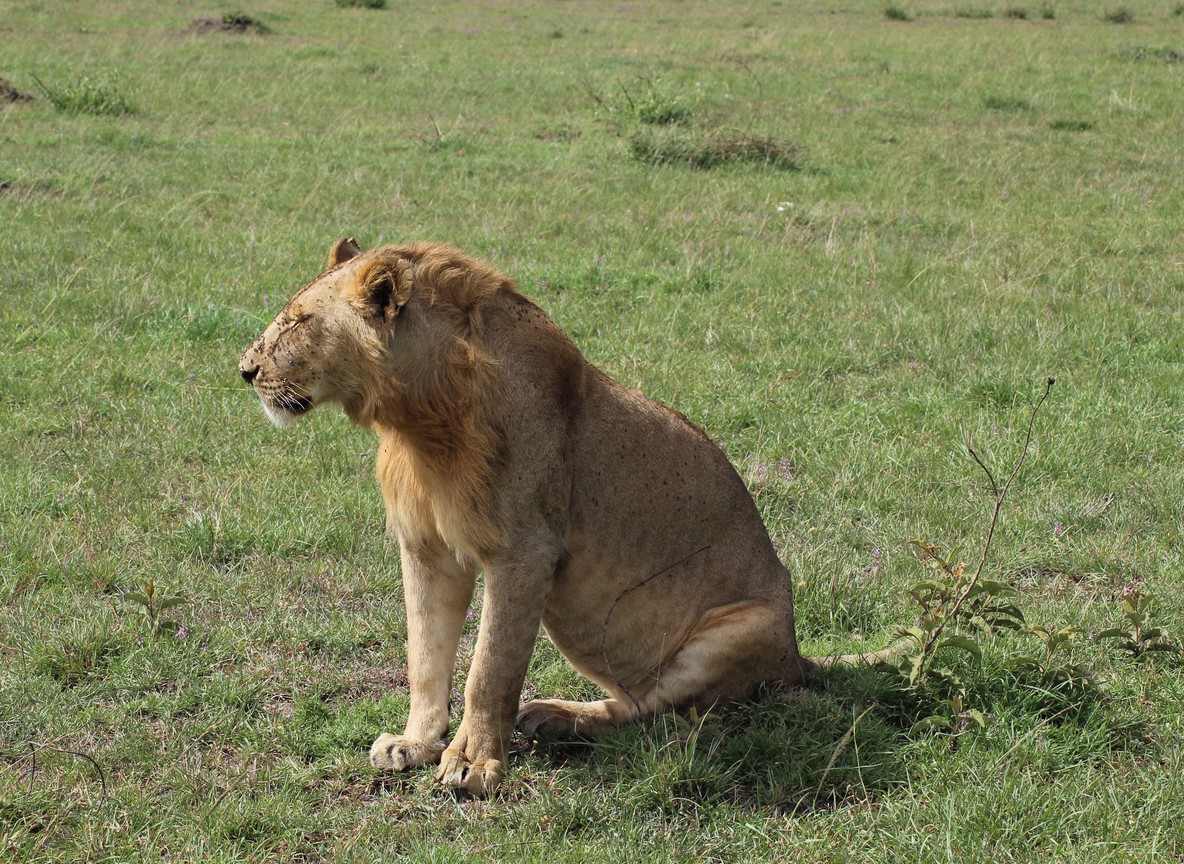
The Oloololo Escarpment area within the Triangle holds well-documented lion prides and produces regular cheetah sightings. The open plains between the escarpment and the river have the visual clarity that makes big cat tracking productive — you can spot a cheetah on a termite mound from a kilometre away in the right conditions.
Leopard sightings in the Triangle tend to concentrate around the Mara River’s riparian woodland zones. This is typical of leopard habitat across the broader ecosystem.
Year-Round Wildlife Depth
Outside the migration months, the Triangle holds a strong resident wildlife base. The Mara River provides year-round hippo pods and crocodile concentration at the water. Elephant families move between the river and the open plains consistently. Buffalo herds attract lion activity through all seasons.
For visitors outside the July to October window, the Triangle’s combination of Mara River access and open plains wildlife makes it a strong choice across any month.
Lodge-Style Accommodation: What That Means
Mara Serena Safari Lodge is a lodge rather than a tented camp. The distinction matters for some travelers. A lodge provides permanent stone or brick rooms, typically with more conventional bathroom setups and infrastructure, compared to the canvas-and-pole construction of the tented camps. For travelers who find the tent experience uncomfortable in cooler months, lodge accommodation is a reasonable preference.
The trade-off in the Mara Serena context: the lodge’s more fixed infrastructure means it does not have the same intimate bush feel that the best tented camps create. The sounds of the Mara night reach you differently through lodge walls than through canvas.
What to confirm before booking:
- Room types and which orientation provides the best views (the lodge overlooks the Mara River, and river-view rooms are the ones worth requesting)
- Whether game drives are shared or private — shared drives at a larger lodge property can mean less flexibility in timing and positioning
- Current meal inclusions and whether full-board covers all drive meals
- How game drives are structured: departure times, maximum vehicle occupancy, guide assignment
Who Mara Serena Fits Best
Mara Serena Safari Lodge suits travelers who want Mara Triangle access with the comfort of lodge-style infrastructure, particularly those who prefer more conventional room setups over tented camps. It is a reasonable choice for couples on a first or second safari, travelers who are not specifically focused on getting the most intimate sighting experience, and anyone for whom the Mara Triangle location is the primary draw.
Guests who want the most immersive wildlife encounter — particularly those focused on photography or sustained predator watching — may find that a smaller tented camp in the same Triangle zone delivers more of what they are after. Lodge scale and game drive logistics in a larger property can limit the flexibility that serious wildlife observers want.
Comparing the Mara Triangle Against the Main Reserve
For migration season specifically, the Triangle has a consistent advantage: crossing-point access, lower vehicle density, and better road conditions.
Outside migration season, the comparison is less clear-cut. The main reserve has a more extensive road network, a wider range of accommodation price points, and faster access from the Sekenani Gate direction. Travelers with budget constraints often find the main reserve gives them more options per dollar spent.
A combined approach — first two nights in the main reserve or a northern conservancy, then move to Triangle accommodation for the migration peak — is one itinerary structure that works well for longer trips.
For a full breakdown of this decision, the Mara Triangle vs Masai Mara Reserve Guide covers the comparison across wildlife, crowds, roads, and accommodation range.
Explorer Notes
Best season here: July to October for crossings; January to March for quiet, short-grass predator viewing.
Arrival: Most guests fly to the Ol Kiombo airstrip inside the Mara Triangle, with a short road transfer to the lodge. The flight from Wilson Airport in Nairobi takes around 45 minutes.
River views: Request a room with a Mara River view at booking. The lodge’s position above the river is one of its strongest features, and not all rooms face the same direction.
Night sounds: The Mara River below the lodge is active at night. Hippos leave the water after dark, and if you are sleeping lightly, you will hear them grazing near the lodge perimeter.
Turn this reading into a real itinerary with help from a Kenya-based safari team.
Start Planning Your Safari