Mara River Lodge is positioned in the Lemek Conservancy, one of the community-managed conservancy areas that border the Maasai Mara National Reserve to the north. Understanding what that means for your wildlife experience is more useful than any list of room features. Conservancy placement versus main reserve placement is one of the most consequential choices in Maasai Mara safari planning.
This guide covers the practical implications of the Lemek Conservancy location, what wildlife access looks like from this position, and what kind of traveler tends to get the most out of staying here.
Lemek Conservancy: What It Is and Why It Matters
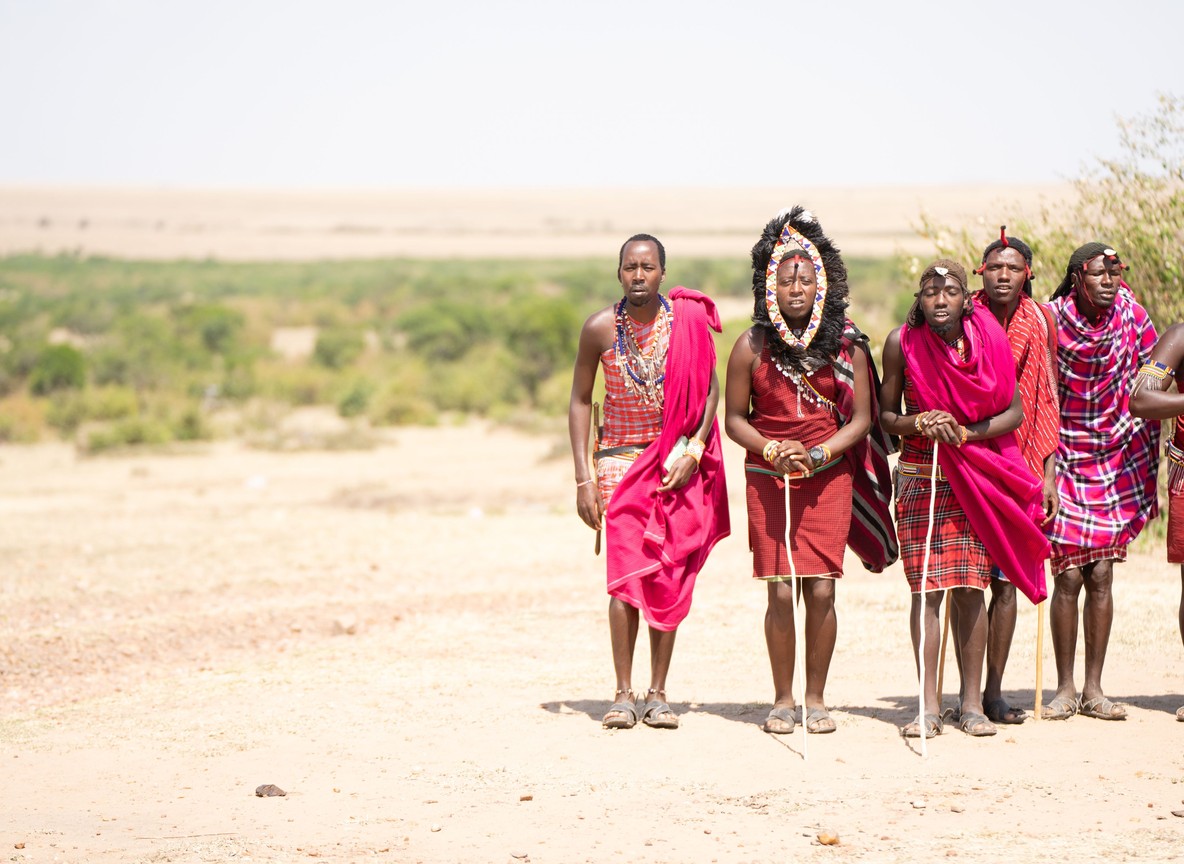
The Lemek Wildlife Conservancy is a community-managed area that forms part of the broader Maasai Mara ecosystem, immediately adjacent to the northern boundary of the national reserve. Like other Mara conservancies — Naboisho, Olare Motorogi, Mara North — Lemek operates under a land-lease model where Maasai landowners receive payments from tourism in exchange for keeping the land available for wildlife.
The practical difference this creates for safari guests:
- Lower vehicle numbers. Conservancies limit the number of licensed vehicles, which means wildlife sightings are not shared with the vehicle columns that form at popular spots in the main reserve.
- Permitted off-road driving. Unlike the national reserve where all driving must stay on defined tracks, conservancy permits allow guides to leave the track and position vehicles for the best sighting angles. This matters significantly for wildlife photography and sustained observation.
- Access to the reserve. Guests staying in Lemek can still drive into the main Maasai Mara National Reserve on day game drives, giving access to the reserve’s full road network while returning to conservancy accommodation.
For a camp positioned in Lemek specifically, game drives into the reserve typically access the northern reserve sections and the Mara River area. The reserve’s official entry and current fee structure is maintained by the Kenya Wildlife Service.
Wildlife Access from Lemek
What Is Resident in the Conservancy
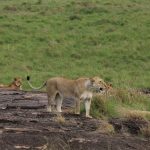
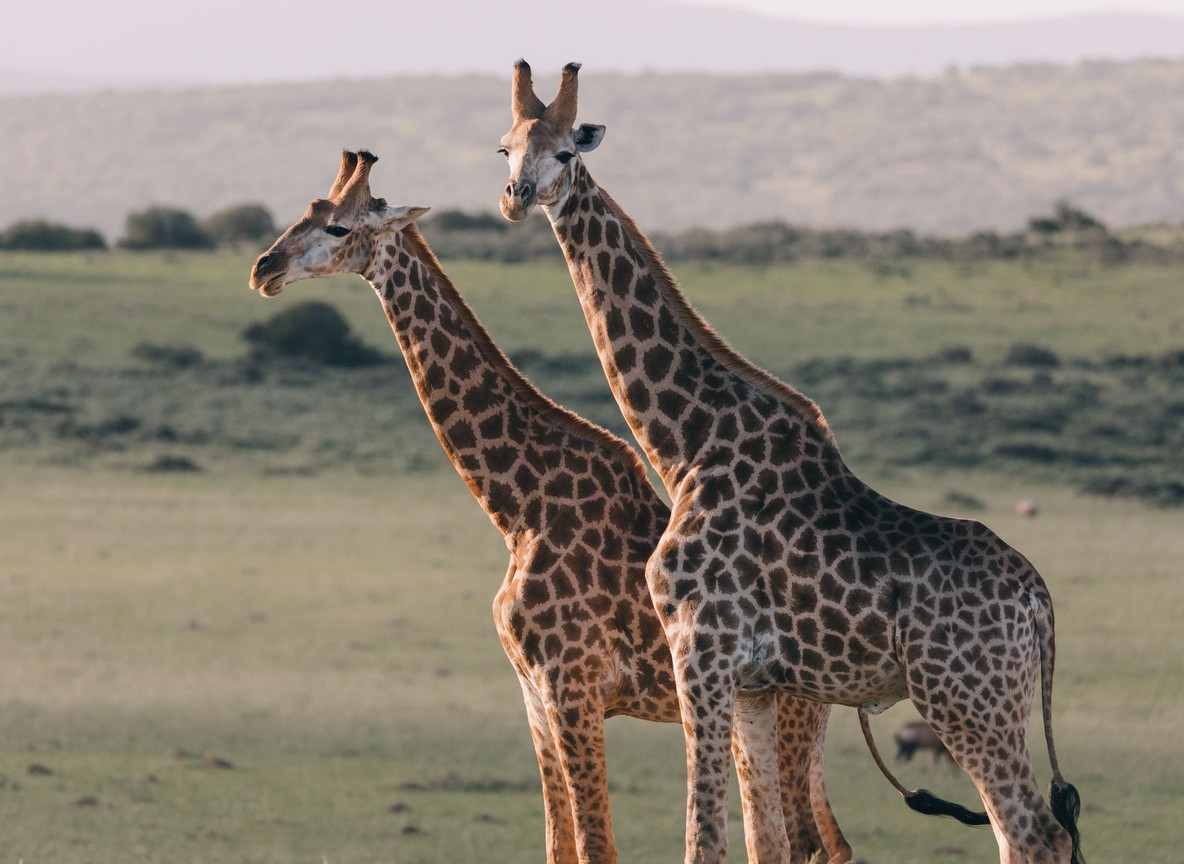
Lemek holds wildlife year-round, including lion, leopard, elephant, buffalo, giraffe, and a range of plains species. The lower vehicle density means that encounters in the conservancy itself tend to be unhurried — a guide can sit with a leopard in a tree for two hours without other vehicles arriving and ending the sighting.
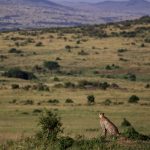
Cheetah sightings in the northern conservancy zone are possible but less reliably frequent than in the Olare Motorogi or Ol Kinyei areas to the southeast. This is not a disqualifier; it is simply a calibration. If cheetah specifically are your primary target, the southeast conservancies are statistically stronger.
Mara River and Migration Access
Lemek’s position north of the reserve means that accessing the Mara River crossing points during migration season (July to October) involves a longer drive than from camps positioned inside the Triangle or along the river itself. This is worth factoring in if witnessing a wildebeest crossing is a central goal of your trip.
For guests whose migration interest is more general — seeing the herds in large numbers, watching lion prides on wildebeest, experiencing the overall migration atmosphere — the northern conservancy position works well. The migration herds move through the full ecosystem, not just the river zone.
Accommodation Style and What to Confirm
Mara River Lodge runs on the standard safari camp rhythm: early morning departures, midday return for meals and rest, afternoon drive, dinner after dark. The room setup at any camp in this category is a practical consideration rather than a luxury destination feature — tent quality, bathroom reliability, and power windows for charging equipment matter more to a working wildlife photographer than decor.
Specific details worth confirming before any Maasai Mara booking:
- Bed configuration options (twin, double, family connection)
- Whether a camp vehicle is included or if you share with other guests
- Full-board inclusions (some camps include packed lunches for full-day drives; some do not)
- Conservancy fees: these are sometimes separate from accommodation rates and can add significantly to the per-night cost
The conservancy fee structure varies between properties. Lemek Conservancy fees are charged on top of national reserve fees when you drive into the park. Clarifying what is included in the quoted rate avoids surprises.
Who This Property Fits
Mara River Lodge in Lemek suits travelers who want conservancy access without the premium pricing of the flagship conservancy camps (Naboisho, Olare Motorogi), who value lower vehicle numbers over absolute proximity to the Mara River, and who appreciate the community conservancy model.
It is a reasonable mid-range option for first-time Maasai Mara visitors who want a genuine wildlife experience without the costs of the top-end conservancy camps, and who are not specifically targeting migration river crossings as their primary goal.
Couples and small groups of two to four people tend to get the most out of this kind of conservancy positioning. Families depend on specific tent and vehicle configurations that need to be confirmed early.
Comparing Lemek Against Other Positions
The key variables in any Maasai Mara accommodation comparison:
- Conservancy vs main reserve: Conservancy wins on sighting quality per hour in the field. Reserve wins on access range and road network.
- Northern conservancies vs Triangle/Mara River camps: Triangle has better crossing access during migration. Northern conservancies have better access to open plains wildlife.
- Price: Lemek typically sits below the flagship conservancies in room rate, with conservancy fees adding back some of the gap.
- Drive time to key sighting areas: Worth mapping before booking. A 45-minute drive each way to reach the best predator territory costs two hours of game-drive light per day.
Explorer Notes
Best months for Lemek: The dry months of January to March and June to October consistently produce strong wildlife. The November to December short rains and the April to May long rains bring green-season conditions with tall grass, fewer vehicles, and value pricing.
Combined approach: Some itineraries position guests in a northern conservancy for the first nights, then move to a river-fronting camp for migration season’s peak crossing period. This structure gives you both conservancy intimacy and river-crossing access without fully sacrificing either.
Getting there: Light aircraft to the Mara airstrips (Ol Kiombo, Ngerende, or Kichwa Tembo) with a road transfer into Lemek. Most transfers are under an hour from the Mara airstrips.
For context on the broader Maasai Mara accommodation landscape, the Masai Mara Reserve vs Conservancy Guide covers the trade-offs in more depth.
Every trip described here can be tailored: dates, budget, camps, and pace built around you.
Get a Personalised Safari