Mara River Camp sits at the Oloololo Escarpment on the western edge of the Maasai Mara ecosystem. That location is the most important thing to understand before putting this property on your shortlist. Escarpment camps occupy a different game-viewing geography than camps placed on the central plains or along the Talek River, and that difference shapes your day in specific ways.
This guide covers what the Oloololo Escarpment position actually means for wildlife access, who this property tends to suit, and what to confirm before booking.
Why Location Matters More Than Almost Anything Else
The Maasai Mara is not a uniform landscape. Different zones have different wildlife concentrations, different road qualities, and different distances to key game-viewing areas. A camp on the Oloololo Escarpment places you at the western boundary of the Mara Triangle, the section of the reserve managed by the Mara Conservancy.
The Mara Triangle is consistently regarded as the quieter, better-maintained side of the reserve. The Mara Conservancy enforces strict vehicle conduct rules, caps vehicle numbers at sightings, and maintains roads more aggressively than the main reserve. For guests staying at Mara River Camp, this means immediate access to Mara Triangle game-drive corridors from the moment you leave camp.
The Oloololo Escarpment itself provides elevated terrain with views across the plains and river below. On clear mornings, you can watch wildlife patterns from a significant height before descending to ground level. That kind of landscape orientation changes how you read game-drive days.
Official reserve information is maintained by the Kenya Wildlife Service.
Wildlife Access from the Escarpment
Morning Drive Timing
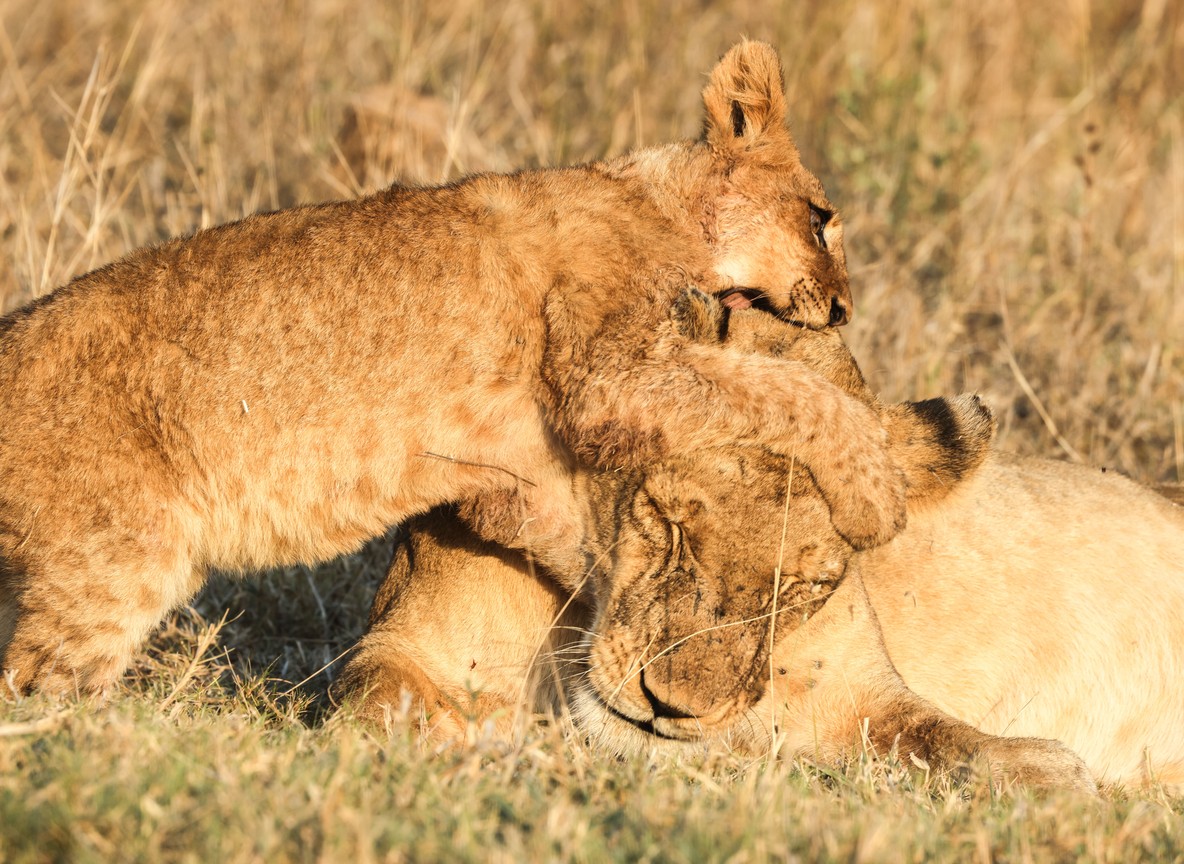
Escarpment positioning shortens the distance to several key wildlife zones. Lion prides that range through the Oloololo area are often active on the plains below the escarpment at first light. During migration season (July to October), the Mara River crossing points nearest to the Triangle are accessible quickly from this side of the reserve.
For guests prioritizing Mara River crossings, the Triangle’s river access is among the best available in the ecosystem. The most photographed crossing points sit along the Mara River boundary between Kenya and Tanzania, and camps in the Triangle reach them without the long repositioning drives that can eat into early morning light.
Year-Round Resident Wildlife
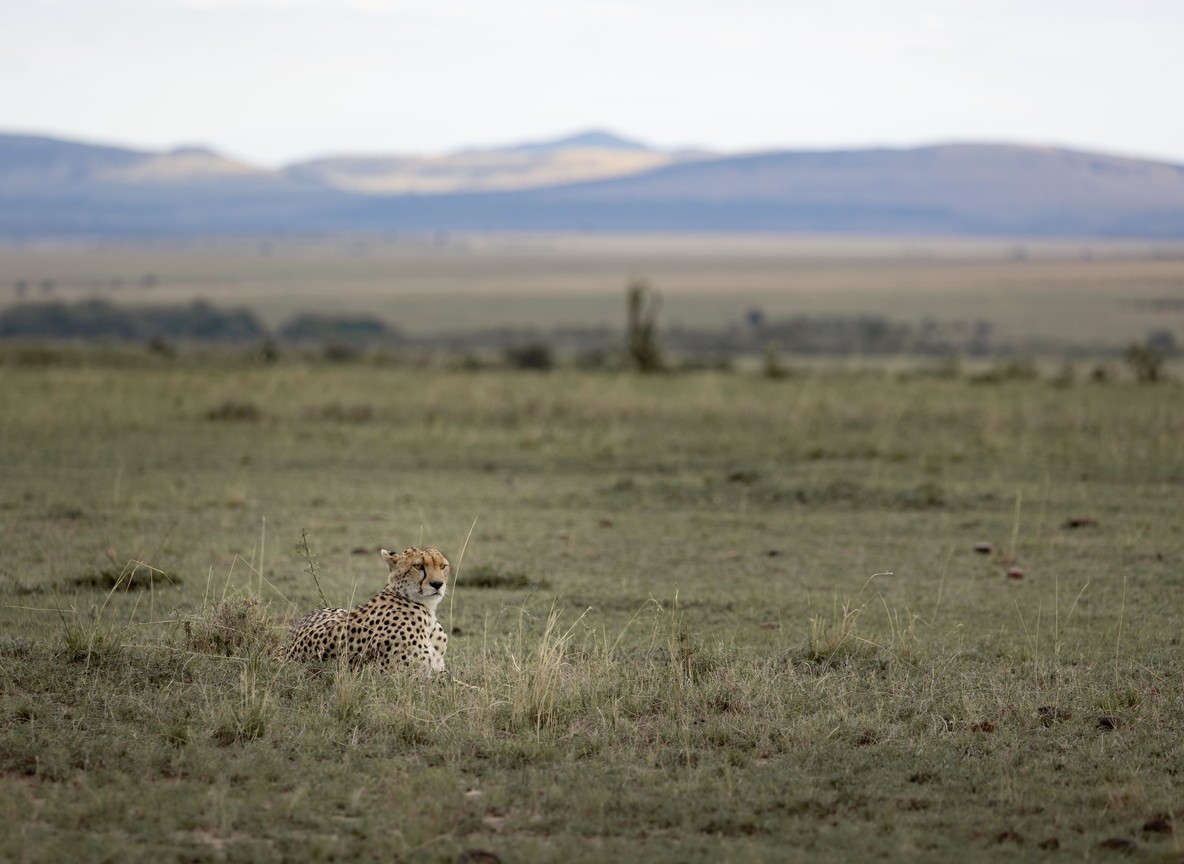
Outside migration months, the Mara Triangle holds healthy resident populations of lion, leopard, cheetah, elephant, and buffalo. The Oloololo Escarpment area in particular has well-documented lion territory. If you are visiting between November and June and the Great Migration is not your primary focus, the resident predator density here is strong.
The Mara River itself runs along the base of the escarpment zone, providing hippo, crocodile, and year-round wildlife concentrations near water. Elephant families move between the river and the plains regularly, making riverside game drives consistently productive.
Accommodation Style and Practical Details
Mara River Camp operates in the safari camp tradition: tented accommodation designed around an early-departure, full-day-in-the-field rhythm. Most guests leave before 6:30 AM, return for a midday meal and rest, then head back out for the afternoon drive.
Before confirming any booking at this camp or any other, it is worth verifying:
- Tent configuration and bed setup (twin or double, single or interconnected family options)
- Hot-water timing and bathroom practicalities
- Power supply windows for charging camera equipment
- Whether full board includes packed lunches for full-day drives
These operational details affect day-to-day comfort more than most amenities on a features list. A camp that times its meals around game-drive schedules runs a functionally different day than one that does not.
Who This Camp Tends to Suit
Mara River Camp on the Oloololo Escarpment fits best with guests who are specifically interested in Mara Triangle access: either for the escarpment’s elevated landscape character, the Triangle’s quieter vehicle density, or direct proximity to river crossing points during migration season.
It is less suited to travelers who want quick access to the Talek River area, the central Mara plains, or who are entering the reserve from the Sekenani Gate direction. Geography matters. The Triangle and the main reserve feel different, and the right choice depends on what you are trying to see and when.
Couples, solo travelers, and small groups all find this camp workable. Family bookings depend on the specific tent configuration available, so confirming room setup early saves complications.
Comparing This Camp Against Other Maasai Mara Options
The honest way to compare Maasai Mara camps is to work from your travel dates and primary wildlife goals, then match location to those goals rather than choosing on room category alone.
Questions worth asking for any camp comparison:
- Which wildlife zone does this camp access most efficiently?
- How close is it to active predator territories or, during migration, to river crossing points?
- Does the camp have permits or access to conservancy land beyond the main reserve boundaries?
- What guide-to-vehicle ratio is standard, and are guides paid full-time or on commission?
The answers shift significantly depending on whether you are in the Triangle, the main reserve, or one of the bordering private conservancies.
Explorer Notes
When to visit: July to October for migration and river crossings; January to March for short-grass predator viewing with minimal crowds.
Getting there: Most guests fly into the Mara Triangle via a light aircraft from Wilson Airport in Nairobi. The transfer from the nearest airstrip to the escarpment camps takes roughly 30 to 45 minutes by road.
Migration context: The Triangle’s crossing-point access is one of the strongest arguments for staying on this side of the reserve during July to October. If river crossings are the reason you are coming to Kenya, this positioning pays off.
Green season option: April to June brings dramatic skies, green plains, and empty camps. Wildlife is present but dispersed in taller grass. Photography conditions are atmospheric rather than the classic dry-season clarity.
What to Ask Before Booking
No camp delivers the same experience for every traveler. The property that fits a wildlife photographer wanting sustained predator encounters is often different from the one that fits a family looking for relaxed full-board comfort. The Oloololo Escarpment position is specific. Make sure it aligns with your goals before committing.
Useful resources for broader Maasai Mara planning include the Mara Triangle Safari Guide on Touringinsights and the Maasai Mara Animals Month by Month Guide to match your dates to the wildlife you most want to see.
Have questions about this itinerary or destination? Get answers from a safari specialist before you commit.
Inquire More