Mara Plains Camp is located inside Olare Motorogi Conservancy, one of the most tightly managed private conservancies in the Masai Mara ecosystem. The conservancy position is the defining factor in understanding what this camp provides and who it suits.
This guide focuses on what Olare Motorogi‘s structure means for the actual safari experience, and how to evaluate whether Mara Plains Camp is the right base for your goals.
Olare Motorogi Conservancy: What the Location Provides
The Conservancy Model
Olare Motorogi Conservancy covers approximately 33,000 acres adjacent to the northern section of the Masai Mara National Reserve. It operates on the same principle as other Mara private conservancies: land leased from Maasai landowners, a strict cap on the total number of guest beds, and no access for day visitors or non-resident vehicles.
What these structural rules produce in practice:
- Night game drives as a standard activity (prohibited in the national reserve)
- Guided walking safaris with an armed ranger
- Off-road vehicle access throughout the conservancy (national reserve vehicles are restricted to established tracks)
- A very small number of vehicles in the field at any time, meaning no queuing at sightings
These are not amenities. They are structural features of the conservancy model that cannot be replicated inside the national reserve regardless of how expensive the accommodation is.
The Kenya Wildlife Service provides background on the national reserve that borders the conservancy.
Wildlife Density in Olare Motorogi
Olare Motorogi is consistently cited as one of the highest big-cat-density conservancies in the Mara ecosystem. The reasons are the same as in other low-disturbance conservancies: no livestock pressure, no day visitor vehicle traffic, and intact corridors to the wider ecosystem.
Resident predators in the conservancy include:
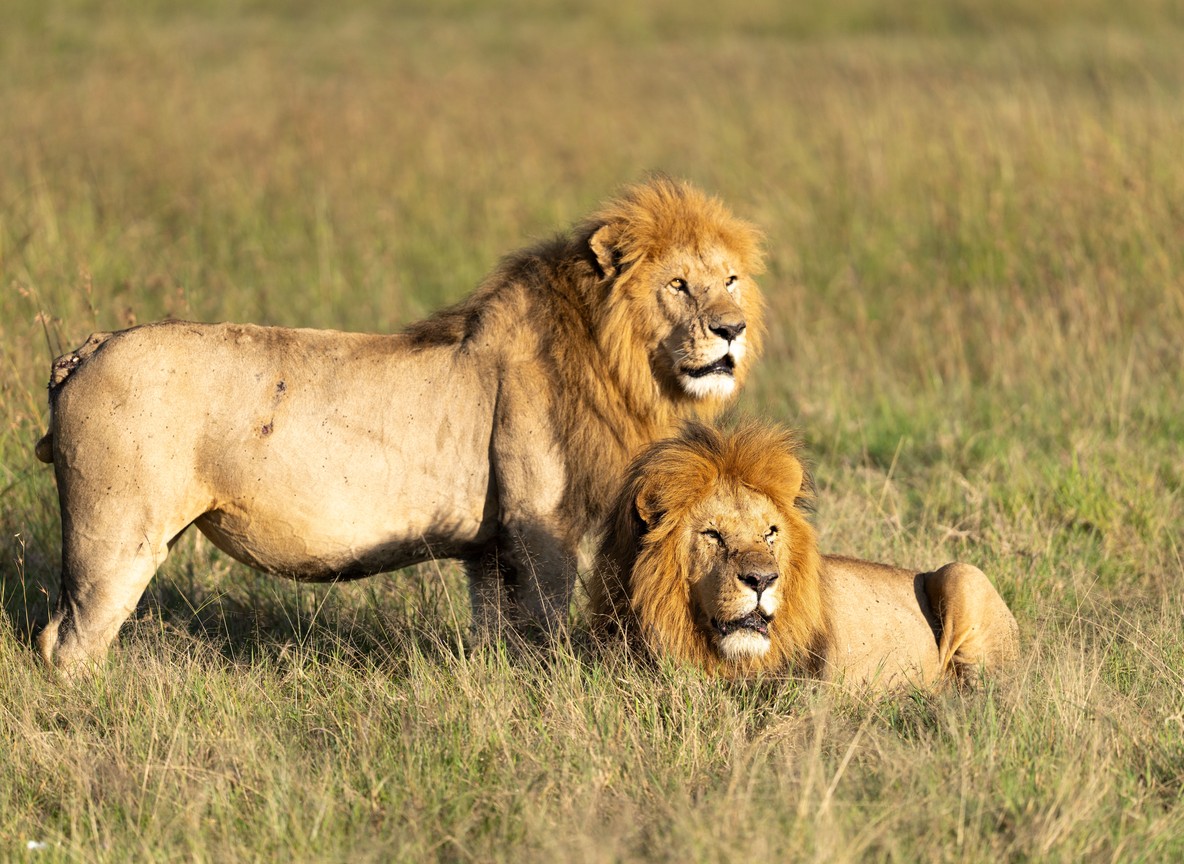
- Multiple lion prides with established territories
- Leopards at high density, particularly in the drainage lines and rocky areas
- Cheetahs on the open grassland plains
- Resident elephant herds using seasonal corridors
The wildebeest migration passes through Olare Motorogi from July through October as herds move north from the Serengeti. The conservancy’s positioning gives guests good access to herd activity without the vehicle concentration that forms around the main national reserve crossing points.
Mara Plains Camp: What to Expect
Camp Scale and Exclusivity
Mara Plains Camp operates at very low guest numbers, consistent with the conservancy’s bed-night cap. This means an exceptionally high staff-to-guest ratio, personalized meal and drive planning, and the practical reality that you are unlikely to encounter more than a handful of other guests during your stay.
The camp is operated by andBeyond, a conservation-focused operator with a track record in both camp management and community benefit programs inside the conservancies they work in.
Vehicle and Guide Quality
Luxury conservancy camps recruit from a senior guide pool. Guides at Olare Motorogi properties typically carry specialist wildlife qualifications and years of knowledge specific to the conservancy’s terrain, animal individuals, and seasonal patterns. The difference between a guide who has worked a specific area for ten years and a generalist guide is visible in real time during a morning drive.
Vehicles at this tier are configured for maximum photographic access: Land Rovers or high-specification Land Cruisers with a maximum of four to six seats, dedicated camera storage, and charge points.
Night Drives and Walking Safaris: The Conservancy Advantage in Practice
Night Drives
After dark in a private conservancy, the animal list changes substantially. Leopards, which spend much of the day in cover or resting in trees, become active hunters. Lions move across open ground. Aardvarks, civets, genets, and servals appear. Night drives are conducted with a spotlight and run for one to two hours from a time shortly after dinner.
No equivalent experience is available to national reserve guests regardless of accommodation category.
Walking Safaris
A guided bush walk with an armed ranger produces a completely different relationship with the landscape than a vehicle-based drive. At ground level, you notice what a vehicle passes over: tracks, beetle movement, bird behavior, termite architecture. Walking safaris run for one to two hours, typically in the morning, and require a basic level of fitness and willingness to follow the guide’s instructions precisely.
Who Mara Plains Camp Suits Best
Strong Fit For:
- Travelers who specifically want night drives and walking safaris as core activities
- Wildlife photographers who need maximum proximity, minimal vehicle competition, and time to position properly
- Couples or small groups marking a milestone trip who want the finest available guide quality and service
- Repeat Mara visitors who want depth in a specific conservancy rather than broad circuit coverage
Worth Considering Alternatives If:
- The budget required for an ultra-luxury conservancy camp is not available and you are comfortable accepting a national reserve camp for a mid-range price
- You are a first-time Kenya traveler whose primary goal is experiencing the scale of the migration rather than the specific depth of a conservancy
- You prefer a larger camp with more social atmosphere
Practical Planning Notes
Access to Mara Plains Camp is via fly-in to Olare Motorogi airstrip from Nairobi Wilson Airport, approximately 45 minutes. Road access is not the standard route for this property. Luggage restrictions for bush aircraft are firm: 15kg in a soft bag is the standard allowance.
Olare Motorogi books early. For peak migration season dates in July through October, begin the planning process five to six months ahead. Green season and long-rains dates often have better availability and lower rates with comparable wildlife quality.
All park and conservancy fees are typically included in the package rate at this tier. Confirm this explicitly with the booking contact.
Keep Exploring
For a comparison of Olare Motorogi against the other main Mara conservancies including Naboisho, Mara North, and Ol Kinyei, a conservancy comparison guide is useful reading before committing to a location. The wildlife quality across these conservancies is closely comparable; the main variables are price tier, conservancy size, and the specific camps operating inside each one.
Turn this reading into a real itinerary with help from a Kenya-based safari team.
Start Planning Your Safari