Choosing where to sleep in the Maasai Mara shapes your entire experience. Mara Expedition Camp occupies a private acacia grove on land adjacent to the Masai Mara National Reserve, and that address carries real weight when it comes to your daily game-drive rhythm.
This guide covers what the camp’s location means for wildlife access, what you should confirm before committing to a booking, who this property suits best, and how it fits into the broader Maasai Mara accommodation picture. No generic praise, just the information you need to make a clear decision.
Where Mara Expedition Camp Sits and Why It Matters
The camp is set within an acacia grove on private land bordering the reserve. This has two immediate practical implications. First, you are outside the national park boundary, which in most cases means access to activities the reserve prohibits — among them night game drives and limited off-road tracking. Second, the acacia grove setting creates a genuinely different atmosphere from camps positioned on open plains: more sheltered, quieter at night, with prolific bird activity in the trees overhead.
The Kenya Wildlife Service manages the adjacent reserve and provides useful background on seasonal conditions and wildlife movement:
Gate proximity matters here. A camp positioned close to a reserve entry point cuts dead-transfer time on morning drives, which is often the difference between arriving at an active predator sighting in good light and arriving after it ends. Worth confirming with the camp directly: which gate does the guide use as the primary entry, and how long is the drive from camp to that gate?
What the Acacia Grove Setting Delivers
Private land camps in the Mara ecosystem fall into a specific category: they carry conservancy or private-concession character without necessarily requiring the full conservancy premium. At Mara Expedition Camp, the acacia grove position means:
- Natural shade across the camp that reduces heat in the midday hours
- Bird diversity that makes the camp itself worth sitting in after a morning drive
- A quieter, more enclosed feel than open-bush camps
- Wildlife that moves through the grove at night, sometimes audible from your tent
That last point is worth taking seriously if you are a light sleeper. Hyena calls, lion roars carrying from the reserve, and elephant movement are all plausible. The camp would not position itself in an acacia grove if wildlife did not use it. Bring earplugs if you value uninterrupted sleep, and leave them out if you want the full immersive experience.
Camp Comfort and Practical Setup
Mara Expedition Camp operates around the rhythms of a game-drive schedule. Most guests are up before first light for the morning drive, back for a late breakfast or brunch, resting through the hot midday hours, then out again for the late-afternoon drive. The accommodation is designed to support that pattern.
Before booking, confirm the specifics that matter most to your travel style:
- Tent construction: canvas on a fixed platform, or fully mobile?
- Bed configuration: doubles, twins, or options for both?
- Bathroom: en-suite bush shower, gravity-fed hot water, or scheduled filling?
- Power: solar charging windows and availability of adapters
- Children: minimum age policy, if any, and whether family rooms or adjoining tents are available
The acacia grove location usually means wood-and-canvas tents rather than stone-and-glass architecture. Expect authentic bush comfort rather than boutique hotel styling. The tradeoff is a more immersive experience with fewer barriers between you and the ecosystem.
Meals at most Mara camps are structured around game-drive timing. Breakfast before departure, a packed lunch or brunch on return, and a communal dinner after the evening drive. Shared dining areas are where the day’s sightings get processed and where guides often join for informal conversation.
Wildlife Access and Game-Drive Planning
The core question for any Mara camp is how efficiently it gets you into productive wildlife zones. Mara Expedition Camp’s position on the eastern side of the ecosystem, near the acacia belt that borders the reserve, puts it within reach of terrain that holds resident lions, cheetahs on the open drainage plains, and leopards in the riverine forest.
What to ask your booking contact:
- Which section of the reserve does the guide primarily cover?
- Are night drives included, and what is the route structure?
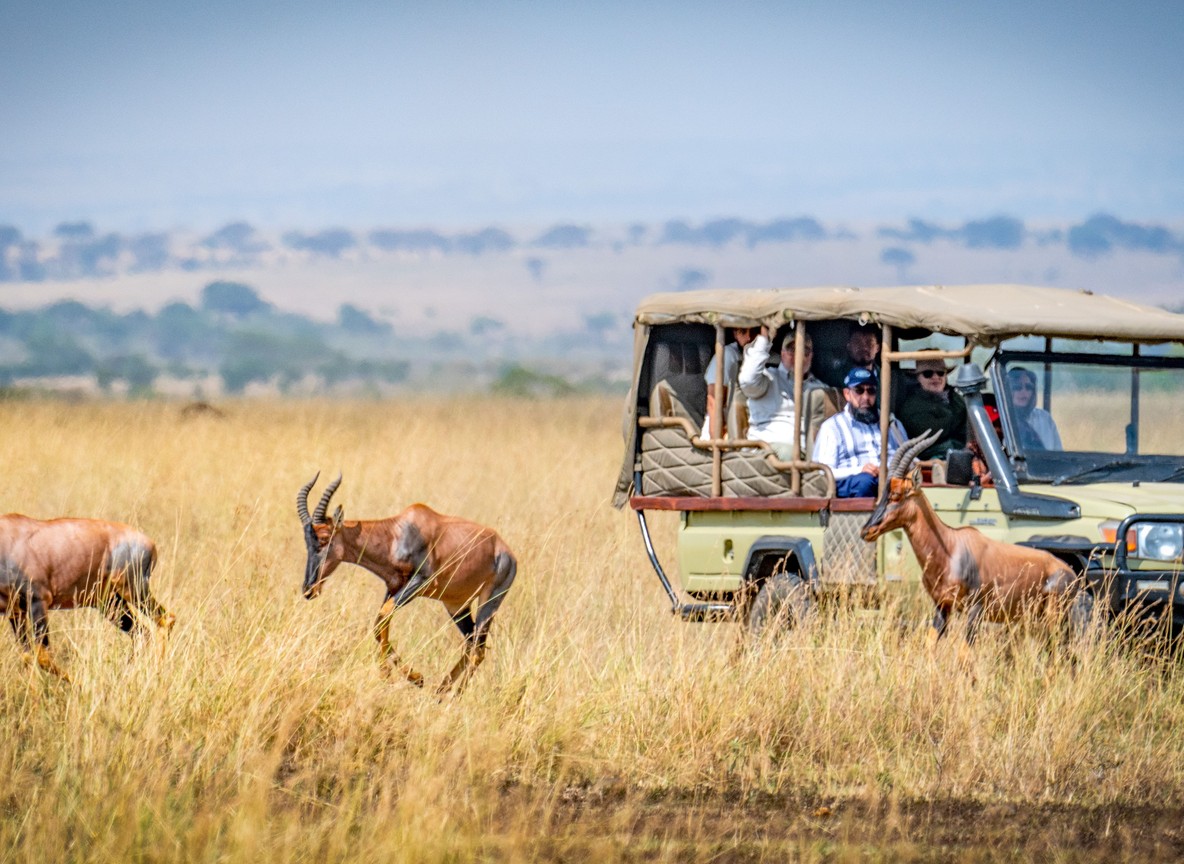
- Is the vehicle private or shared, and what is the maximum occupancy?
- Does the guide hold a Kenya Professional Safari Guides Association certification?
The Mara’s seasonal character is pronounced. July through October brings the wildebeest migration, with enormous columns passing through the northern sections of the ecosystem and river crossings happening daily at peak periods. The camp’s proximity to river access routes matters during this window. Confirm whether the camp can reach Mara River crossing points, and how far out of the way that is relative to the camp’s standard morning route.
Outside migration season, the resident wildlife is still exceptional. Lions, leopards, elephants, and the full range of plains game are year-round residents. Green season (November through June) brings fewer vehicles, richer photography light, and meaningfully lower rates at most properties.
How to Compare Mara Expedition Camp Against Other Options
The Maasai Mara has more accommodation options than most travellers realise, ranging from basic tented camps to ultra-premium conservancy lodges. When evaluating Mara Expedition Camp against alternatives, the framework that matters most is not headline room quality but the total experience equation:
| Factor | Questions to Ask |
|---|
| Location | Gate proximity, terrain access, conservancy vs. reserve |
|---|
| Activities | Night drives, walking safaris, off-road tracking included? |
|---|
| Guide quality | Certification level, years of Mara experience, language options |
|---|
| Vehicle setup | Private or shared, maximum guests, photography-friendly? |
|---|
| Inclusions | Park fees, game drives, meals, airport transfers |
|---|
| Season pricing | High season vs. green season rate difference |
|---|
For a broader look at how Mara Expedition Camp fits within the full accommodation landscape, touringinsights.com covers detailed comparisons across the ecosystem’s major properties and conservancies.
The Olare Motorogi Conservancy and Naboisho Conservancy to the northwest offer the strictest vehicle limits and most exclusive big-cat access if that is your primary goal. The main reserve is the right base if migration crossings at the Mara River are the singular priority. Private land camps like Mara Expedition Camp sit between those poles: more flexibility than the main reserve, more accessible pricing than the most exclusive conservancies.
Explorer Notes
A few things experienced Mara travellers pay attention to that first-timers often miss:
Early departure matters more than late return. The hour after sunrise is the single most productive wildlife window of the day. A camp that gets you rolling at first light consistently outperforms a more comfortable camp that departs 45 minutes later.
Ask about the bush breakfast. Many Mara camps arrange breakfast in the field during the morning drive, set up on a clearing or near a waterhole. It is one of those simple experiences that stays with you longer than any upgrade.
Green season is genuinely worth considering. March through June is the long-rains period. The landscape is vivid, rates drop, and vehicle pressure in the field is minimal. Sightings are not compromised; they are often better because animals move more freely.
Check the guiding model. Some camps assign a different guide each day depending on vehicle availability. Others assign you the same guide for your entire stay. Continuity of guiding creates a qualitatively different experience as your guide builds knowledge of your interests and photographic goals over the course of several days.
Pack layers. Mara mornings in the open vehicle are cold even in July. A fleece or light down jacket takes minutes to pack and makes a measurable difference in those pre-sunrise drives.
Who This Camp Suits Best
Mara Expedition Camp fits travellers who want:
- An authentic bush atmosphere over boutique hotel aesthetics
- A private or semi-private land setting with potential night-drive access
- A Maasai Mara base that is accessible without the premium pricing of top-tier conservancy lodges
- The acacia grove character: birdsong, shade, wildlife passing through at night
It is a solid fit for first-time Mara visitors who want a genuine experience without overextending a budget, and for returning travellers who prioritise guide quality and wildlife access over room amenities.
If you are travelling with a group, want complete vehicle privacy throughout your stay, or are planning around the peak migration window, it is worth having a conversation with a ground operator who knows the camp’s current guide team and can confirm vehicle configuration for your dates.
Planning Your Visit
For a camp-by-camp breakdown of the Maasai Mara ecosystem, including how Mara Expedition Camp fits within the broader picture, visit trunktrailssafaris.com for route planning and itinerary guidance from a Kenya-based operator with direct ground knowledge.
The most important piece of practical advice: do not leave camp selection to the last moment. The Maasai Mara’s best-value camps — and especially those with vehicle exclusivity and night-drive access — fill months ahead of peak season. If your travel dates fall between July and October, start planning at least four months out.
A good Maasai Mara camp does not just give you a bed. It shapes your daily schedule, determines your guide, and sets the limits on what activities are available to you. Mara Expedition Camp, in its acacia grove setting on private land, has the fundamentals right. The decision is whether those fundamentals match what you are planning for.
Every trip described here can be tailored: dates, budget, camps, and pace built around you.
Get a Personalised Safari