Mara Engai Lodge sits on the Siria Escarpment in the Masai Mara ecosystem. That topographic detail matters more than it might seem when you are choosing where to base a safari.
The escarpment is the dramatic ridgeline that defines the western boundary of the Mara Triangle, the section of the Masai Mara National Reserve that sits west of the Mara River. Understanding what that position offers, and who it suits, helps you decide whether this is the right property for your trip or whether a different location better matches your goals.
The Siria Escarpment: What It Means for Location
Mara Triangle Access
The Mara Triangle is a distinct management zone within the wider Masai Mara ecosystem, administered by the Mara Conservancy rather than Kenya Wildlife Service. It is consistently regarded as one of the best-maintained sections of the reserve: roads are better, vehicle numbers are lower, and the scenery includes open grassland plains that stretch across to the Mara River corridor.
Camps positioned on or near the Siria Escarpment have direct access to this western zone. For morning drives, this means entering some of the most productive and least congested game country in the reserve quickly and without long transit sections.
The escarpment itself provides elevation. From high ground, guides can scan open plains for wildlife movement, predator chases, or vulture activity indicating a kill, before descending to the valley floor. This is a practical game-drive advantage that valley-floor camps do not have.
Official Maasai Mara reserve information is available from the Kenya Wildlife Service.
Views and Setting
The Siria Escarpment position delivers one of the more striking visual settings available in Maasai Mara accommodation. Elevated camps look out over the valley and plains rather than up at a treeline. At dawn and dusk, the light across an open Mara landscape from height is different in quality from what ground-level camps experience.
This is not a trivial consideration if you are traveling for photography or if the visual setting of your camp matters to you.
What to Confirm Before Booking
Practical Camp Details
For any Masai Mara camp, the questions worth asking before payment are consistent:
- Room configuration and bed setup: what types are available and what suits your group?
- Bathroom: is hot water solar-heated and available at specific hours, or continuous?
- Power for charging devices: most remote camps run generators at limited hours
- Meal inclusions: are bush breakfasts, packed lunches, or sundowners part of the standard program?
- Park fees: are Mara Triangle conservancy fees included in the quoted rate or charged separately?
Setting these expectations clearly before arrival prevents the kind of friction that affects safari enjoyment more than any individual sighting.
Mara Triangle Entry Fees
The Mara Triangle charges its own conservancy fee in addition to the broader reserve entry. Confirm whether your quoted camp rate is inclusive or whether these are added at the gate. The daily figure runs in a comparable range to KWS national reserve fees and should be factored into total daily cost.
Wildlife Access and Game-Drive Planning
What the Mara Triangle Produces
The western section of the reserve sees lower daily vehicle numbers than the central Mara because fewer camps are located here and it is farther from the main Nairobi road entry points. For travelers who find heavy vehicle concentration at sightings frustrating, this geographic reality is meaningful.
Wildlife in the Mara Triangle includes:
- Resident lion prides with established territories across the open plains
- Leopards in the riverine vegetation along the Mara River western bank
- Cheetahs on the open grassland, particularly in the southern sections
- Large elephant herds that use the Mara River corridor seasonally
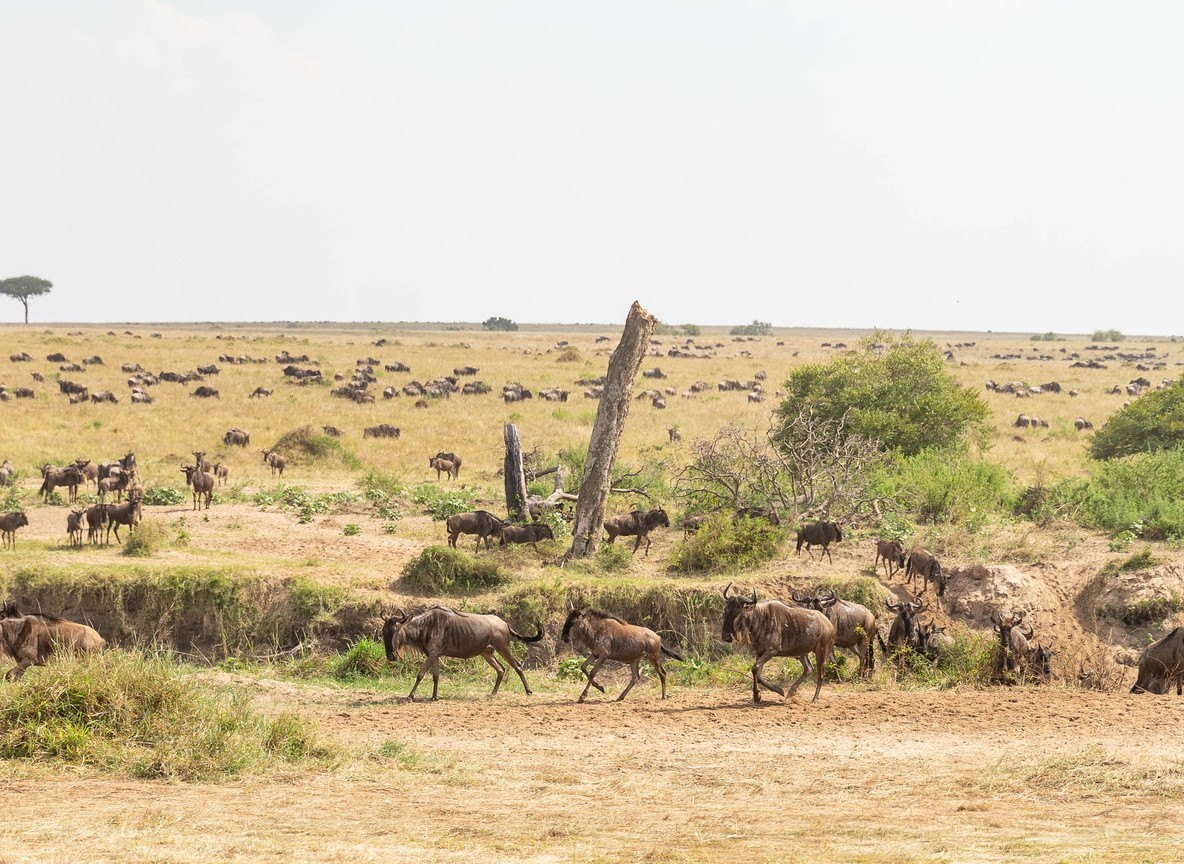
- The wildebeest migration, which crosses the Mara River into the Triangle from July through October
The migration crossing points are among the most dramatic on the entire Mara circuit, and camps on the western side are well-positioned to reach them quickly.
Morning Drive Timing
Guides from escarpment-positioned camps typically work a circuit that takes advantage of the elevated overview before descending to follow specific animals on the plains. This two-phase morning approach, scan from above then pursue on the valley floor, can be more efficient than flat-circuit driving from a ground-level camp.
Who Mara Engai Lodge Suits Best
Strong Fit For:
- Travelers who want access to the Mara Triangle without the higher rates of some camps in that zone
- Photography-focused travelers for whom elevated views and open plains backdrops matter
- Couples or small groups who value setting and scenery alongside wildlife
- Travelers on a second or third Mara trip looking for a different zone than the heavily trafficked central reserve
Worth Considering Alternatives If:
- Your primary goal is migration crossing proximity and you want to position east of the river near the main herd concentration
- You want night drives or walking safaris, which require a private conservancy camp rather than a national reserve property
- You are traveling with a large group and need a camp with more accommodation capacity
Practical Planning Notes
The Mara Triangle is accessible from Nairobi via Narok and the B3 road to the Oloololo Gate on the western boundary. This route is different from the more common Sekenani Gate approach and may add or subtract drive time depending on your starting point. Fly-in access uses the Keekorok or Ol Kiombo airstrips, with road transfer to the western zone.
Book migration season dates (July to October) at least four months ahead. Green season rates (January, February) are typically lower with minimal impact on wildlife quality.
Keep Exploring
If you are weighing the Mara Triangle against the central reserve or the northern conservancies, a comparison of the different Masai Mara zones helps clarify what each one offers and who each suits best.
Have questions about this itinerary or destination? Get answers from a safari specialist before you commit.
Inquire More