The Talek River is one of the defining landmarks of the Maasai Mara Game Reserve’s eastern section, and camps positioned along it occupy a genuinely productive stretch of wildlife habitat. Mara Explorer Camp sits on this river, inside the reserve boundary, which shapes everything from your morning game-drive departure to the sounds you fall asleep to at night.
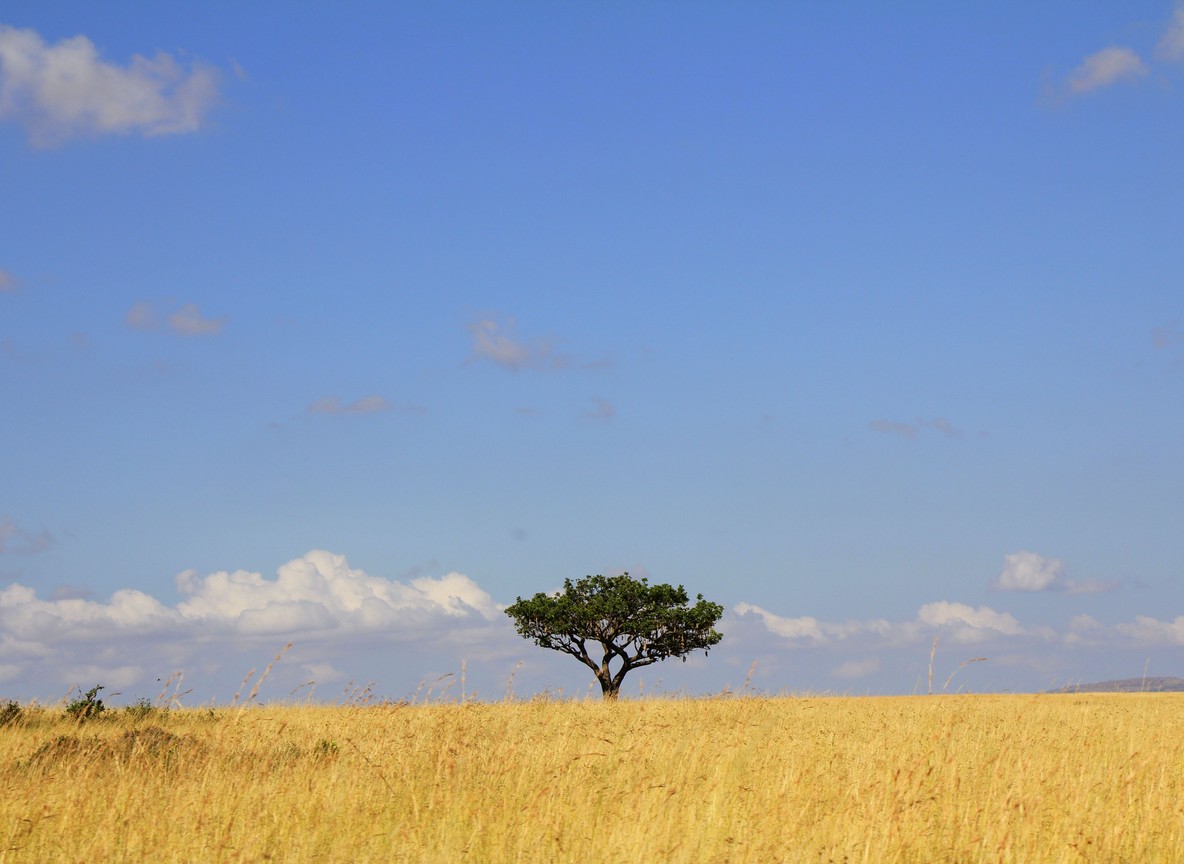
This guide is about making a clear-headed decision. The Talek River address is a meaningful one. Here is what it delivers, what to confirm before booking, and how it compares to the alternatives.
The Talek River Setting: What It Means in Practice
The Talek River runs east to west through the southern section of the Maasai Mara Game Reserve before joining the Mara River. It is a permanent water source, which means wildlife uses it year-round regardless of season. Hippos are resident. Crocodiles patrol the deeper pools. At dusk and dawn, elephant families come to drink along the banks, and lion prides track the riverine corridor as part of their territory ranges.
A camp on the Talek River is not just scenic. It is positioned inside a functional wildlife corridor. That means early-morning game activity starts at the camp perimeter, not after a 20-minute transfer to a productive zone.
The Kenya Wildlife Service maintains official information on the reserve’s structure and management:
Inside the Reserve: The Trade-offs
Mara Explorer Camp operates inside the Masai Mara Game Reserve, which is a meaningful distinction from camps positioned on private conservancy land outside the reserve boundary.
Inside the reserve, you are on Kenya Wildlife Service ground rules. That has specific implications:
- Game drives follow KWS hours. Entry is permitted from 06:00 and vehicles must be back at camp before 19:00. No night drives inside the reserve.
- Stay on designated tracks. Off-road driving is prohibited in the national reserve except at specific designated crossing points. This limits some pursuit scenarios.
- Vehicle volume is higher. The reserve is open to all licensed operators, so popular sightings can attract multiple vehicles simultaneously.
The trade-offs run the other way as well. Inside the reserve, you have access to the full diversity of the park’s game-drive network, including terrain that private conservancies do not cover. The migration crossings on the Mara River are accessible. The open plains of the Musiara area and the Sand River grasslands are part of your guide’s route options. For first-time Mara visitors who want the full breadth of the reserve’s terrain, an inside-the-reserve camp makes sound sense.
Wildlife Along the Talek Corridor
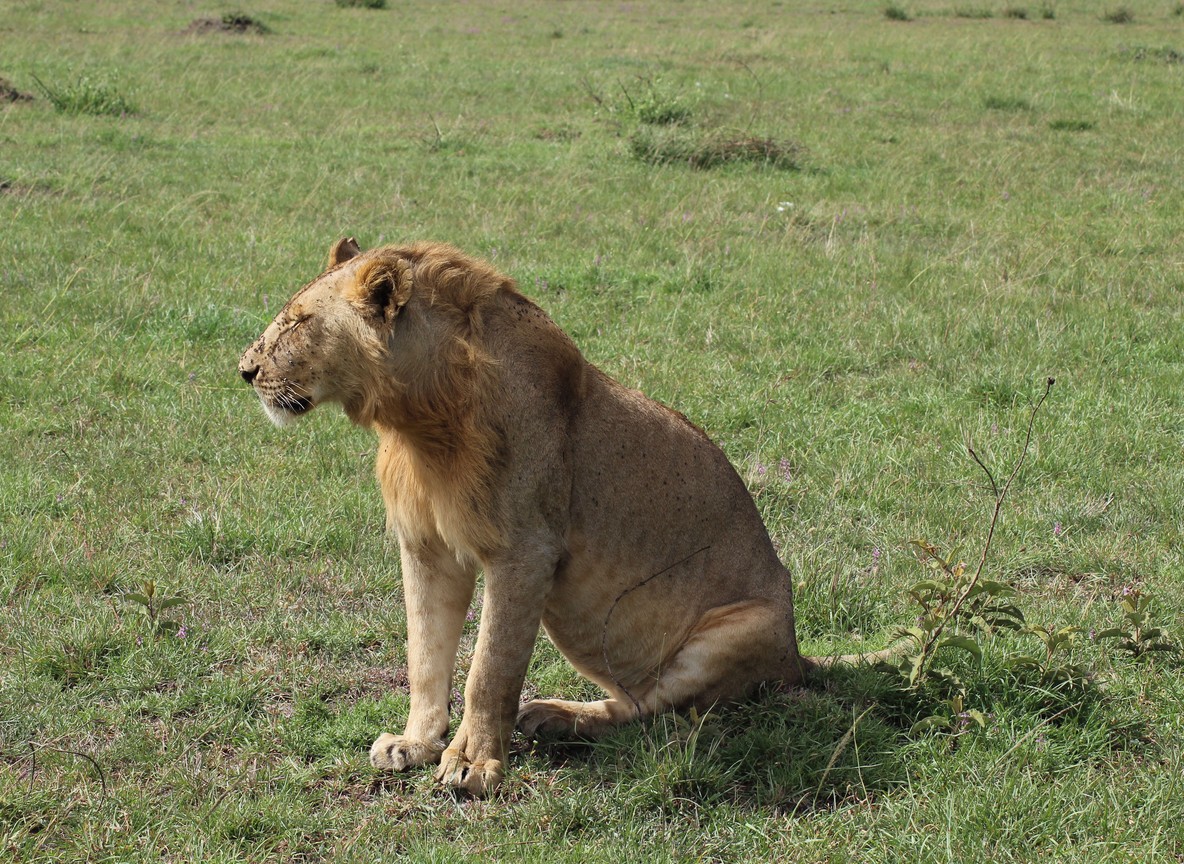
The Talek River section produces specific wildlife dynamics that distinguish it from the open plains further west. Lions in the eastern Mara tend to use the riverine forest as day-rest cover and move out onto the grasslands at dawn and dusk. Leopards are present in the fig tree belts along the river. The open ground east of the Talek is classic cheetah habitat with reliable sightings on most mornings.
During the wildebeest migration (July through October), the eastern Mara and the Talek corridor see significant herd movement. The Talek River itself receives wildebeest crossings in some years, and the plains around it fill with grazing animals that drive corresponding predator activity. If watching wildebeest in motion is a priority, a Talek River base gives you a front row position without the longer drive to the Mara River crossings.
What to Confirm Before Booking
The gap between a camp’s published description and the actual experience often comes down to details that are easy to clarify before payment:
Vehicle setup: Is your game drive vehicle private to your party, or shared with other camp guests? In the main reserve, vehicle-sharing is common at budget and mid-range properties. A private vehicle changes the experience in ways that go beyond comfort: departure time, speed of movement, guide attention, and route flexibility all shift in your favour.
Guide credentials: Ask specifically about Kenya Professional Safari Guides Association (KPSGA) certification level and years of Mara experience. A guide who has worked the Talek corridor for five or more seasons knows individual lion pride territories, the locations of regular leopard trees, and the timing patterns of migration crossings at specific points.
Room configuration: Mara Explorer Camp’s tent setup suits certain travel styles. Confirm bed type (double or twin options), bathroom arrangement (en-suite versus shared), and power availability for camera and phone charging.
Inclusions: Park fees in the Masai Mara can add significant cost if not included in the camp rate. Confirm exactly what is covered: game drives, park fees, meals, airport transfers, and any activity extras.
Comparing Talek River Camps with Other Mara Options
The Talek River section is one of three distinct geographic zones in the Maasai Mara ecosystem, each with a different character:
| Zone | Key Terrain | Game-Drive Character |
|---|
| Talek River / Eastern Mara | Riverine forest, open plains | Cheetah, leopard, resident lions, migration herds July-Oct |
|---|
| Musiara / Northern Mara | Open grasslands, Mara River | Mara River crossings, large lion prides, elephant herds |
|---|
| Private conservancies (Naboisho, Olare Motorogi, Mara North) | Mixed terrain, low vehicle density | Night drives, off-road, exclusive big-cat access |
|---|
Mara Explorer Camp occupies the first of those zones. If your priority is migration river crossings, the northern Mara camps have a geographic advantage during peak season (August through September). If your priority is exclusive vehicle access and night drives, a conservancy camp is the right call. If you want strong resident wildlife, reliable cheetah sightings, river ambience, and a traditional inside-the-reserve experience, the Talek corridor delivers consistently.
For broader camp comparisons across the Maasai Mara ecosystem, touringinsights.com provides detailed independent reviews and location breakdowns that help narrow the shortlist before you start contacting operators.
Season Planning for the Talek Section
The Masai Mara Game Reserve is productive year-round, but the rhythm changes with the season.
July to October: The migration dominates. Wildebeest columns cross the Talek corridor en route north. Lion and hyena activity spikes. Vehicle density in the reserve also spikes, which is the honest flipside of peak migration. Book early, expect company at popular sightings, and position your stay to catch the early-season buildup (July) if possible, when crowds have not yet peaked.
November to February: Short rains bring a flush of green grass and a new generation of prey. This is a strong period for cheetah cub sightings and for photography with dramatic cloud formations. Vehicle pressure eases considerably.
March to June: Long rains. Rates drop significantly. The Talek River section can have muddy tracks in April and May. But wildlife is present and active, birding is at its annual peak, and you may share a morning drive with no other vehicles at all.
Explorer Notes
- The Talek River produces late-afternoon elephant activity consistently. If you are returning from a morning drive, it is worth asking your guide to swing by the river for the return leg.
- Fig trees along the Talek hold leopard regularly. Ask your guide which specific trees are currently active.
- During peak migration, the open areas east of the Talek River fill with wildebeest before they push toward the river. Early morning here means watching the herds gather and lions make their first stalks of the day.
- Camera gear: bring a long lens (400mm minimum if your budget allows) for cheetah sightings on the open ground. Wide glass for the river-bank atmosphere at camp.
- The Talek section is among the more accessible parts of the Maasai Mara in terms of road conditions, which matters if you are arriving by road from Nairobi rather than by charter flight.
Who This Camp Suits
Mara Explorer Camp on the Talek River is a strong match for:
- First-time Mara visitors who want a traditional reserve experience with the river setting adding something distinctive
- Travellers planning around the July-October migration window who want proximity to moving herds
- Anyone who values the reliability of a permanent water source nearby for wildlife at camp
- Budget-conscious travellers who want a genuine Mara experience inside the reserve without the conservancy premium
If complete vehicle privacy, night drives, and off-road access are non-negotiable, this camp’s inside-the-reserve positioning means those options are off the table. That is a factual constraint, not a criticism.
Getting There and Next Steps
Flights to the Maasai Mara from Nairobi Wilson Airport take approximately 45 minutes on scheduled bush flights operated by Safarilink and AirKenya. The Talek Gate is the primary reserve entry near Mara Explorer Camp, and most operators use it as the standard access point.
If you are comparing Mara Explorer Camp against other Talek River options or looking at the wider Maasai Mara camp landscape, trunktrailssafaris.com maintains current camp availability and can provide side-by-side itinerary comparisons based on your travel dates and group size.
The Talek River location is an asset. Whether it is the right asset for your specific safari depends on what you are planning around. That decision becomes much clearer once the details above are confirmed.
Have questions about this itinerary or destination? Get answers from a safari specialist before you commit.
Inquire More